From the clear skies of the north to Chilean Patagonia, Chile brings together landscapes, cultures, and experiences that change completely as you travel across the country. Discover five regions that deserve a spot on your next trip.
Chile is a country of striking geographic and cultural contrasts. Across its more than 4,000 kilometers, you’ll find deserts, heritage cities, volcanic islands, ancient forests, and ice fields.
If you’re looking for inspiration to discover its top highlights, we’ve put together Chile’s five most iconic landscapes here. Choose where to start your adventure in our country!
Five regions to discover Chile’s landscapes
1. Atacama Desert: landscapes that look like another planet
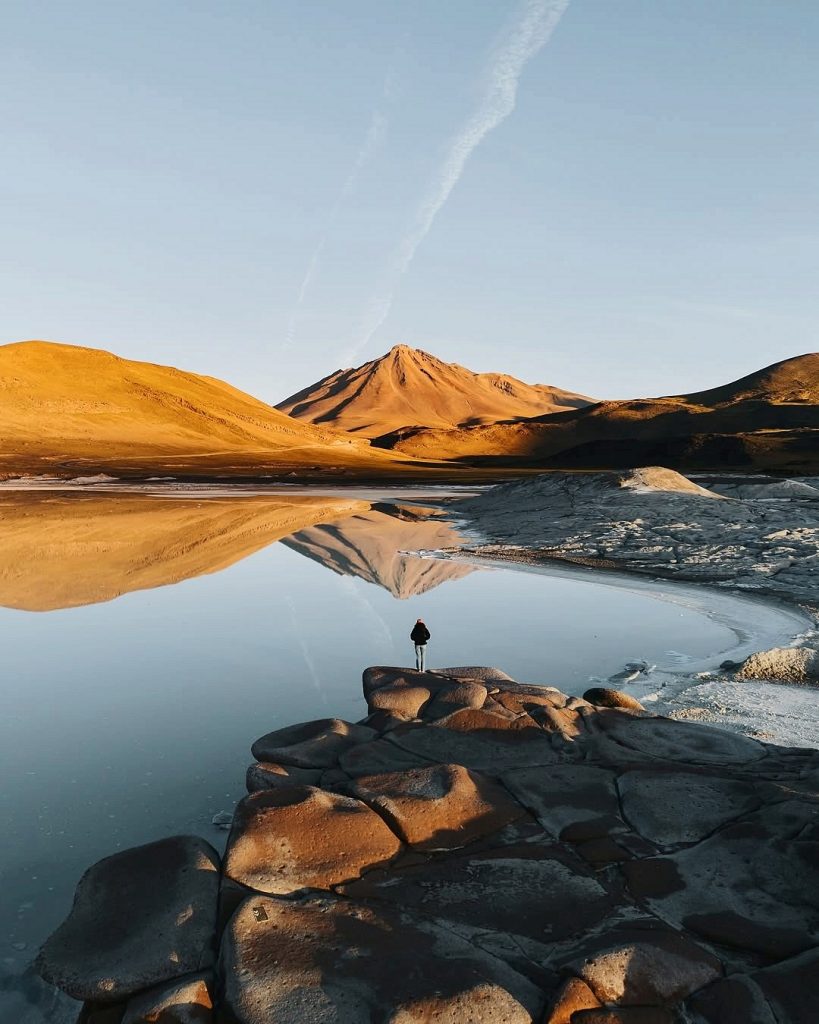
In northern Chile you’ll find the Atacama Desert, the driest in the world. Its landscapes look like they’re from another planet: vast salt flats, volcanoes, vividly colored lagoons, and rock formations that shift in tone with the daylight.
San Pedro de Atacama is one of the main starting points for exploring this area. From there you can visit the Valley of the Moon, see the Tatio Geysers at sunrise, and discover the high-altitude lagoons Miscanti and Miñiques, located more than 4,100 meters above sea level. When night falls, the clear sky offers exceptional conditions for stargazing.
- Blooming Desert! The driest in the world fills with flowers in spring
- 7 salt flats in Chile that will surprise you—and how to visit them
- Tulor Village: the Atacama settlement that spent 1,700 years hidden under the sand
- Take note! Three experiences you have to try in San Pedro de Atacama
2. Santiago and Valparaíso: between city life and heritage charm
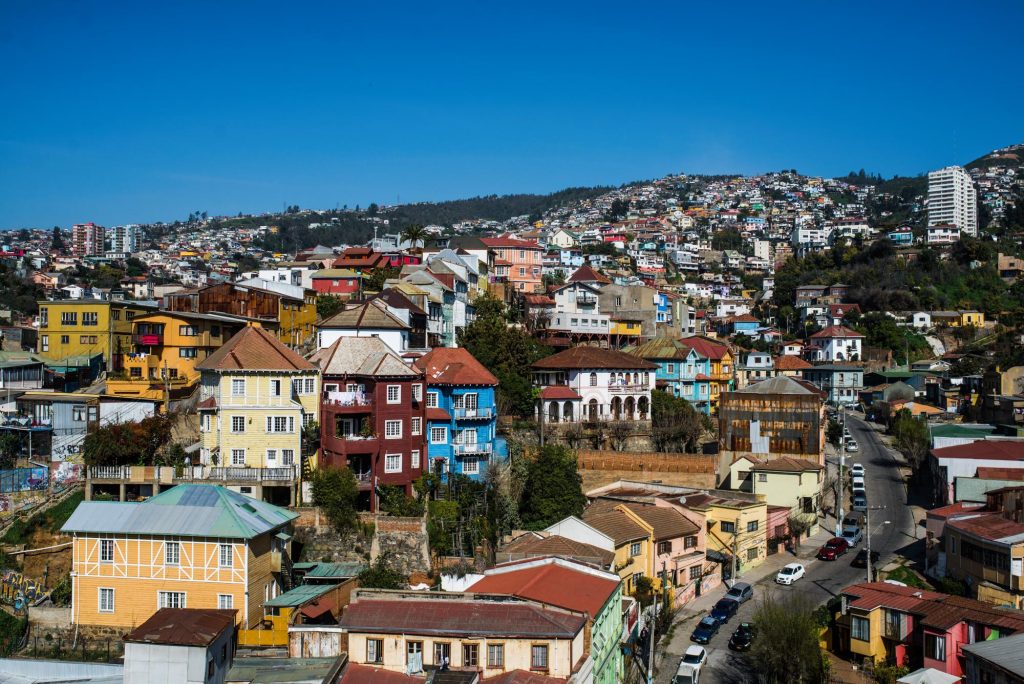
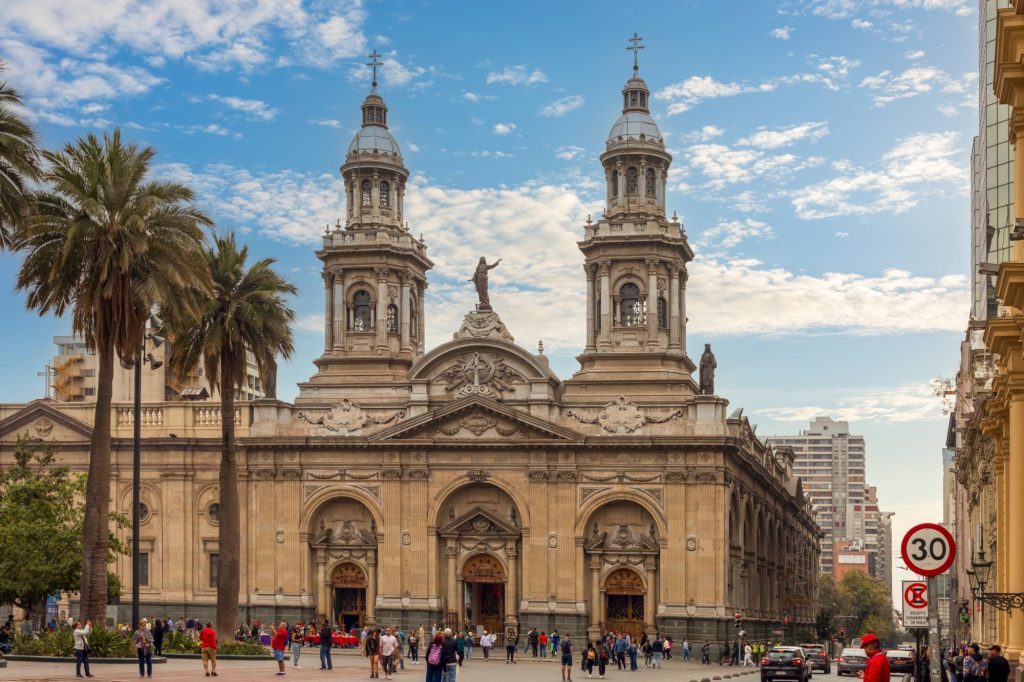
Central Chile offers a mix of culture, history, architecture, and wine traditions. In the capital, Santiago, you can explore neighborhoods like Lastarria and Bellavista, visit museums, discover the historic downtown, and enjoy panoramic views from San Cristóbal and Santa Lucía hills.
Just over an hour from the capital, Valparaíso stands out with its hills, historic funiculars, colorful facades, and urban art, with a historic district declared a UNESCO World Heritage Site. You can also extend the course to Viña del Mar, its beaches, and the wine valleys, where winemaking tradition is part of the local identity.
- What to do in Santiago in 2 days: a tour of Chile’s capital
- 5 family activities for your visit to Santiago: Museums and parks
- What to do in Valparaíso and Viña del Mar: 7 must-sees
- 5 Valparaíso hills you should visit on your next trip
3. Rapa Nui: an ancient culture in the middle of the Pacific
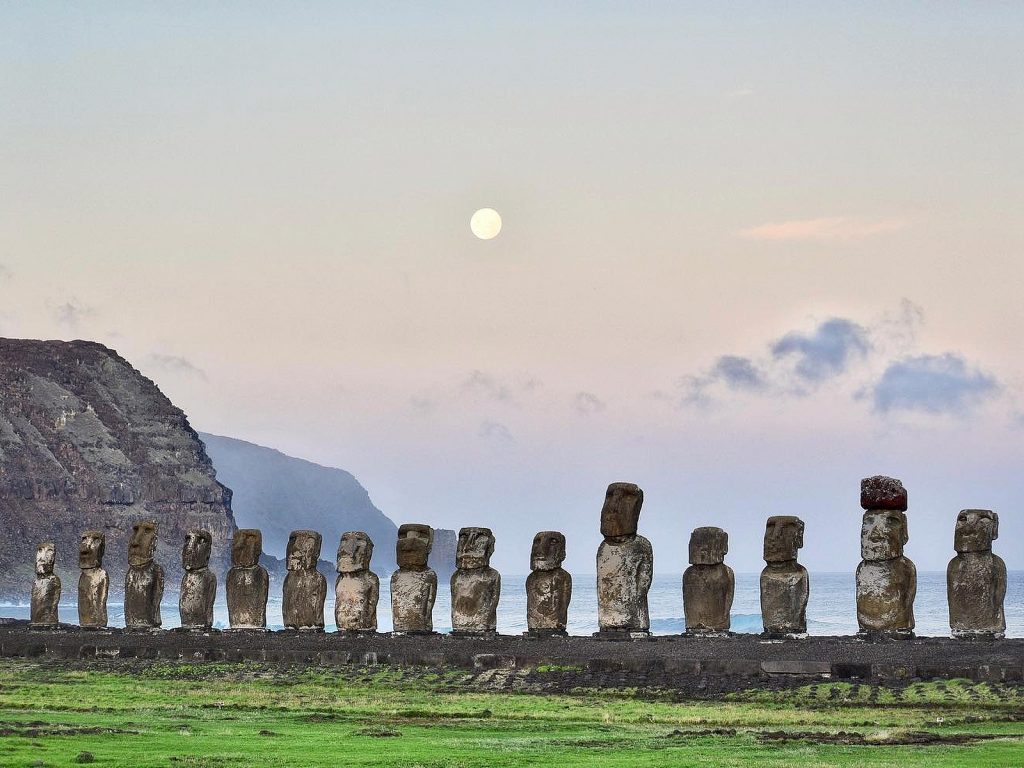
About 3,700 kilometers off Chile’s mainland coast lies Rapa Nui, an island known worldwide for its moai and Polynesian culture. Exploring this island territory lets you discover archaeological sites like Ahu Tongariki, where 15 moai stand facing the ocean, and Rano Raraku, the quarry where many of these monumental figures were carved.
You can also visit the crater of the Rano Kau volcano and Anakena Beach, with white sand and turquoise waters. Beyond its landscapes, Rapa Nui preserves a living culture expressed through its language, music, dances, cuisine, and traditions.
- Heritage Route: Kainga O Te Miru and the path of the kings
- Five facts about the Moai of Rapa Nui you didn’t know
- Ancestral competitions at Tapati: tradition, strength, and culture
- It wasn’t with rolling logs! This is how the Moai of Rapa Nui were moved
4. Forests, Lakes, and Volcanoes: nature in southern Chile
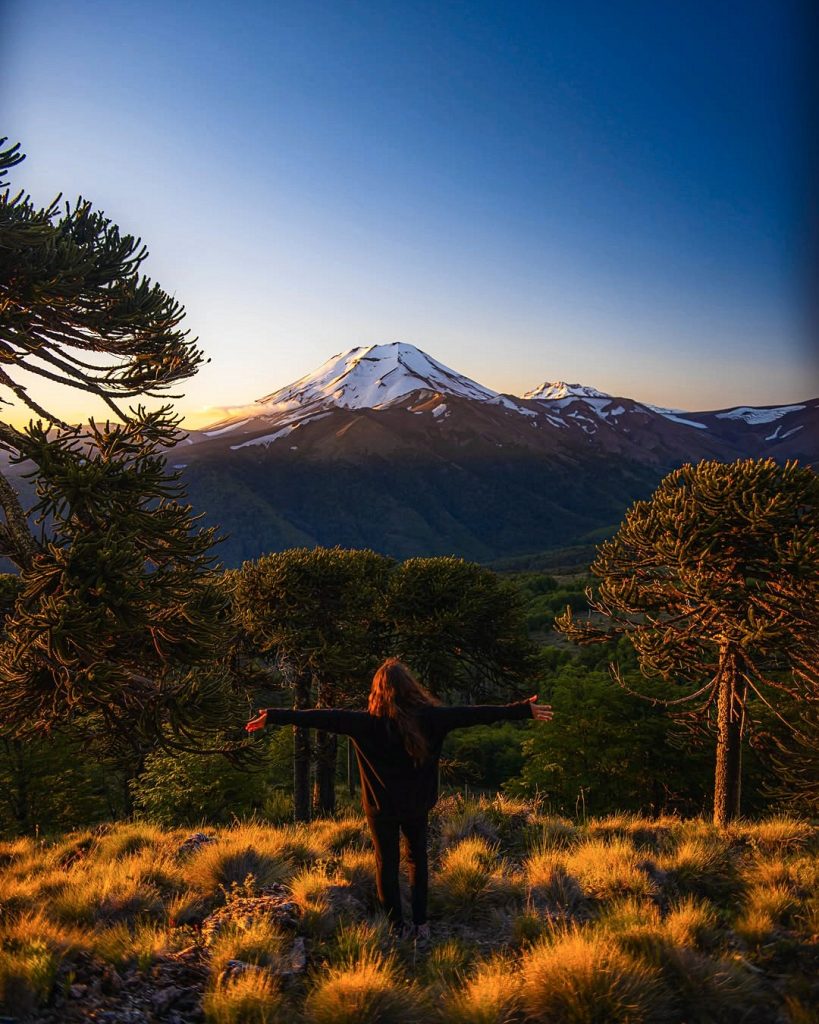
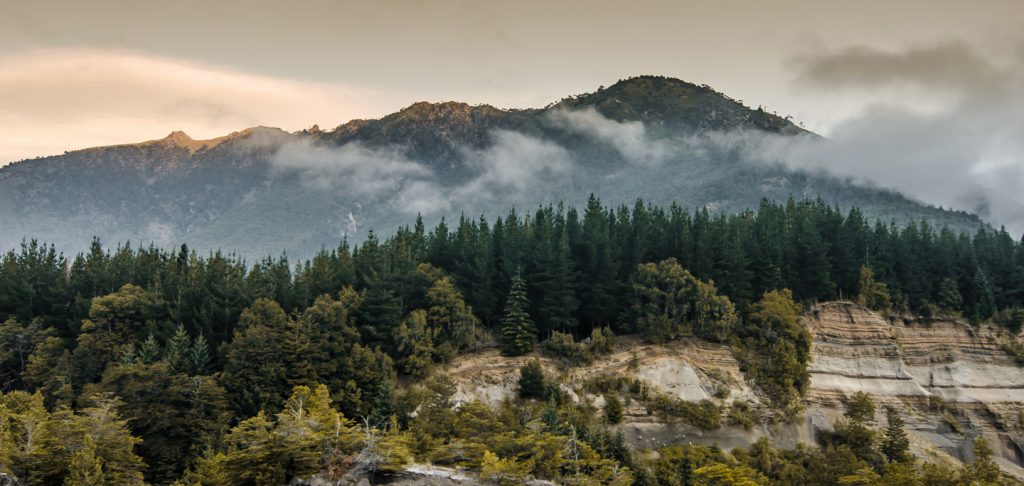
Southern Chile offers a mix of native forests, glacial lakes, volcanoes, and towns surrounded by nature. It’s an ideal area for anyone looking for outdoor adventure, lake landscapes, and encounters with local cultures.
In destinations like Pucón and Villarrica, you can do activities like trekking, kayaking, and mountain climbs. Farther south, Puerto Varas and Frutillar invite you to explore the shores of Lake Llanquihue, with Osorno Volcano as the star of the scenery.
The araucaria forests of the La Araucanía Region, natural hot springs, and national parks also stand out. The Mapuche culture and the communities’ traditions round out the experience.
- What to do in Pucón: hot springs, nature, and shopping
- Conguillío: the Chilean national park that inspired a famous dinosaur series
- The best hot springs in southern Chile
- Seven Lakes circuit: what you need to know about this stunning route
5. Patagonia: glaciers, fjords, and untamed nature
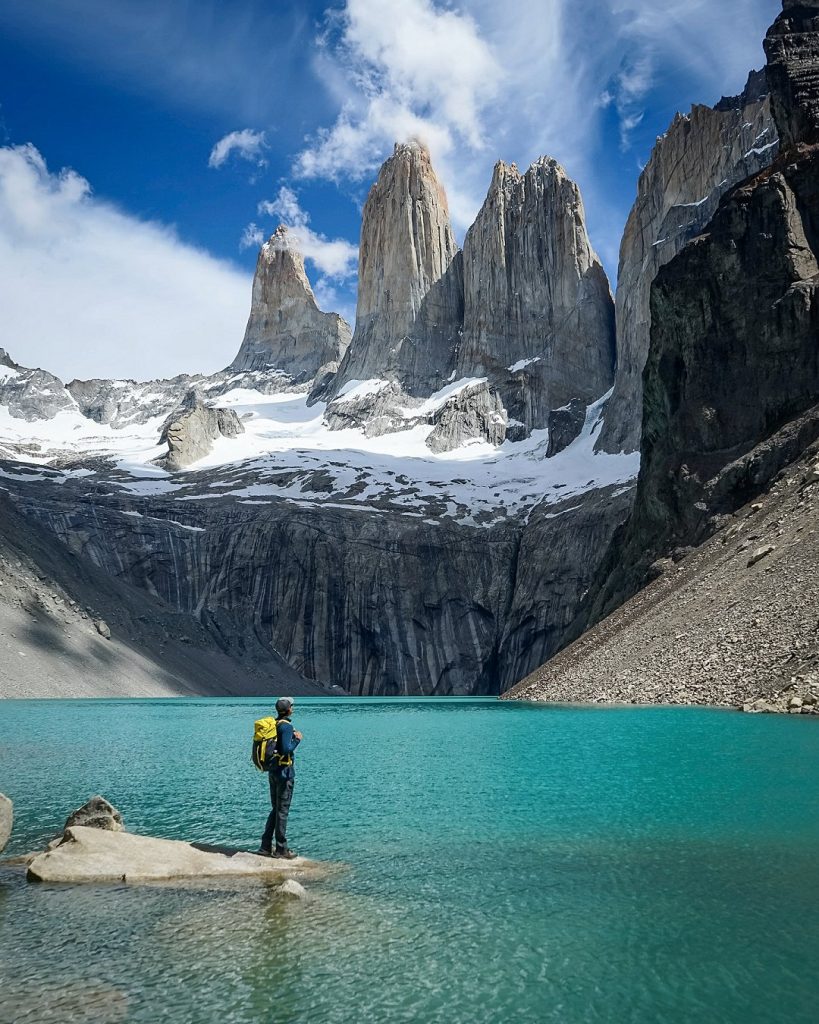
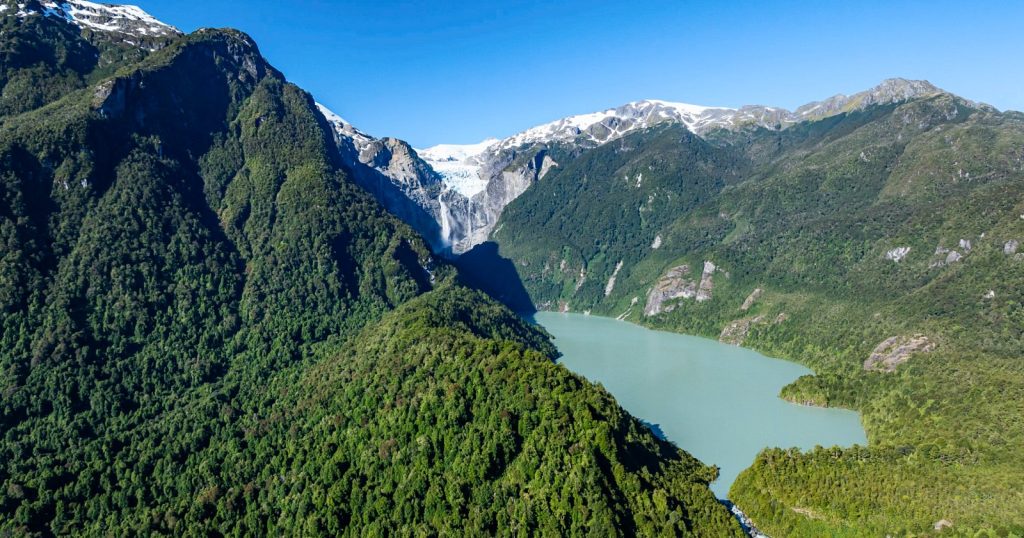
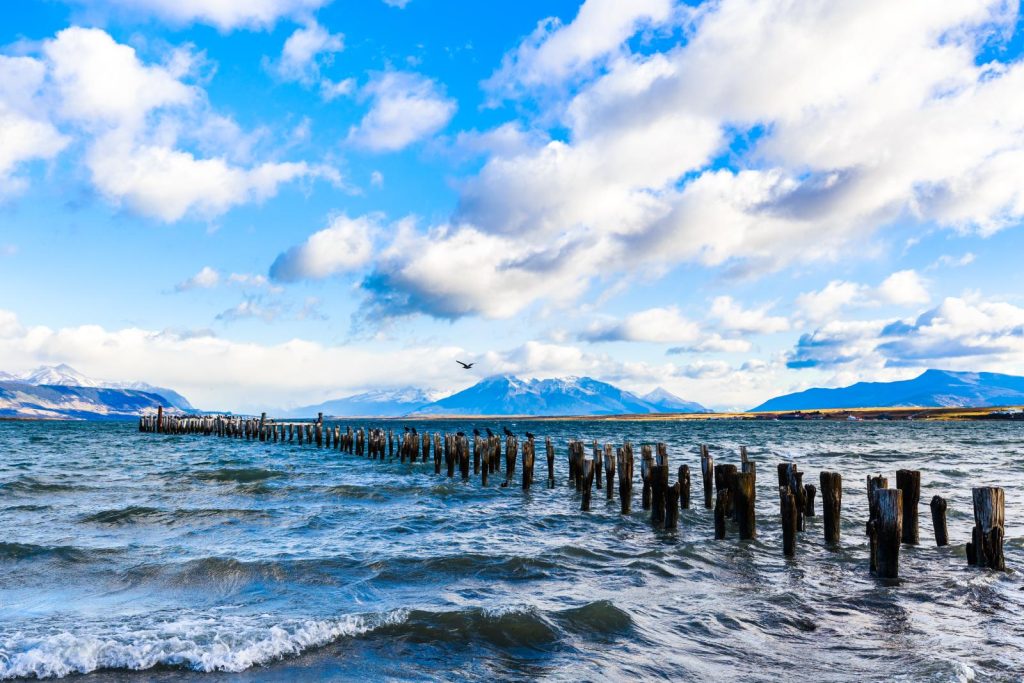
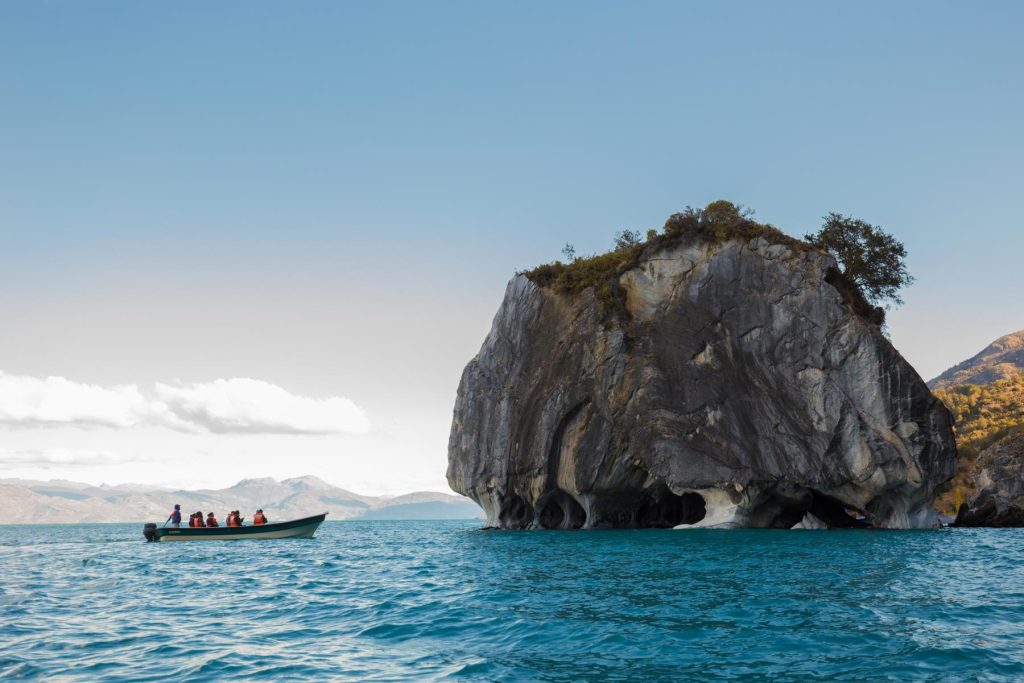
For those looking to immerse themselves in untamed nature, Chilean Patagonia offers unique experiences among mountains, glaciers, fjords, and vast wilderness areas.
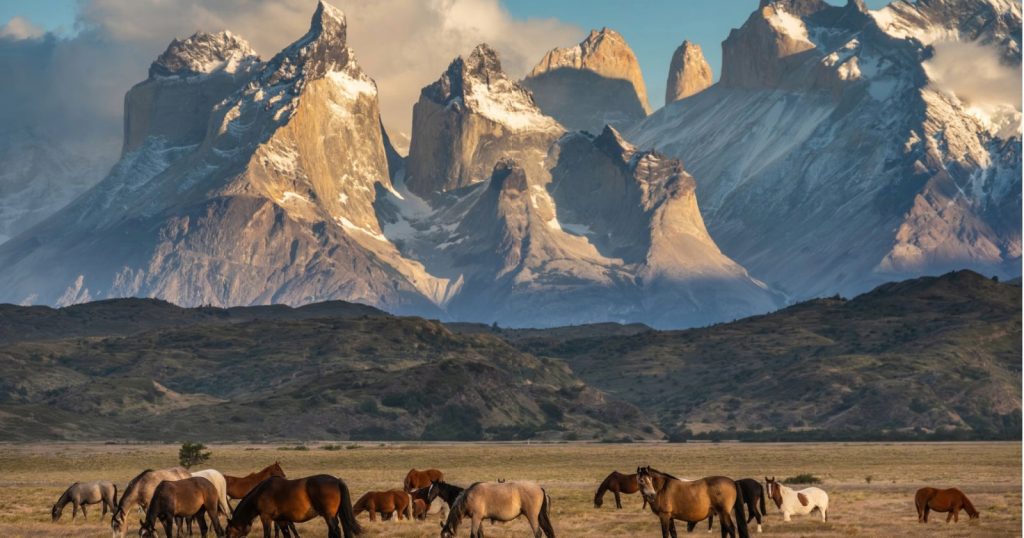
From Puerto Montt heading south, the Carretera Austral links small towns, national parks, and nature reserves along a course of ever-changing landscapes. And at the end of the world, Torres del Paine National Park is one of the great highlights, with its famous granite towers, the Paine Massif, and Grey Glacier.
What’s more, Chilean Patagonia is the gateway to even more remote territories, like the Chilean Antarctic Territory, where icy landscapes and wildlife offer a truly fascinating experience.
- Torres del Paine: how to get there and where to stay to enjoy its landscapes
- Why is Patagonia called Patagonia?
- Chilean Patagonia: what to do in the destination of your dreams
- Antarctica cruises from Chile: travel guide
Ready to plan your route? Check out our practical guide on what to do in Chile: from the Atacama Desert to Patagonia, where you’ll find key info on safety, currency, food, and entry requirements for the country.