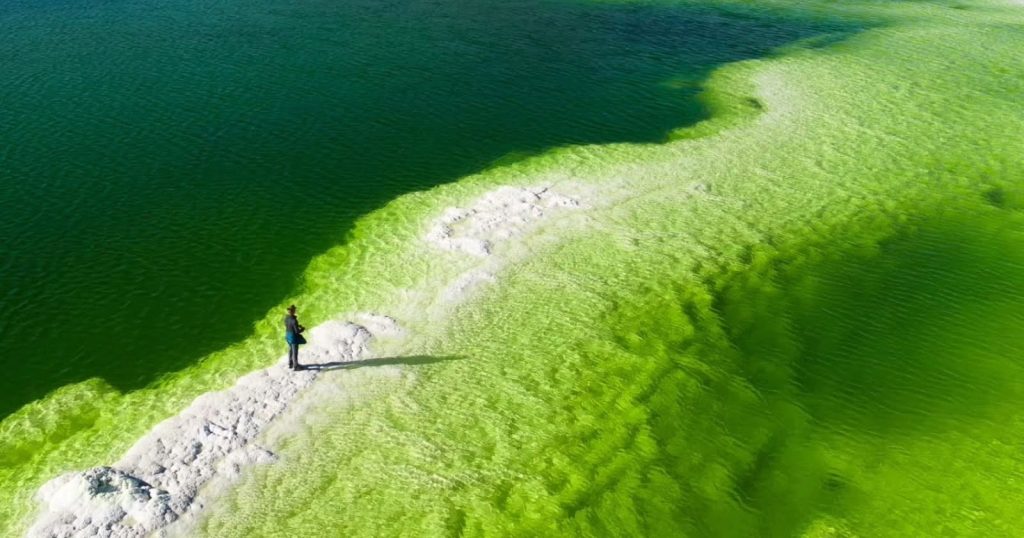
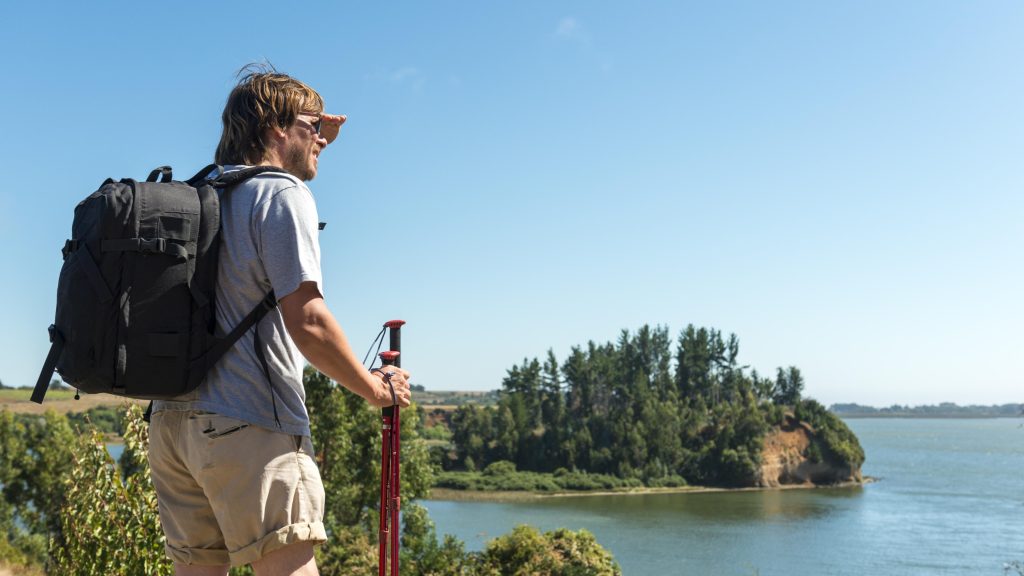
Chile is a country of extreme geographical contrasts, ranging from the world’s driest desert to the ancient glaciers of Patagonia.
For those planning their first visit from abroad, it is key to understand how to get around, which activities to prioritize, and what practical aspects to consider.
Below, we tell you what you need to know for your visit to our country.
What to do in Chile? Must-see destinations from north to south
To answer the question of what to do in Chile, the key is to approach the country by geographical regions, given its length of more than 4,300 kilometers from north to south.
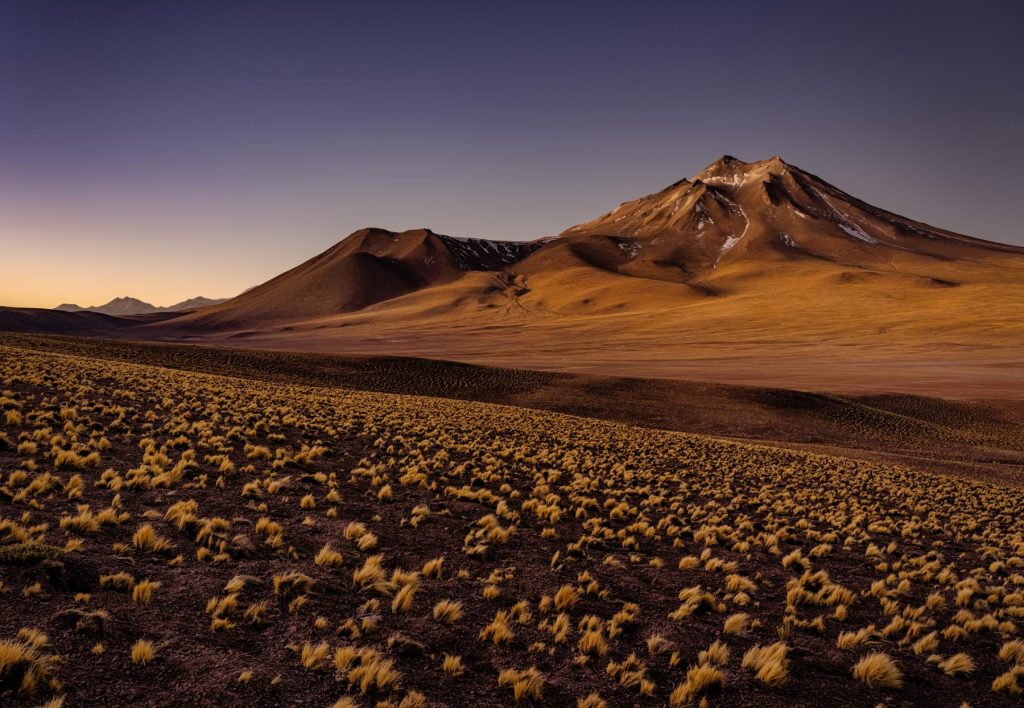
1. The Atacama Desert
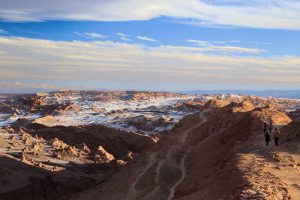
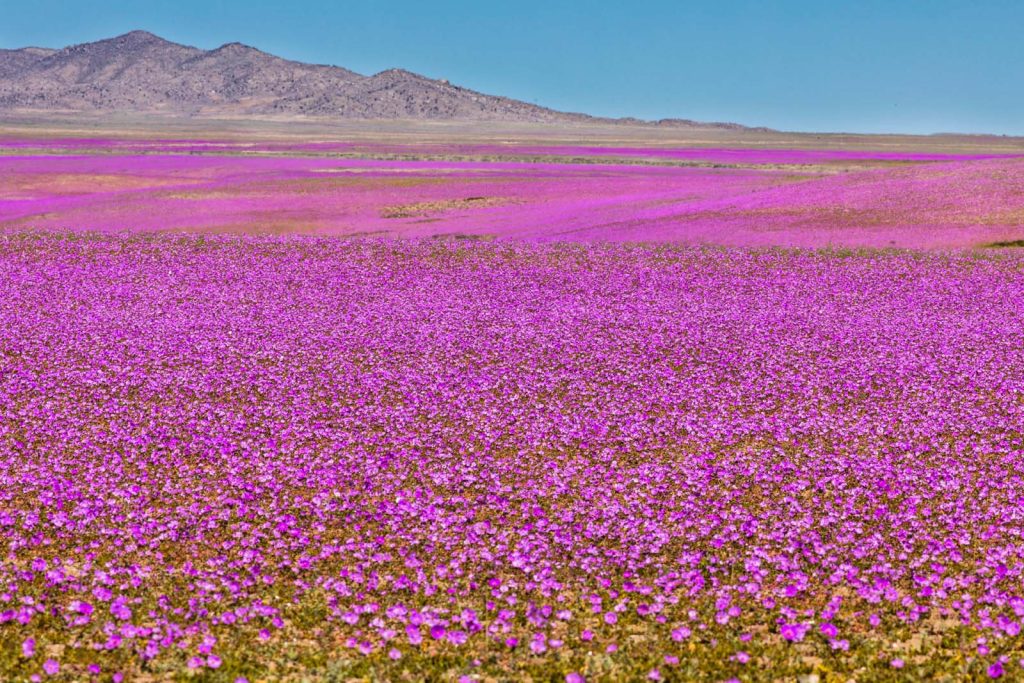
Located in northern Chile, the Atacama Desert—the driest in the world—is internationally recognized for its otherworldly landscapes, endless salt flats, and as one of the best places on the planet for astrotourism. Its most famous town is San Pedro de Atacama, the starting point for tours to the area’s most impressive landscapes.
2. Chilean Patagonia
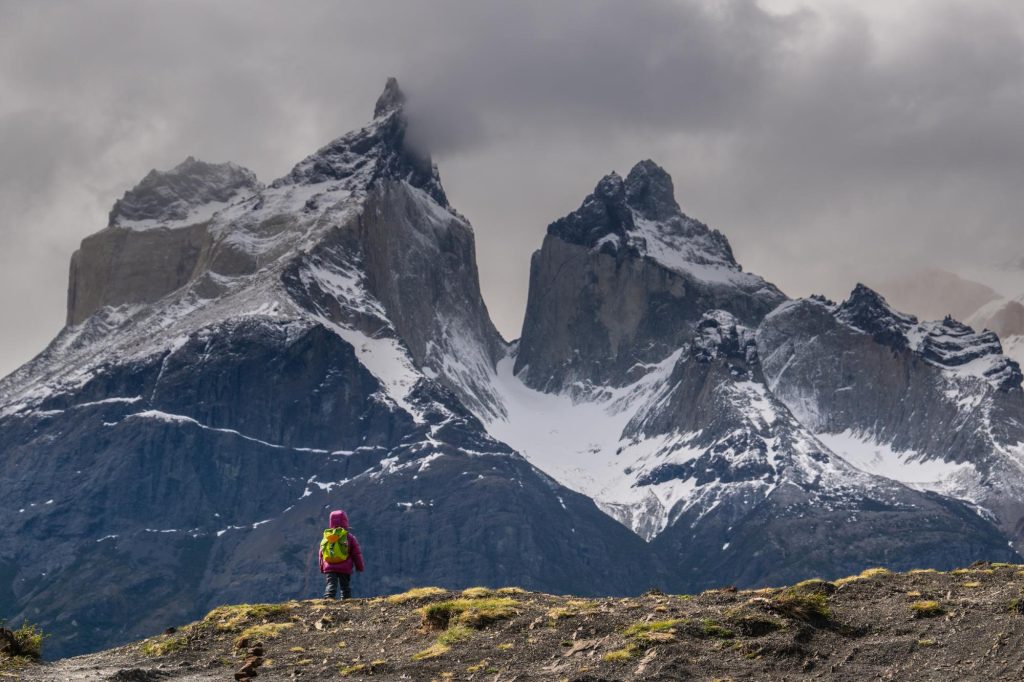
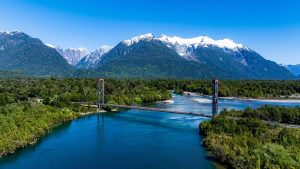
In the far south, Chilean Patagonia stands out for its vast natural landscapes, glaciers, fjords, forests, and mountains. Its most iconic sights are the Carretera Austral and Torres del Paine, but its territory stretches from the Reloncaví Sound to Cape Horn, encompassing the Aysén and Magallanes regions in one of the most pristine areas on the planet.
3. Santiago and Valparaíso
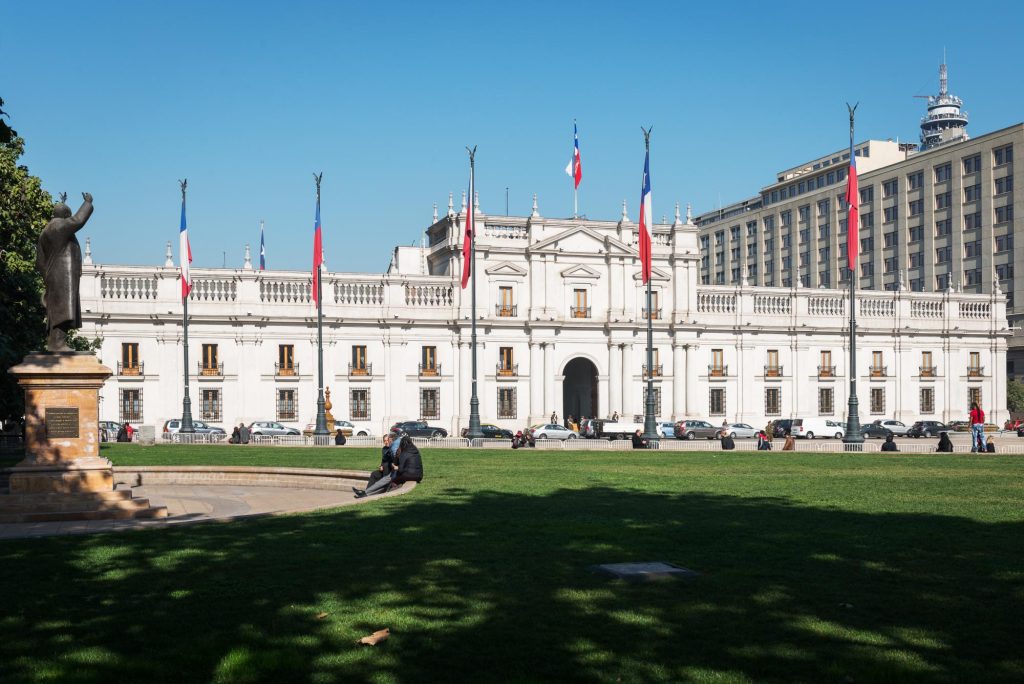
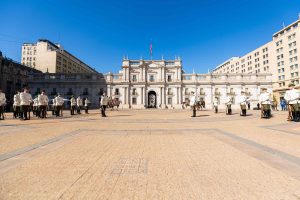
Central Chile combines urban life, historical heritage, and the country’s wine production. The capital, Santiago, is known for being a modern city with great connectivity and countless activities. A short distance away, Valparaíso stands out for its architecture, hills, heritage elevators, and port tradition, which earned it recognition as a UNESCO World Heritage site.
Frequently asked questions and practical traveler’s guide
Is it safe to travel to Chile?
Chile is considered one of the most stable countries for tourism in Latin America. However, as with any international tourist destination, it is important to maintain standard safety precautions:
- In large cities (Santiago, Valparaíso): Keep valuables secure, especially in crowded areas. You should also avoid carrying large amounts of cash in plain sight and use transport apps or official taxis from terminals and hotels.
- In natural environments (Atacama, Patagonia): The main risk is linked to weather and geography. It is recommended to travel with layered clothing, UV protection in the north, and windproof and waterproof gear in the south. In areas located above 2,500 meters in altitude, ascend gradually when possible, stay hydrated, and pay attention to symptoms of altitude sickness.
Find more safety information for Chile here.
Currency and payment methods
- The official currency is the Chilean Peso (CLP).
- Card usage: International credit and debit cards are widely accepted in hotels, restaurants, supermarkets, and urban shops.
Find more information on currency and costs here.
Language and English in tourism
The official language is Spanish. However, in major airports, hotels, tour agencies, and national parks, staff speak English. Outside of traditional tourist circuits or in rural towns, the level of English decreases, so having basic Spanish phrases or a translation app is extremely useful.
Gastronomy: What to eat in Chile?
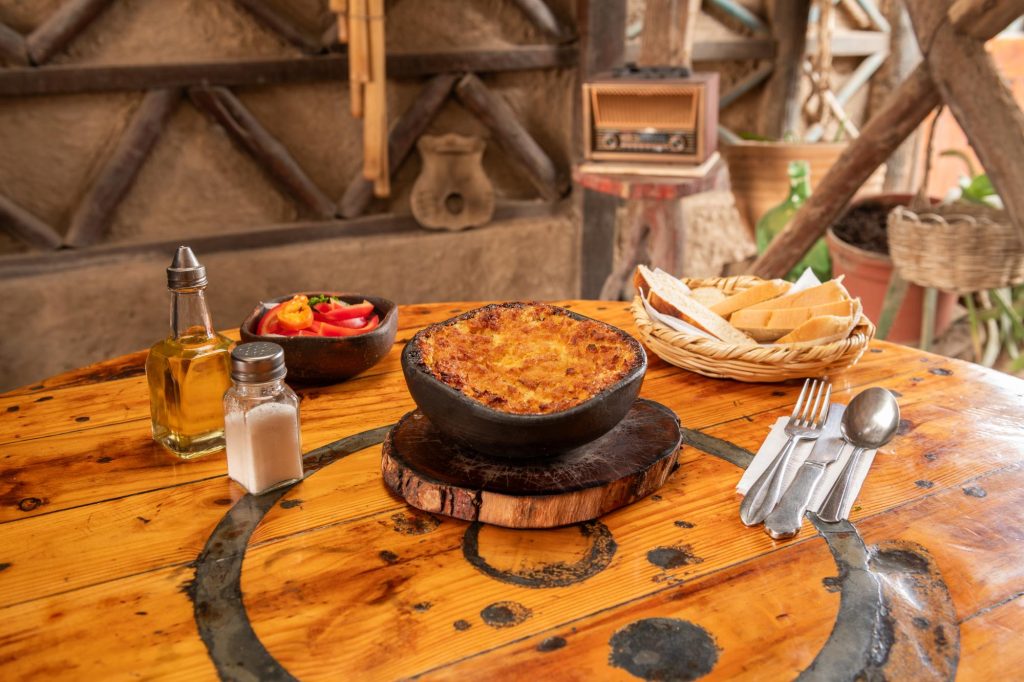
Thanks to its extensive coastline and fertile valleys, Chilean cuisine is based on fresh seafood and seasonal agricultural products.
| Dish / Drink | Description | Where to try it |
| Fish and seafood | Machas a la parmesana (razor clams with parmesan), reineta ceviche, caldillo de congrio (conger eel soup), and Patagonian king crab. | Santiago Central Market, Valparaíso, and the central coast. King crab can be found in Patagonia. |
| Empanada de pino | Baked pastry filled with minced meat, onion, hard-boiled egg, olives, and raisins. | Throughout the country, especially in rural areas and central valleys. |
| Pastel de choclo | A baked dish made of ground corn (choclo) covering a ‘pino’ of beef and chicken, browned in the oven. | Typical of the central zone during the summer season. |
| Cordero al palo | Traditional Patagonian roast lamb slow-cooked over hot coals. | Magallanes and the surroundings of Torres del Paine. |
| Wine and pisco | Varieties such as Carmenère and Cabernet Sauvignon, along with the national cocktail made from grape distillate (pisco). | Wine valleys and restaurants throughout the country. |
Find more information on Chilean gastronomy here.
Key facts for your visit
- Entry requirements: Citizens of countries such as Canada, the United States, the United Kingdom, and European Union member states do not require a prior visa for tourist stays of up to 90 days. Only a valid passport is required. Find more information here.
- Phytosanitary Controls (SAG): Chile applies very strict agricultural controls at its borders. It is mandatory to declare any products of plant or animal origin you are carrying. After the declaration, the SAG will determine if they meet the conditions to enter the country. Find the sworn declaration you must sign here.
- Best time to travel:
- Atacama and the north: All year round.
- Santiago and wine valleys: Spring (September to November) and autumn (March to May).
- Patagonia: Southern Hemisphere spring and summer (October to March), when temperatures are usually milder and there is greater availability of trails and tourist services.
Cover photo: Timothy Dhalleine