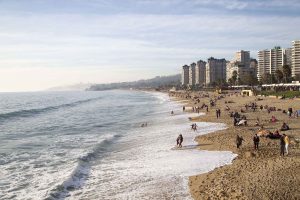
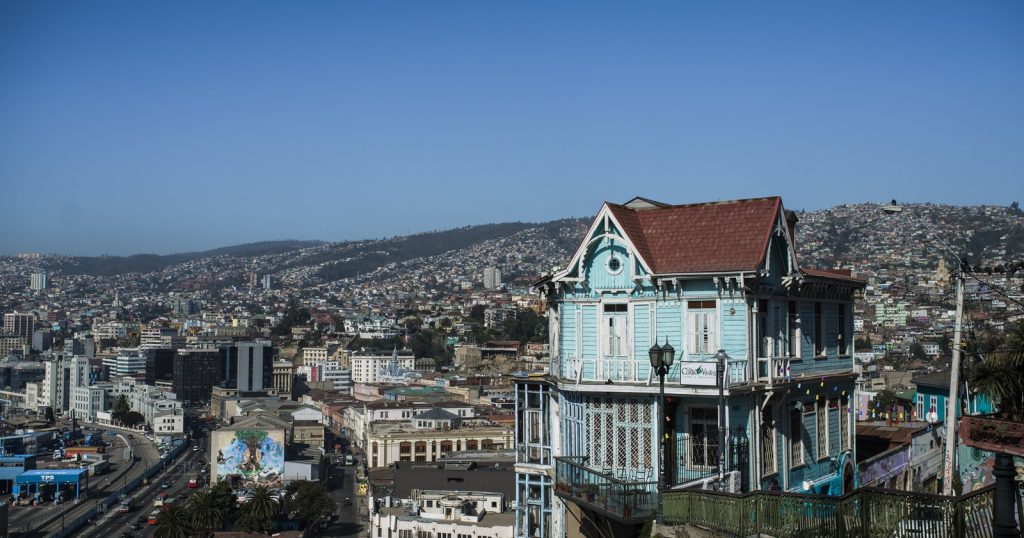
We’ve rounded up seven places you have to see if you visit Valparaíso and Viña del Mar.
Located just over an hour from Santiago, Valparaíso and Viña del Mar are sister cities that make up an essential route in Chile—perfect for a quick getaway or a longer stay.
With areas declared a UNESCO World Heritage Site, Valparaíso will amaze you with its architecture, colorful murals, and vibrant cultural scene. Meanwhile, Viña del Mar is a modern city of gardens, beaches, historic buildings, and a tradition of pure relaxation.
If you’re not sure where to start, here are 7 must-sees.
What to Do in Valparaíso?
The best way to experience Valparaíso is on foot—let its hills lead the way. The city’s identity is shaped by its funiculars, viewpoints, historic buildings, and colorful neighborhoods.
1. Ride Valparaíso’s funiculars—there are more than 15!
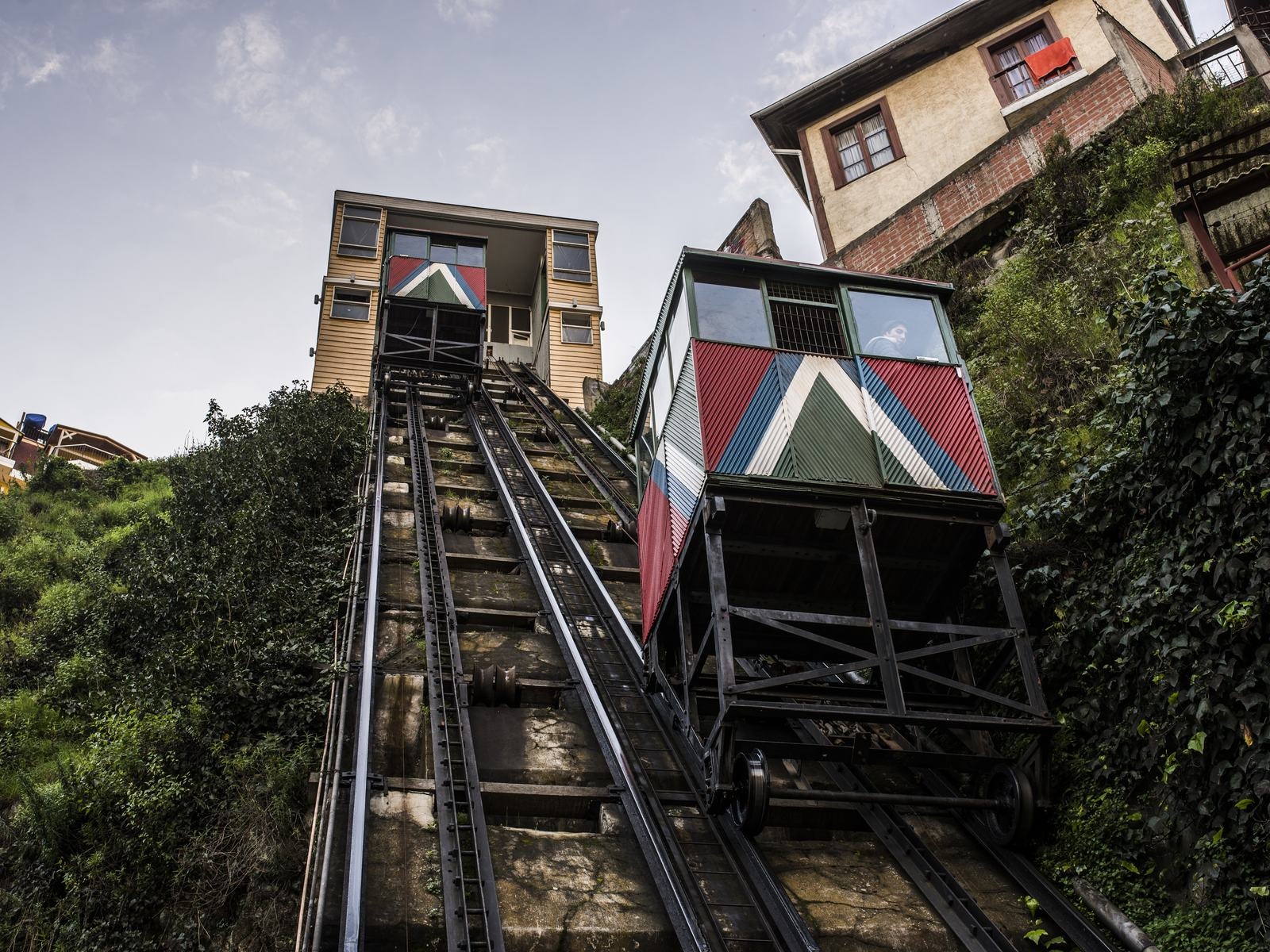
Because it’s built across multiple hills, the Valparaíso funiculars are a must-do and a great way to understand the city’s unique geography. The best known are Concepción, Reina Victoria, and Artillería, though there are more than 15 options across the city—some over 140 years old. You can find the full list here.
- For foreign tourists, the fare for these funiculars is CLP$1,000 (US$1.05) per ride.
2. Cerro Alegre and Cerro Concepción: viewpoints, art, and heritage
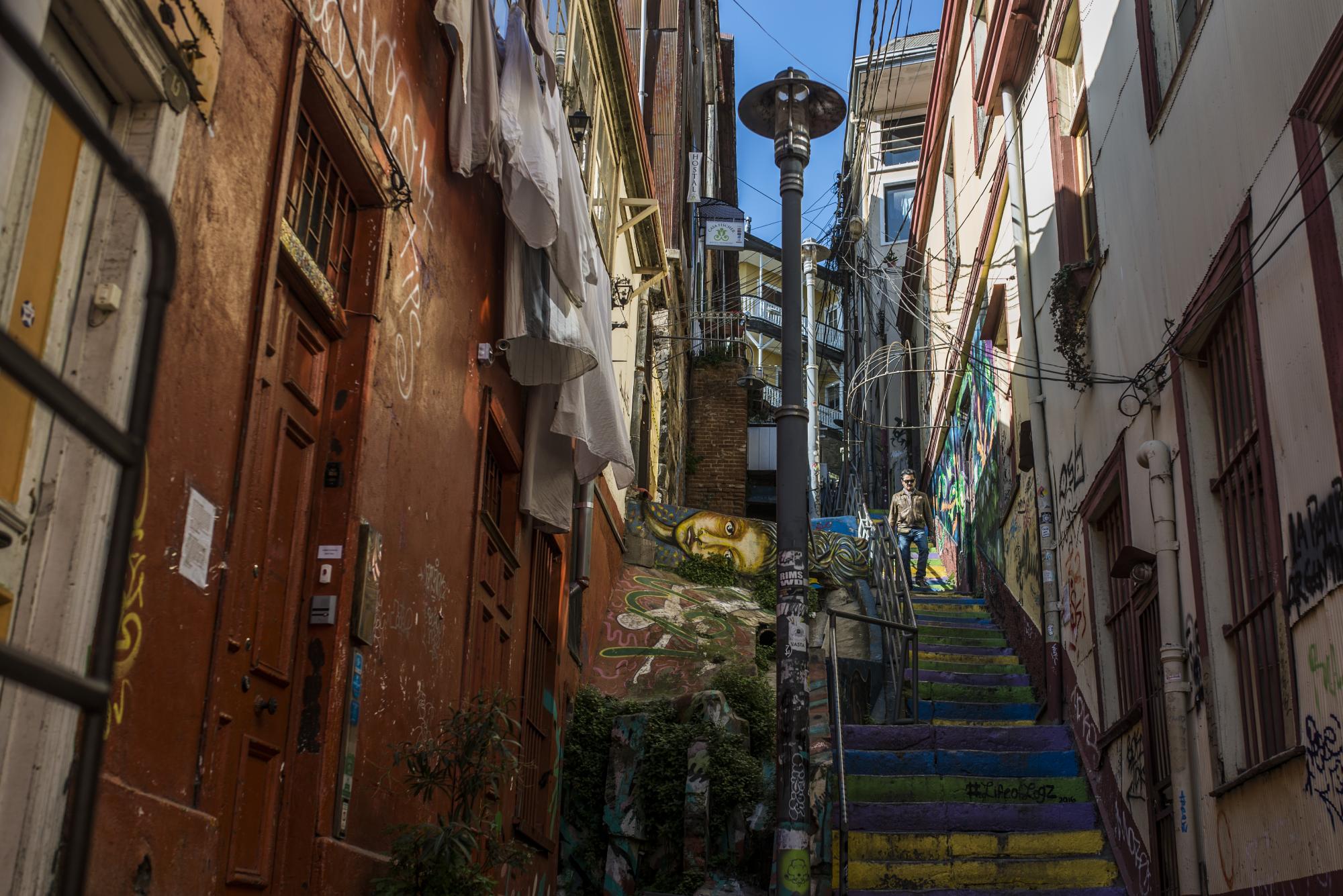
The Alegre and Concepción hills are considered Valparaíso’s most impressive areas, with iconic spots like the Red Door, the Piano Staircase, and Casa Punto de Diamante.
On Cerro Concepción, be sure to stroll along Paseo Gervasoni and Paseo Atkinson, two classic city balconies with panoramic views of the port. On Cerro Alegre, you can wander past cafés, restaurants, shops, and artists’ studios until you reach Baburizza Palace, home to Valparaíso’s Fine Arts Museum.
- Admission is free.
3. La Sebastiana: Pablo Neruda’s house museum
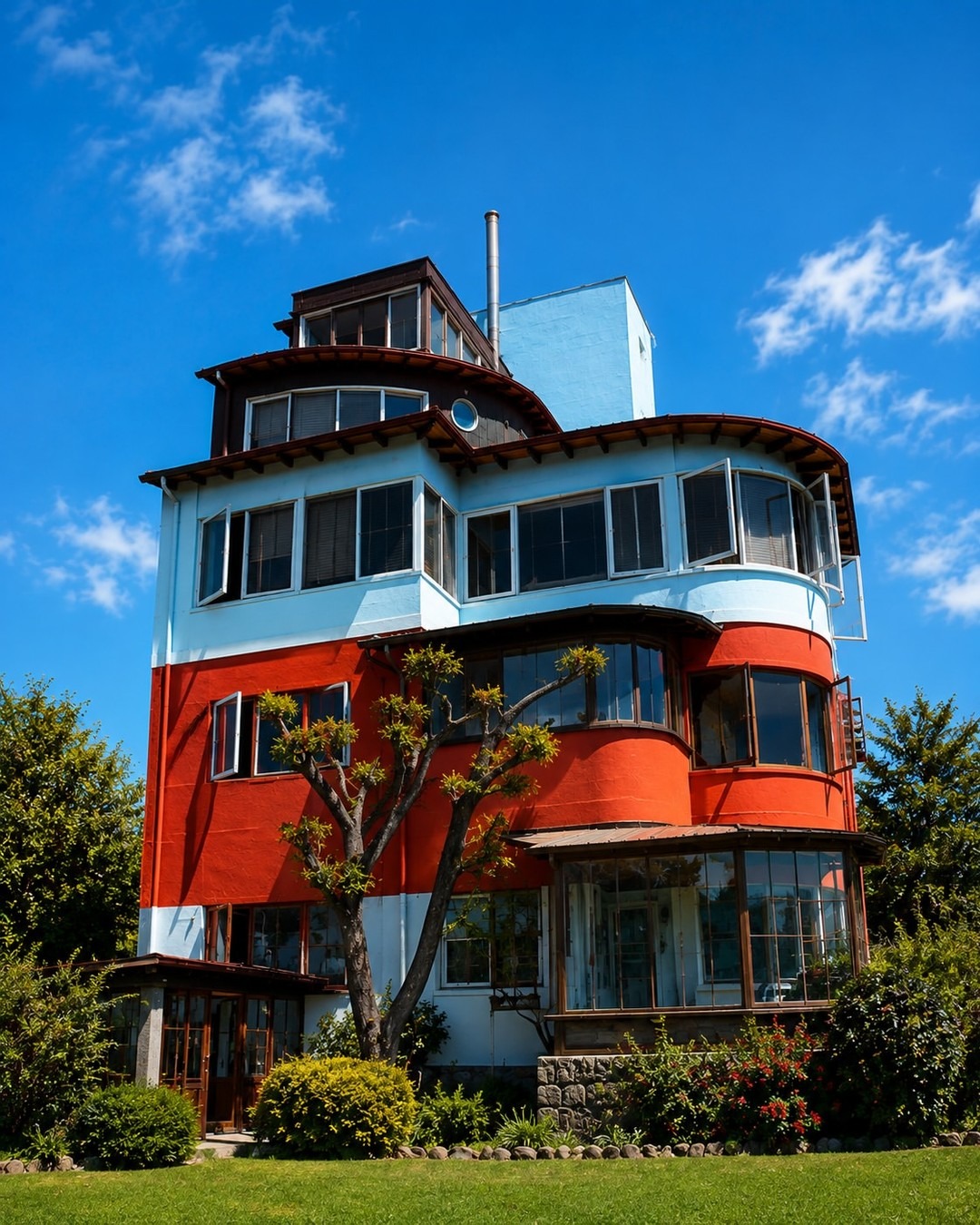
A must-see for poetry lovers. On Cerro Bellavista you’ll find La Sebastiana, one of the three Pablo Neruda house museums in Chile. The poet bought it in 1959 and turned it into a place to live and write.
Today you can tour its different rooms and discover personal items, collections, and details that reflect the poet’s creative universe. What’s more, its windows offer spectacular views over Valparaíso Bay.
- General admission costs CLP$11,000 (US$11.58). Check the official website here.
4. Plaza Sotomayor: Valparaíso’s historic heart
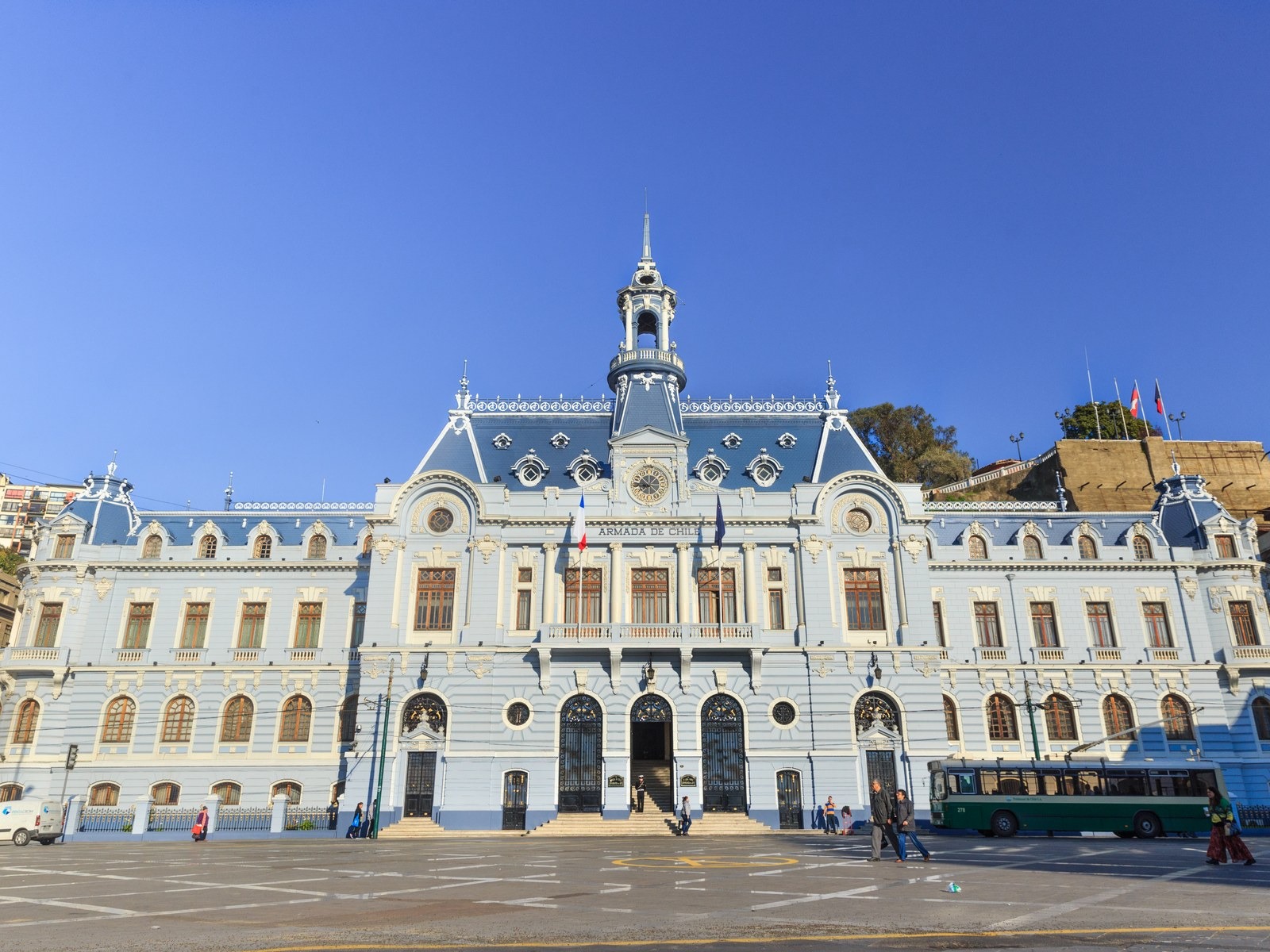
Located in the city’s flat downtown area, Plaza Sotomayor is Valparaíso’s main civic center. Here you’ll find the Monument to the Heroes of Iquique, where the remains of Arturo Prat—one of the country’s naval heroes—rest, alongside the historic Chilean Navy Building.
Just a 3-minute walk away is Muelle Prat, where you can hop on boat rides around the bay.
- Admission is free.
What to Do in Viña del Mar?
Now it’s time for a change of scenery as we head to Viña del Mar, known as the Garden City. Its parks, seaside promenades, beaches, and architecture make it a wonderful destination for a stroll, exploring green spaces, and enjoying the coast.
5. Quinta Vergara: gardens and culture in the heart of the city
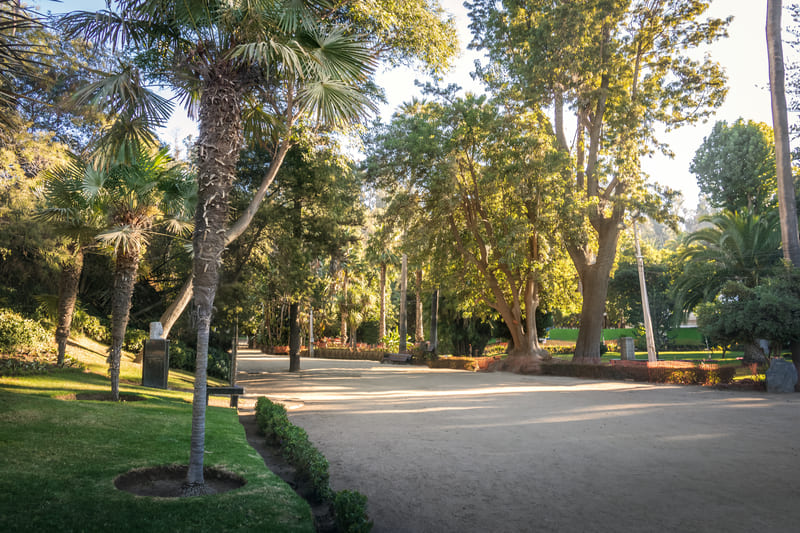
Quinta Vergara is home to several gardens with native and exotic species, which you can explore on your way to Vergara Palace, home to the city’s Fine Arts Museum.
The park is also home to the famous Quinta Vergara Amphitheater, the stage for the Viña del Mar International Song Festival, which every February brings together renowned Chilean and international artists.
- Admission is free.
6. Flower Clock: Viña del Mar’s classic postcard
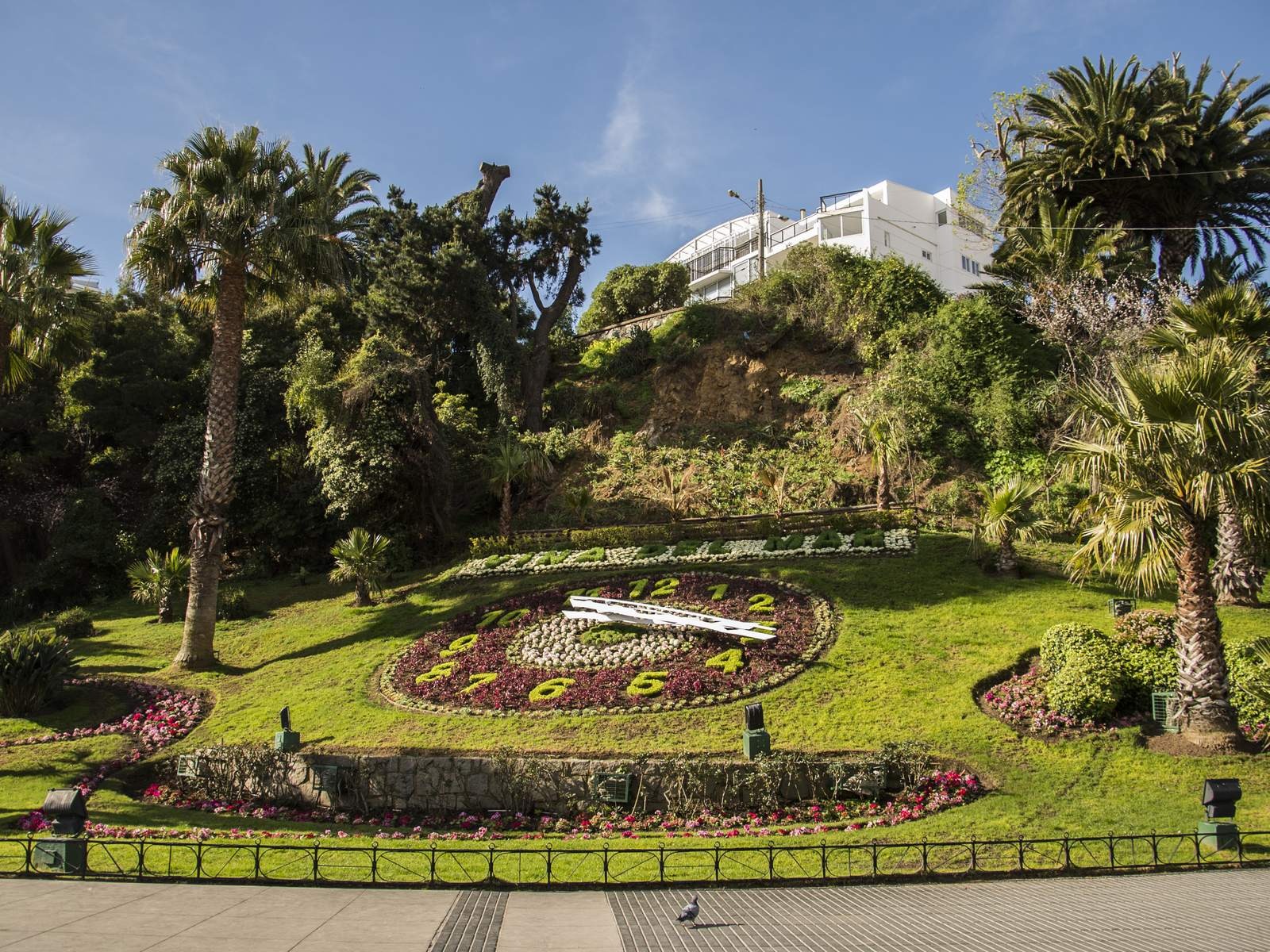
The Flower Clock is one of Viña del Mar’s most recognizable symbols. Its colorful face, made up of different flower species, has become one of the city’s most photographed sights.
The clock was acquired by Viña del Mar in 1962 for the FIFA World Cup, when the city was one of the host venues. Its location also makes it a great starting point for exploring the coast.
- Admission is free.
7. Waterfront Promenade and Wulff Castle: facing the Pacific
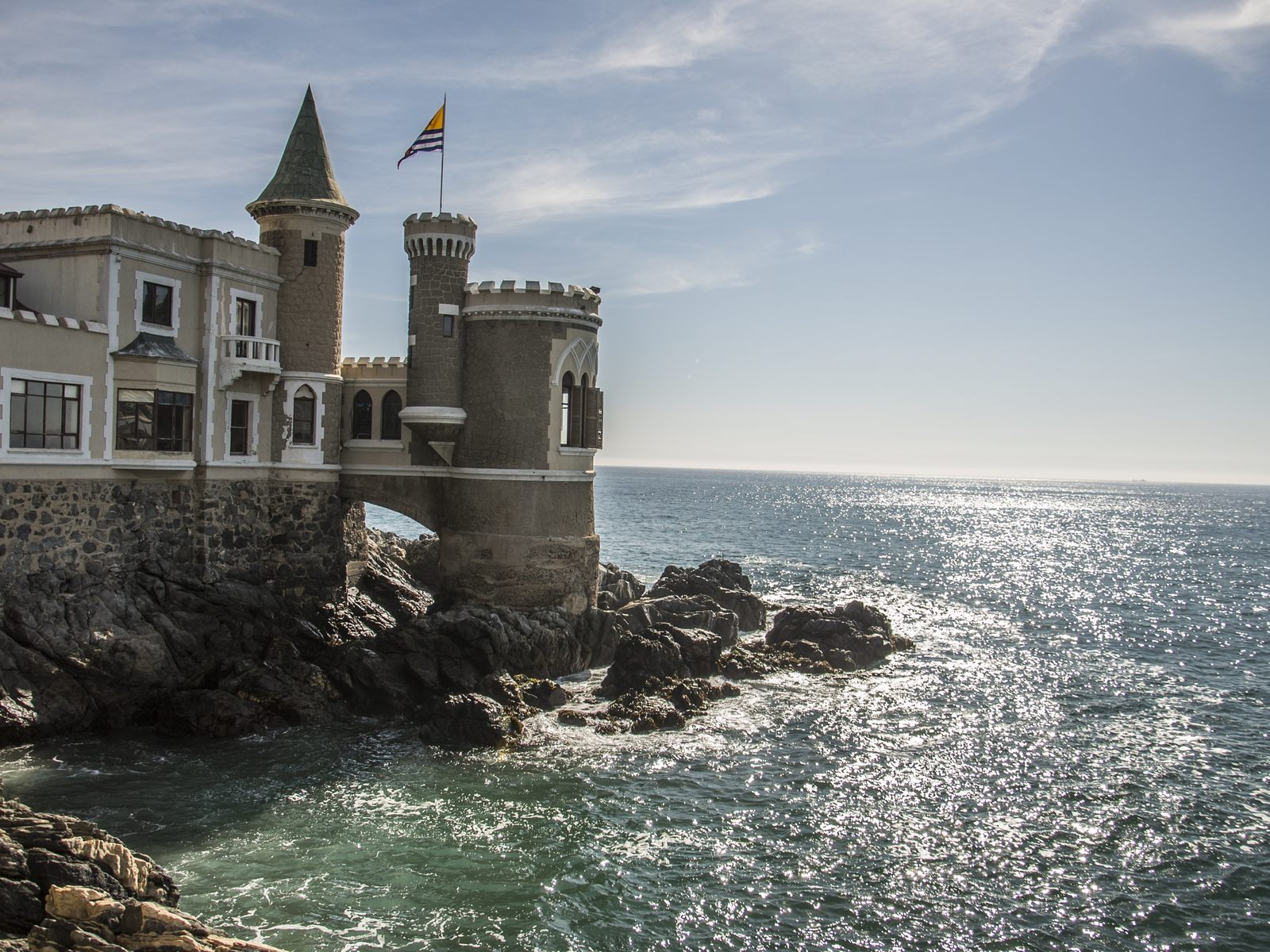
The Viña del Mar waterfront lets you walk alongside the Pacific Ocean and discover part of the city’s food scene. Start at the Flower Clock and follow the coastal avenue toward Caleta Abarca and Miramar, where you’ll find restaurants, cafés, and spots to sample local flavors.
Here you’ll pass Wulff Castle, built in 1906 and inspired by European architecture. Perched on the rocks, it stands out for its towers and terraces. The castle also hosts cultural exhibitions, and it’s especially beautiful at sunset.
- Admission is free.