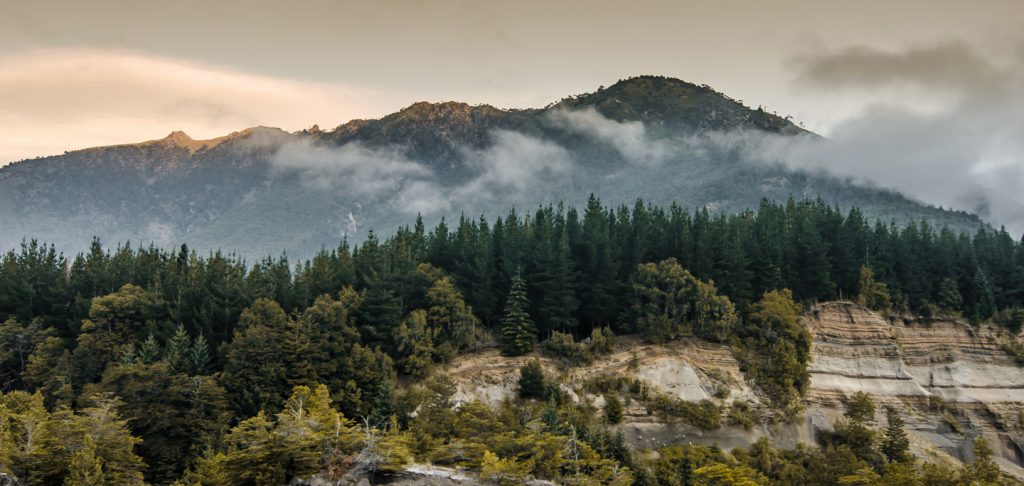
If you’re looking for a different getaway, Agua Negra Pass takes you from the San Juan foothills to the valleys of the Coquimbo Region in a single day’s drive.
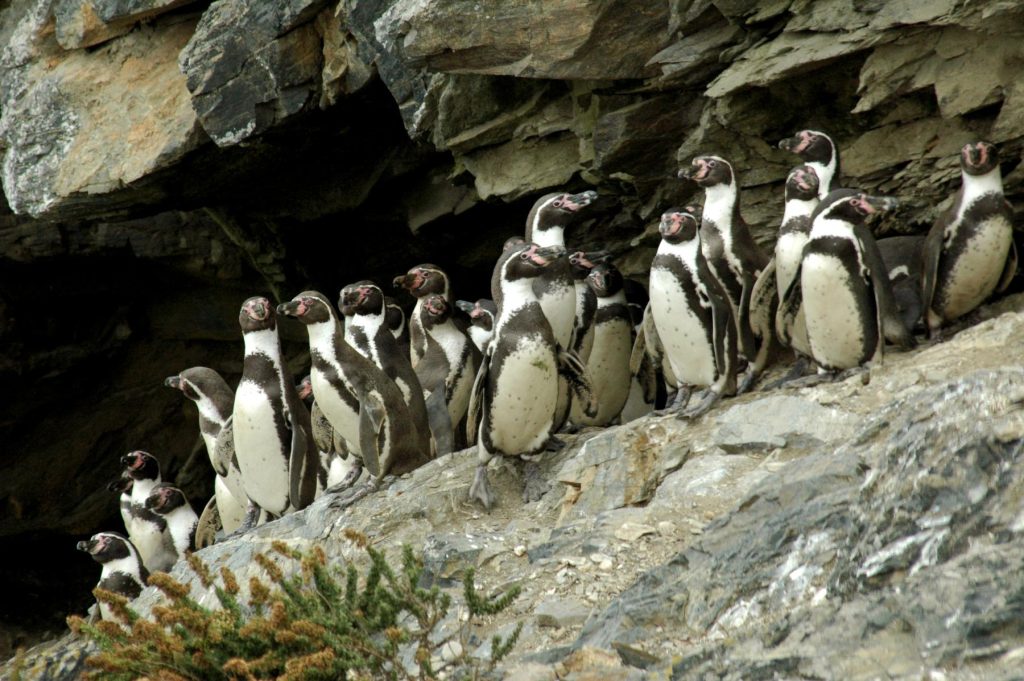
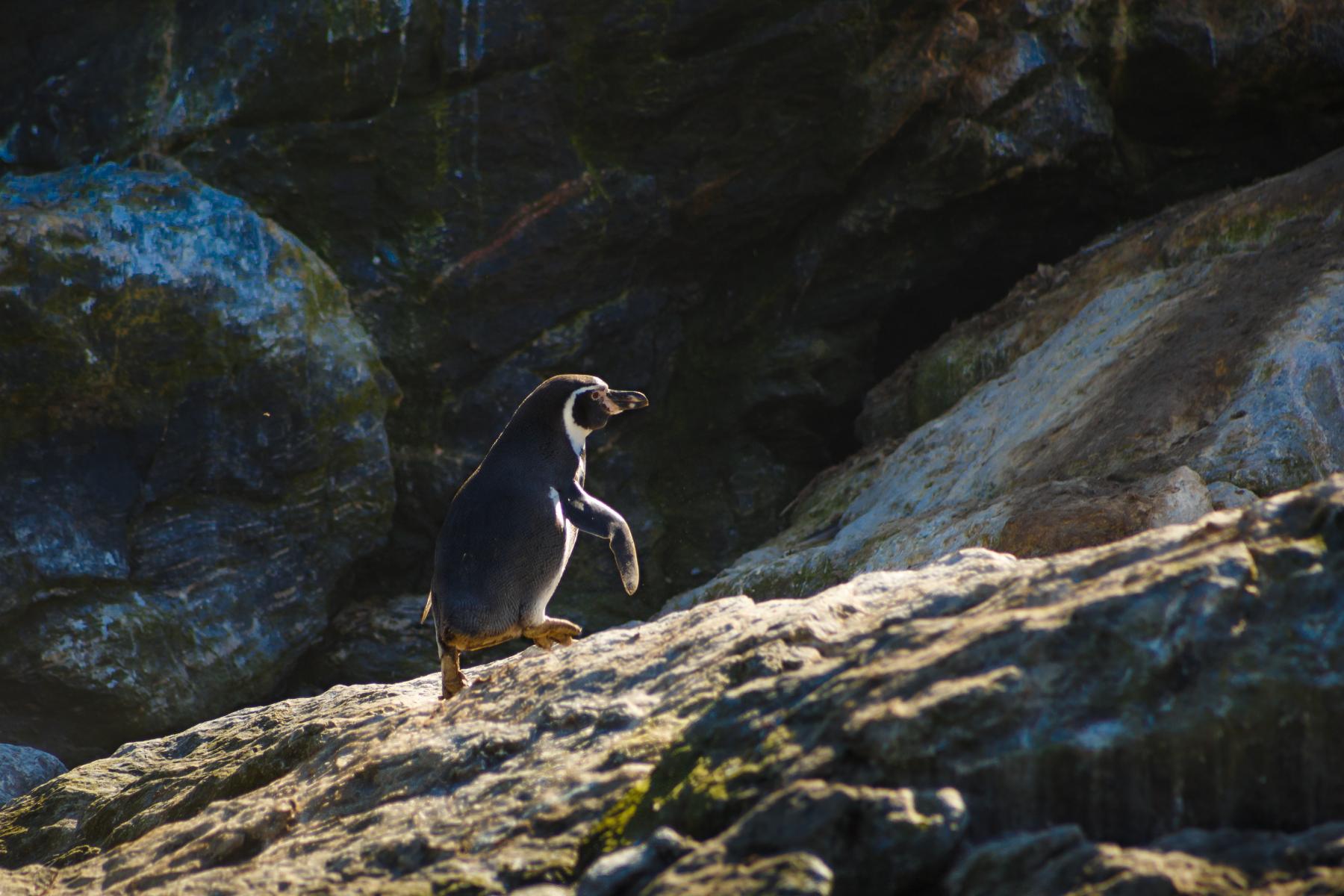
Crossing into Chile by car through this high mountain pass, at over 4,700 meters (15,420 feet) above sea level, is part of the adventure: mountain landscapes, adobe villages, vineyards, starry skies, and, at the end of the road, the sea with Humboldt penguins. This guide follows the route in the order you’ll experience it, traversing the Elqui Valley until you reach the coast.
Before Crossing Agua Negra Pass
The pass is usually open during the summer season and may close due to snow or wind, so check the road conditions on the same day. Bring your ID or passport, vehicle documentation, and, if applicable, authorization for minors.
Fill up your tank in the last town and leave early. Due to the altitude, drive slowly, drink water, and avoid strenuous activity upon reaching the summit.
Elqui Valley: Vineyards, Pisco, and Clear Skies
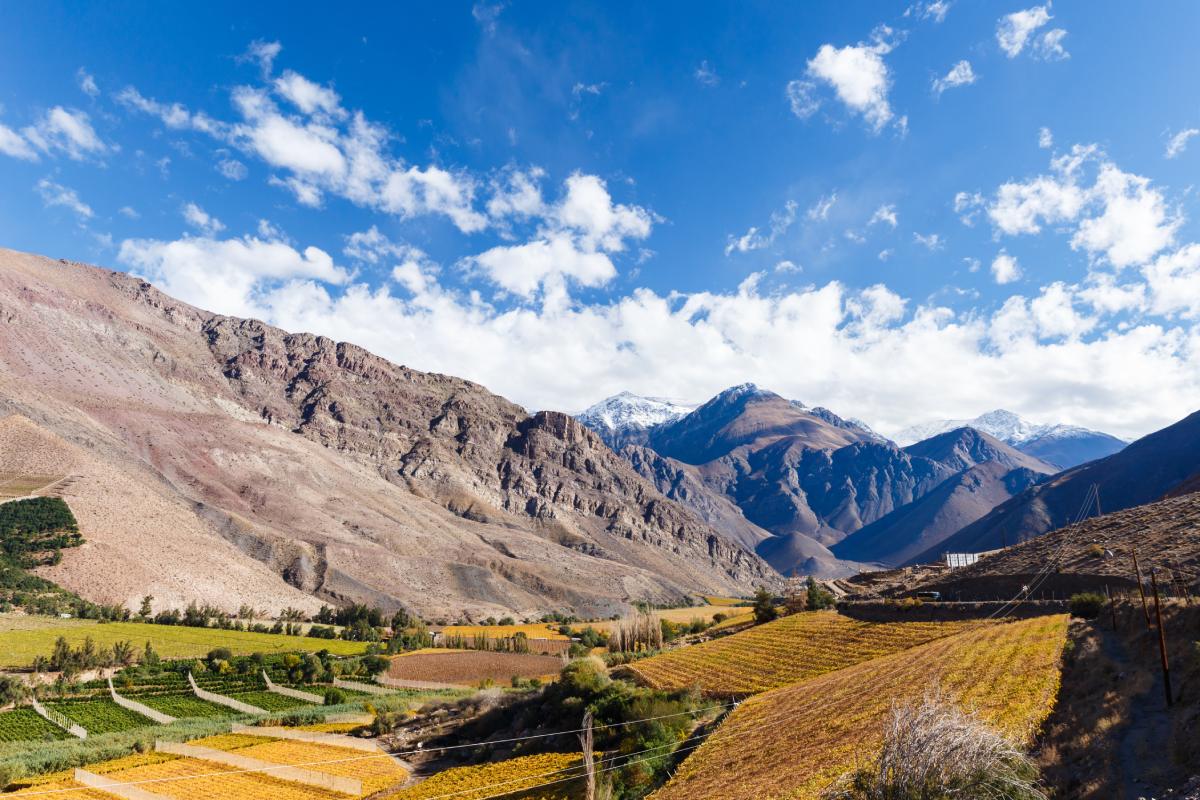
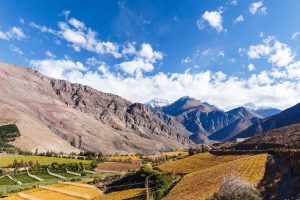
Descending from the mountains, the road leads you to the Elqui Valley, a green strip between arid hills. Driving through it is an experience in itself: picturesque villages, pisco distilleries, vineyards, and viewpoints. You can visit wineries, try regional products like papaya and fig jam, and stay overnight to gaze at the stars. It’s an ideal destination to take your time, stopping wherever something catches your eye.
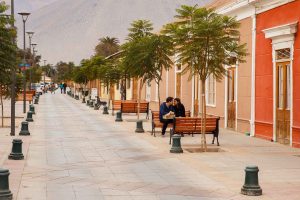
Paihuano is a commune in the heart of the valley, including towns like Pisco Elqui and Montegrande. Its quiet streets, plazas, and traditional pisco distilleries make it a must-stop. You can take guided tours, taste pisco, and browse local crafts. The relaxed pace and mountain setting make it an ideal place to disconnect and spend at least one night.
From the Paihuano area, a gravel road leads into the Cochiguaz Valley, a narrow gorge with farms, cabins, and rural hamlets along the river. It’s a place for walking, eating garden-fresh produce, and enjoying the silence among the hills. If you want to add another nearby stop, Horcón is a small valley town known for its tranquil atmosphere and handicrafts.
Vicuña: Birthplace of Gabriela Mistral and Capital of Astrotourism
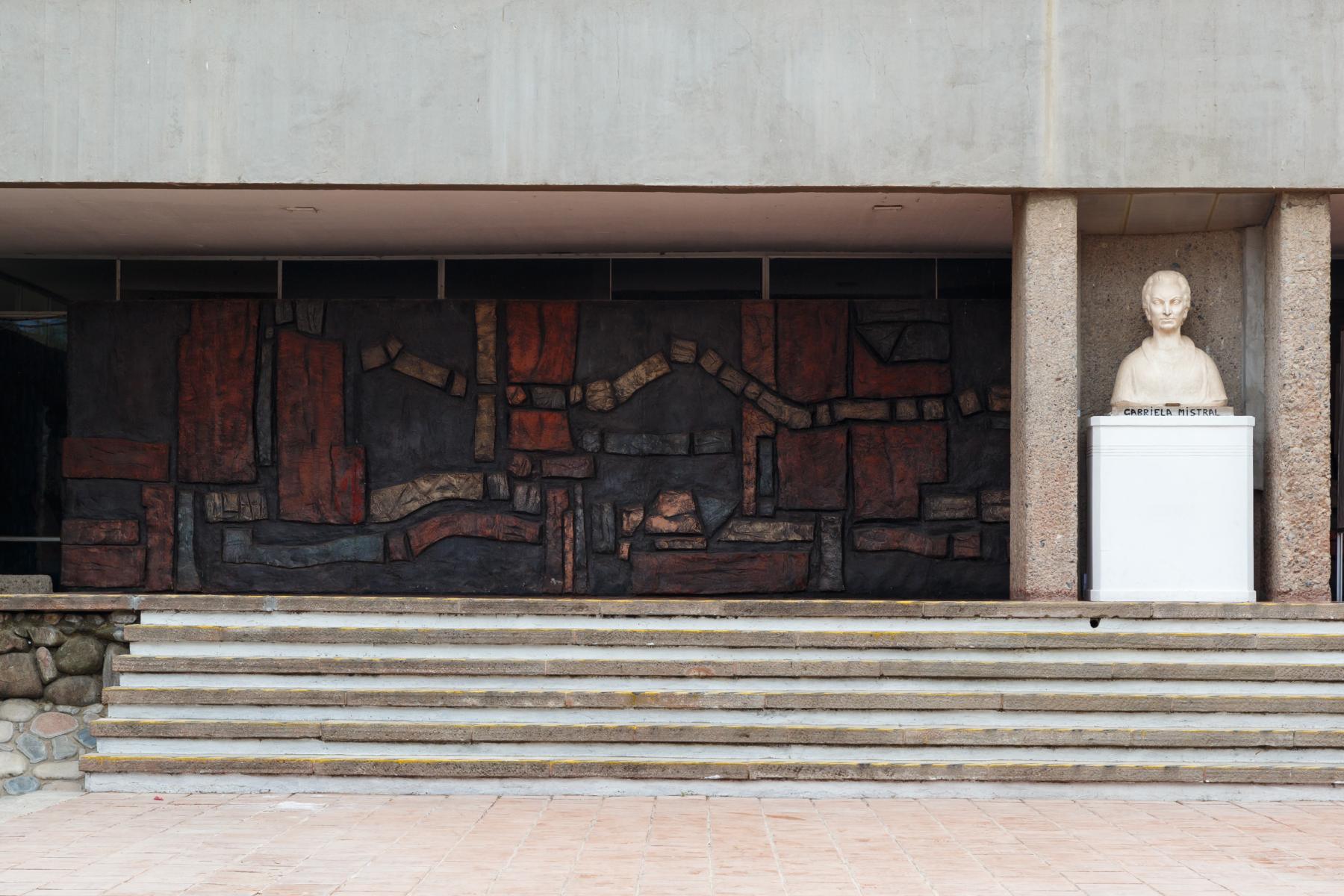
Continuing down the valley, you’ll reach Vicuña, the main town of Elqui. It has a plaza, cafes, and gastronomic offerings with local products, ideal for a break and stocking up. It is also the birthplace of Gabriela Mistral, Nobel Prize in Literature winner, and features a museum dedicated to her life. Additionally, it’s an excellent starting point for astrotourism under one of the clearest skies on the planet.
Just minutes from Vicuña and heading towards the coast, you’ll arrive at the Puclaro Reservoir: a large body of water nestled among dry hills. It’s a good stop to stretch your legs, take photos, and enjoy activities like kayaking, boat rides, or picnics, depending on the season.
Coquimbo Coast: Beaches and Penguins
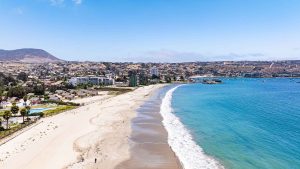
Upon reaching the coast, you’ll be greeted by the paradisiacal beaches of the Coquimbo Region. One of the most famous is Totoralillo, which boasts clear sand and turquoise waters, perfect for walking, relaxing, and enjoying a sunset. The resort offers various accommodation and dining options, with fresh fish and seafood.
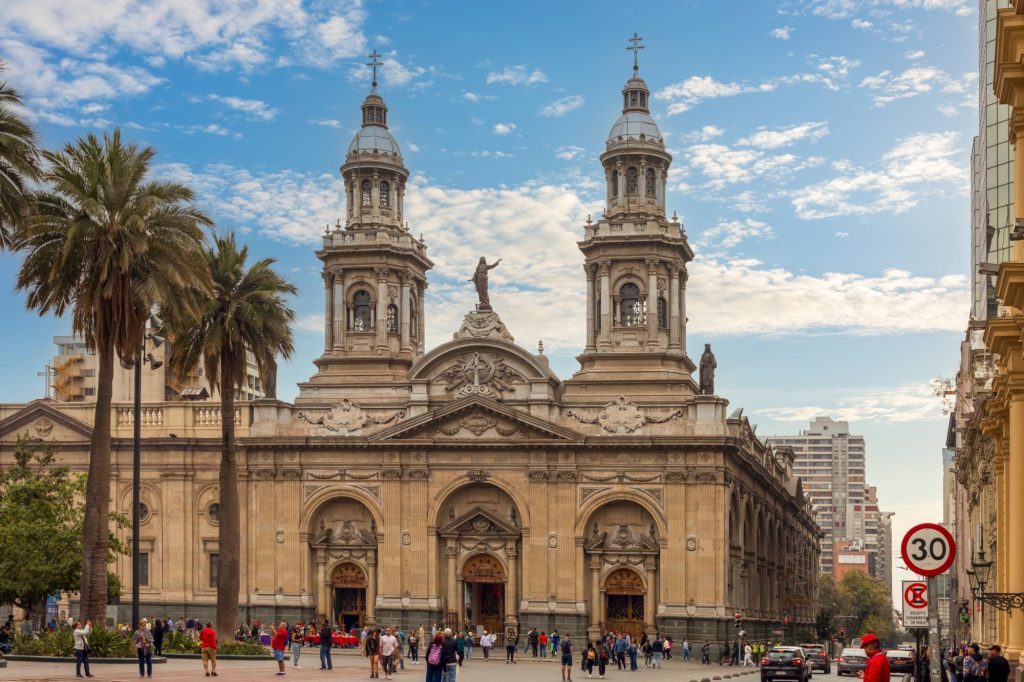
Continuing north, you’ll reach La Serena, a city that combines shopping, history, and the sea. You can explore its heritage center, with colonial churches and the Plaza de Armas, shop at the Mall Plaza La Serena or the La Recova market, and end the day at El Faro beach and Avenida del Mar.
This is how you’ll reach Punta de Choros. From there, you can sail to Damas Island, part of the Humboldt Penguin National Reserve, where you can spot penguins, sea lions, and, with luck, dolphins.