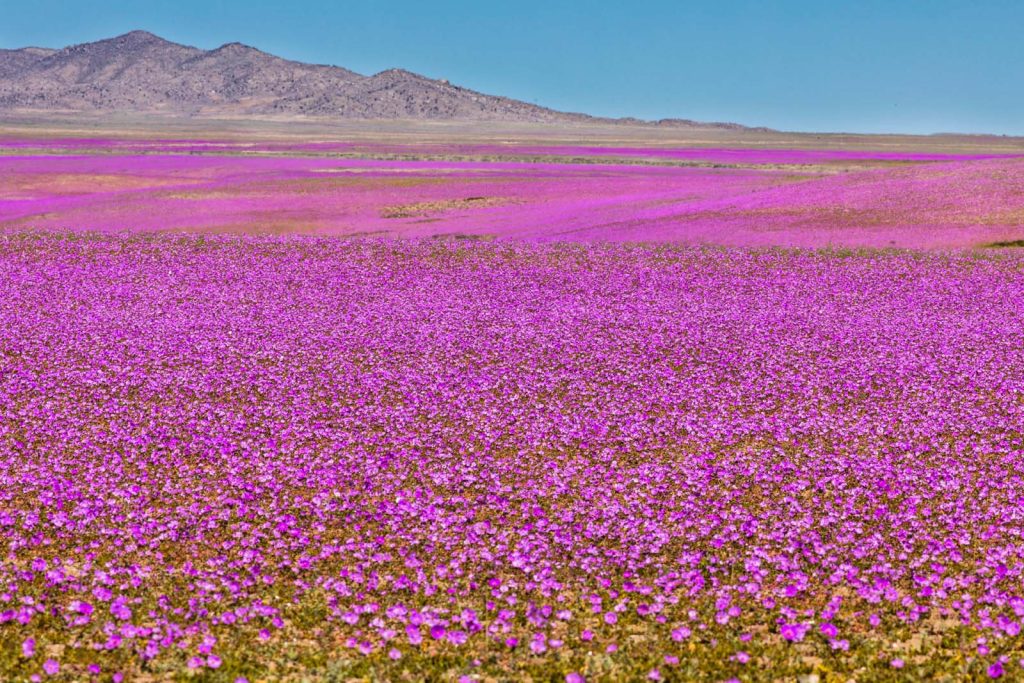
Behind the dazzling visual spectacle that blankets the arid soil of northern Chile in flowers, known as the Flowering Desert, there exists a silent nocturnal army of mammals working to keep this unique ecosystem alive.
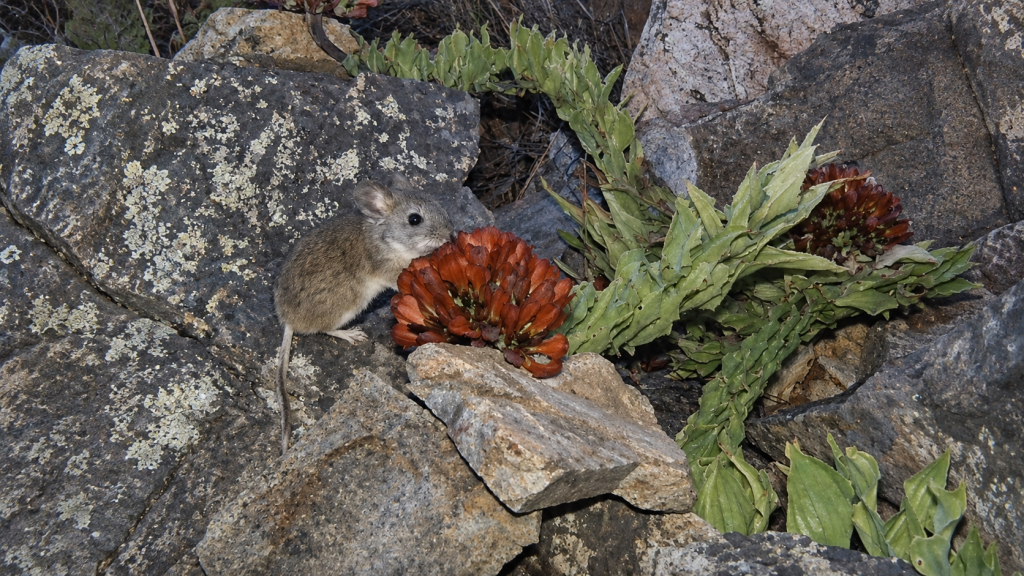
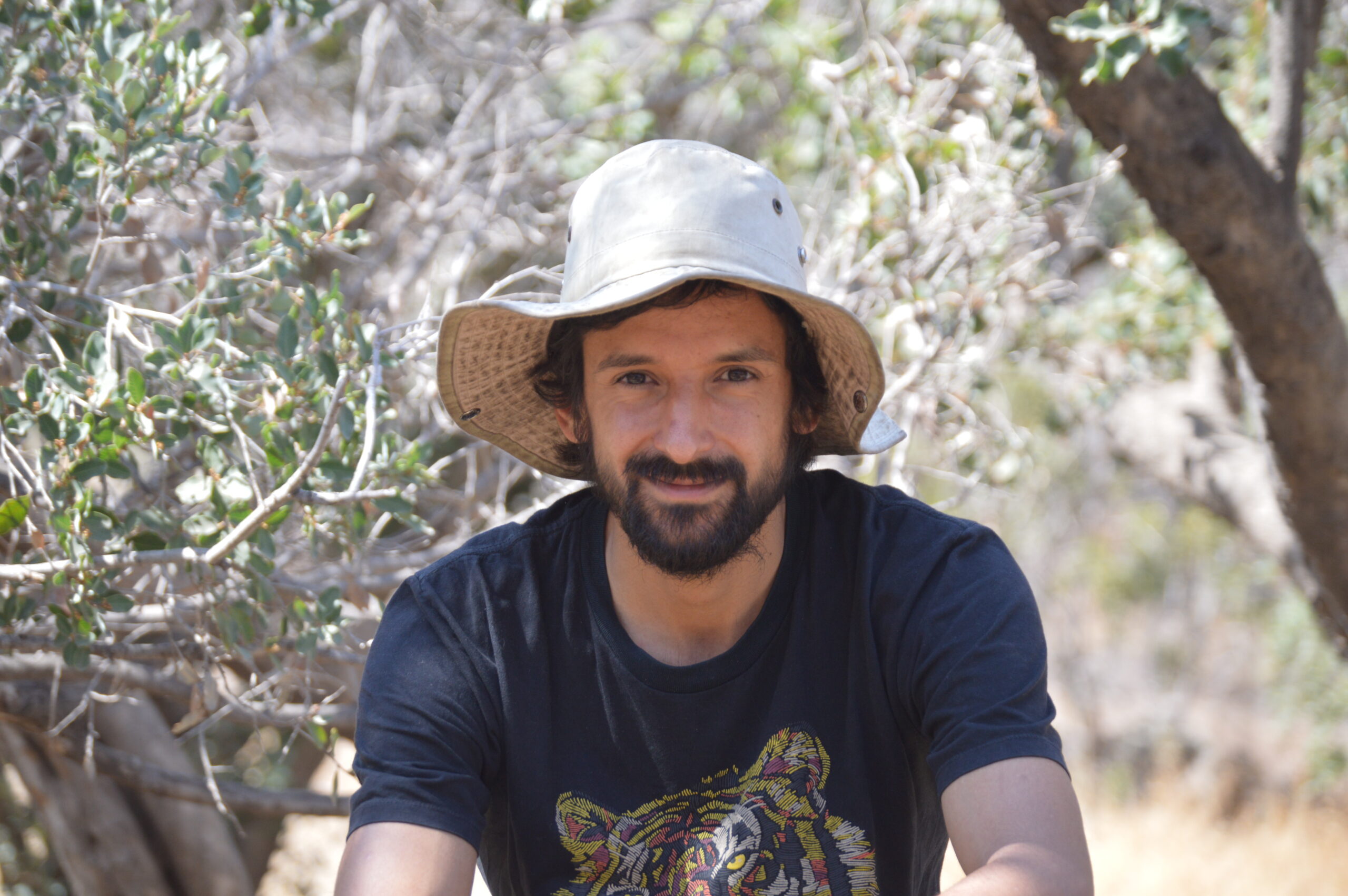
An unprecedented study revealed by independent photographer and researcher Bernardo Segura, alongside scientist Jaime Martínez (INIA) in conversation with Chile es Tuyo, has recorded for the first time in Chile mammals such as rodents, marsupials, and foxes playing a key role in the pollination of emblematic flowers of the Flowering Desert, such as the lion’s claw (Bomarea ovallei).
Mammals are pollinating the Flowering Desert
When visitors explore the Flowering Desert during the day, they usually observe bees, butterflies, and hummingbirds. However, the real action for several native species occurs in the dark.
Armed with camera traps and an ecological hunch, Segura decided to monitor the lion’s claw, an emblematic creeping flower and endangered species that lives solely in the coastal strip of the Atacama Region.
The results were immediate: the cameras captured the exact moment when small animals insert their snouts into the flowers to feed on nectar, transporting pollen from one plant to another.
“It blew my mind that this wasn’t known before. That animals like mice or marsupials are pollinating such an emblematic flower is something that had never been recorded in Chile,” highlights Bernardo Segura.
The unusual pollinators of the night
The study, which is being prepared for publication in a specialized scientific journal, has identified various protagonists of this ecological process:
- Darwin’s leaf-eared mouse and Olivaceous field mouse: Small native rodents with a leading role in the constant visits to the lion’s claw flowers.
- The Yaca: An endemic marsupial that lives exclusively in Chile and joins the list of mammalian pollinators.
- Birds and reptiles: Northern hummingbirds, sierra finches, and even reptiles that actively interact with the desert flora.
The finding has already extended to other plant species, such as the Caiophora coronata (mountain nettle) in the high Andes, demonstrating that pollination by mammals is a phenomenon far more widespread in the country than previously believed.
A post shared by Chile es Tuyo | Tourism in Chile 🇨🇱 (@chile_estuyo)
A call to protect a historic phenomenon
The 2026 Flowering Desert is shaping up to be a historic event thanks to the rainfall caused by the El Niño phenomenon, with blooms that could extend until the end of the year.
Given this scenario, researchers make a fervent call to visitors to care for this fragile ecosystem: do not pick rare species like the lion’s claw and maintain respect for the native fauna that guarantees the continuity of this natural spectacle.
Check out the full interview by clicking here.