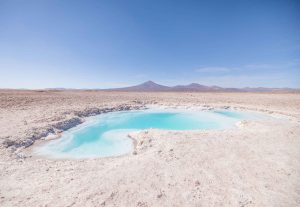
It feels like another planet. Salar de Gorbea is one of the most breathtaking landscapes in northern Chile, a remote and extreme place that amazes everyone who visits.
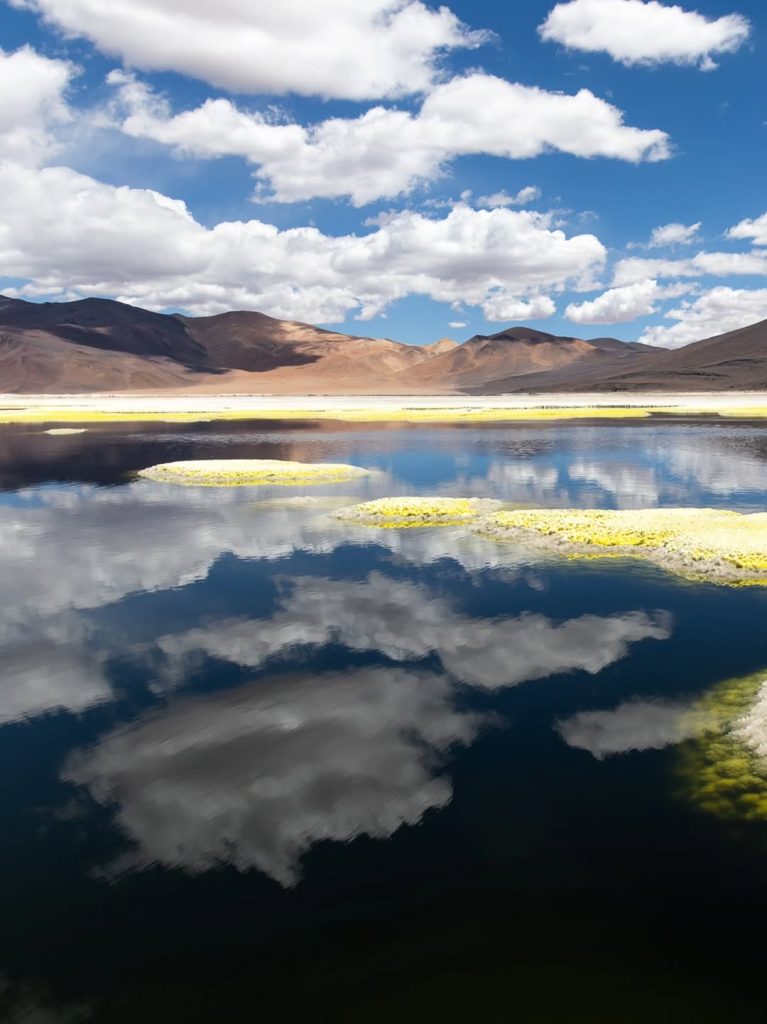
Here, you can truly disconnect: it’s just you and the desert’s absolute silence. Located at around 3,950 meters above sea level in the mountains of the Atacama Region, this salt flat is a sanctuary of green, yellow, and turquoise lagoons and reddish mountains, offering one of Chile’s purest nature experiences.
Photo: @julien.filippeddu
Why does Salar de Gorbea have such intense colors?
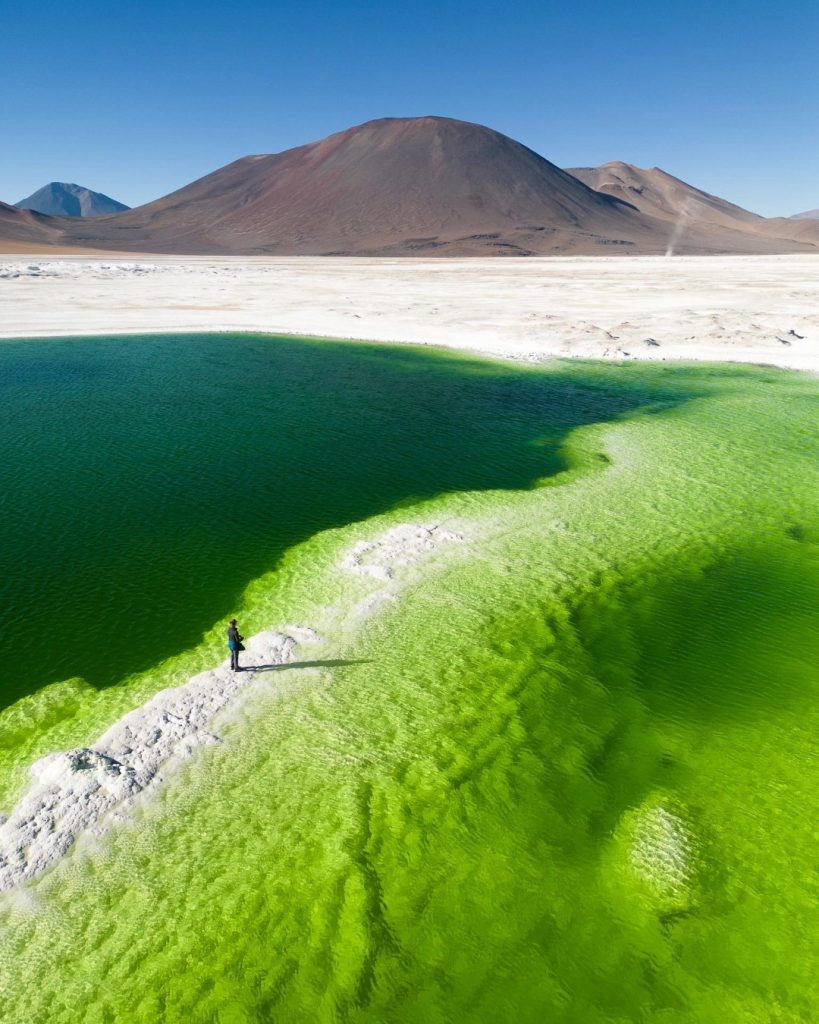
One of Salar de Gorbea’s most striking features is its multicolored lagoons. Far from being a simple visual effect, these unique hues have a scientific explanation linked to the soil composition and volcanic activity.
The intensity of its colors is due to a combination of:
- Presence of minerals: Iron, magnesium, and mainly sulfur.
- High concentration of salts: Which act like mirrors in sunlight.
- Extremophile microorganisms: Microscopic life capable of surviving in extreme environmental conditions.
- Radiation and evaporation: Processes that concentrate sediments and intensify the hues.
How do you get to Salar de Gorbea?
Salar de Gorbea is located in the Puna de Atacama area. The starting point for the expedition is usually the town of Diego de Almagro, about 150 kilometers north of Copiapó, the capital of the Atacama Region.
It is essential to travel with tourism services registered with Sernatur, as they have the necessary knowledge and logistics to reach this high-altitude destination.
The best time to visit is between September and March, when the weather is more stable and the lagoons show their most intense colors.
For a safe visit, keep the following in mind:
- Desde Santiago el viaje inicia con un vuelo directo hasta el Aeródromo Desierto de Atacama, en Copiapó (1 hora y 30 minutos aproximadamente).
- Most operators offer 3- to 4-day expeditions that connect the salt flat with other highlights of the Puna de Atacama.
- Tour prices start at CLP $500,000 (approximately USD 560), depending on the operator and duration.
- Using 4×4 vehicles equipped for high-altitude conditions and mining gravel roads is strictly necessary.
Wildlife around the Gorbea Salt Flat
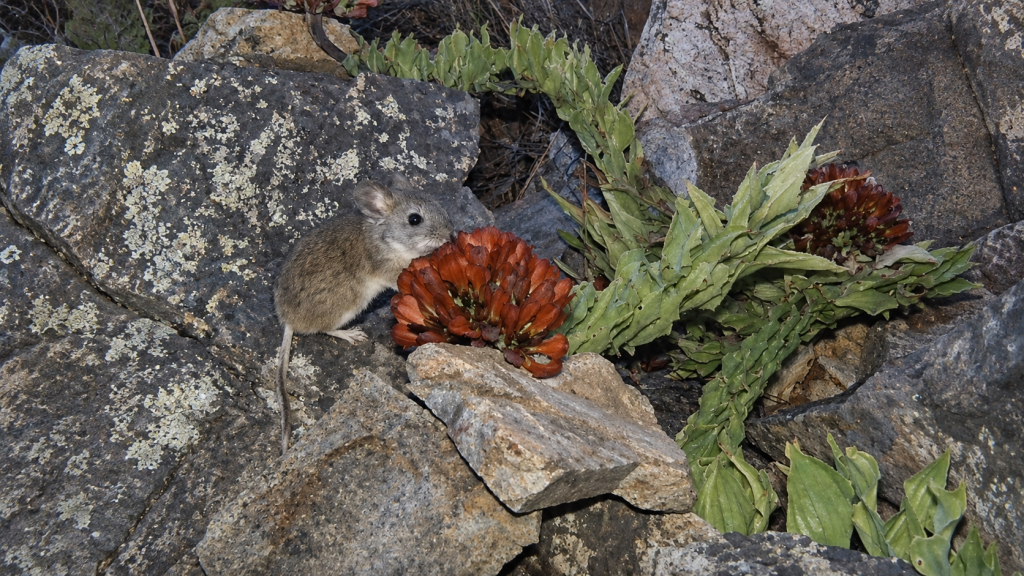
Despite the salinity and extreme altitude, this ecosystem is home to a surprising biodiversity. Around the salt flat, it is possible to see vicuñas, Baird’s sandpipers, and occasionally flamingos.
This wildlife depends on very specific conditions to survive; therefore, it is essential to maintain your distance, avoid disturbing their habitat, and refrain from making noise during your visit.
Tips to avoid altitude sickness
At around 3,950 meters above sea level, the body experiences what’s commonly known as “puna”. Altitude sickness is the body’s natural response to lower oxygen availability.
That’s why proper preparation is key to enjoying the unique landscapes of Salar de Gorbea:
- Avoid going straight up to the salt flat. Ideally, spend at least one or two nights at mid-altitude locations like El Salvador, or make gradual stops at intermediate camps. This way, your body will adapt to the altitude little by little.
- The salt flat’s climate is extremely dry. Drinking water regularly helps your blood flow better and oxygen reach your cells.
- Prioritize easy-to-digest carbohydrates and avoid heavy meals or alcohol before and during the ascent. At altitude, digestion is much slower.
- Walk slowly, breathe deeply, and avoid sudden movements.
- Using coca leaves (as an infusion or chewed) is an ancient practice that helps ease headaches and fatigue.