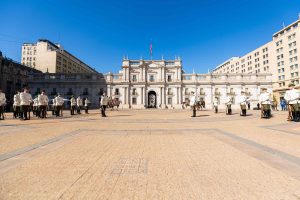
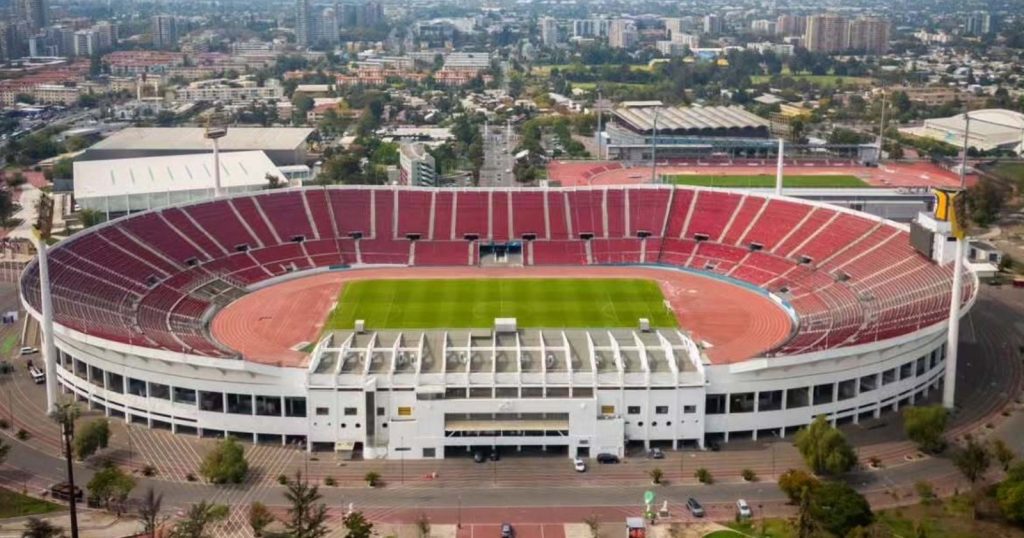
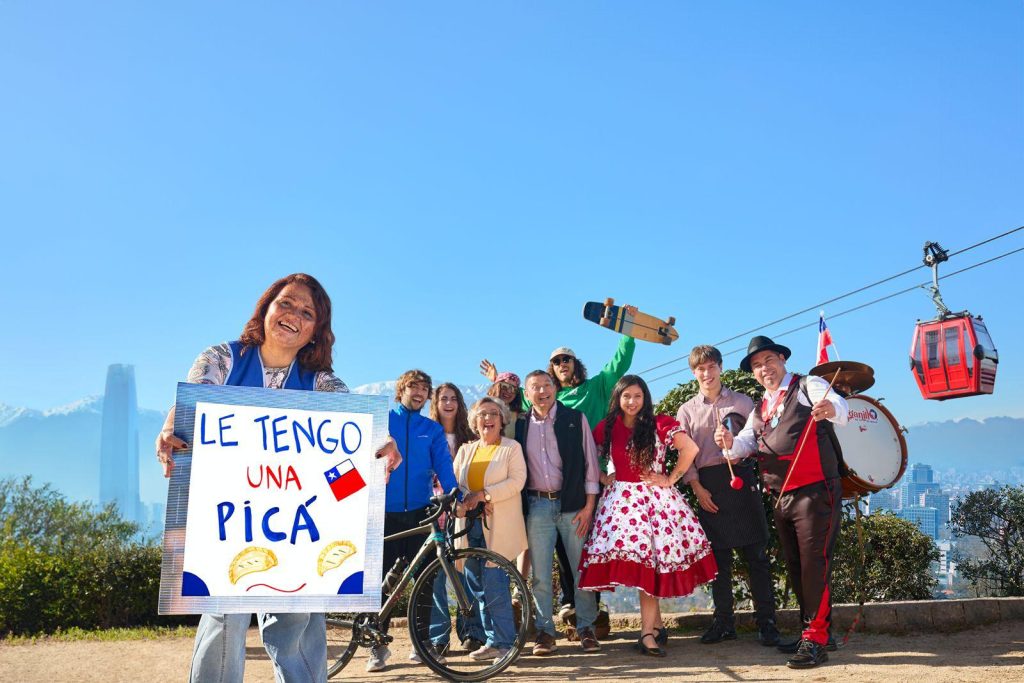
Santiago, Chile stands out for combining urban innovation, nature, and quality of life in a capital surrounded by the Andes Mountains.
Its efficient metro, electric buses, urban parks, and top-tier connectivity make it one of the most comfortable and modern cities in South America to visit.
Ideal as a gateway to Chile, Santiago lets you kick off an adventure among vibrant neighborhoods, great food, and unforgettable views. The city offers an urban experience where modern life naturally coexists with unique landscapes.
Why is Santiago the most modern city in Latin America?
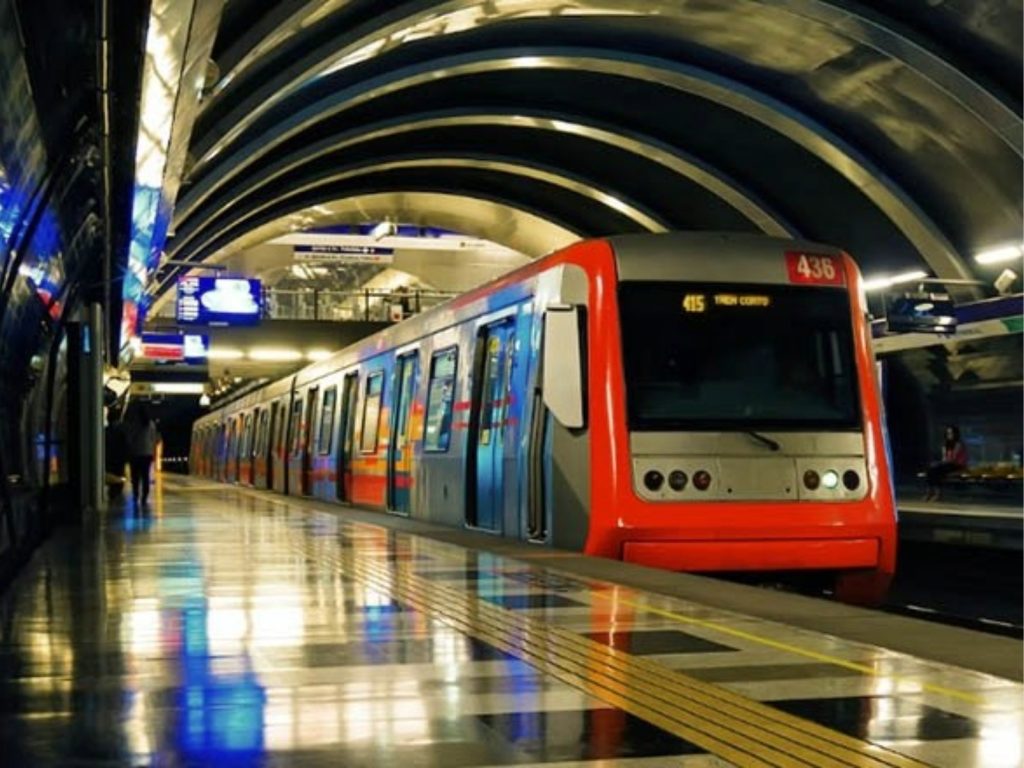
Today, Santiago has the largest electric bus fleet in the world outside China, an automated Metro system, and fiber-optic coverage that ensures high speed in almost every corner of the city.
This translates into a travel experience with digital payments, quiet mobility, and public spaces designed for well-being. In Chile’s capital, innovation is part of the traveler’s everyday experience and makes getting around the city simple, comfortable, and sustainable.
Thanks to its connectivity, in a single day you can visit historic neighborhoods, head up to a panoramic viewpoint, and walk through large green spaces. It’s ideal for a 2- or 3-day city break and an excellent first stop for those visiting South America for the first time.
How does public transport work in Santiago, Chile?
Getting around Santiago is a benchmark for efficiency. The integrated Red Movilidad system lets you combine buses and trains with a single fare.
- Contactless payment: No cash needed. You can pay with a QR code from your bank app or the Red app, and across much of the Metro network via validators with Contactless technology.
- E-mobility: Electric buses have air conditioning, USB chargers, and Wi-Fi, raising the comfort standard.
- Santiago Metro: With automated lines (Lines 3 and 6) and stations that double as cultural hubs, it’s the backbone connecting the main hotel areas of Providencia and Las Condes.
What to visit using Santiago’s modern transport
Sky Costanera: The rooftop of South America
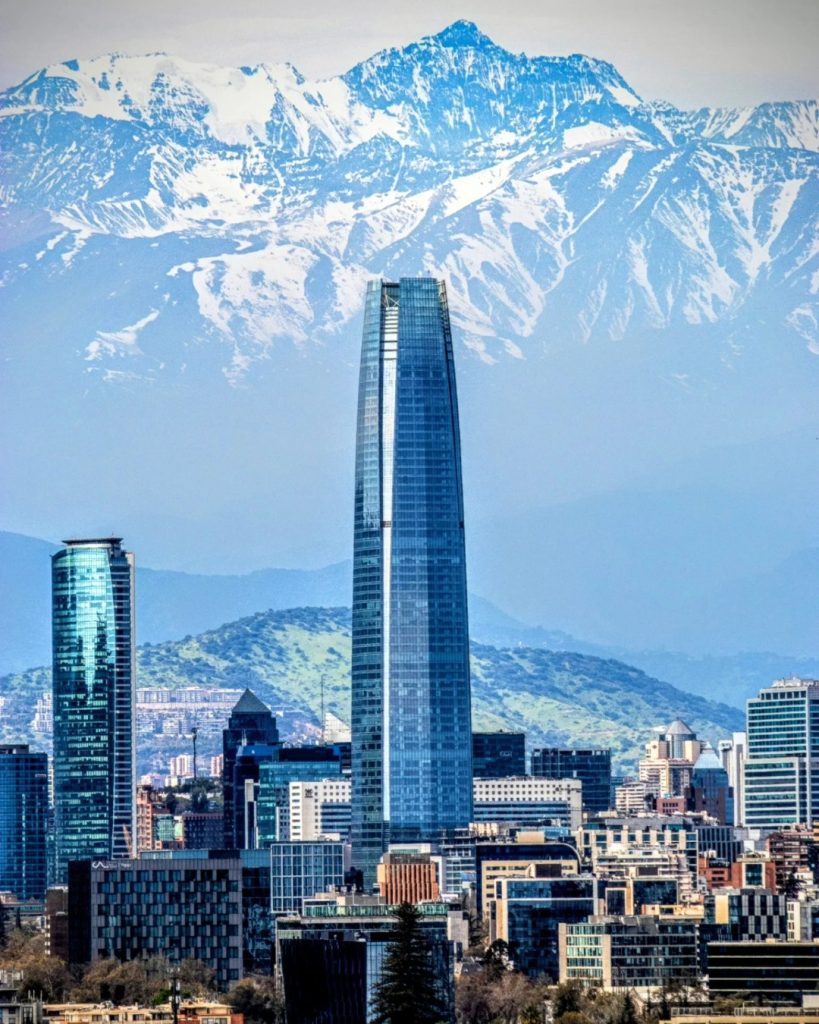
Located in Gran Torre Santiago, from its 360° panoramic viewpoint 300 meters high, you’ll experience what it’s like to be at the top of South America’s tallest skyscraper, with a privileged view of the Andes Mountains. It’s the perfect place to catch unforgettable sunsets and feel the adrenaline of having the city at your feet.
- Location: Gran Torre Santiago (Costanera Center).
- How to get there: Tobalaba Metro (Lines 1 and 4).
- Prices Adult (13+): $23,000 Chilean pesos / Child (4–12): $8,000 Chilean pesos.
- Check their official website here.
MUT (Mercado Urbano Tobalaba): Innovation and design
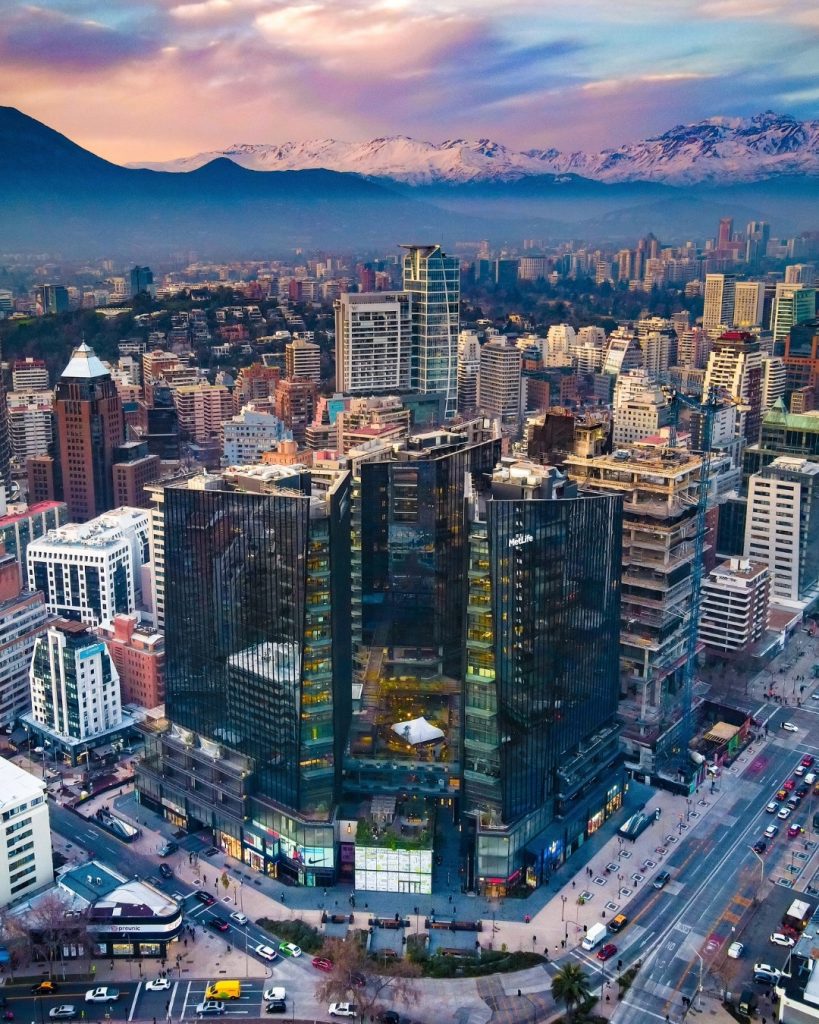
Opened in 2023 in the heart of Las Condes, MUT is Chile’s first “urban market” and a sustainability benchmark in Latin America. This innovative mixed-use hub brings together offices, culture, and gastronomy in a setting that prioritizes outdoor living and contemporary design.
It’s a leading example of clean transport, with parking for 2,000 bicycles.
- Location: Avenida Apoquindo at Encomenderos Street, Las Condes.
- How to get there: Direct access from Tobalaba Station (Line 1 and Line 4).
- Services: High-speed Wi-Fi, coworking spaces, and a diverse food offering.
- Find their official website here.
Santiago Cable Car and San Cristóbal Hill
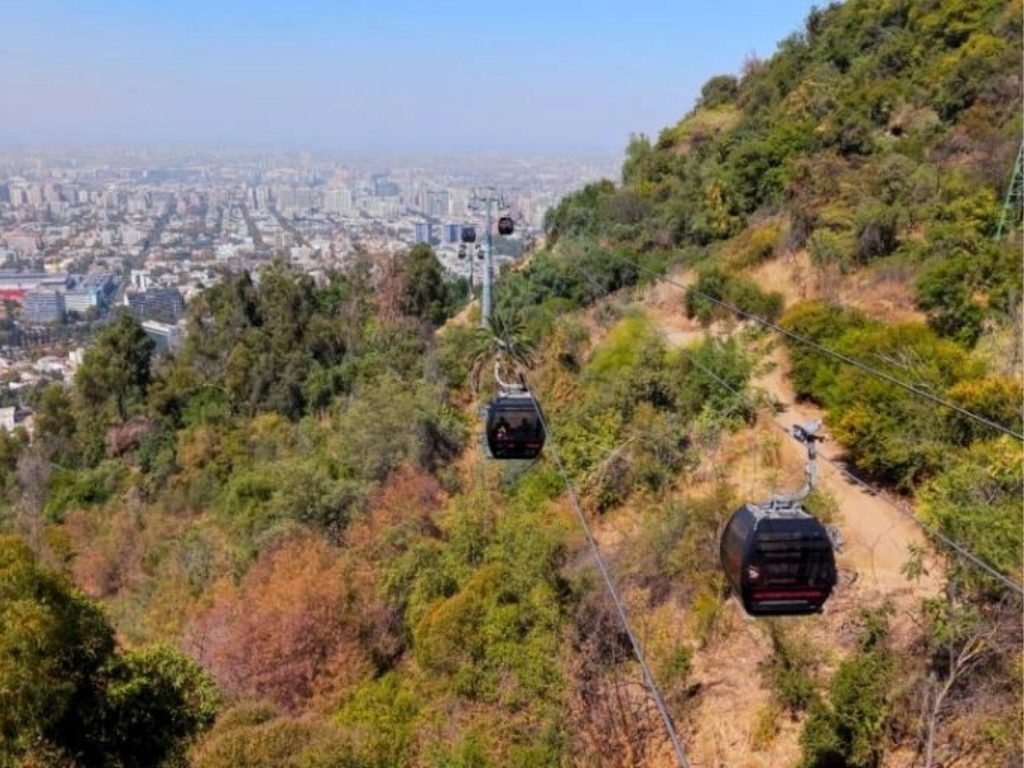
It’s one of the region’s most modern tourist transport systems, located inside Parque Metropolitano, one of the largest urban parks in the world. This aerial cabin system offers a quiet, sustainable way to cross the hill, delivering unique postcard views of skyscrapers set against the Andes Mountains.
The park has two complementary systems: the Cable Car (from the eastern side) and the historic Funicular, which climbs from the Pío Nono entrance. The latter connects key spots like the National Zoo and lets you reach the Manuel Foster Observatory area at the summit.
- Highlights: 360° panoramic city views and access to the Virgin’s summit.
- Routes: You can enter via Oasis Station (Pedro de Valdivia) to use the Cable Car, or via the Pío Nono entrance (Bellavista) if you prefer to ride up on the historic Funicular. Both services meet at the hilltop.
- Prices: Tickets start at $2,000 Chilean pesos, varying by section and day (weekday or weekend).
- Find their official website here.
Bicentenario Park: The “Sanhattan” skyline
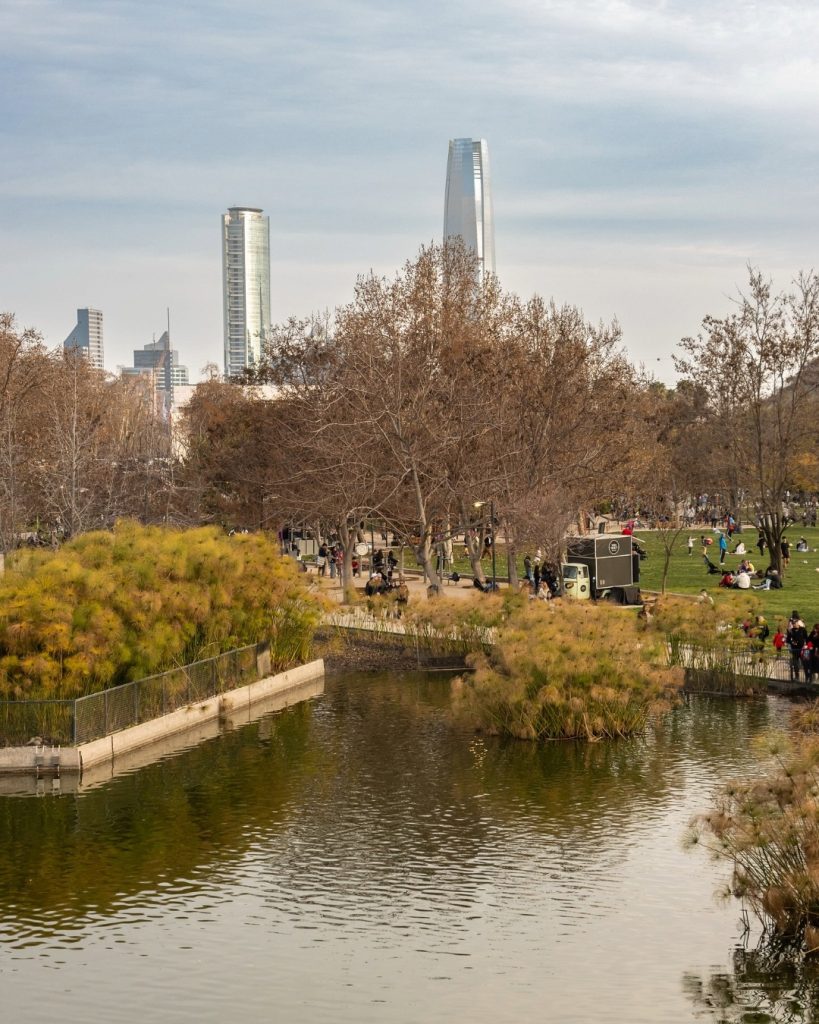
Set on the banks of the Mapocho River, this park represents the perfect balance between cutting-edge urban planning and nature. Its 27 hectares of green areas and trails, surrounded by more than 5,000 trees and wildlife such as flamingos, offer a sustainable breather right in the eastern part of the city—ideal for enjoying a picnic, cycling, or a walk.
The standout moment is at sunset, when you’ll get the best view of the “Sanhattan” skyline, Santiago’s financial district. Its modern skyscrapers light up as the sun goes down.
- Address: Avenida Bicentenario 3236, Vitacura.
- Hours: Free access (as an open park, it doesn’t have gates that close, though it’s recommended to visit between 8:00 and 21:00 to enjoy the lighting and safety).
- Entry: Free.
Can you explore Santiago by bike?
Absolutely. The capital has an extensive network of urban bike lanes connecting key neighborhoods like Providencia, Ñuñoa, Las Condes, Vitacura, and Downtown Santiago.
For travelers, it’s a great way to move between parks, cafés, urban markets, and heritage areas while enjoying the city outdoors. There are also bike and scooter rental services in different tourist areas.
Connectivity for digital nomads
If you’re traveling for business or working remotely, Santiago is the perfect place. Neighborhoods like the Historic Center, Providencia, and El Golf offer a dense network of coworking spaces and cafés with free-access 5G. They make it easy to go from a Zoom meeting to a wine tour in the Maipo Valley just 45 minutes away.
Experience the culture: Santiago’s museums and neighborhoods
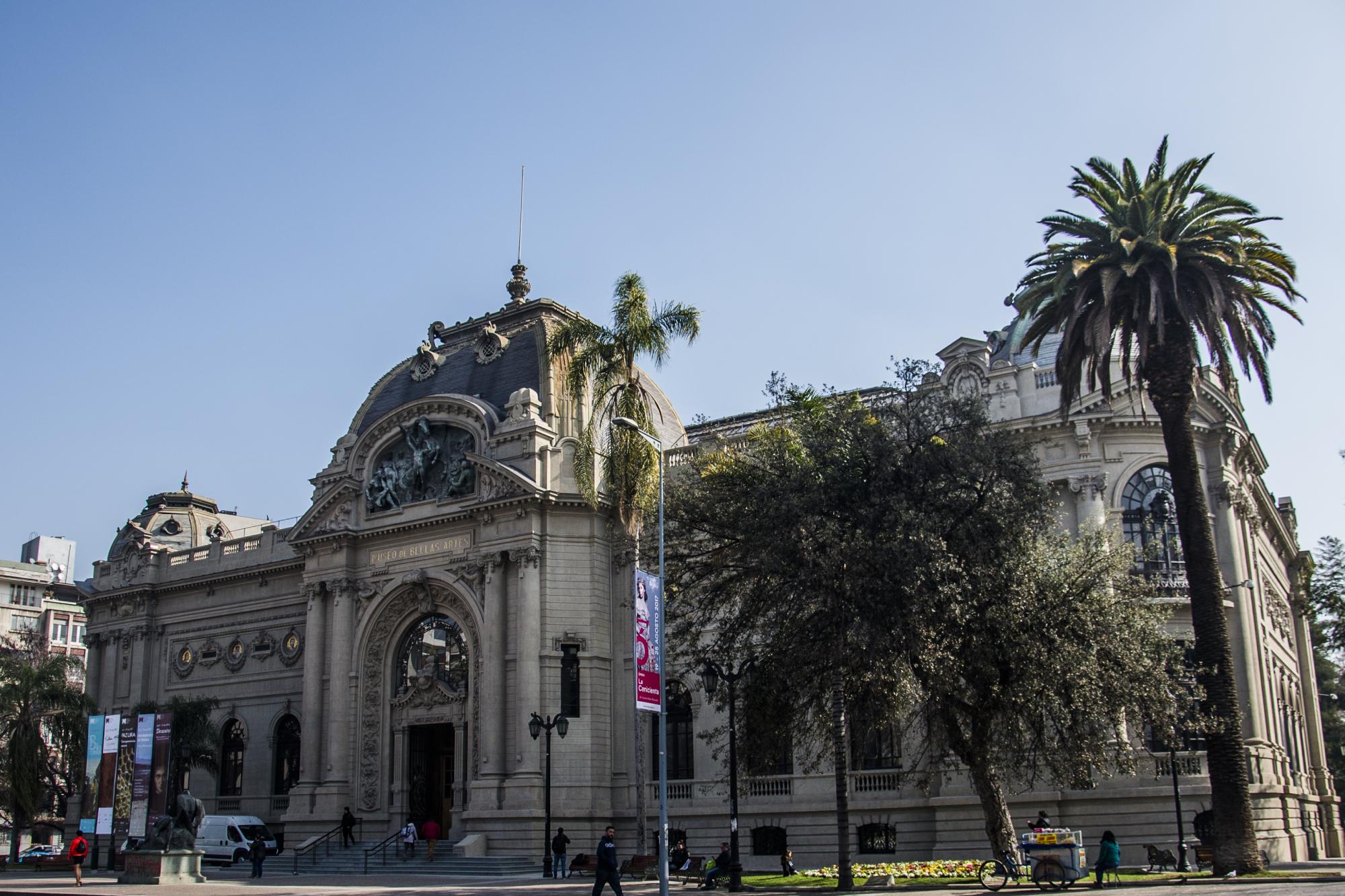
Exploring Santiago’s cultural offerings through its museums means immersing yourself in a fascinating journey through the country’s history, creativity, and heritage.
From the neoclassical elegance of the National Museum of Fine Arts and the avant-garde expressions of MAC, to the educational and interactive proposals of Artequin and the MIM, Chile’s capital offers alternatives capable of captivating travelers of all ages.
Adding to this museum richness is the vibrant charm of the most iconic neighborhoods. Walking through the architecture and intellectual bohemia of Lastarria, soaking up the nighttime atmosphere of Bellavista, or getting lost in the design workshops and gastronomy of Barrio Italia is the most genuine way to experience the daily rhythm of the capital.
To learn all the details about schedules, locations, and must-see recommendations for your visit, check out the complete guide to Cultural Santiago: its most important museums and neighborhoods.
Frequently asked questions for traveling to Santiago, Chile
- What’s the best time to visit? Spring (September–November) and autumn (March–May) offer perfect temperatures. In winter (July–August), you can be at a world-class ski resort just 60 minutes from the city center.
- Is it safe to use public transport? Yes, the Santiago Metro is known for its cleanliness and safety. As in any major metropolis, it’s recommended to keep an eye on your personal belongings during peak hours.