Why is Chile a one-of-a-kind natural refuge? The answer lies in the Andes Mountains, a wall stretching more than 4,300 kilometers that turns the country into a true biogeographic island.
The Andes act as a climate barrier, a strategic freshwater reserve, and a biodiversity sanctuary, shaping landscapes unlike anywhere else in the world.
The Andes and Chile’s privileged climate
The Andes Mountains are the big secret behind Chile’s astonishing diversity. With peaks rising above 6,000 meters, this mountain range acts as a natural “climate screen” that shapes microclimates across the country:
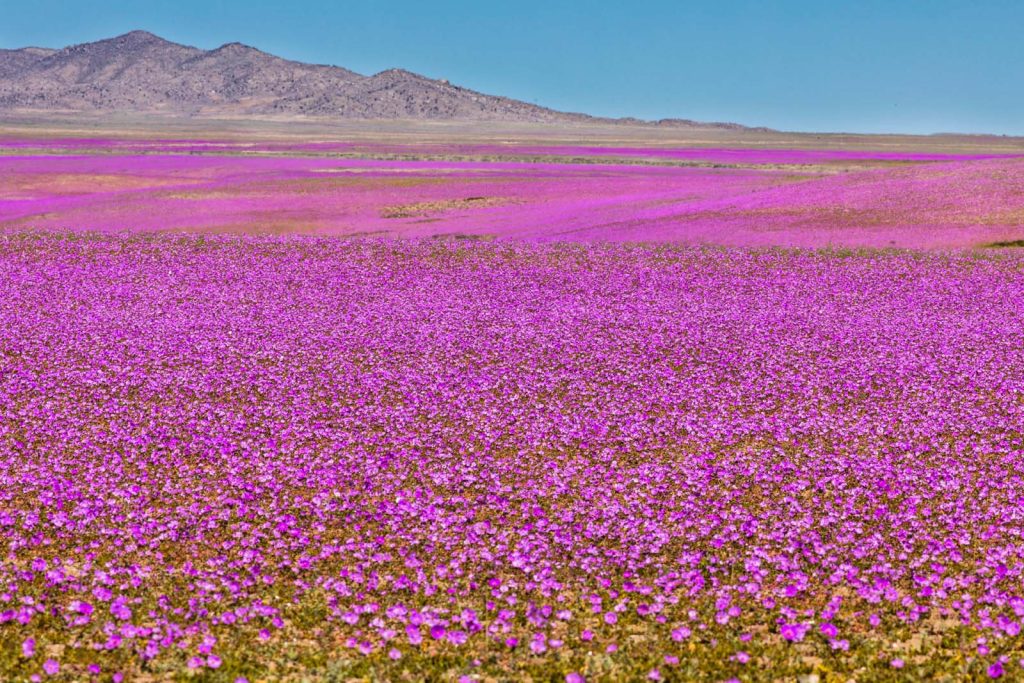
- The guardian of clear skies in the north: By blocking moisture coming from the east, the Andes make the Atacama Desert—the driest in the world—possible. This barrier ensures cloud-free skies, cementing northern Chile as the world capital of astronomy.
- A haven for viticulture in the central region: The mountains regulate temperatures in iconic valleys like Maipo and Colchagua. Here, the Andes nourish fertile soils that produce world-class wines.
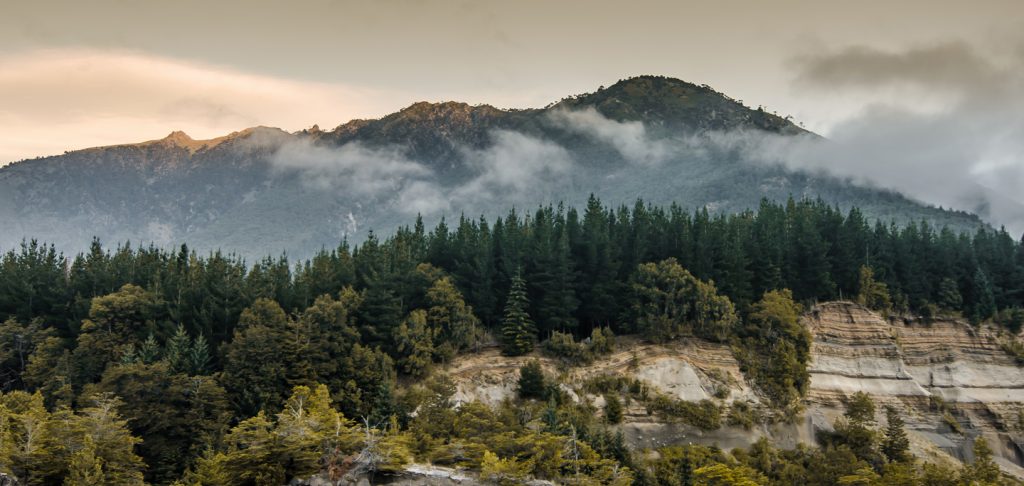
- Life in the south: The range captures Pacific moisture and turns it into the rains that feed towering glaciers and evergreen forests.
Why are the Andes the main source of freshwater?
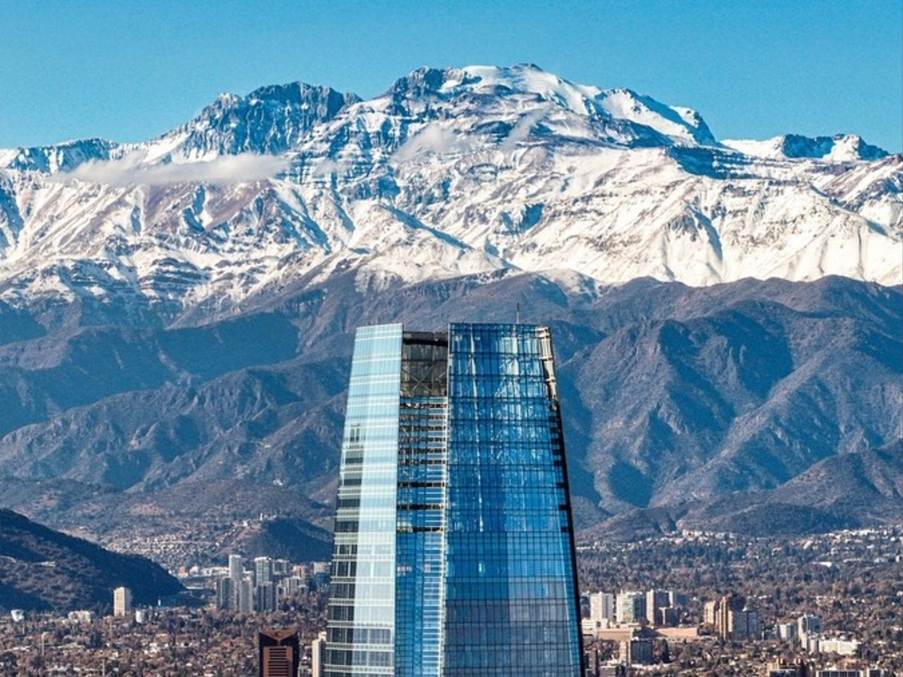
Photo: @skycostanera
The Andes Mountains are Chile’s water heart. Thanks to their impressive altitude, they provide the physical and climatic support that allows glaciers to form, supplying much of the country by storing water in winter and releasing it in summer.
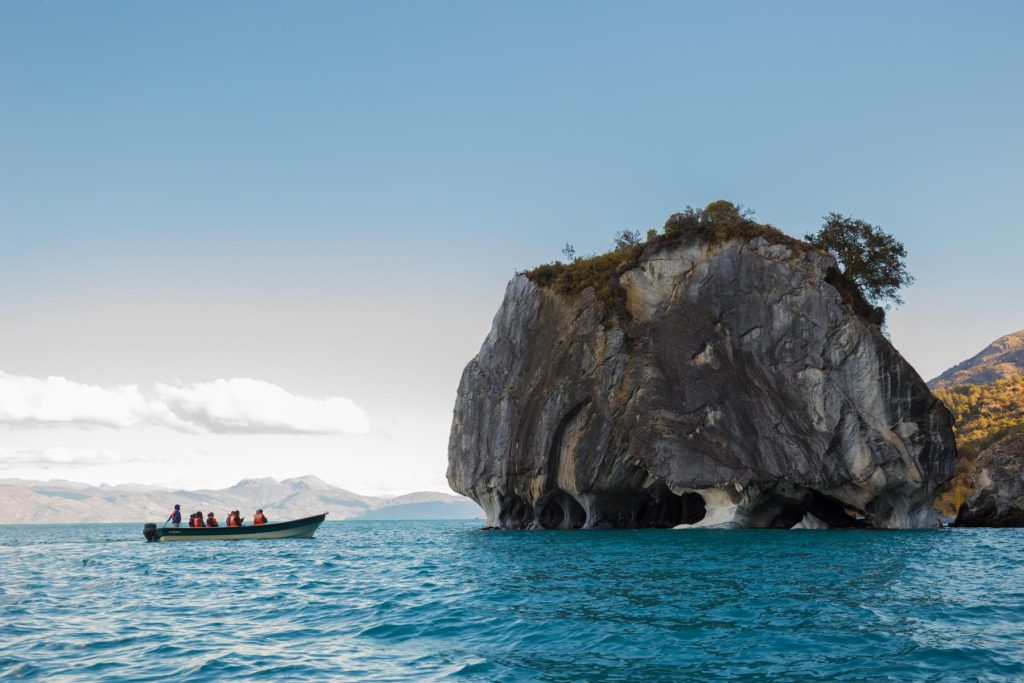
Our country holds close to 75% of the continent’s glaciers, many of which can be seen in destinations like Laguna San Rafael National Park or in the striking landscapes of the Southern Patagonian Ice Field.
These ecosystems don’t just create unforgettable postcard views—they also sustain rivers, valleys, and cities across the country.
The Andes: a biodiversity refuge.
The Andes Mountains have enabled the growth of unique biodiversity.
- Ancient flora: Nearly 50% of Chilean plants are unique. Highlights include the Araucaria araucana, or pehuén, sacred to Indigenous peoples, and the Andean larch, with specimens like the “Great Grandfather,” over 5,400 years old.
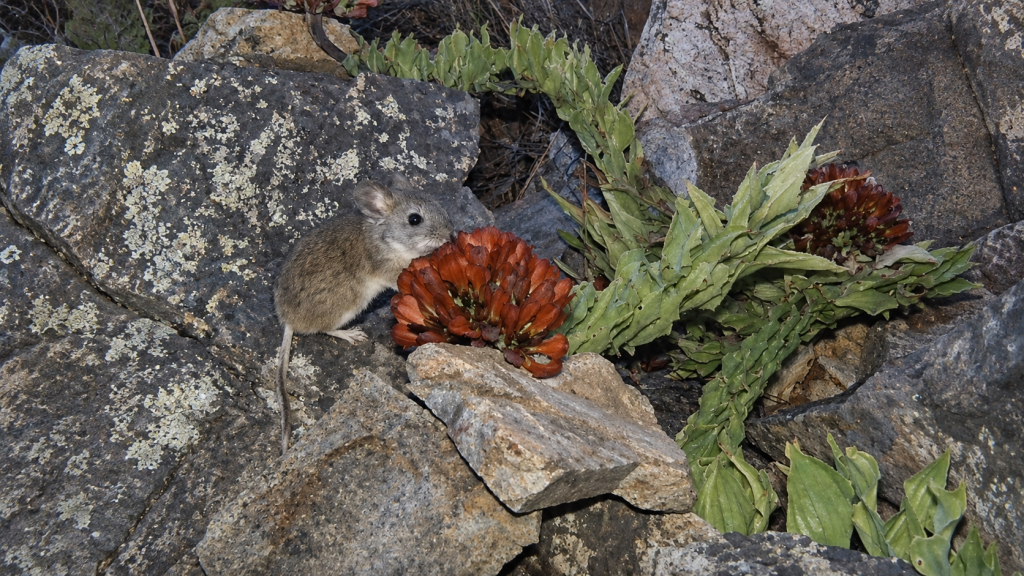
- Fauna: We’re home to species like the huemul, the Darwin’s frog, the puma, and the vizcacha, found across the rugged Andean landscape.
- It also acts as a biological filter that prevents outside diseases and pests from entering. The story of Carménère is fascinating: a grape variety thought to be extinct after the phylloxera insect appeared in Europe, yet it remained protected in Chile.
Come to Chile and discover the Andes
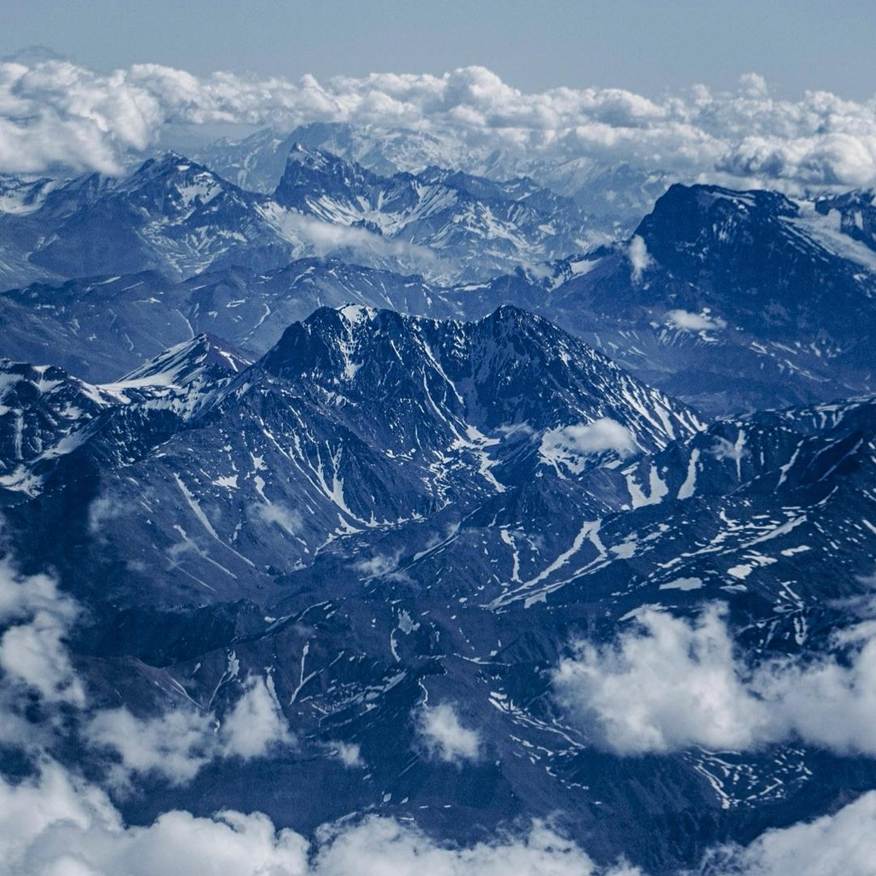
Photo: @yerkobustillos
The Andes are one of Chile’s most iconic postcard views. Especially in Santiago, the range is visible from many points, becoming a gigantic guardian that has shaped the character of our people.
Would you like to visit the Andes? You can do so through the following activities:
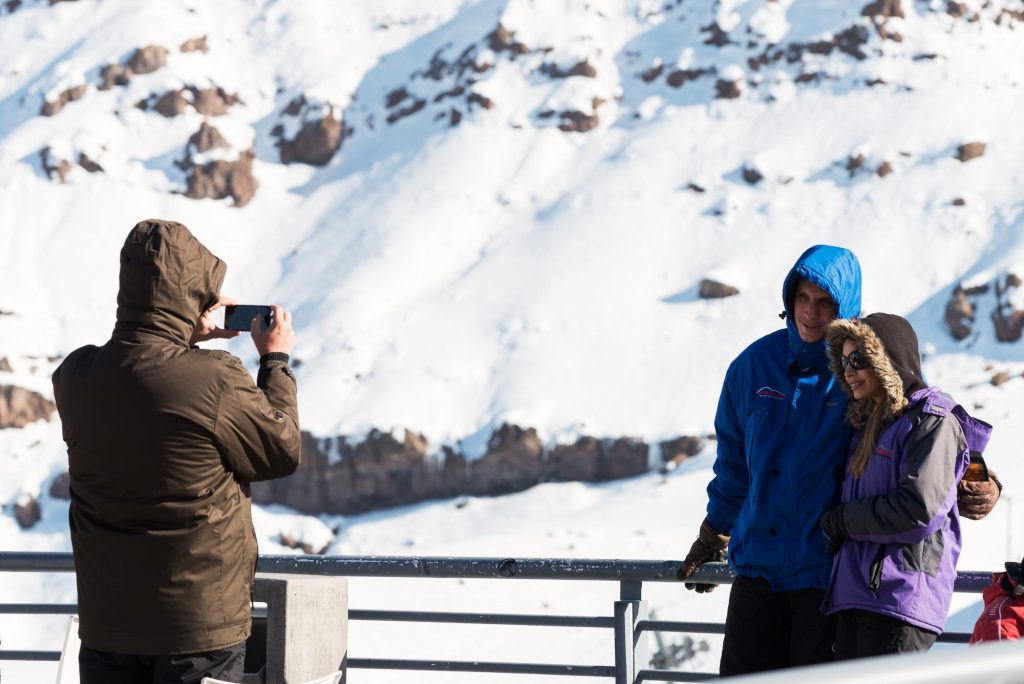
- Visit ski resorts: During winter, resorts like Valle Nevado or Portillo offer a full immersion in Andean snow.
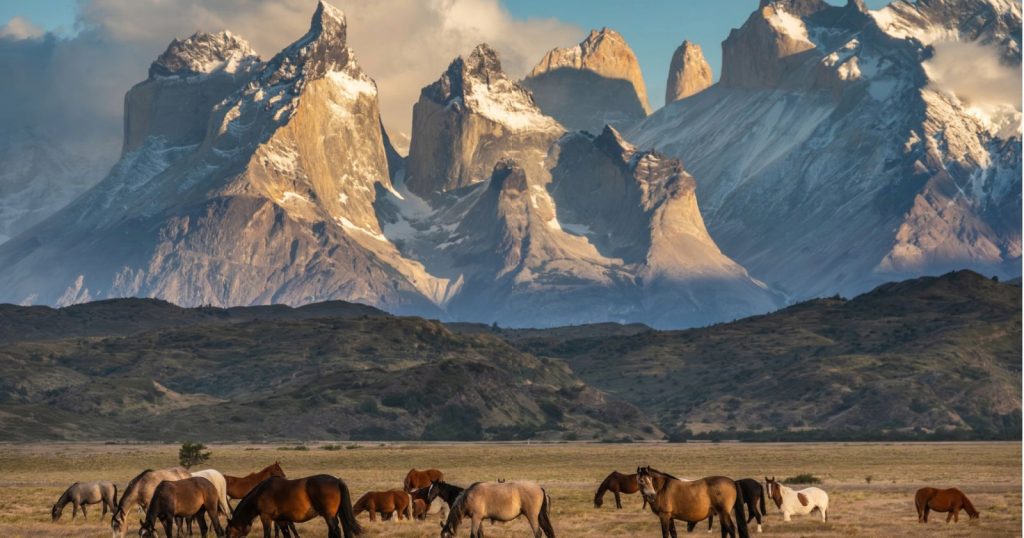
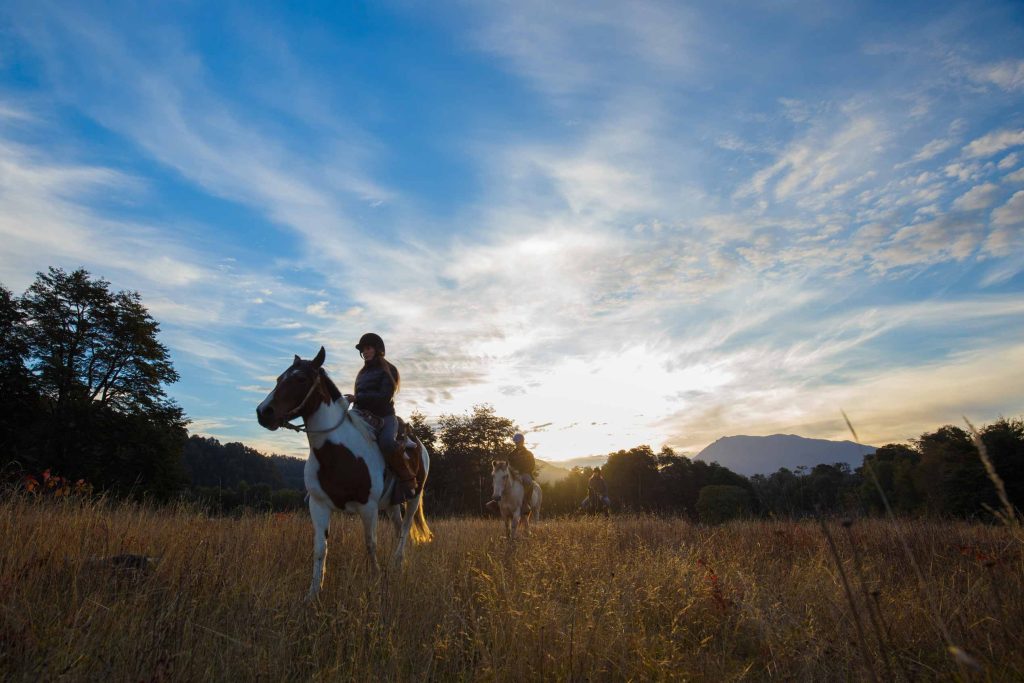
- Hiking in National Parks: Trails in Conguillío National Park or Torres del Paine will let you walk among araucaria forests and glaciers.
- Stargazing: In the north, take advantage of the Andes’ climatic protection to visit astronomical observatories and marvel at the cosmos.