We love September! This is one of the happiest months of the year in Chile because we celebrate Independence Day, which includes delicious empanadas, anticuchos, cueca dancing and hundreds of traditional games. All traditions that showcase the essence of Chilean culture.
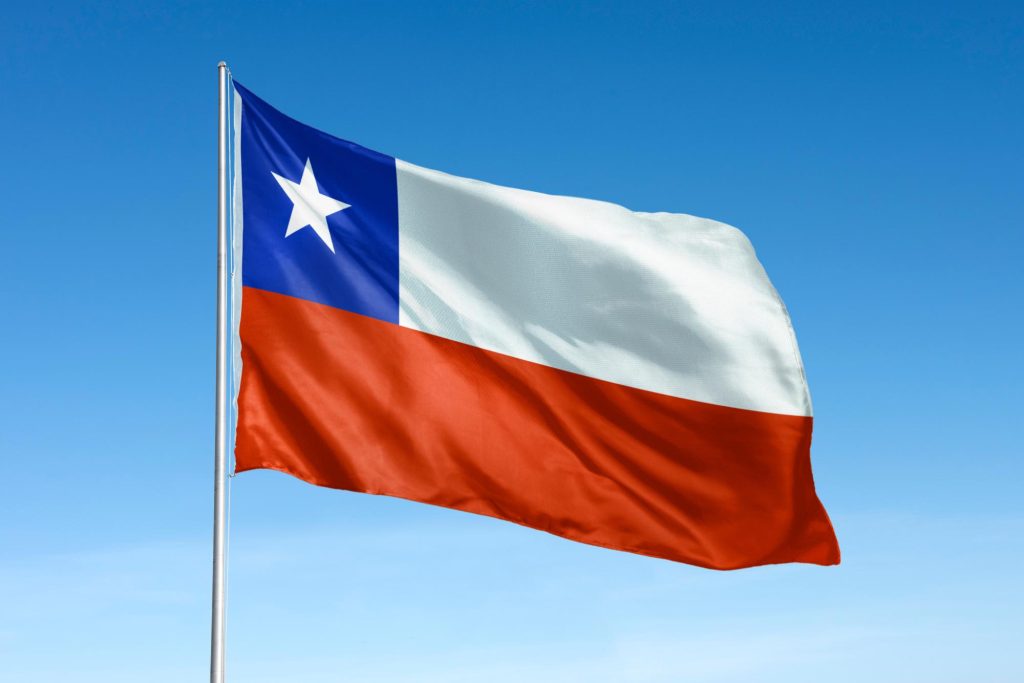
When the month begins, cities are adorned with flags, ramadas appear and there’s no shortage of activities and celebrations to enjoy with friends over a glass of red wine. But what are we celebrating?
A Bit of History
Independence Day in Chile officially consists of just two days, although Chileans usually start celebrating as soon as the calendar marks the arrival of September. The truth is that only September 18 and 19 are public holidays for all Chileans. These days are considered “non-waivable.” This means that all citizens must take a break from work, unless their jobs are necessary for the country’s functioning or service activities such as restaurants and hotels, among others.
The 18th marks the anniversary of the First Government Junta, which occurred in 1810 and—according to historians—would initiate the independence process. Meanwhile, the 19th celebrates the Glories of the Army, a commemoration that has been official since 1832, but for which there are records dating back to 1817.
Celebrations Everywhere
During Independence Day, the plazas, parks and countryside of Chile transform into traditional gathering places where craft stalls, typical Chilean food carts, dance floors and live outdoor music are set up. This is complemented by the fact that September is a month of warm and moderate temperatures that bring an end to the Chilean winter and open the doors to spring.

So you can celebrate like a true Chilean, we’ll tell you everything you need to know to celebrate our Independence Day.
Fondas and Ramadas
During Independence Day in Chile there are no discotheques, there are fondas and ramadas. What? Let us explain.
“Fonda” and “ramada” are the names given to small venues that are only set up during the Independence Day celebration, another way to refer to the festivities. According to the Memoria Chilena website, their origins date back to the 16th century in rural areas. Later, they were brought to the cities to celebrate events with music, singing and dancing… and alcohol.
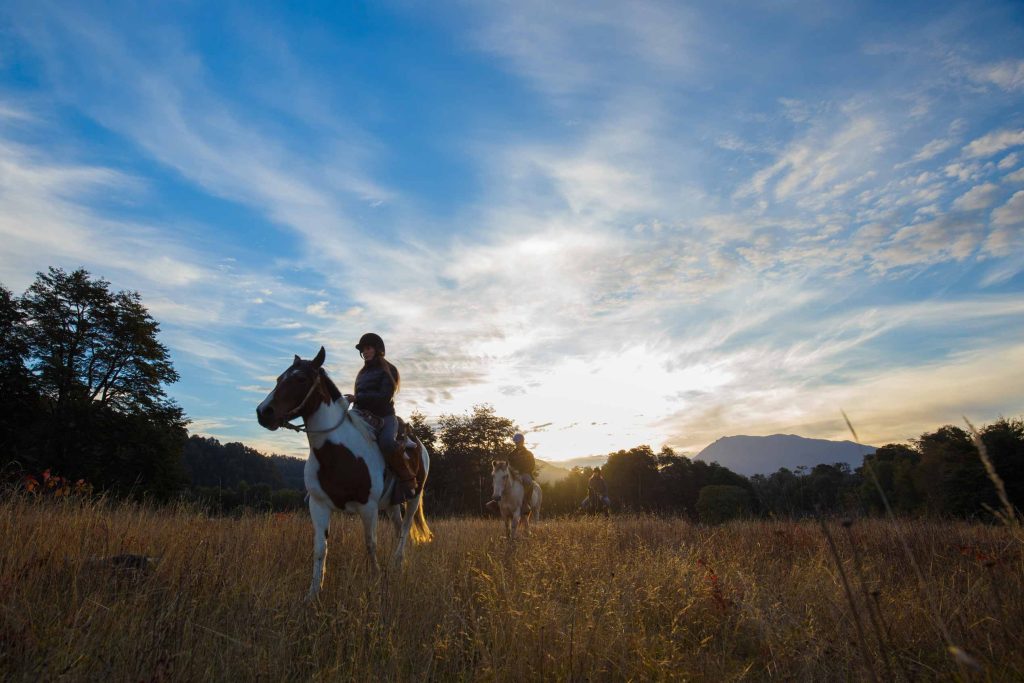
Although today fondas and ramadas are used as synonyms, some maintain that “ramadas” were called that because they were built with logs and branches, while at fondas—in their origins—attendees could leave their horses, eat and even stay to sleep until the next day.
Cueca or Cumbia?
The “pie de cueca” is one of the most important folk dances in Chile and the traditional Independence Day dance. The cueca is danced with a handkerchief in hand and constant foot-tapping, and seeks to emulate the courtship between a rooster and a hen. La Consentida, El Guatón Loyola and La Rosa con el Clavel are the most famous cuecas that you’ll definitely find at an Independence Day ramada.
However, there’s another unofficial dance: cumbia.
Although this music is usually associated with the more tropical areas of the Americas, the Chilean variant of cumbia is a must at Independence Day celebrations, with classics like Pobre caminante, La Peineta or Me gusta todo de ti.

Empanadas, Anticuchos and… Terremoto!
For fans of Chilean gastronomy, eating an empanada de pino, an anticucho or a choripán with pebre, accompanied by a glass of chicha or a terremoto is part of the must-haves for celebrating Independence Day in Chile.
These foods are typical of the celebration and here we’ll tell you what each one is:
Empanada de pino: baked wheat flour dough filled with “pino,” a mixture made with:
- beef (chopped or ground)
- chopped onion
- hard-boiled egg
- olives
- raisins
Anticucho: small pieces of meat and vegetables skewered on a stick. They’re cooked on the grill. The most commonly used ingredients are:
- beef
- chicken
- pork
- longaniza or hot dog
- bell pepper (green and red)
- onion
They can also be made in a vegan version.
Choripán: longaniza (also called chorizo) in bread, usually in marraqueta-style bread.
Pebre: sauce for seasoning food. Its ingredients are:
- tomato
- onion
- cilantro
- chili pepper (spicy)
- oil
- salt
- vinegar (optional)
Chicha: alcoholic beverage. Fermented apple or grape juice.
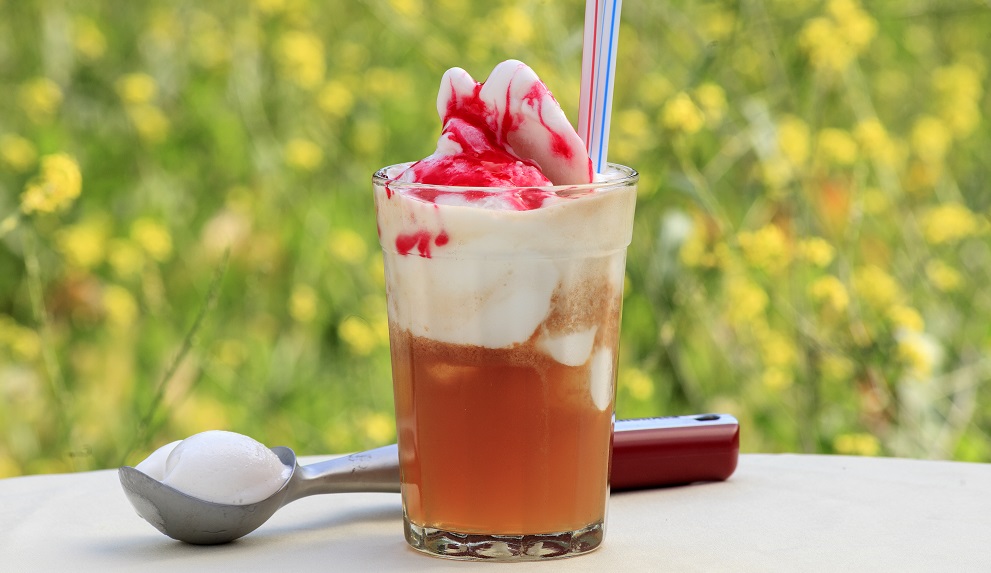
Terremoto: alcoholic beverage, typical of Independence Day. Its ingredients are:
- pipeño wine (white wine from non-noble grapes)
- pineapple ice cream
- grenadine (optional)
Some versions of terremoto include other spirits such as pisco, rum or fernet, making it a drink with a high alcohol content. However, its sweetness makes it a “deceptive” drink. This means that people don’t always realize how strong the preparation is and dare to keep drinking another one (an “aftershock”) and even a third… with devastating results.
That’s why we always remind you to celebrate responsibly so you can have an unforgettable Independence Day. Long live Chile!