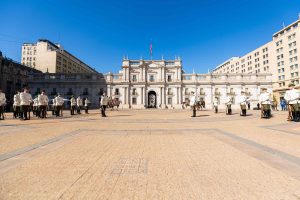
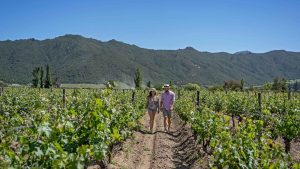
Long before Chile’s great wine-producing valleys became renowned destinations, the first vineyards were already part of Santiago’s history.
To honor this tradition, the Historic Center Wine Route was created—a journey through the key milestones of wine history in the Chilean capital, making it a perfect alternative for those seeking a wine tourism experience without leaving the Santiago city limits.
Cover photo: Municipality of Santiago
Santiago’s Historic Center and the history of Chilean wine
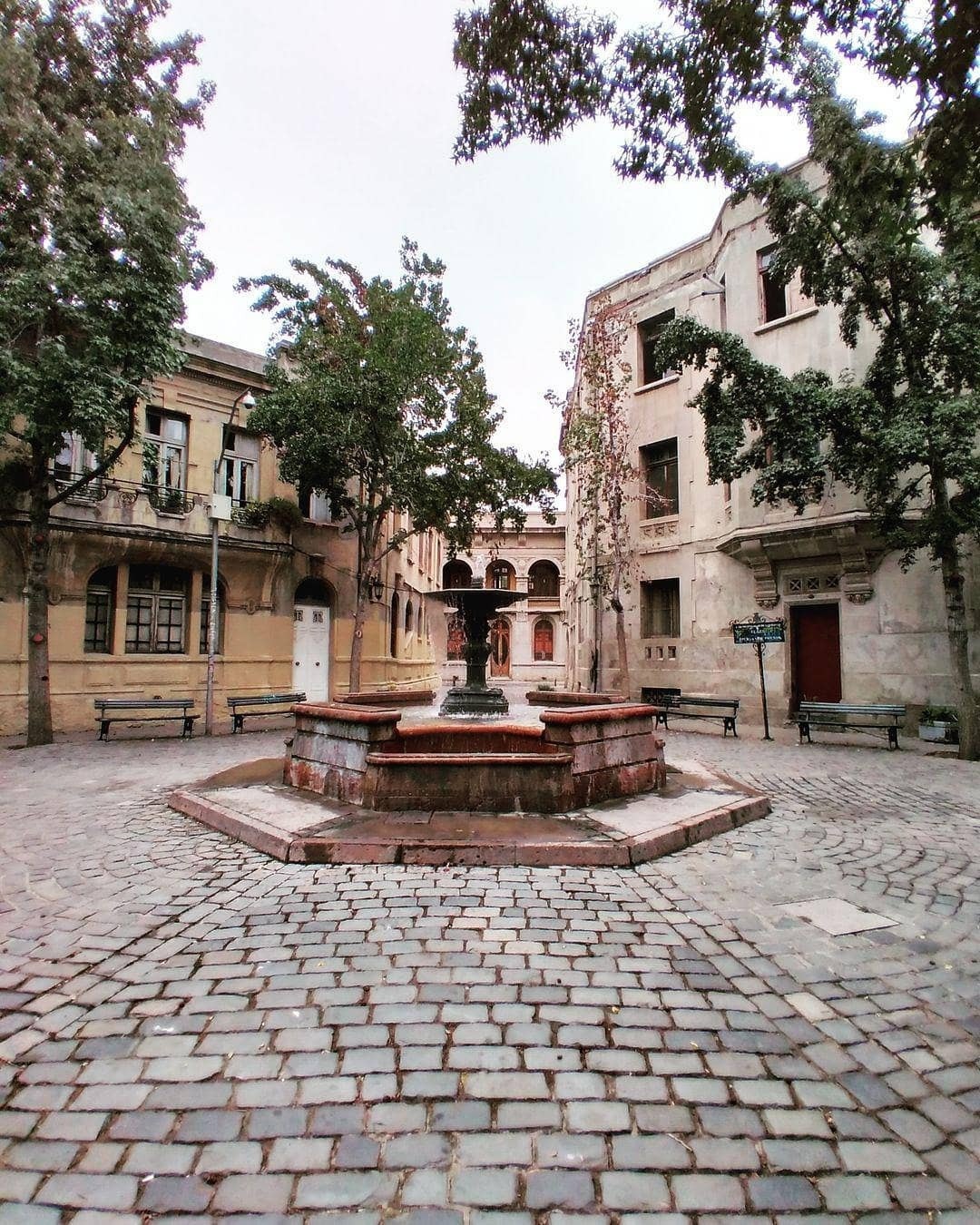
On this route, you can learn about the early chapters of wine history in Chile, which began in 1541 when Pedro de Valdivia founded the city and brought the first vines from Spain. Meanwhile, in 1554, one of Santiago’s first vineyards was recorded, owned by Diego García de Cáceres in what is now Barrio Brasil. And in 1555, on the eastern foothills of Santa Lucía Hill—today’s Barrio Lastarria—the city council recorded the first wine produced in the country, the work of Rodrigo de Araya.
During the 19th century, this industry entered a new stage with the creation of the Quinta Normal de Agricultura in 1842 and the incorporation of French grape varieties and technologies that helped transform wine production throughout Chile.
Chilean wine without leaving Santiago
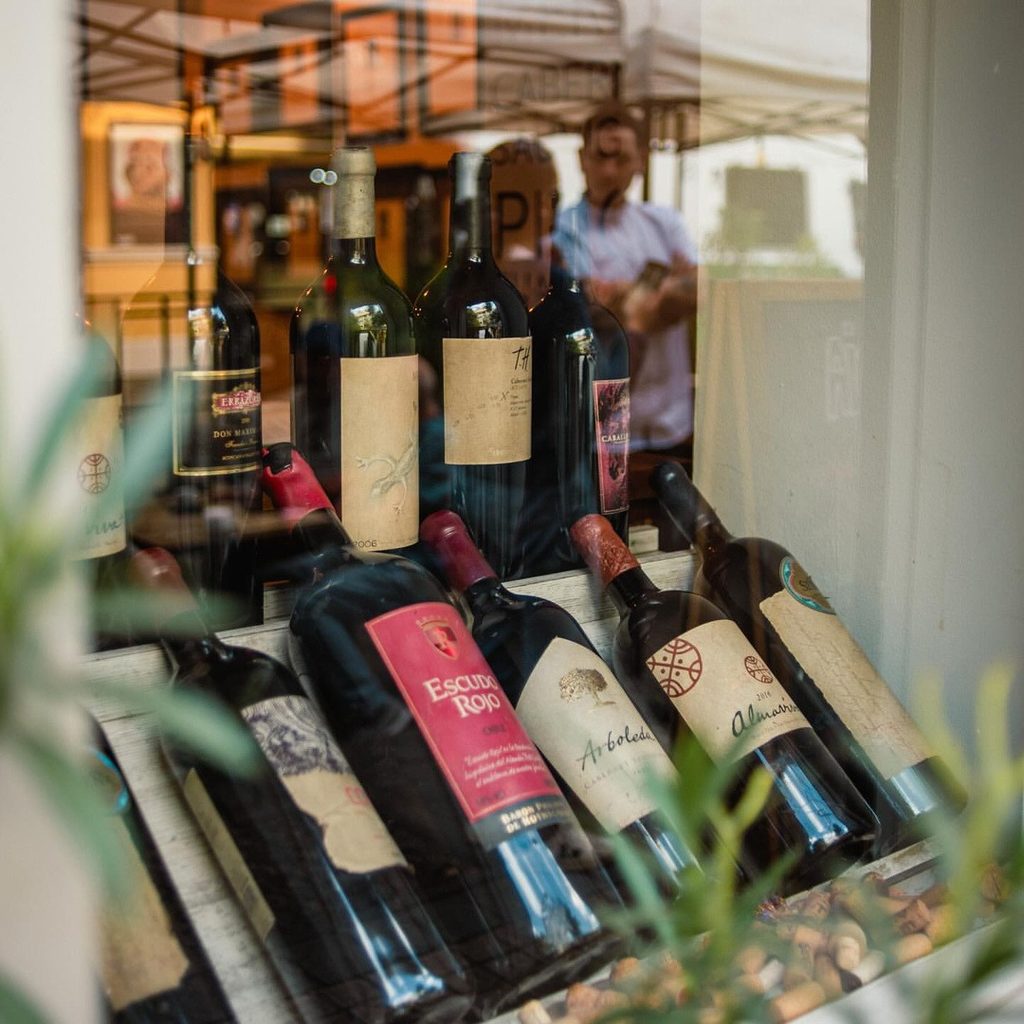
Photo: @bocanariz_lastarria
The old vineyards are no longer part of the urban landscape, but their legacy remains in the streets, neighborhoods, and gastronomy of the capital. This guide brings together 23 restaurants, bars, hotels, and other spaces where you can experience different expressions of Chilean wine culture.
Here you can try wines by the glass, take part in tastings, enjoy pairings, and much more while exploring some of downtown Santiago’s most iconic neighborhoods.
The tour passes through five sectors, each with its own character:
- Barrio Brasil: heritage mansions and a vibrant culinary scene.
- Historic Center: plazas, iconic buildings, and some of the Chilean capital’s main landmarks.
- Lastarria: heritage, gastronomy, and cultural life.
- París-Londres: small streets and European-inspired architecture.
- Barrio Yungay: old mansions and local identity.
Restaurants and experiences on the Historic Center Wine Route
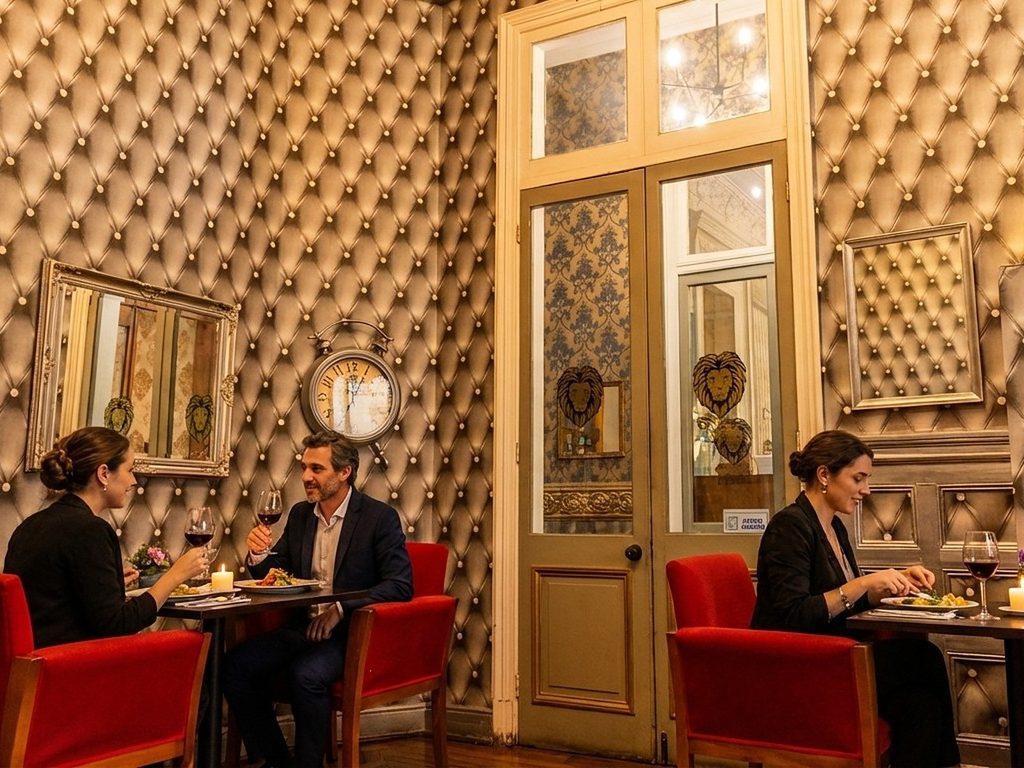
Photo: Hotel Casa Zañartu
The route includes the following restaurants:
- Ocean Pacific’s
- Bocanáriz
- Palacio del Vino
- Chipe Libre
- Urbano 136
- Bristol
- Magnolia Bistró
- Willimapu
- Make Make
- La Junta Bar
- Cívico
- Mulato
- Terraza y Moneda
- Marco Polo
- Espacio Gárgola
- Amaranto
- Peluquería Francesa
- Londres 45
- Copper
- Matildas
- Casa Zañartu
- Café Precolombino
- Bar Unión
To continue exploring this proposal, you will find more details about each location at Urban Wine Tourism.
And if this experience sparks your desire to learn more about Chilean winemaking, you can reach the Maipo, Casablanca, and Aconcagua valleys in one or two hours from Santiago, and continue to other producing regions like Colchagua to discover their vineyards and landscapes.