Darwin’s frog, also known as Rhinoderma darwinii, is a unique and fascinating amphibian that inhabits the temperate forests of southern Chile.
The name of Darwin’s frog honors the naturalist Charles Darwin, who was drawn to the unique characteristics of this species.
What makes Darwin’s frog truly impressive is its surprising reproductive method: the male looks after the fertilized eggs, carrying them in his vocal sac for 6 to 8 weeks until the tadpoles are fully developed, making it the only amphibian in the world with such unique paternal behavior.
This small amphibian, measuring just 2 to 3 cm, is an expert in camouflage thanks to its long limbs and pointed edges that mimic a dry leaf, allowing it to go unnoticed in its natural environment and avoid natural predators, which are mainly snakes and rhinocryptid birds (Latin American birds that are poor flyers).
Its brown or green skin, with dark spots, is perfectly designed to blend in with the forest floor, fallen leaves, and damp moss of the areas it inhabits. Due to its small size, this little frog goes unnoticed by most, but its story is truly fascinating.
The amazing paternal care of Darwin’s Frog
What really makes Darwin’s frog special is its way of reproducing. Unlike most frog species, where the female takes care of the eggs or abandons them after laying, in this case it is the male who is responsible for protecting the tadpoles.
After the female lays between 3 and 30 small eggs on the forest floor, the male picks them up and keeps them in his vocal sac. There, the tadpoles complete their development, which takes between 6 and 8 weeks, until they become tiny frogs that emerge from the father’s vocal sac when they are ready to fend for themselves. This behavior is unique in the animal world and has sparked the curiosity of biologists.

Darwin’s Frog under threat of extinction
Darwin’s frog is extremely susceptible to changes in its habitat, which makes it a key indicator of the health of the forest ecosystems where it lives.
Climate change, deforestation, and habitat loss have put the species at risk of extinction. Higher temperatures and decreased rainfall affect the humid microhabitats the frog needs to survive.
Furthermore, the Batrachochytrium dendrobatidis fungus, which has affected many amphibian species worldwide, is also a threat to Darwin’s frog, weakening its defenses and contributing to its population decline.
One of the most prominent defenders of biodiversity and the protection of endangered species, such as Darwin’s frog, is Leonardo DiCaprio. This actor has used his platform to raise awareness about the vulnerability of this species to climate change and the destruction of its ecosystems. Global warming affects the fragile environments where these frogs live, and their survival is increasingly compromised. Through his foundation called Earth Alliance, DiCaprio supports initiatives for the conservation of endangered species, including those like Darwin’s frog.
Currently, there is a non-governmental organization in Chile called Ranita de Darwin that works on the conservation of this and other amphibians in our country. Additionally, in 2018, the “Binational Conservation Strategy for Darwin’s Frogs” was launched, summarized in 38 actions, grouped into 12 objectives and 3 goals, looking toward 2028.

Darwin’s Frog is a natural heritage that we cannot afford to lose
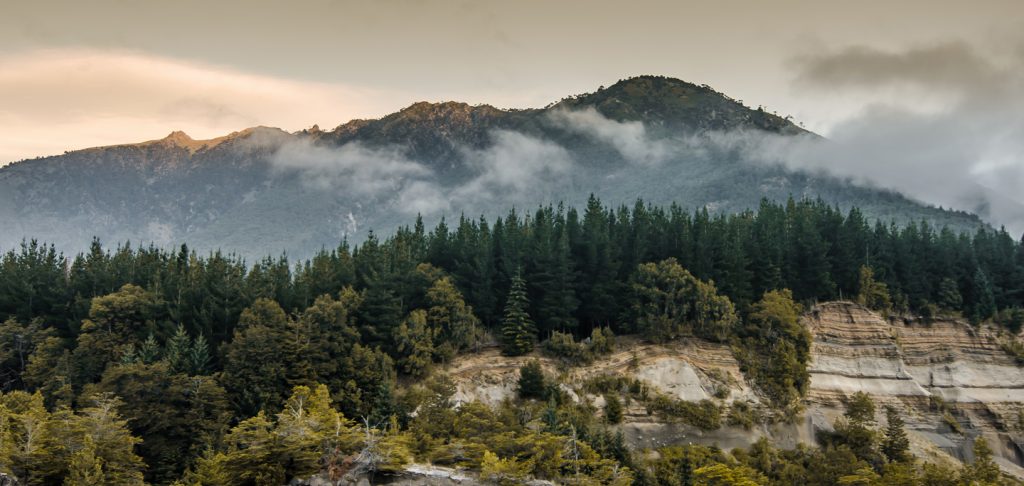
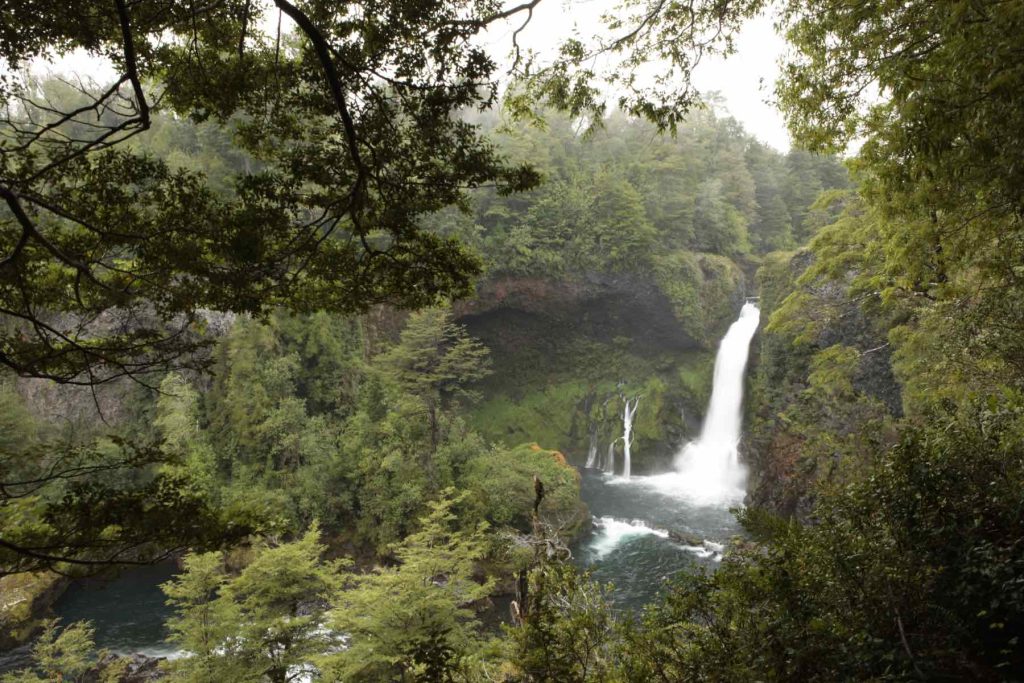
In Chile, the southern Darwin’s frog is mainly found in the humid southern forests, especially in the Los Ríos and Los Lagos regions, within protected areas such as Chiloé National Park. These areas are crucial for the survival of the species, as they provide the ideal conditions of humidity and vegetation.
First described in 1902, the northern Darwin’s frog or Sapito Vaquero inhabits the native forests of the Coastal Range in south-central Chile, from Zapallar to Concepción. Unfortunately, this species has not been seen since 1981, which is why it is classified as a critically endangered species (probably extinct).
Darwin’s frog is not only a wonder of nature because of its appearance and behavior, but also a symbol of the effects that climate change and human activity can have on delicate species. The conservation of its habitat is essential for this extraordinary amphibian to continue inhabiting the forests of Chile for a long time to come.