Traveling across all of Chile in a single trip is much more challenging than many travelers imagine.
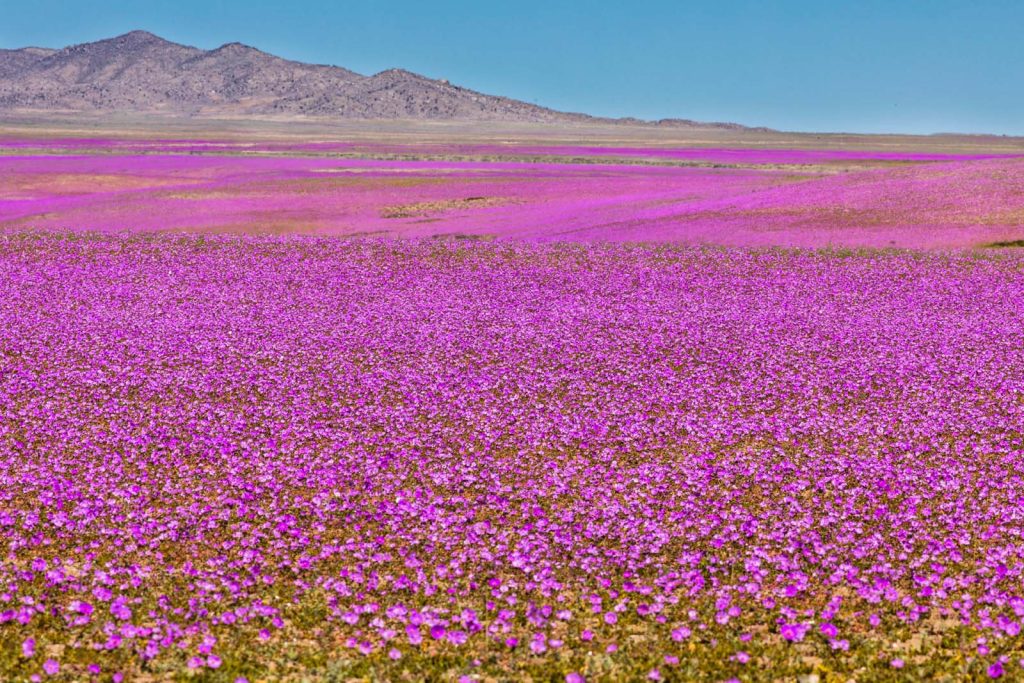
From the Atacama Desert, the driest in the world, to the glaciers of Patagonia, you’ll need significant planning to see its main destinations. But don’t worry, we’re here to help!
Cover photo: Timothy Dhalleine
Why isn’t it fast to travel Chile from north to south?
The idea that Chile is easy to travel because it’s a narrow country is misleading. Although it looks narrow on the map, the country stretches for more than 4,300 kilometers from north to south. That’s a distance similar to traveling between Lisbon and Moscow!
Traveling between extremes can take several days. Many routes require domestic flights, connections, or long overland journeys. Additionally, the main air connection point is Santiago, so you won’t always find direct flights between regions without a layover in the Chilean capital.
That’s why those who try to cover the country in just a few days end up living inside a plane, a bus, or a car, without enjoying the experience as it deserves. After all, the true magic of traveling through Chile is taking the time to discover each of its destinations. As they say in Chilean Patagonia: he who hurries, wastes time.
How many days do you need to travel through Chile?
Below, we’ve put together an estimate of the number of days you’ll need to get to know each of these destinations in depth. Obviously, it’s always better if you can schedule more time.
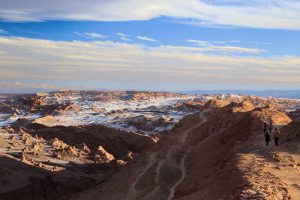
- San Pedro de Atacama (4 to 5 days): Enough time to visit the Moon Valley, the Tatio Geysers, highland lagoons, and enjoy astrotourism experiences.
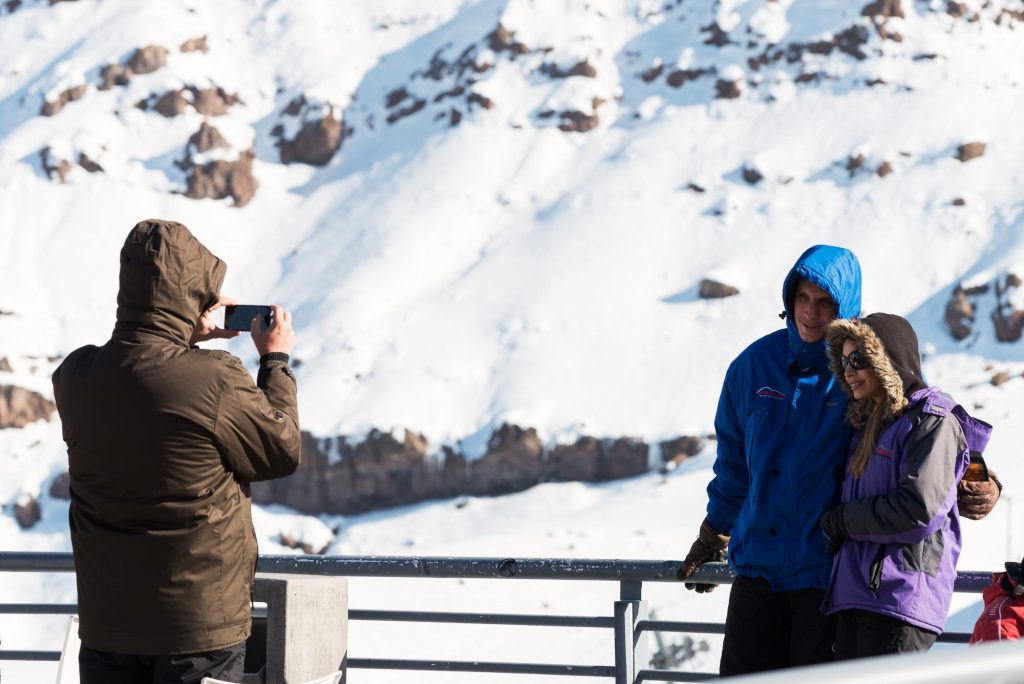
- Santiago, Valparaíso, and Viña del Mar (4 to 5 days): The capital and the two large coastal cities have very good connectivity. Consider extra days if you’re going to the snow.
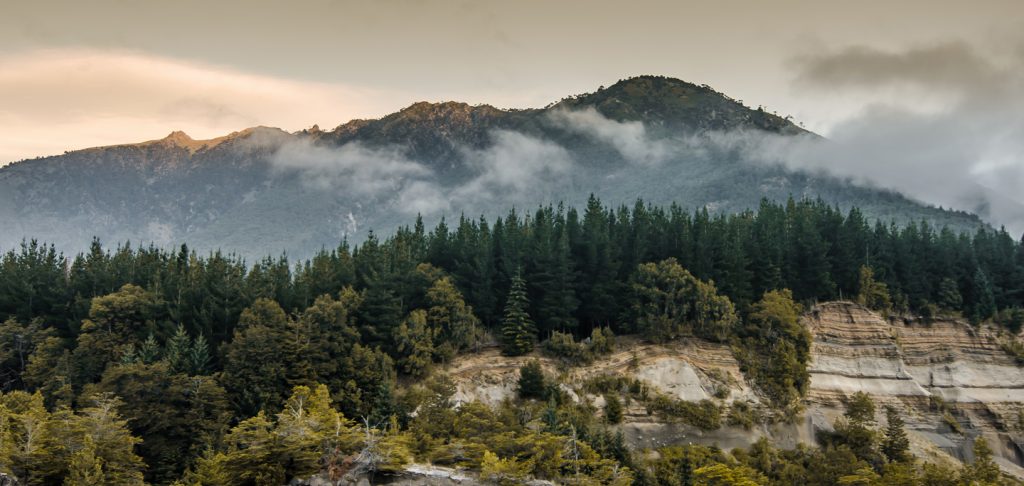
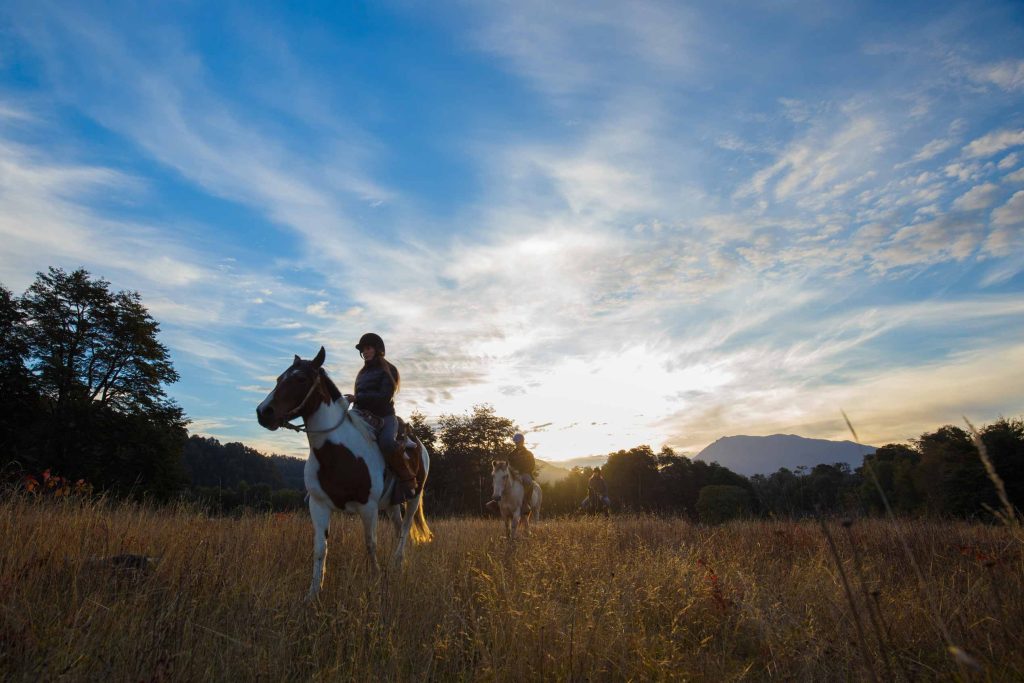
- Pucón, Lake Llanquihue, and Chiloé (5 to 7 days): Ideal for exploring volcanoes, national parks, lakes, hot springs, and experiencing the unique traditions of southern Chile.
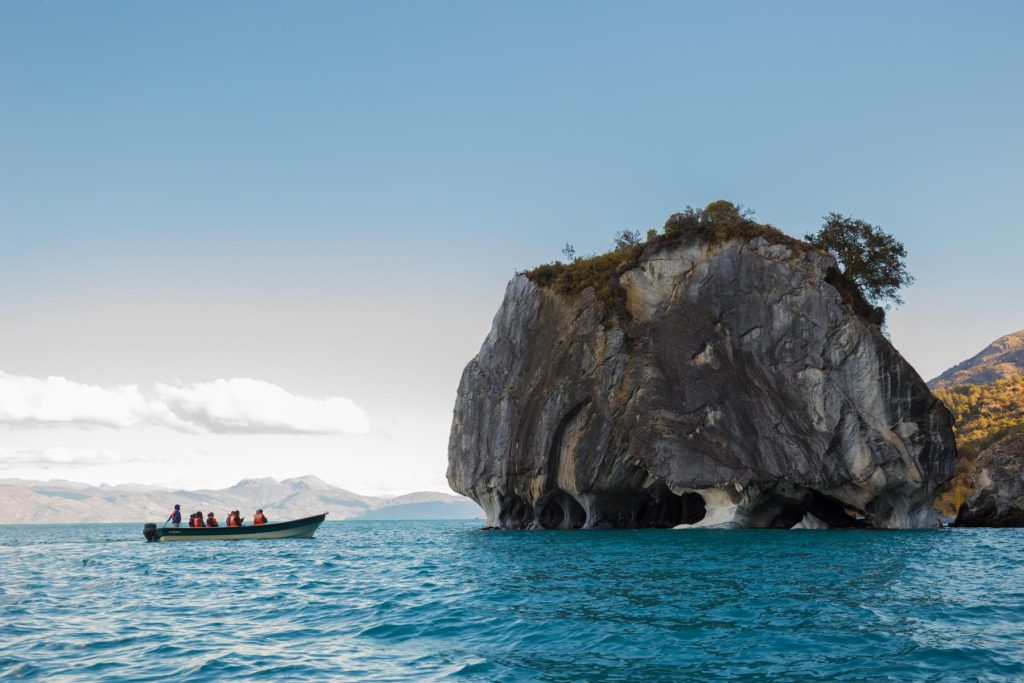
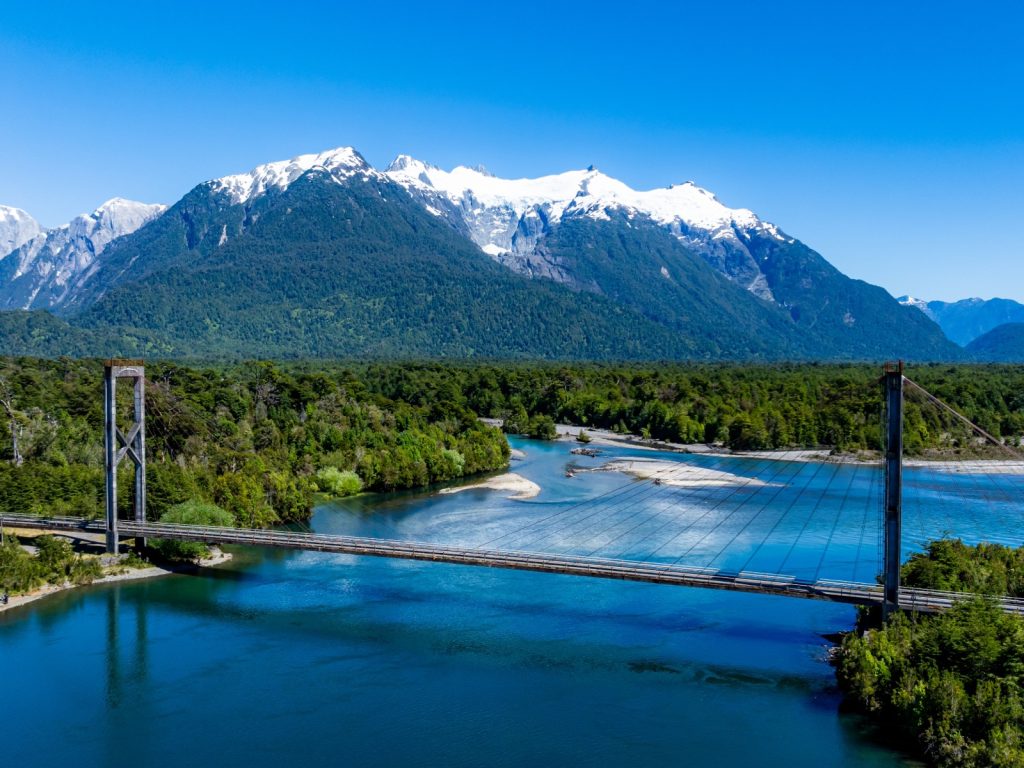
- Carretera Austral (10 to 12 days): You’ll need a good amount of time to fully explore its national parks, trails, lakes, glaciers, and viewpoints along one of the most beautiful routes in the world.
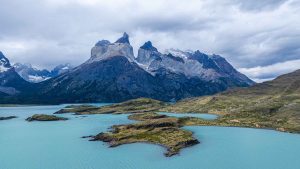
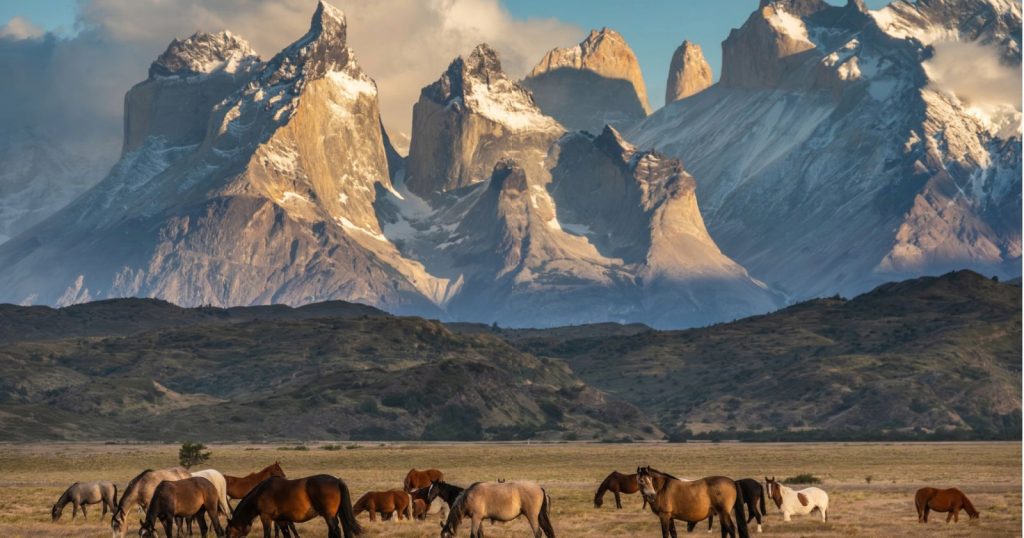
- Torres del Paine (5 to 9 days): A must-see in Chilean Patagonia. It depends on the type of circuit you’re looking to do, from the Base Torres trek which lasts just one day to the famous “O” circuit which takes 8 days.
In total, traveling through Chile in a balanced way requires at least a month, especially if you want to enjoy each destination and not turn the trip into a succession of flights and transfers.
Including Rapa Nui in a trip to Chile
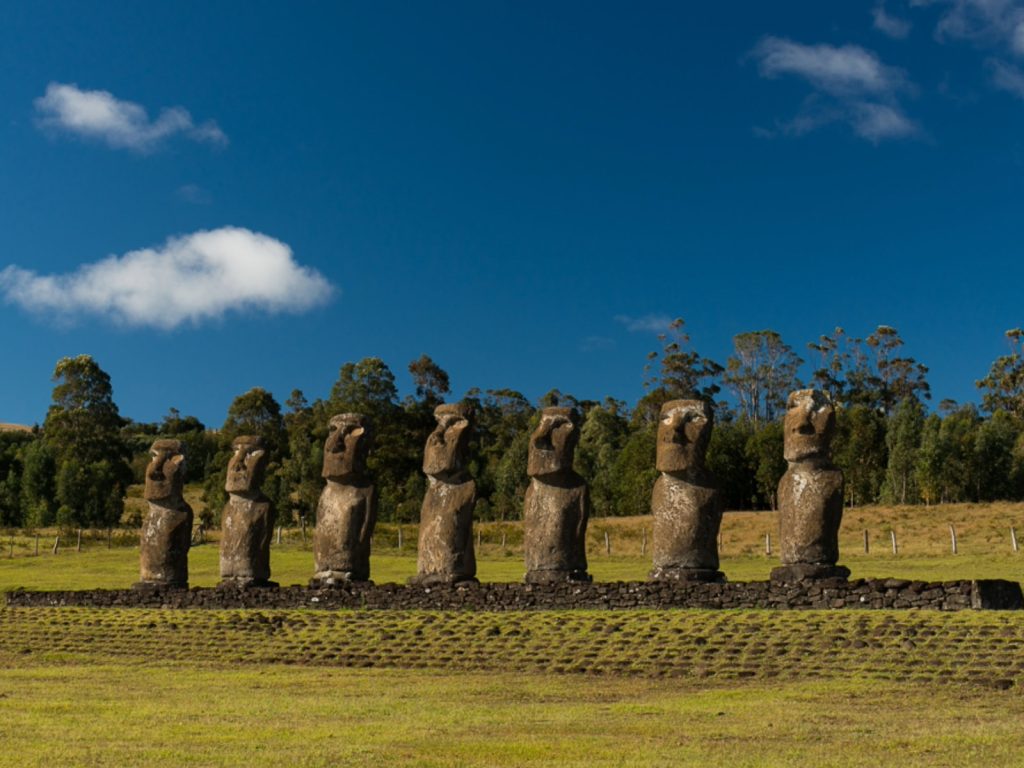
Rapa Nui is one of the most fascinating destinations in the Pacific and certainly deserves a place on any Chile itinerary. However, it requires special planning. Located about 3,700 kilometers from the coast, it’s in the middle of the ocean and the flight from Santiago takes approximately five hours.
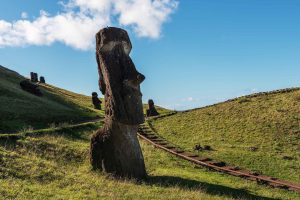
For those who decide to add this destination to their trip, the ideal is to stay on the island for 4 to 5 days, enough time to see its main attractions: the moai, volcanic beaches, and archaeological sites that bring its ancestral history to life. It’s important to consider some entry requirements:
- Complete the Single Entry Form (FUI) within 48 hours prior to the flight.
- Have a round-trip ticket, with a maximum stay of 30 days.
- Present an accommodation reservation or an invitation letter from a resident.
- Valid passport (for foreign visitors not residing in Chile). Depending on your nationality, additional documentation may be required, so it’s recommended to check the requirements on the official CONAF or Easter Island Governorate website before traveling.
You can plan your visit to Rapa Nui here.
Is it possible to see Chile in a single trip?
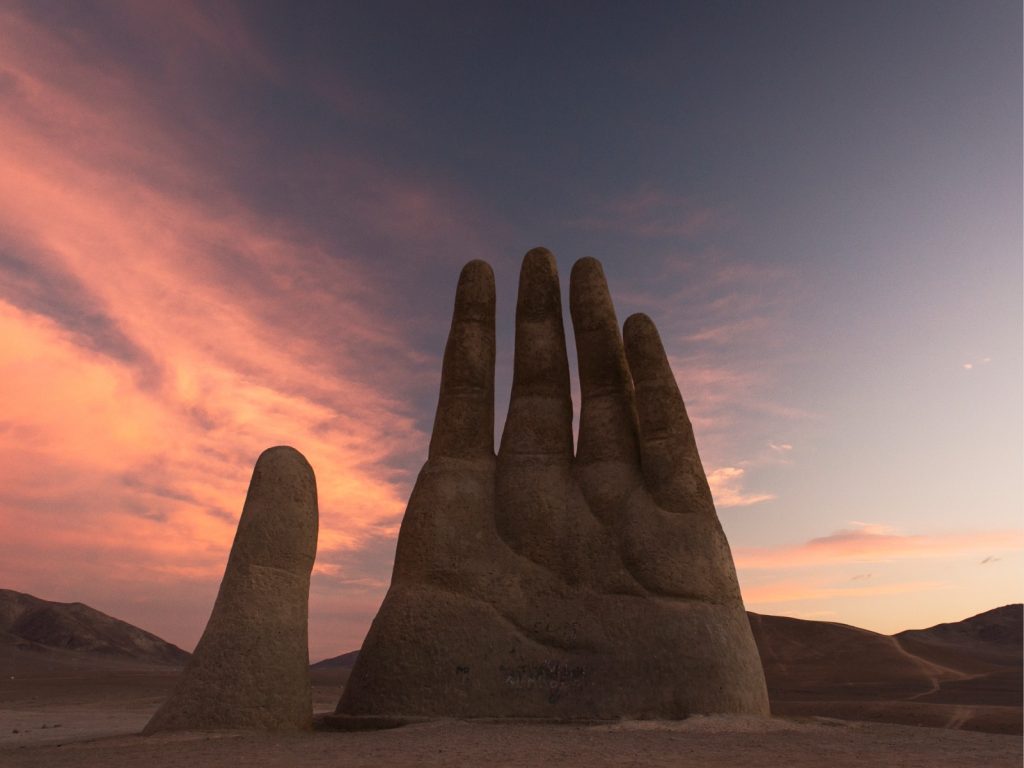
Yes, but it’s not a destination to be rushed. The best way to travel through Chile is to understand that the distances are part of the experience. From the arid landscapes of Atacama to the glaciers of Patagonia, each region has its own rhythm, climate, and personality.
Those who truly enjoy traveling through our country are the travelers who allow themselves to stop, look, and be surprised by the contrasts of one of the most diverse territories on the planet.
If you’re planning your trip, you can discover different routes and recommended itineraries on our blog to organize your journey.