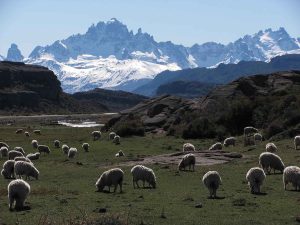
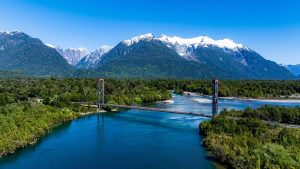
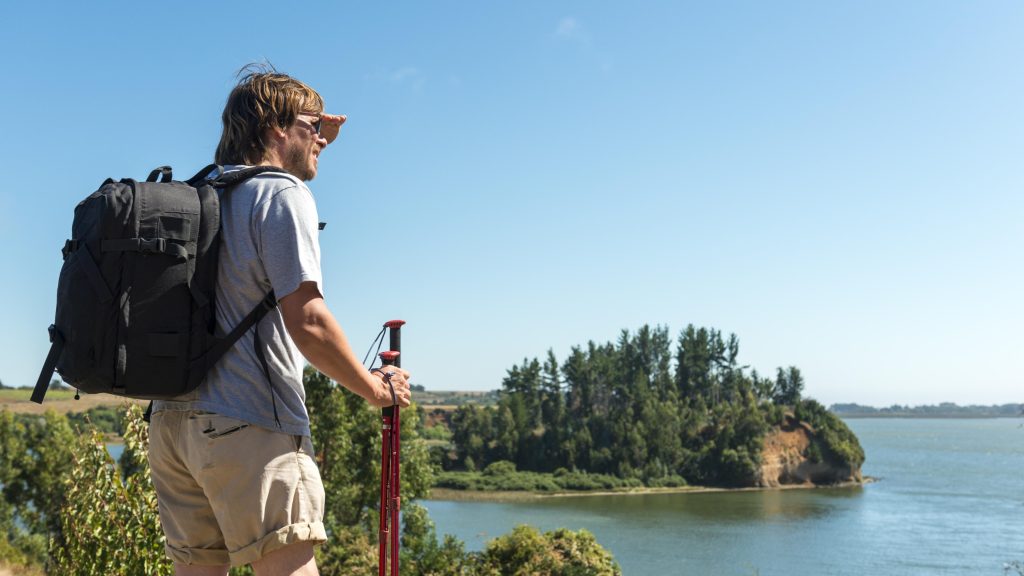
With its impressive shape reminiscent of a medieval castle, Cerro Castillo National Park is one of the most striking formations along the Carretera Austral. Additionally, its proximity to Coyhaique makes it one of the most accessible destinations for those visiting the magic of Patagonia.
With a significant amount of wildlife and three trails of varying lengths, it has become a must-see for adventure lovers in recent years. Would you like to see it? Let’s go!
Why visit Cerro Castillo National Park?
Since the first Chilean ascent of the peak in 1966, mountaineers from all over the world have been drawn by its rock formations and trekking routes, now considered among the most important in the country. At 2,318 meters above sea level and spanning 143,502 hectares, its silhouette is a visual icon of the Aysén Region.
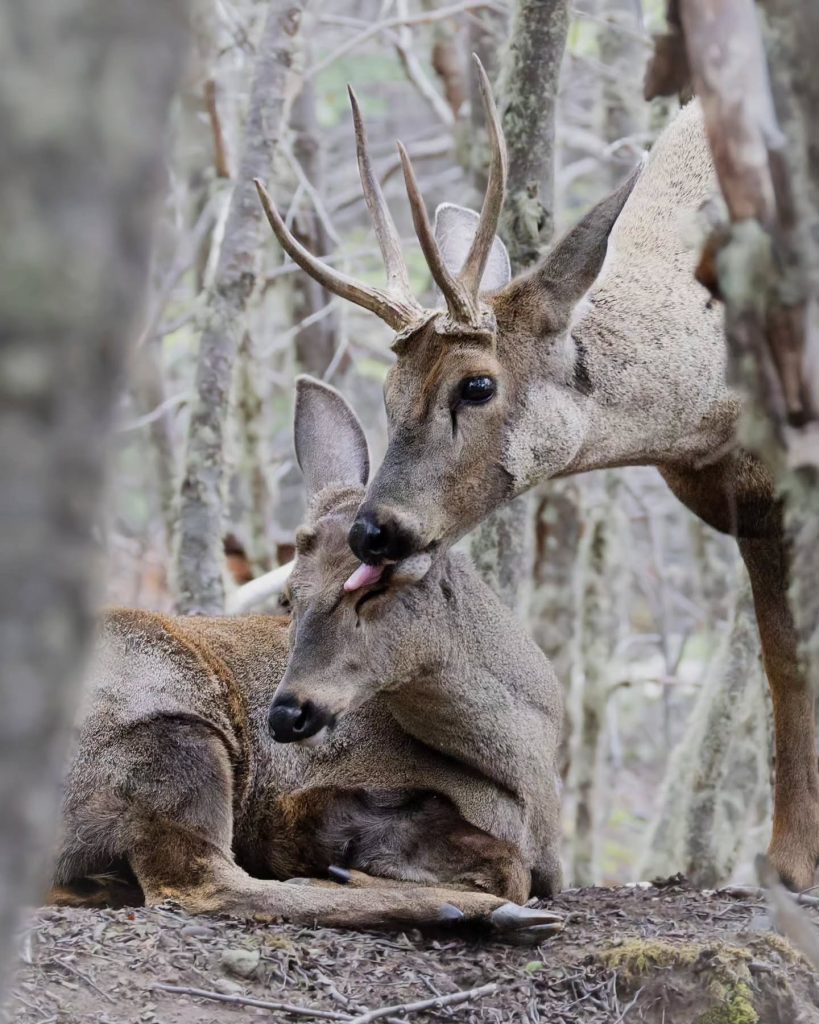
In addition to its scenic value, it plays a key role in conservation: the park is part of the National Huemul Corridor, an initiative promoted by the Rewilding Chile Foundation, thanks to its abundant vegetation and its function as a biological corridor for this endangered species. In fact, it is one of the few places in Chile where it is possible to observe huemuls in the wild.
Cerro Castillo Trails
Before setting out on any of the Cerro Castillo trails, it is mandatory to register at the park administration office. Additionally, in winter, you will be required to be accompanied by an authorized guide, so it is advisable to check the requirements for each route before planning your visit.
Cerro Castillo Lagoon Viewpoint Trail
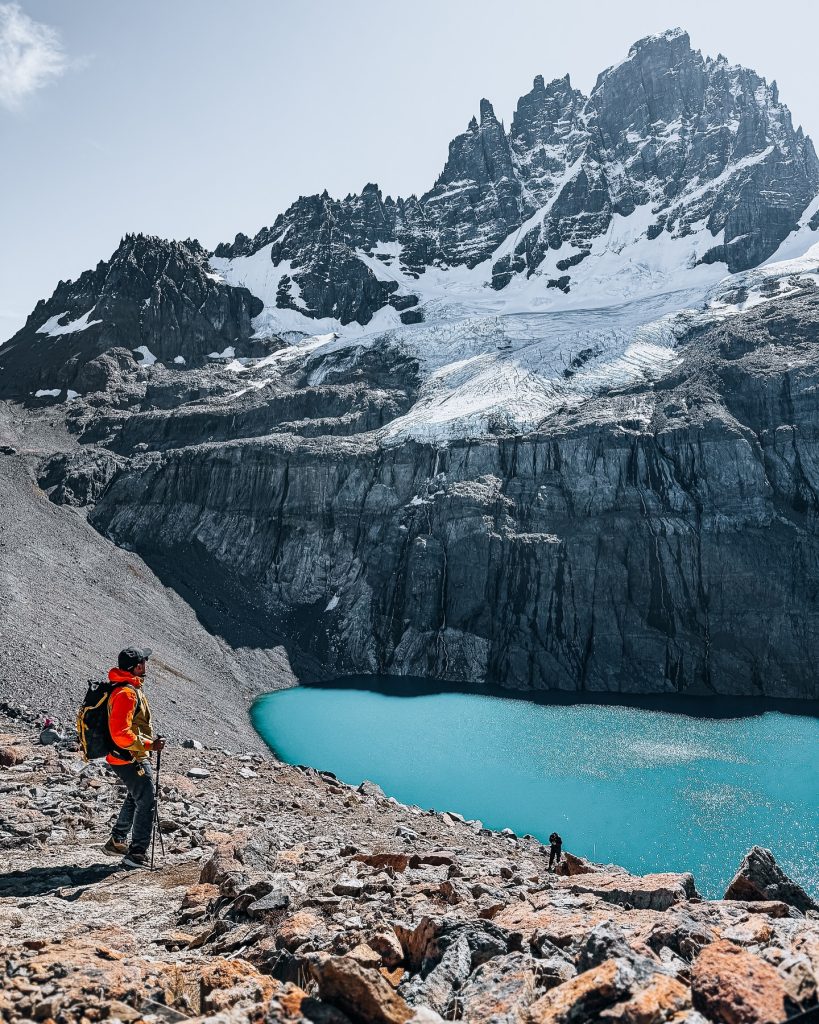
The Cerro Castillo Lagoon Viewpoint is the most popular trek in the park and can be done in one day. The route crosses forests and mountain slopes until reaching the Cerro Castillo Lagoon viewpoint, which offers one of the most iconic views of the massif, its hanging glaciers, and the Ibáñez River valley.
- Distance: 14 km (6.5 km ascent).
- Duration: around 8 hours.
- Difficulty: medium.
- Access: Estero El Bosque local road.
- Entry hours: between 8:00 AM and 12:00 PM.
- Camping: there are no official campsites on the route; there are private campsites in the access area.
- Find out more here.
Estero Parada Trail
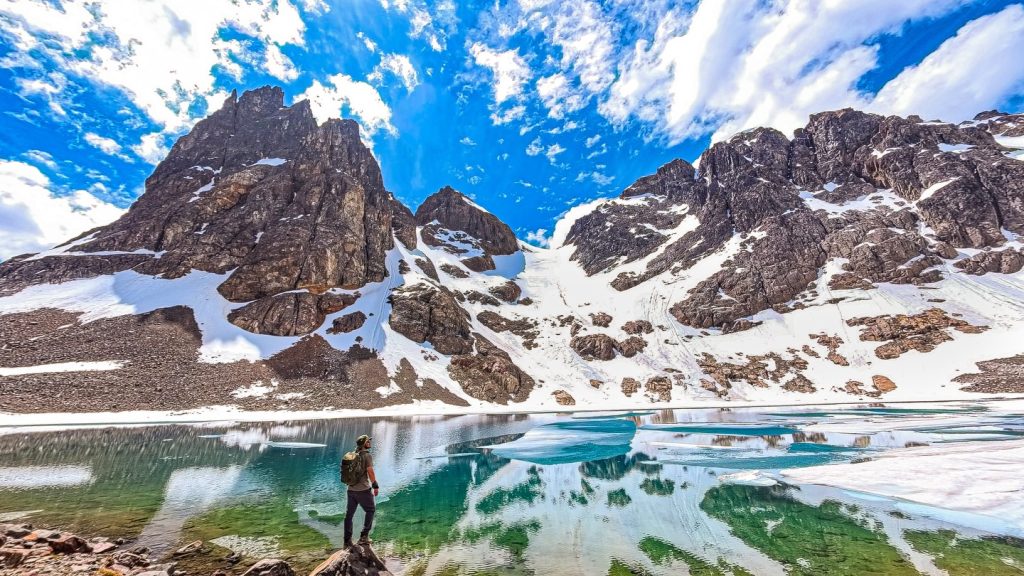
The Estero Parada Trail is more demanding and offers a more immersive experience in the park, crossing lenga forests, rivers, and mountain valleys. Its main attractions include the mountain amphitheater visible from the New Zealander Camp and the mysterious Duff Lagoon.
- Distance: 22 km.
- Duration: 1 day.
- Difficulty: medium.
- Modality: can only be done with a guide.
- Camping: two designated areas.
- Entry hours: between 8:00 AM and 11:00 AM.
- Find out more here.
Las Horquetas Crossing
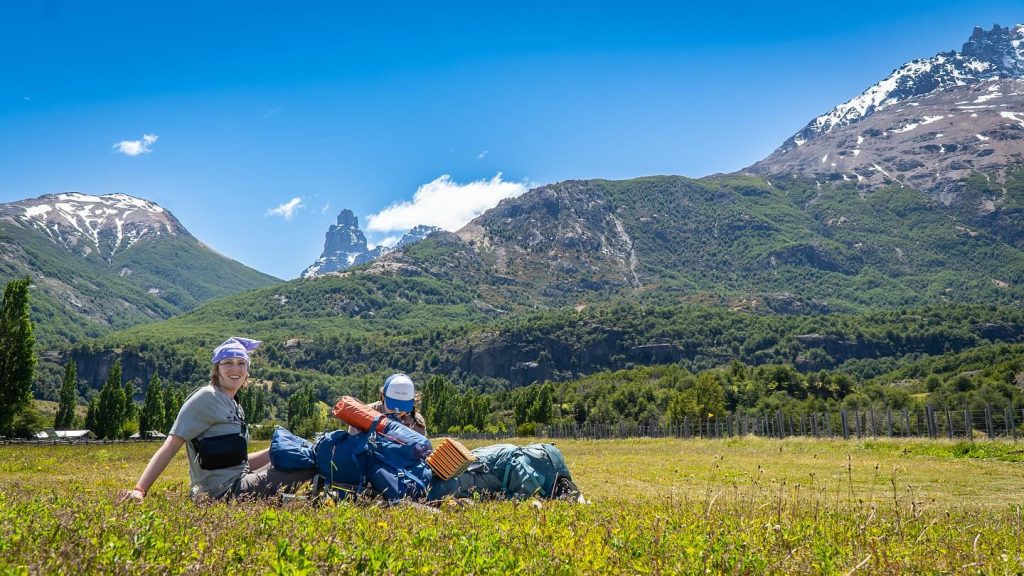
The Las Horquetas Trail is the longest and most challenging circuit in the park, ideal for those seeking a multi-day trekking experience. The route crosses native forests, glacial valleys, mountain passes, and viewpoints with panoramic views of Patagonia. At a certain point, it can be combined with the Cerro Castillo Lagoon Viewpoint.
- Distance: 53 km.
- Duration: between 3 and 5 days.
- Difficulty: medium-high.
- Camping: four designated areas.
- Infrastructure: bridges to cross rivers and signage using yellow markers.
- Access: entry through the CONAF administration.
- Find out more here.
Laguna Chiguay Trail
This is the mandatory starting point for all visitors: here you pay the entrance fee, receive the map, and register your entry. At 2.5 km long, it is the easiest point in the park.
Landscapes and Animals of Cerro Castillo
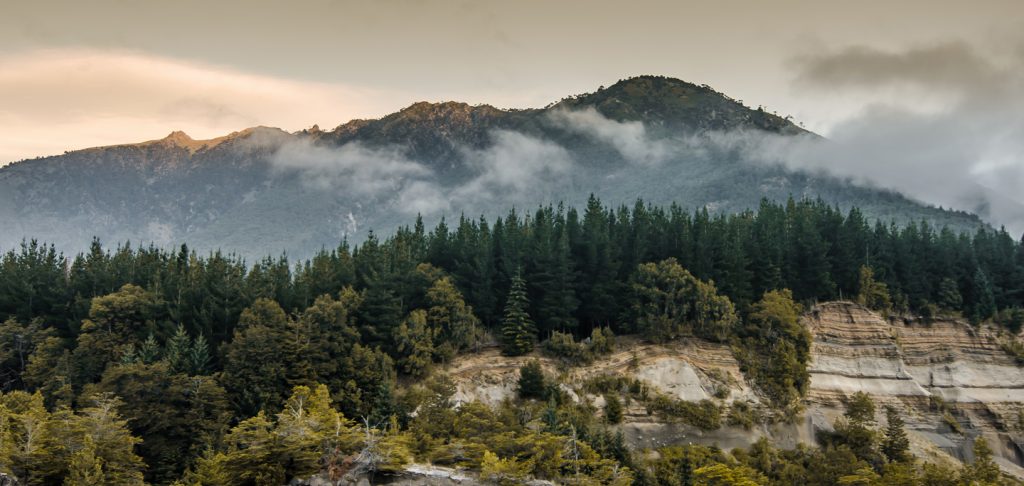
Crossing hanging glaciers that shape the turquoise lagoons, in Cerro Castillo you will travel through two major plant formations: the Aysén forests, dominated by lenga, and the evergreen mountain forests, characterized by the Magellanic coigüe. Meanwhile, in the higher sectors, the Patagonian steppe appears. Among the species, you will see fuchsia, firebush, calafate, chaura, wild strawberry, lady’s slippers, and orchids in the drier areas.
As for the fauna, the huemul lives alongside the guanaco, puma, pudu, culpeo fox, and the mountain mole mouse. The birdlife is equally diverse, with the condor, black-chested buzzard-eagle, Magellanic woodpecker, black-throated huet-huet, thorn-tailed rayadito, and kingfisher, among other species.
How to get to Cerro Castillo National Park?
The main access to Cerro Castillo is via the Carretera Austral. The closest town to the park is Villa Cerro Castillo, which is about 30 minutes from the airport in Balmaceda, in Coyhaique.
You can choose from various alternatives to get there: private vehicle, regional buses, private transfer, or hitchhiking, depending on each visitor’s budget and available time.
Key information for your visit
Before exploring Cerro Castillo, it’s worth keeping a few recommendations in mind. The park is managed by the National Forestry Corporation (CONAF) and its park rangers, and features restrooms and hot showers, as well as the Laguna Chiguay campsite, which has seven designated sites. Regarding the weather, keep in mind that even in summer, snowfall and strong winds can occur.
For accommodation, Villa Cerro Castillo and Puerto Ingeniero Ibáñez are the closest towns, while the nearest gas station is in Coyhaique, so you should fill up your tank if you’re going in a private vehicle. There is no cell phone signal inside the park, so it’s important to carry an offline map (you can download it here).
Among the safety measures, it is extremely important to take precautions against the risk of hantavirus, avoiding contact with rodents and their waste. You can find more information about this here.
As it is a protected wild area, there are various prohibitions regarding the use of fire, drones, and waste management. Check the details of CONAF’s prohibitions and considerations here.
Clothing
For trekking, it is suggested to use layered clothing, a waterproof jacket or windbreaker, high-cut trekking boots, sun protection, a hat, gloves, sufficient water and food, and a headlamp. Trekking poles are also recommended for the more demanding routes.
Tickets
Tickets to enter Cerro Castillo are purchased through the official Senderos Patagonia platform or at pasesparques.cl. Rates vary according to the length of the visit and the visitor’s nationality:
- 1 day: Foreigners $20,000 | Chileans $16,650.
- 2 days: Foreigners $28,000 | Chileans $24,650.
- 3 days or more: Foreigners $35,000 | Chileans $31,650.
- 💡 Other Rate: $8,000 (any number of days).
The “Other” rate applies to children under 12, seniors, people with disabilities, and Sernatur-registered guides. It is mandatory to present the receipt or QR code along with an ID document upon entry.
It should be noted that tickets do not include a guide, camping, transportation, food, or insurance. Additionally, if you enter through one trail and exit through another, you must purchase a two-day ticket.
All about trekking in southern Chile
Would you like to learn more about southern Chile? Check out the following articles.