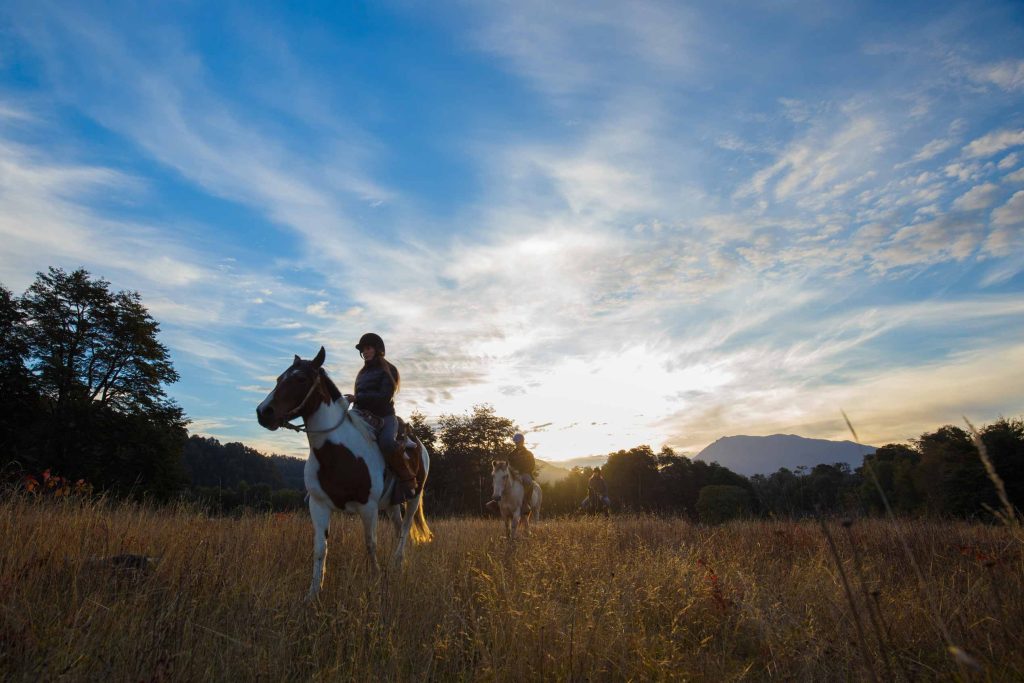
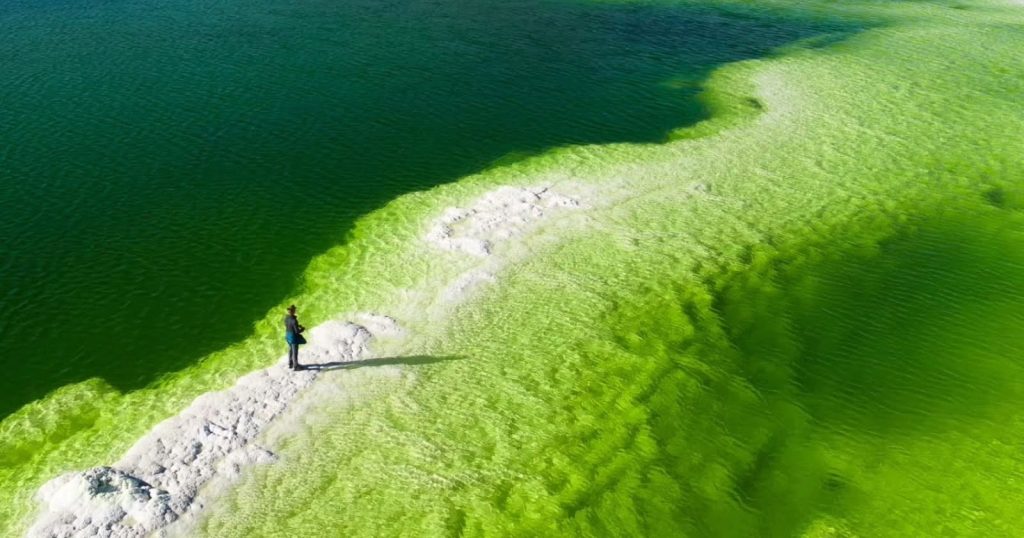
Forests, lakes, and volcanoes are all part of the Puyehue National Park landscape, a magical place in southern Chile where you can enjoy kayaking, snow sports, hiking, and many other activities.
In this updated guide, we tell you everything you need to know to visit Lake Puyehue, the famous Puyehue Hot Springs, and the Antillanca Ski Center. Plus, we explain how to connect your trip if you’re coming from Argentine Patagonia via the Cardenal Samoré Pass.
Come and visit Puyehue National Park and live the adventure of a lifetime!
The Heart of the Park: Anticura and Aguas Calientes Sectors

Puyehue National Park is organized into sectors with very different personalities:
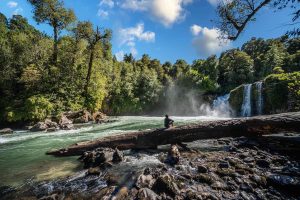
- Aguas Calientes Sector: This is the most family-friendly and easily accessible area. Here you can walk the El Recodo Trail (ideal for children) or the Los Rápidos Trail, which borders the Chanleufú River among coigües and giant ferns. It is the perfect place for a picnic or a first contact with the evergreen forest.
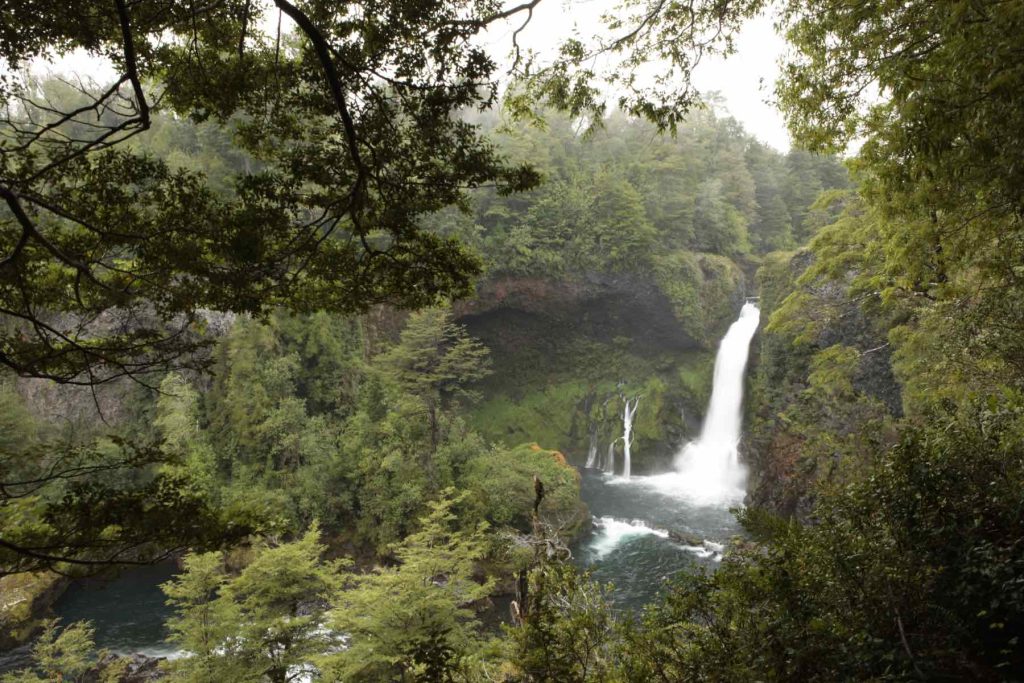
- Anticura Sector: For those looking for waterfalls. The must-sees are Salto del Pudú and Salto del Indio. If you are looking for something more intense, the ascent to Puyehue Volcano (16 km) starts from here, a challenge that offers spectacular views of the ash fields. Located just steps from Chilean customs, it’s the ideal gateway and a must-see first stop for those entering the country from Argentina.
- Antillanca: Don’t miss the volcanic caves, formed by underground lava, creating an almost lunar landscape within the forest.
The impressive Puyehue Lake
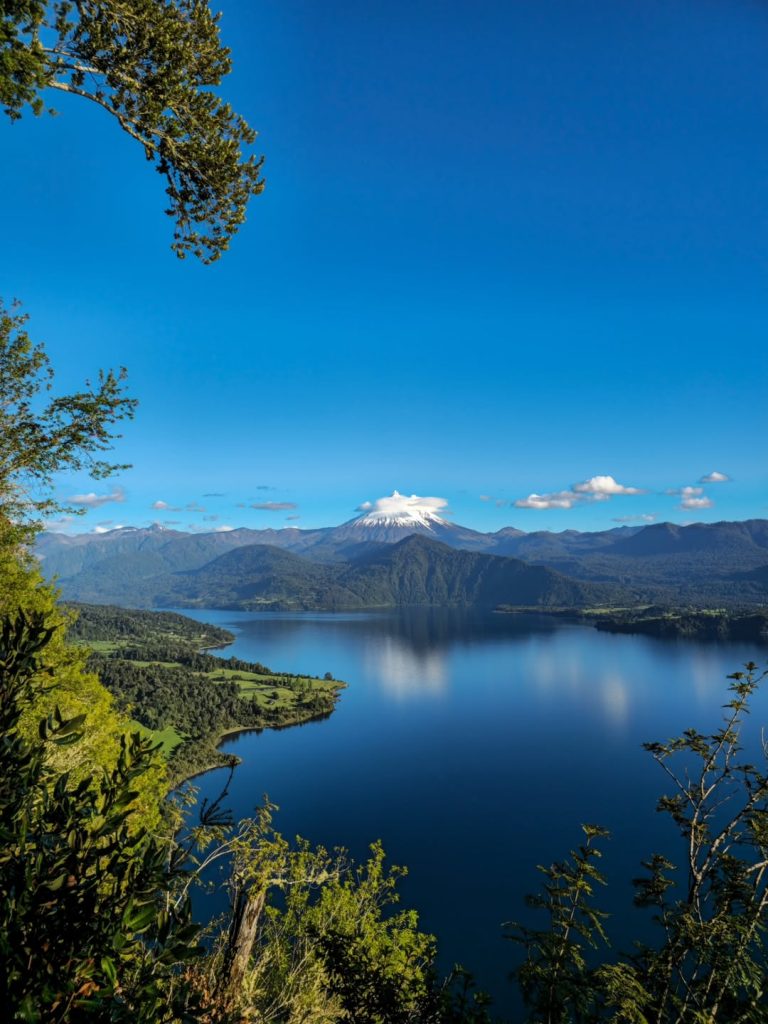
Puyehue Lake is the first destination that will welcome you on this route. True to its Mapudungun meaning, “place of fish,” the lake is a paradise for trout and salmon sport fishing, as well as a perfect place for kayaking or traditional boating.
From its volcanic sand beaches in areas like Ñilque, you get stunning views of the Mocho-Choshuenco volcano. The lake is not administratively part of the National Park; instead, it serves as its geographical boundary and main entrance.
Puyehue Hot Springs and Aguas Calientes Hot Springs

The activity of the Caulle volcanic chain blesses this area with healing mineral waters, highlighting two experiences:
Hotel Termas Puyehue Wellness & Spa
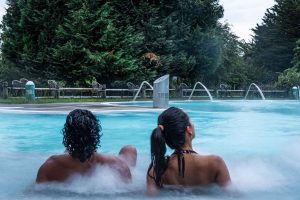
The Hotel Termas de Puyehue is an architectural monument. It offers a total wellness (all-inclusive) experience, with marble thermal pools, spa treatments, and world-class gastronomy. It is the ideal destination for a romantic getaway or deep relaxation.
Aguas Calientes Hot Springs
Located next to the river, they offer indoor and outdoor pools. It is the preferred option for those looking for a rustic atmosphere, with the option to stay in cabins or domes within the same sector of the park.
Antillanca Ski Center
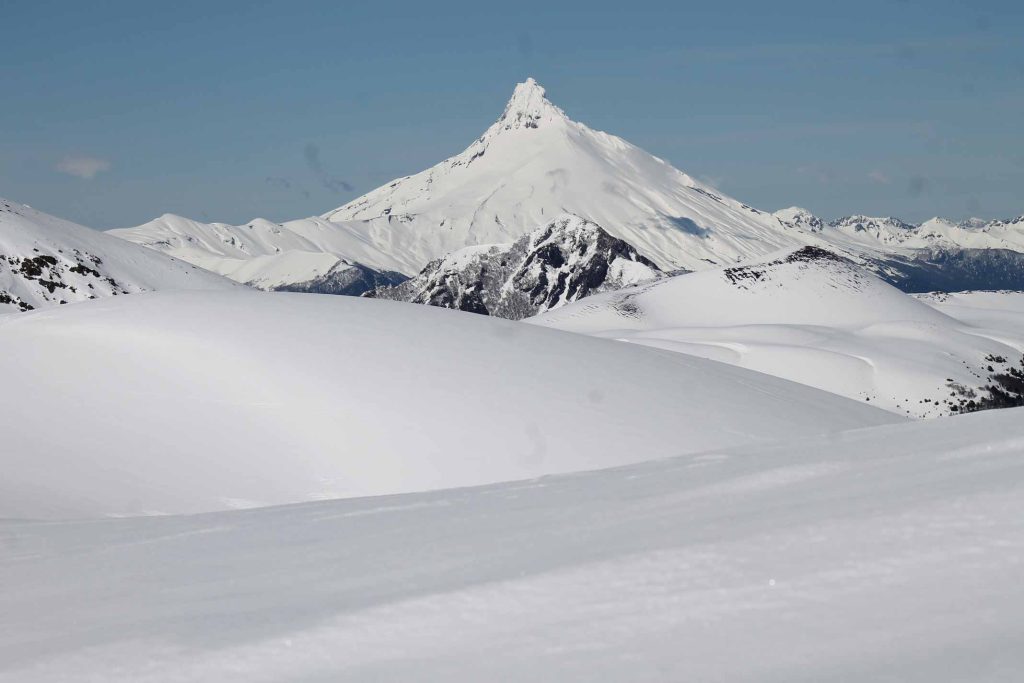
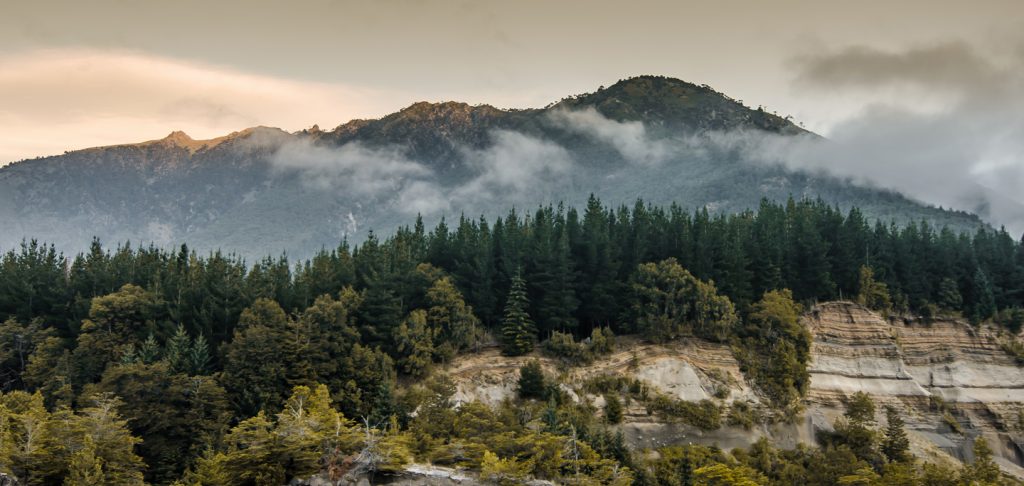
Located within the National Park, the Antillanca Ski Center is a haven for snowboarders and off-piste skiers. Situated on the slopes of the Casablanca Volcano, this sector offers experiences for both experts and those looking to start out in snow sports.
It is also an excellent destination for hiking, as the route to the Raihuén Crater and the volcano summit attracts mountaineers seeking panoramic views of the Andes Mountains.
Birdwatching

Puyehue is one of the best places in Chile for birdwatching, with over 130 bird species. Highlights include the chucao tapaculo, the Chilean eagle, the peregrine falcon, the hummingbird, the Magellanic woodpecker, and the majestic Andean condor.
There are also amazing animals like the puma, the monito del monte, or Darwin’s frog, which is unfortunately endangered.
How to get to Puyehue National Park?
From Chile (Osorno): Daily intercity buses run directly to the National Park. If you’re driving, take Route CH-215 east and then turn off at km 76 onto Route U-485 (towards Aguas Calientes and Antillanca). The trip takes about 1 hour and 15 minutes.
From Argentina (Cardenal Samoré Pass): This park is one of the most accessible destinations for binational tourism. Take National Route 231 and, after crossing the Cardenal Samoré International Pass—one of the lowest and best-connected mountain passes, open year-round—you’ll continue along Chile’s Route CH-215, leading you straight to the park entrances.
If you are traveling by car, take Route CH-215 and then turn off at km 76 onto Route U-485, which leads to the Aguas Calientes and Antillanca entrances. The trip takes about an hour and 15 minutes. Keep in mind that there is a gas station 11 km from the park in the Ñilque sector.
How much is the entrance fee?
Access to the national park trails is free, except for concessioned trails such as El Indio, Repucura, and La Princesa. Find more information at the following link.