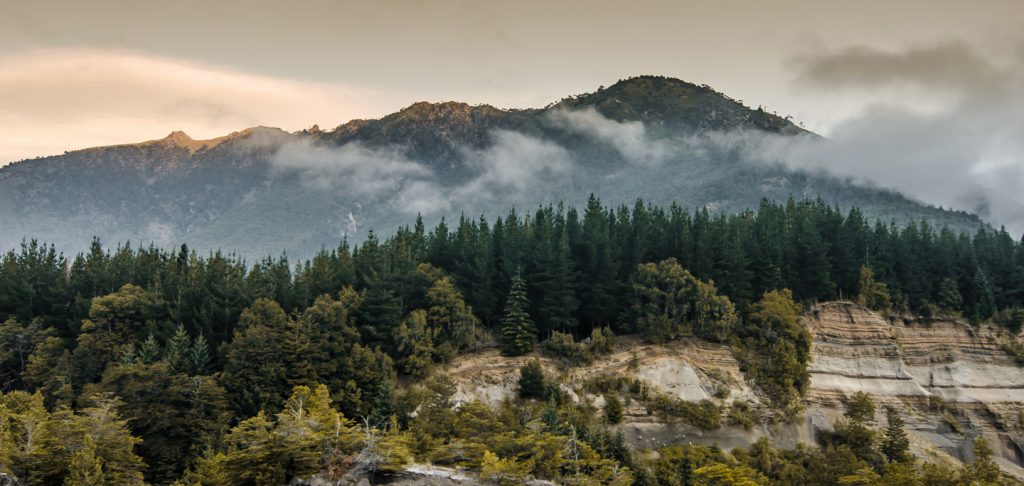
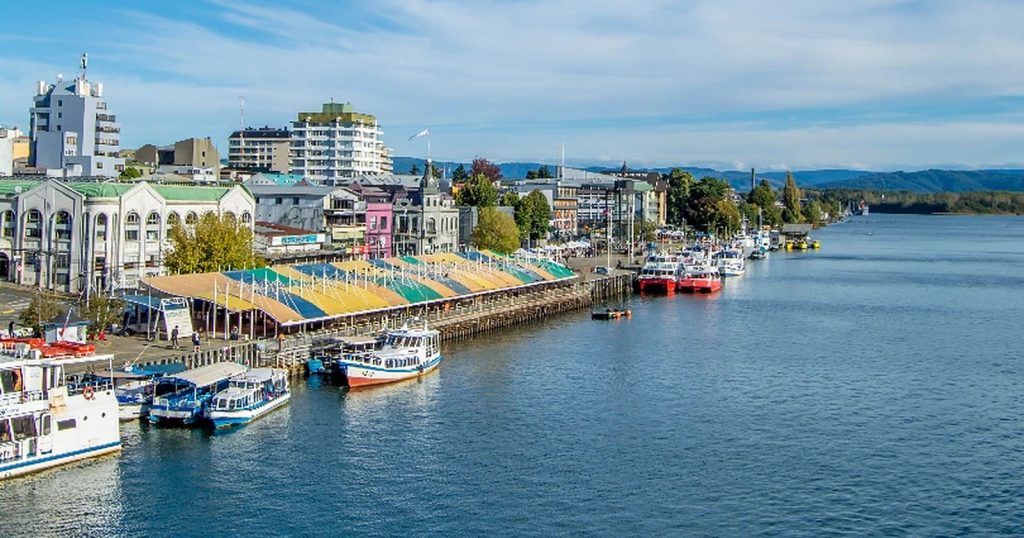
Did you know the south of Chile has rivers, lakes, lagoons, and ponds known for being perfect to catch trout or salmon? With a new sportfishing season about to start, at Chile Travel we are going to tell you everything you need to know about this activity.
With the last quarter of the year, a new season of sportfishing arrives, officially called recreational fishing under Chilean law. It differs from scientific or commercial fishing because it is practiced not-for-profit, with a recreational, competitive, or tourist purpose.
If you are going to go sportfishing in Chile, you must have authorization from the National Fisheries and Aquaculture Service (Sernapesca), which is personal and non-transferable. The price of the document varies depending on the type of license, and you can carry it digitally on your phone.
The beginning and end of the season depends on the place and species, although in most cases it runs from November to May, with early openings in October for some southern regions.
Be a committed fisherman
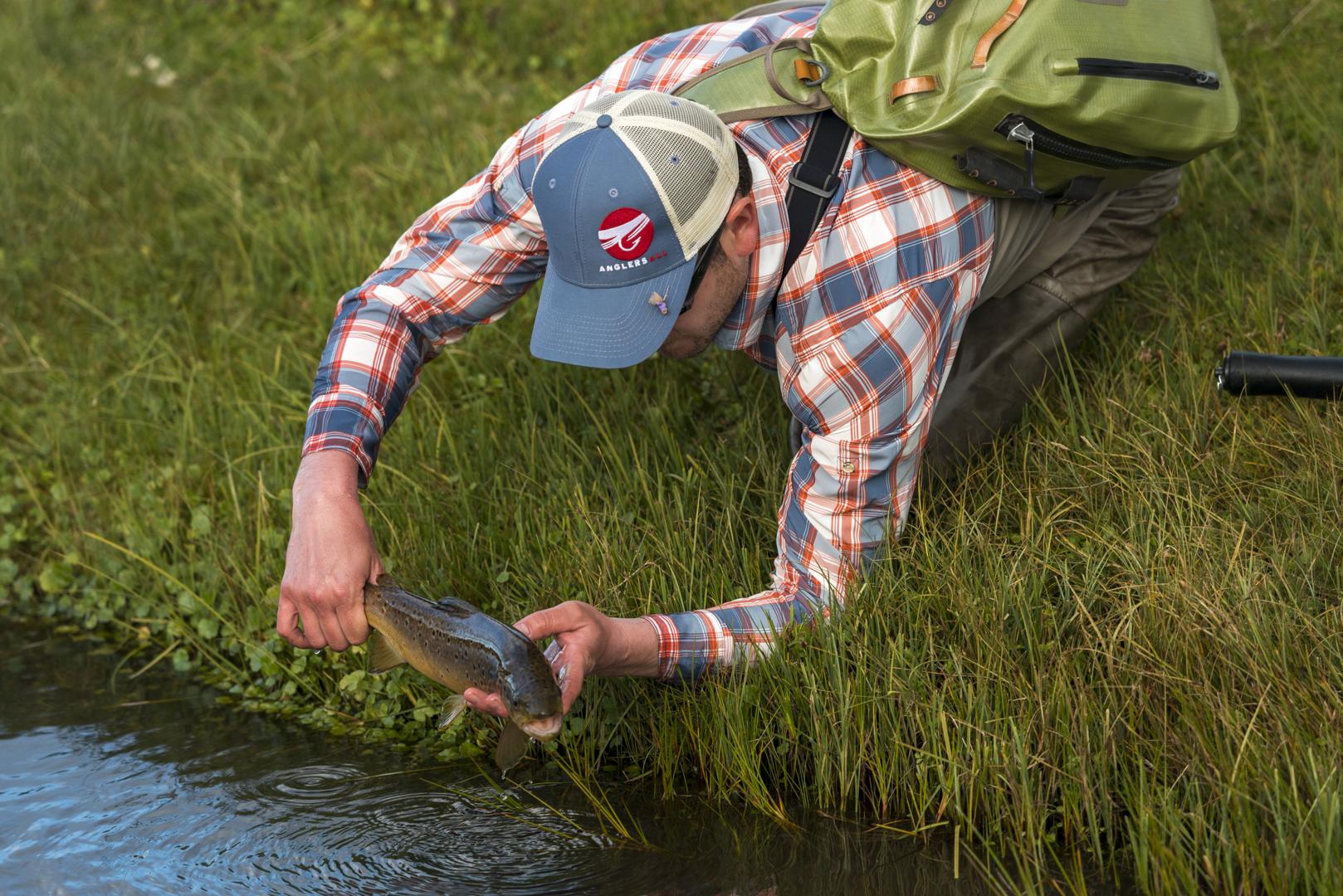
Sportfishing requires commitment from those who practice it, as well as respect for the fish. It is important to cope with a bad day with dignity and not be arrogant after a successful day. Share your knowledge with modesty and learn with humility from the most experienced.
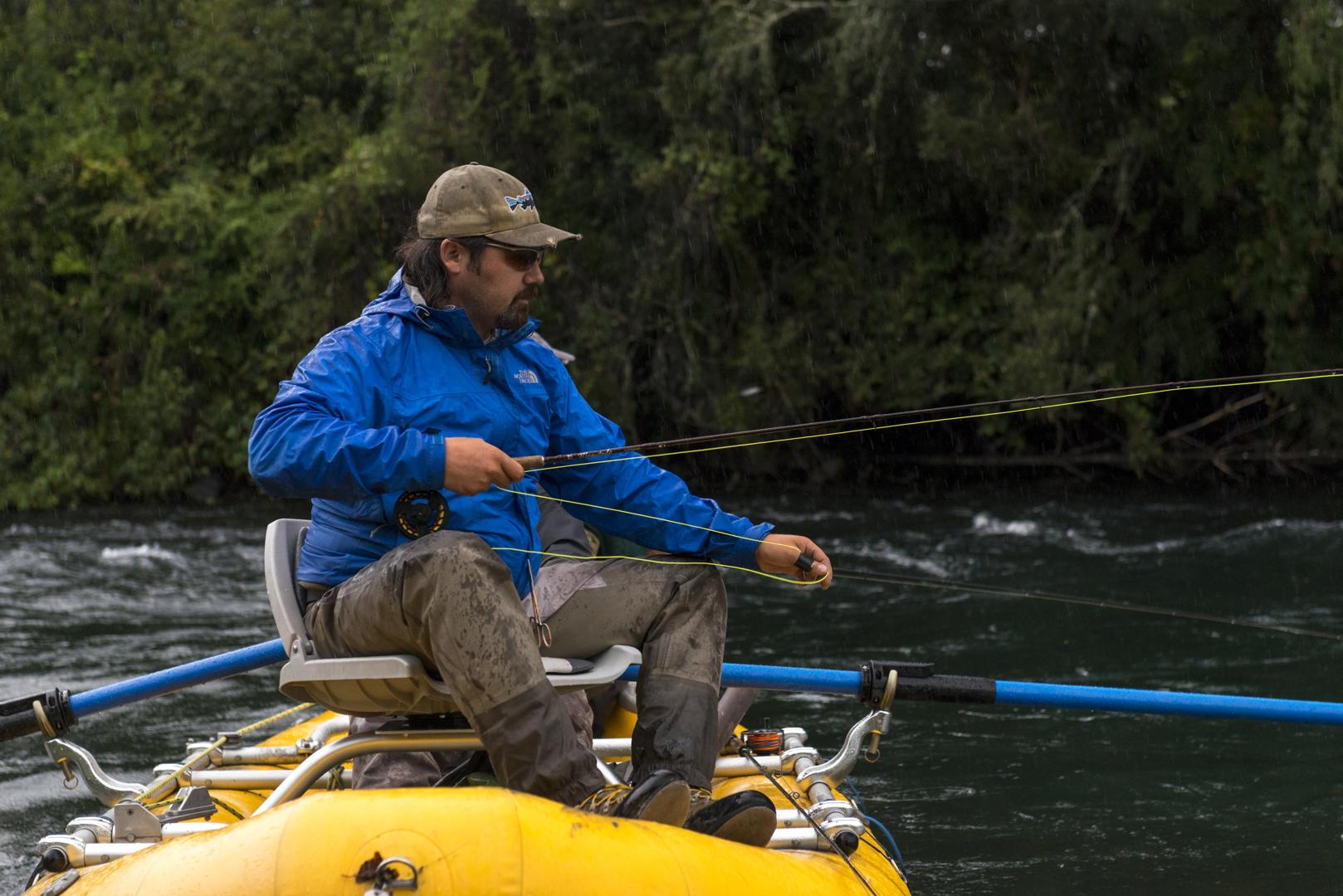
Among the different sportfishing techniques, the most popular is fly fishing. Commonly used in freshwaters, it is known for using artificial lures called “flies,” unlike others such as trolling fishing or spinning fishing.
To be a responsible fisherman today, you must follow two vital conservation rules:
- Stop didymo: Always follow the Remove, Wash, and Dry protocol for your gear, boots, and boats for at least 48 hours before changing bodies of water.
- Protect native wildlife: As of 2026, a 20-year ban is in place for 30 freshwater species (such as catfish, peladillas, and native silversides), so any accidental catch must be returned to the water with as little harm as possible.
The satisfaction of sportfishing in Southern Chile
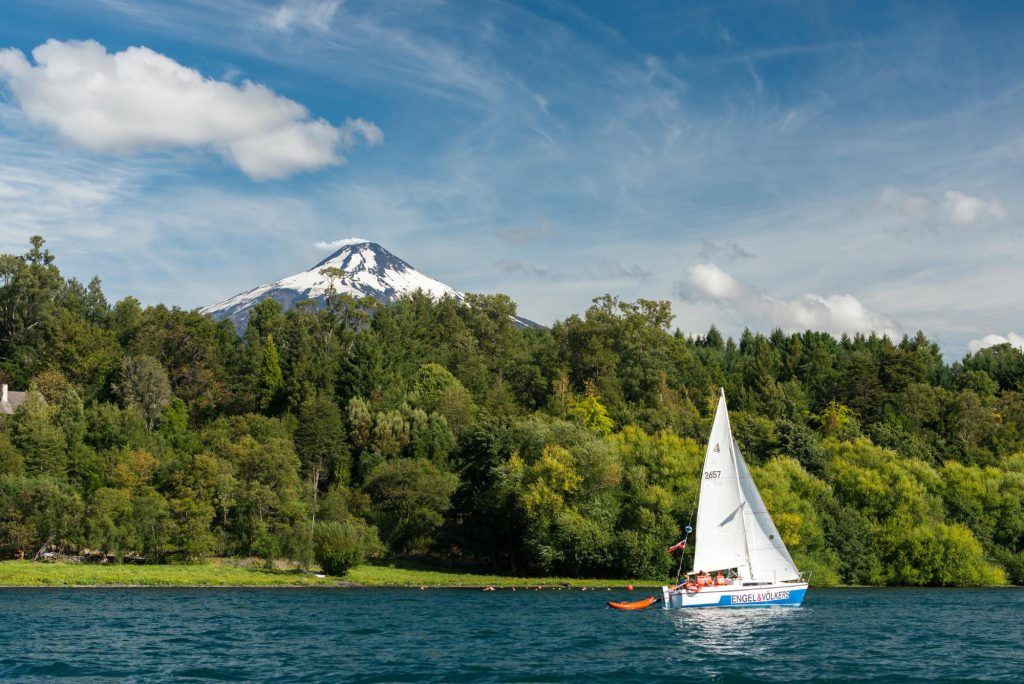
The rivers, lakes, lagoons, and ponds of Southern Chile are perfect for sportfishing. Here we tell you about three well-known fishing spots that will also amaze you with their beautiful natural landscapes.
Puelo River

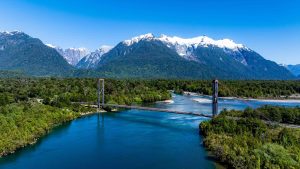
There’s nothing better than listening to the melody of the birds, dipping your feet in the water, and enjoying the magical atmosphere of the Puelo River, in the Los Lagos Region.
An icon of this river is the Chinook salmon, a huge, hard-fighting fish that appears mainly between February and March. There have been reports of specimens up to 23 kilos (kg). Keep in mind that in this basin, the mandatory release of all trout is in effect, and only one salmon per day may be kept. There are tour operators that include a fishing guide and transportation, although in most cases you will need your own equipment.
Palena River
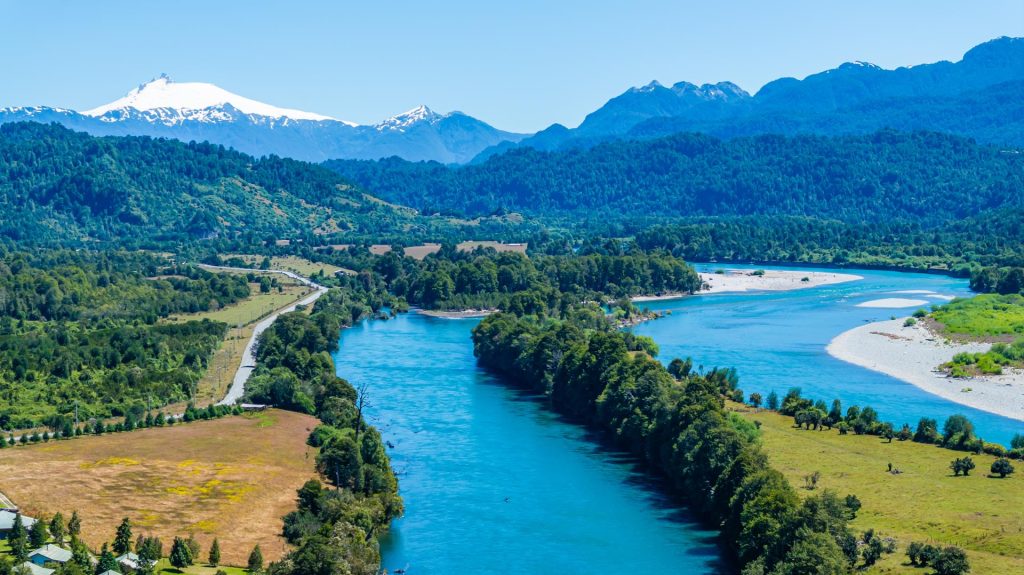
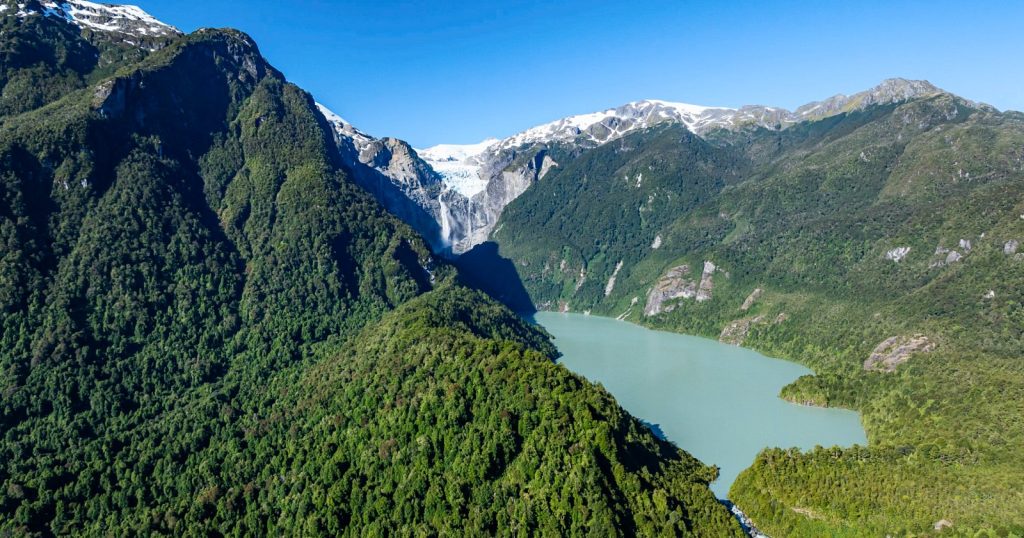
If you travel further south, you’ll discover there’s no better stress therapy than sportfishing in the Palena River, one of the best places in the world to catch trout.
The river crosses the Los Lagos and Aysén regions, offering everything from a lenga and cypress forest in the mountains to a green forest at its mouth to the sea. Its features make it a special place for shore fishing or fishing from non-motorized boats. To protect its ecosystem, in much of its course the mandatory trout catch-and-release rule is also in effect.
Tierra del Fuego

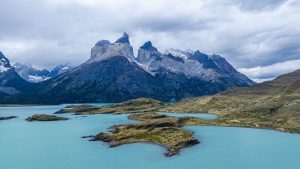
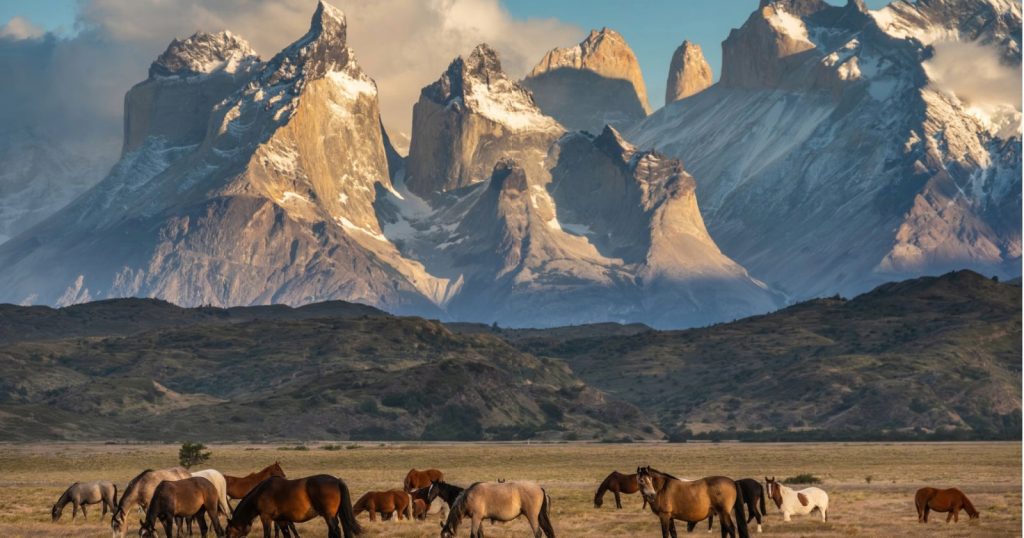
We head to the far south of the Magallanes Region to go sportfishing in Tierra del Fuego, another world-famous destination for its trout. Some can reach 15 kg.
Here you’ll find the Río Grande and lakes Blanco, Deseado, and Fagnano. The latter is called “The rest on the horizon” by the Ona culture, because the imaginary line toward the horizon is interrupted by the water.
Although at first glance it may seem like a harsh area due to its sparse vegetation and cold weather, fishermen from different countries travel to this area to live a magical experience. Remember that in the Río Grande and lakes Deseado and Despreciado fishing is 100% mandatory catch-and-release (with a single barbless hook); only in Lake Fagnano are you allowed to keep catches year-round.
License and mandatory requirements
So you can enjoy your trip without legal issues, keep in mind these mandatory regulations across the country:
- Getting it and carrying it: The fishing license is obtained on the official portal pescarecreativa.sernapesca.cl. You must carry it at all times (physical or on your phone) along with your ID card, passport, or DNI to show to Sernapesca inspectors, Carabineros, or the Navy.
- Allowed tackle: You must use a hand-held rod (no more than one at a time) and only artificial lures with a single or treble hook (“spider”). Using nets in freshwater is a crime punishable by law.
- General maximum limit: Where keeping fish is allowed, the limit is 3 specimens per day or up to 15 kilos (whichever comes first).
- Commercial and night ban: You can’t sell the fish you catch. Also, night fishing from boats is prohibited between 21:00 and 06:00 near river mouths and drainage outlets.
Calendar and rules by region (2026–2027 season)
Check the official dates and the main salmonid (trout and salmon) exceptions from north to south to plan your trip:
| Region | Opening | Closing | Mode and key exceptions |
| Arica y Parinacota to Coquimbo | Nov 13, 2026 | May 2, 2027 | With retention (max. 3 salmonids or 15 kg/day). Native Altiplano fish (such as karachi) are protected. |
| Valparaíso and Metropolitana | Nov 13, 2026 | May 2, 2027 | With retention. Estero Ojos de Agua (Valparaíso) has a year-round fishing ban. |
| O’Higgins and Maule | Nov 13, 2026 | May 2, 2027 | With retention (max. 3 salmonids or 15 kg/day). |
| Ñuble and Biobío | Oct 16, 2026 | May 2, 2027 | With retention (early opening). |
| La Araucanía | Nov 13, 2026 | May 2, 2027 | With retention. Chinook salmon in the Toltén and Imperial rivers from Sep 15, 2026 to Mar 31, 2027. Huitag wetland closed year-round. |
| Los Ríos | Oct 9, 2026 | May 30, 2027 | With retention in the general season. Calcurrupe, Coñaripe, Llanquihue, and San Pedro rivers, and Huishue and Gris lakes open on Nov 13, 2026 with mandatory trout catch-and-release. |
| Los Lagos | Nov 13, 2026 | May 2, 2027 | Palena, Petrohué, and Lake Todos los Santos open on Nov 1, 2026; the Puelo basin and Rahue River close on May 31, 2027. In large lakes and main basins, mandatory trout catch-and-release is in effect. |
| Aysén | Oct 12, 2026 | May 6, 2027 | Rivers: retention only from Dec 1, 2026 to Feb 28, 2027. Lakes and lagoons: retention from Nov 10, 2026 to Apr 1, 2027. Paloma River: 100% catch-and-release all season. Chinook: Oct 12 to Jan 15, 2027. |
| Magallanes | Oct 16, 2026 | Apr 14, 2027 | With retention in general. Parrillar Lagoon: catch-and-release only and barbless hook. Tierra del Fuego (Río Grande, lakes Deseado and Despreciado): 100% catch-and-release. Lake Fagnano: open year-round with retention. |