Chile is much more than just its continental territory. Along its more than 4,300 kilometers of coastline, there are over 40,000 islands, each with different landscapes and cultures.
Destinations like Rapa Nui, Juan Fernández, Chiloé, Mocha Island, and Navarino Island are part of this insular map. There, you’ll find experiences ranging from touring archaeological sites to spotting unique wildlife, learning about traditions, and exploring trails in the most remote nature of the southern world. We invite you on a journey through the islands of Chile!
Robinson Crusoe Island: exclusive nature
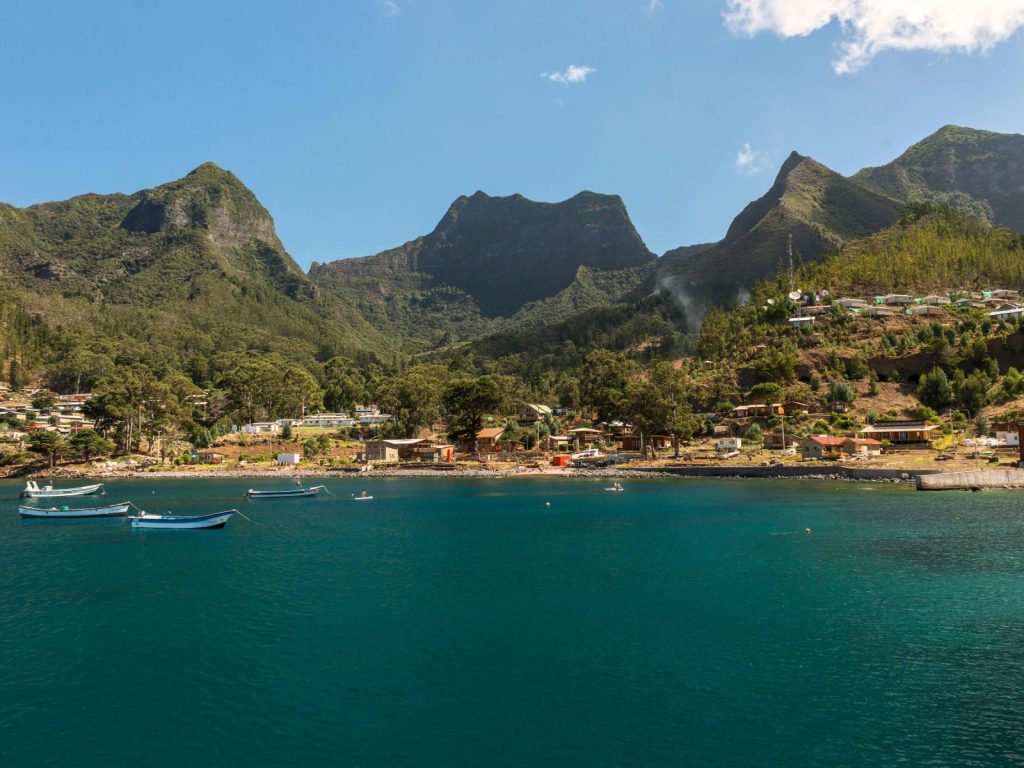
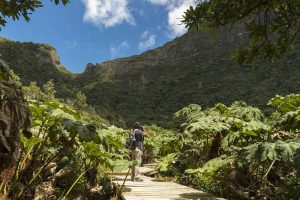
Located 670 kilometers from the mainland is the Juan Fernández Archipelago, a sanctuary where endemic flora reaches 63.4%, a rate higher than that of the Galápagos or Hawaii. It is home to wonderful animals such as the Juan Fernández fur seal and the Juan Fernández firecrown.
On its main island, Robinson Crusoe, you can hike trails to the Selkirk Lookout, dive in crystal-clear waters, and practice artisanal fishing with the local community. The best time to visit this island is between October and March, when weather conditions allow you to fully enjoy its biodiversity.
- How to get there? Three airlines from Santiago fly to Juan Fernández during the high season. You can also arrive by sea from Valparaíso, but spots are limited. Find official information at the following link.
Rapa Nui: mystery in the middle of the Pacific
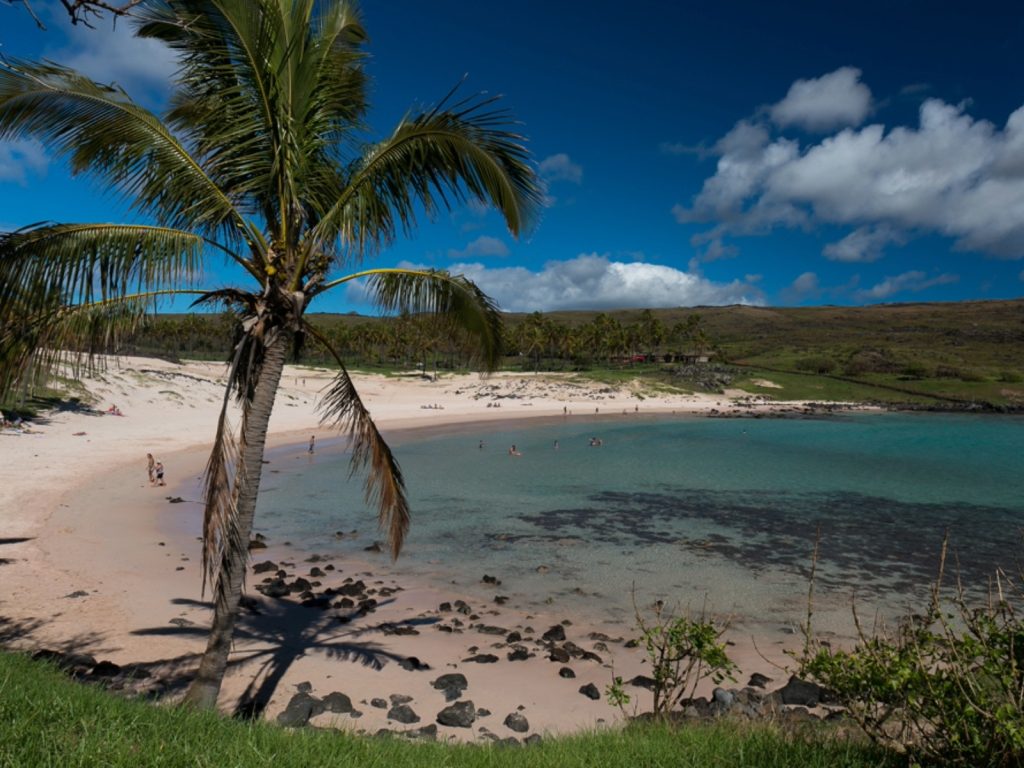
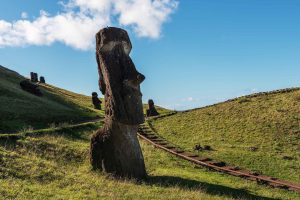
Located more than 3,500 kilometers from the mainland, Rapa Nui is one of the most remote inhabited islands on the planet. Its volcanic landscape is marked by nearly 900 moai, imposing stone sculptures that reflect the history of the Rapa Nui people.
Declared a UNESCO World Heritage Site, the island stands out for sites like the Rano Raraku moai quarry; the volcanic crater of Rano Kau, which houses a freshwater lagoon inside; and the majestic Ahu Tongariki, where 15 moai line up facing the Pacific Ocean, creating one of Rapa Nui’s most iconic sunrises.
- How to get there? Direct flights depart from Santiago to Mataveri International Airport. The trip takes approximately 5 hours and 30 minutes. Booking in advance is recommended.
Mocha Island: fire over the sea
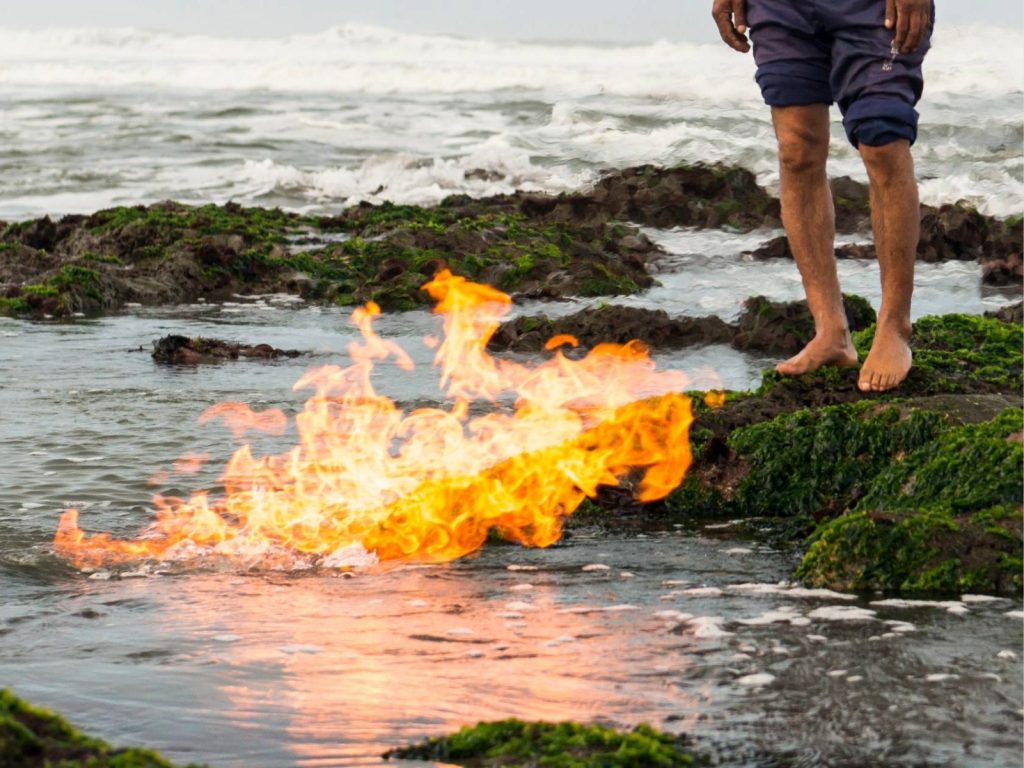
Off the coast of the Biobío Region lies one of Chile’s best-kept secrets. Just 34 km from the coast, Mocha Island is a pristine place with barely touched natural landscapes where an unusual phenomenon occurs on its shores: fire over the sea. The reason? Small natural gas emissions emerge between the rocks, allowing flames to be lit directly on the water.
A curious fact: it is said that these waters were the territory of the legendary Mocha Dick, the white sperm whale that—along with the shipwreck of the whaleship Essex—inspired Herman Melville’s novel Moby-Dick.
- How to get there? To visit this destination, the quickest way is to travel to Tirúa, about 3 and a half hours from Concepción. From Lequechahue Airfield, you can take a small plane for a flight of only 10 to 20 minutes. You can also take a small plane from the towns of Lebu and Cañete, although the latter has much less frequency. Find more information at the following link.
Chiloé Archipelago: myths and traditions of the islands of Chile
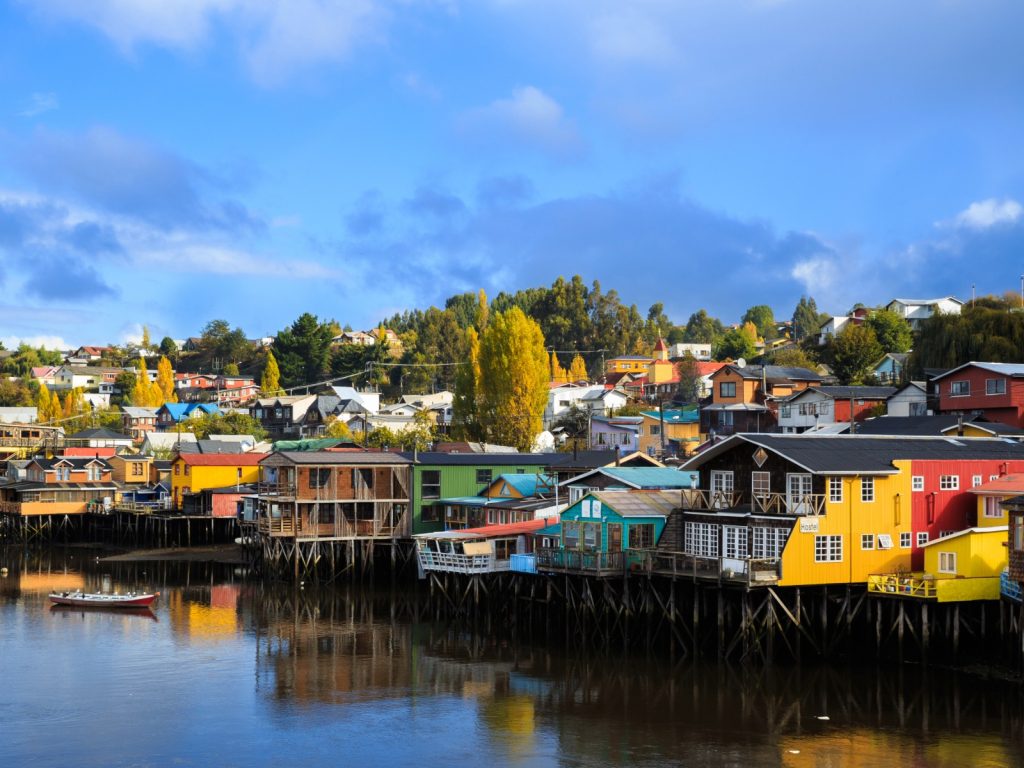
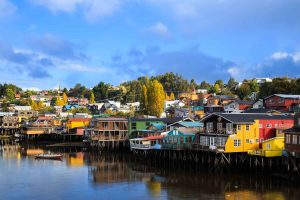
One of the most iconic destinations in southern Chile. In the Los Lagos Region, you’ll find the Big Island of Chiloé, a land of fascinating myths and legends and magical landscapes that house a rich biodiversity with species like pudus and penguins.
Among its great treasures are its 16 wooden churches, declared UNESCO World Heritage Sites for their unique architecture, where European techniques and local knowledge (shoreline carpentry) merged during their construction between the 18th and 19th centuries.
The experience in Chiloé also includes its gastronomy, where traditional dishes like curanto—cooked in a hole in the ground with seafood, meat, and potatoes—are part of its identity.
- How to get there? Chiloé has very good connectivity. If you travel by air, you can take a flight to Mocopulli Airfield. If you go by land, you must reach Puerto Montt and cross the Chacao Channel by ferry (approximately 30 minutes), which runs frequently and allows you to bring your vehicle.
Navarino Island: the challenge of the end of the world
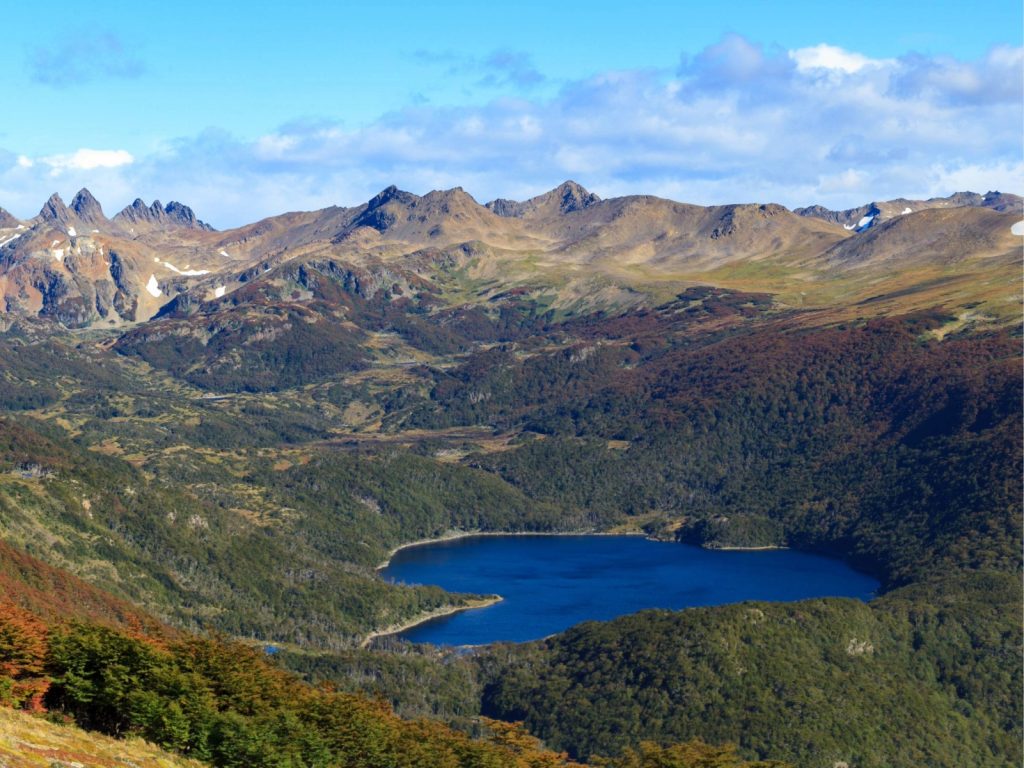
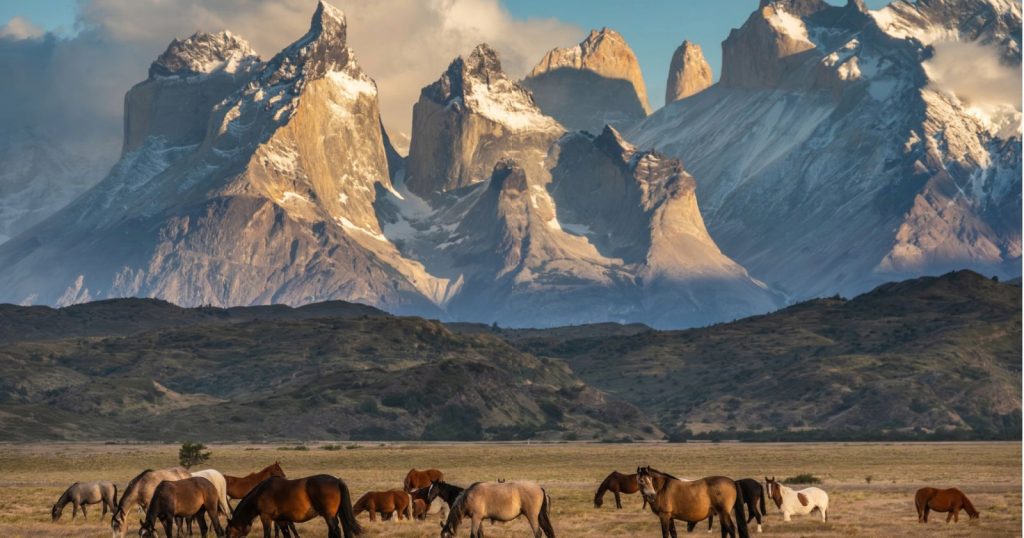
We close our list with the end of the world. Located south of the Big Island of Tierra del Fuego, Navarino Island is a destination associated with exploration and extreme nature. Its main city is Puerto Williams, considered the southernmost city in the world.
One of its main attractions is the Dientes de Navarino circuit, a 4 to 5-day trek that crosses sub-Antarctic landscapes among lagoons, peat bogs, and jagged peaks. Additionally, you can spot birds and marine wildlife, and take excursions to Cape Horn, one of the most southern and remote points in the world.
- How to get there? The main access is by air from Punta Arenas, on a flight of just over an hour. It is also possible to arrive by ferry through the Patagonian channels, although the trip takes approximately 30 hours. Find more information here.