Did you know that Chile has 46 national parks? This makes us a powerful green destination of interest to ecotourism lovers worldwide.
From the north to the far south, their main objective is to preserve flora and fauna species of special educational, scientific, and recreational interest. Forests, glaciers, and salt flats that we must protect, as they are endemic species that make each park a unique and unforgettable environment.
Discover Chile’s national parks, explore them, and tell us which one is your favorite! Here’s a list of some must-sees.
Lauca National Park
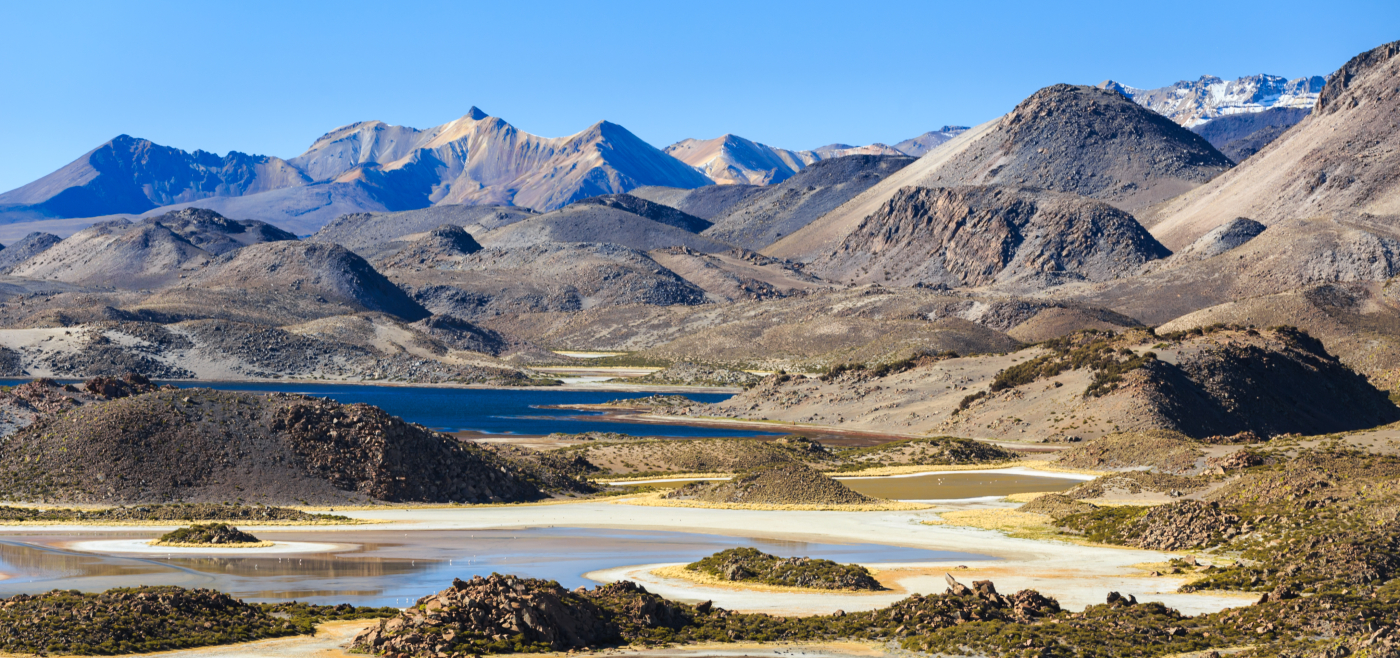
A major attraction in Chile’s far north, it was named a World Biosphere Reserve by UNESCO and is characterized by the great variety of fauna it harbors. Lake Chungará and the Cotacotani and Parinacota lagoons are the stars of this natural attraction, offering the most beautiful photo opportunities.
Salar de Huasco National Park
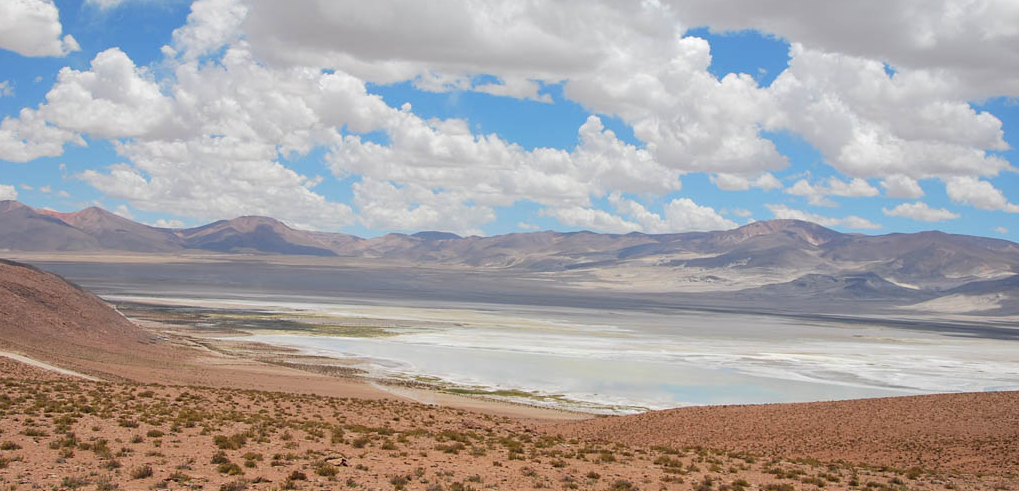
In the Chilean altiplano, this place is full of morphological and natural wonders that will make the adventure at over 4,000 meters of altitude worthwhile.
Enjoy the majesty of the Chilean flamingos, whose striking pink plumage contrasts with the aridity of the magical Atacama Desert.
Pan de Azúcar National Park
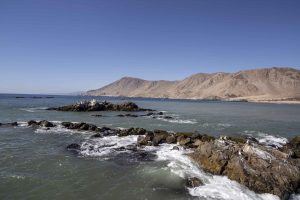
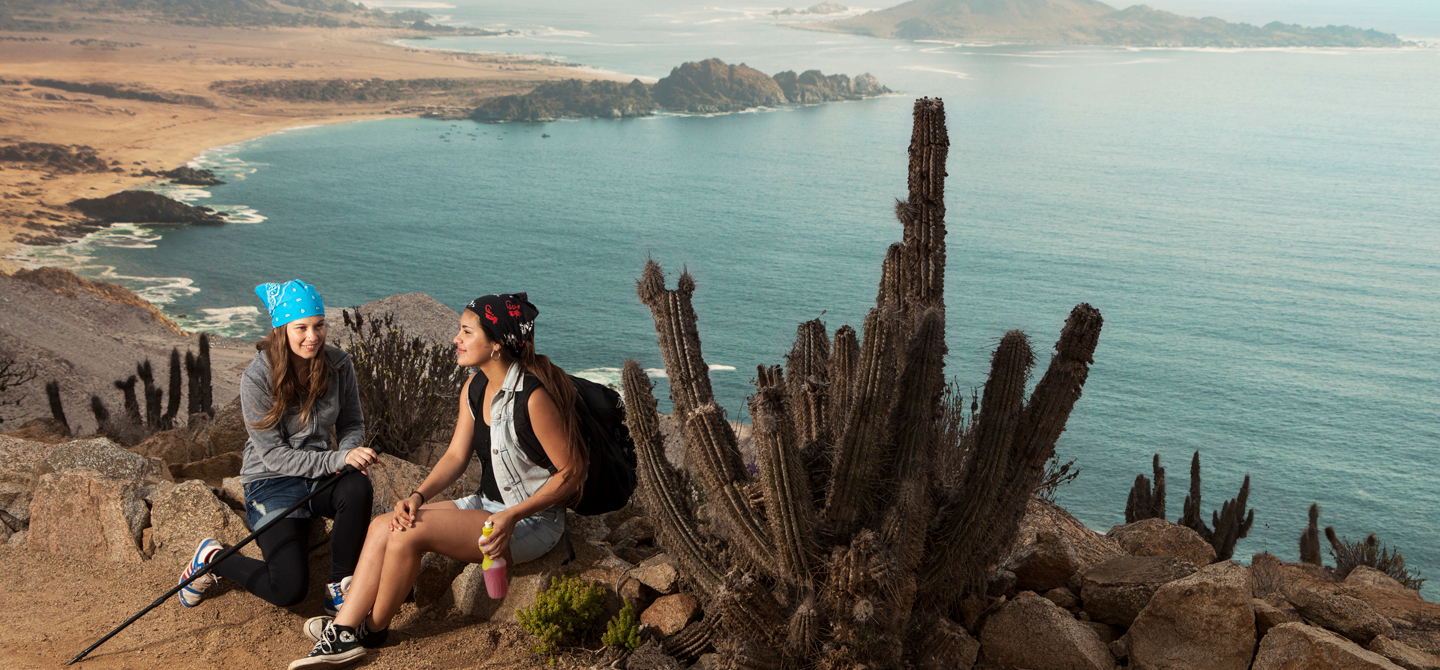
A wonder of the coastal desert! Located 800 meters above sea level, this park exists thanks to the dense mist that rises from the coast to the high valleys, called Camanchaca, which is responsible for humidifying the cacti and shrubs, allowing for its great richness of flora and fauna.
From here, you can visit a colony of Humboldt penguins located on Pan de Azúcar Island. Keep an eye out, as you’re sure to also encounter a culpeo fox.
Nevado Tres Cruces National Park
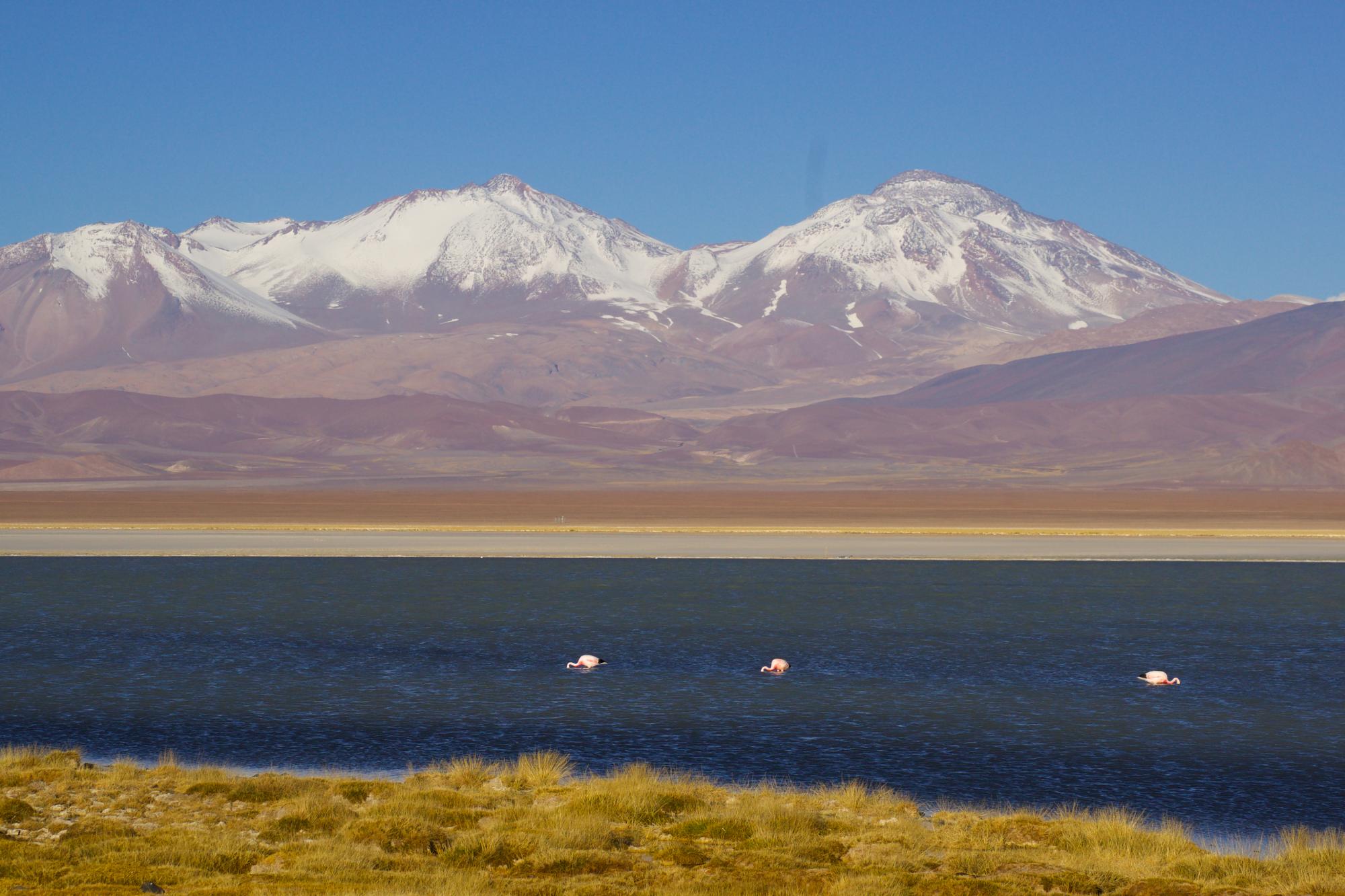
Located in the high Andes of the Atacama Region, it protects Laguna Santa Rosa and Laguna Verde, guarded by majestic volcanoes such as Ojos del Salado. An Andean refuge surrounded by flamingos and high-mountain saline landscapes.
An ideal spot for mountaineering and photography enthusiasts, where you can contemplate altiplanic flamingos, vicuñas, and foxes that inhabit among salt flats and impressive snow-capped peaks.
Llanos de Challe National Park
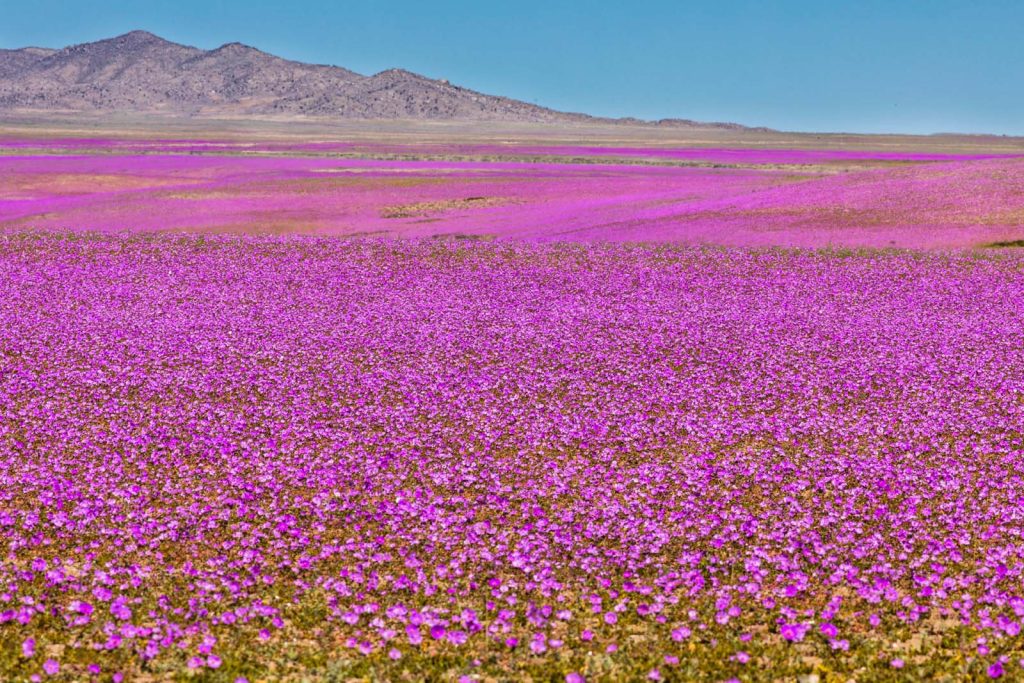
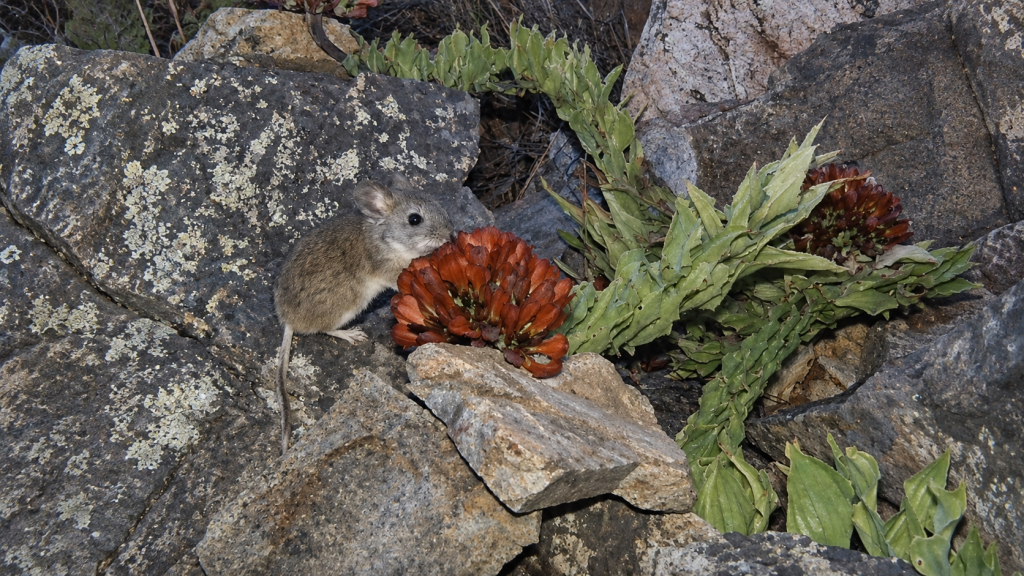
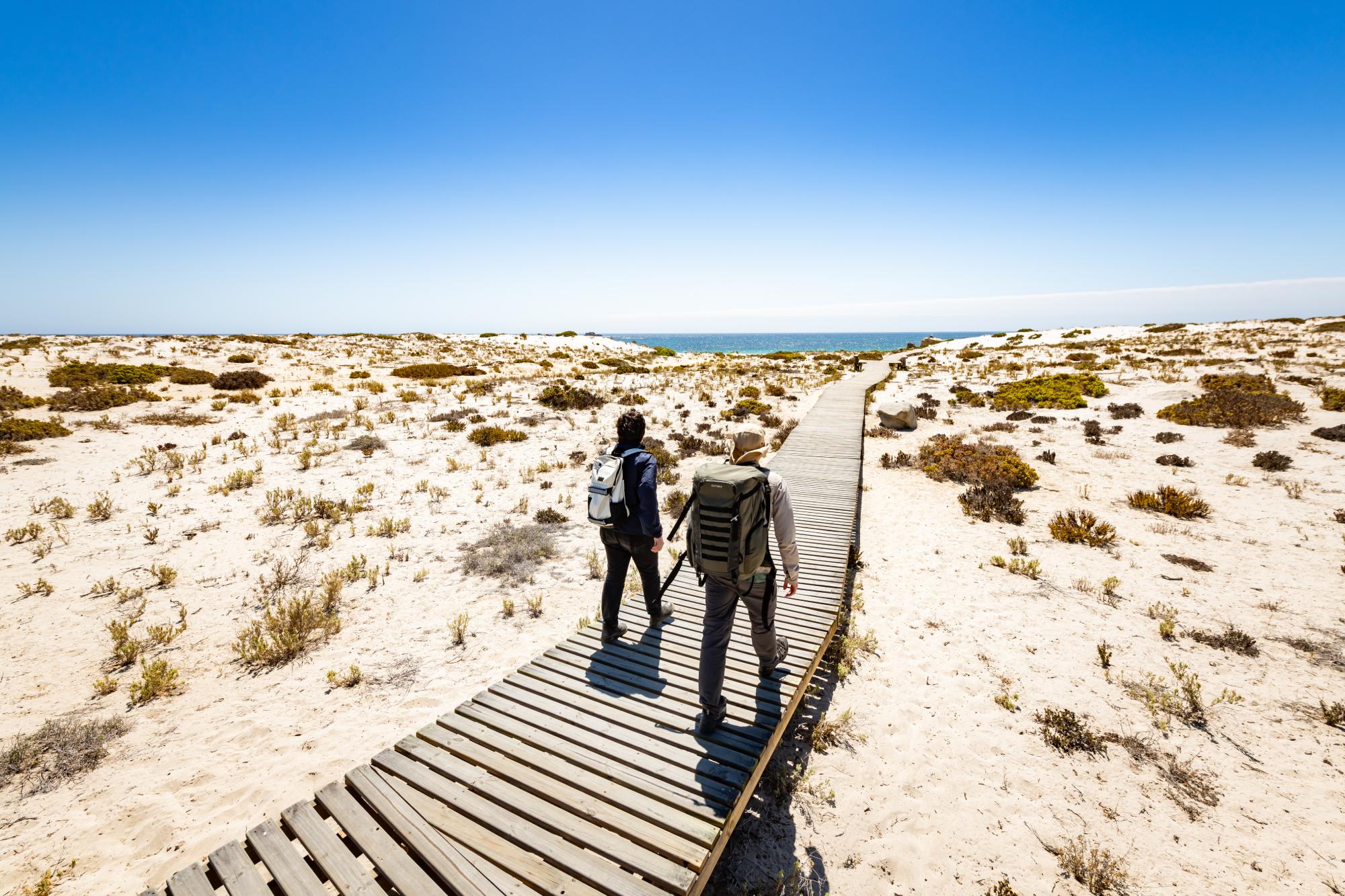
Located on the coast of the Atacama Region, it is one of the main settings for the astonishing phenomenon of the Flowering Desert. It protects unique endemic flora, highlighting the iconic Garra de León, an impressive red flower considered one of the rarest and most beautiful species in the country.
Its white dunes, ravines, and coastal trails facing the Pacific Ocean invite you to hike, photographing guanacos, foxes, and a vast variety of cacti adapted to the aridity.
Fray Jorge National Park
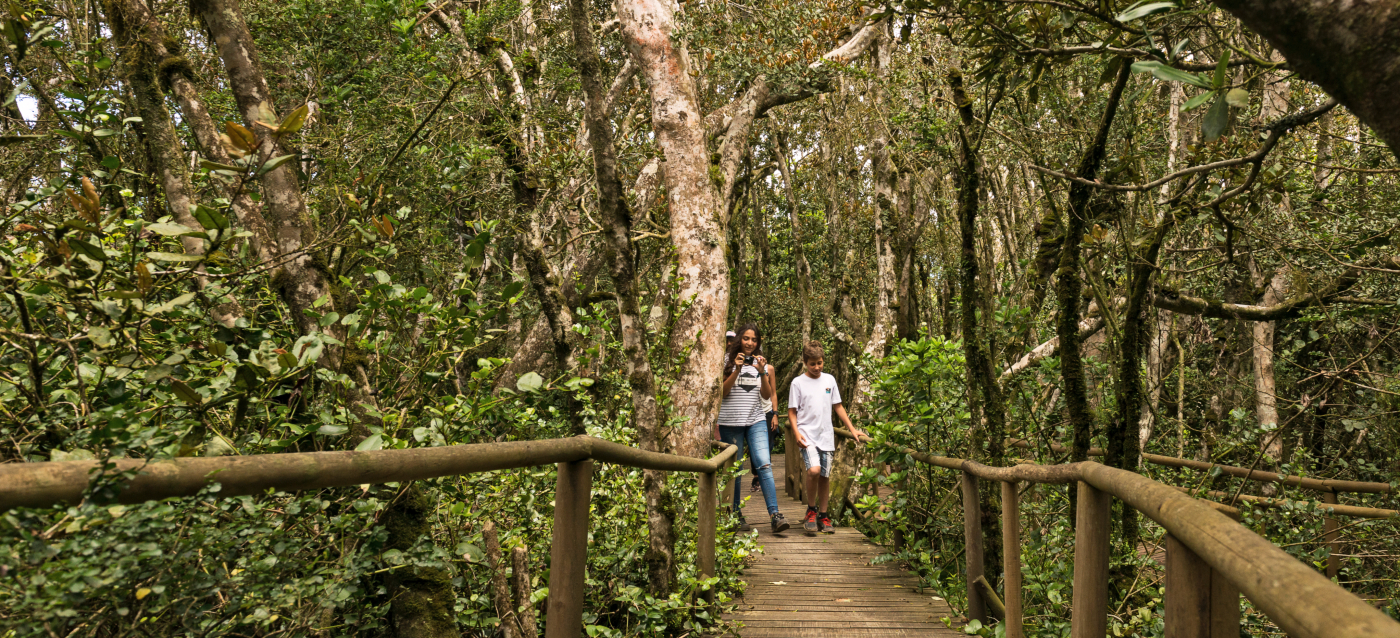
Although it may seem contradictory, Fray Jorge National Park is a little piece of southern Chile in the northern part of the country. This park is a humid forest next to the Atacama Desert, the driest in the world.
Magical and mysterious, it invites you to explore its Valdivian forest trails and climb to various viewpoints where you can appreciate wonderful views of the Pacific Ocean and photograph native animals such as the culpeo fox, the marine otter, and birds like the peregrine falcon.
Nahuelbuta National Park
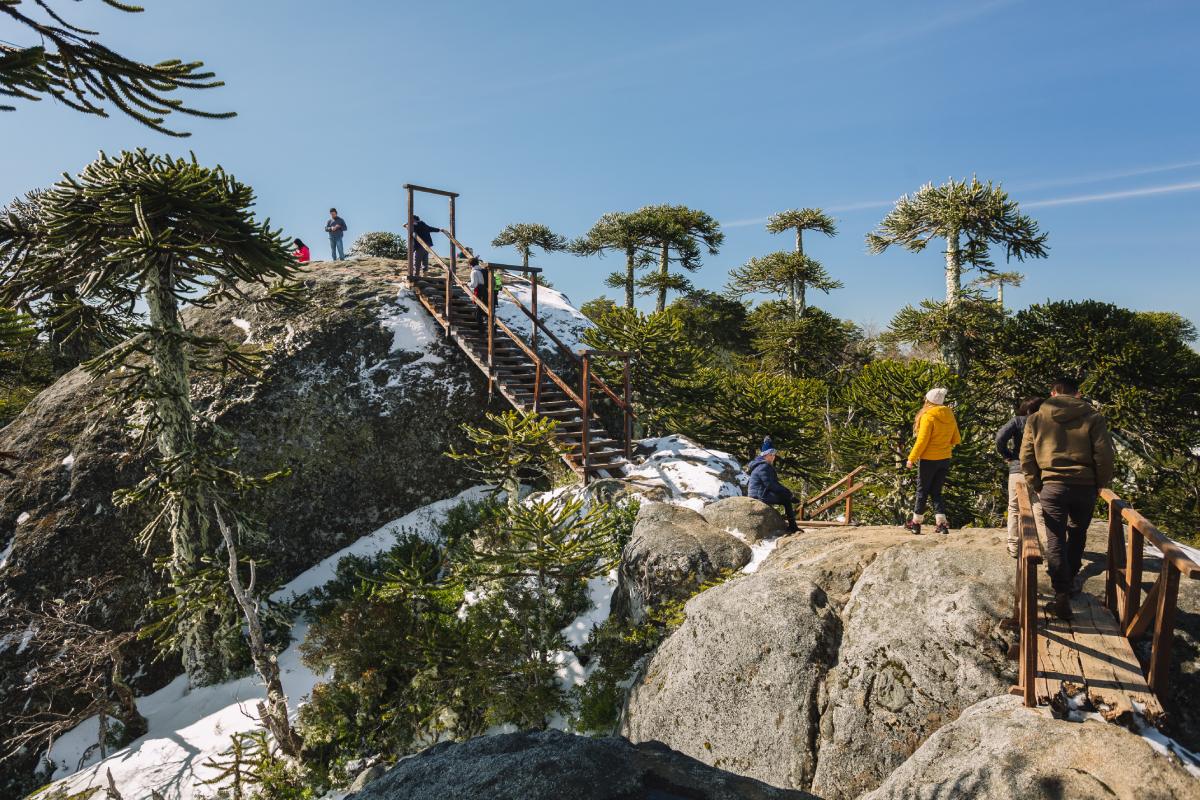
A true treasure in the Coastal Range of Araucanía, famous for harboring ancient araucaria forests outside the Andean strip. Its unmissable star is the Piedra del Águila viewpoint, a rocky promontory from which, on clear days, you get a privileged panoramic view that spans from the Andes volcanoes to the Pacific Ocean.
Its lush trails are ideal for family trekking, bird watching, and searching for the elusive pudú and Darwin’s fox.
Villarrica National Park
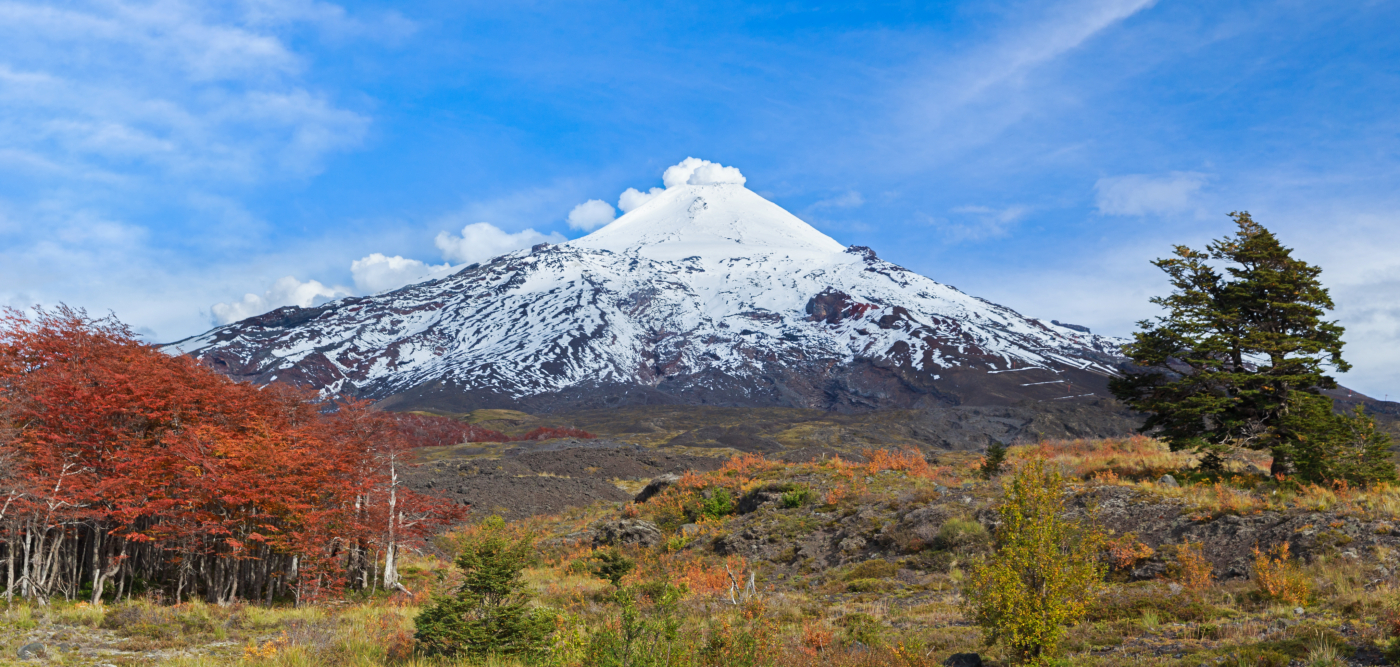
Located 8 km from Pucón, the Villarrica volcano is found in the middle of this park, giving the destination its name. The vestiges of ancient volcanic eruptions make this place an area of unique beauty. An example of this is Lake Calafquén, where you can enjoy water activities, sport fishing, and sports activities on the shores of the resort.
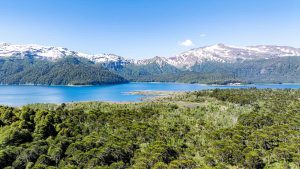
Another must-see in the park are the trails surrounding the volcano, from which you can access Lakes Caburgua, Calafquén, and Villarrica, as well as see the snow-capped volcanoes Sollipulli, Lanín, Osorno, and Choshuenco.
Conguillío National Park
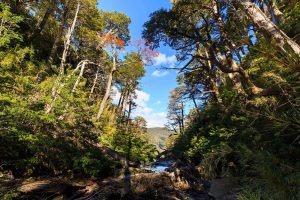
Surrounded by mystical rivers hidden behind lush native forests, it has become a natural refuge that lulls its visitors with the natural sound of birds and its pristine waterfalls.
Do you like the age of dinosaurs? Then this place will steal your heart, as due to the eruptions of the Llaima volcano, some sectors resemble the Jurassic period. All this, amidst araucarias over a thousand years old.
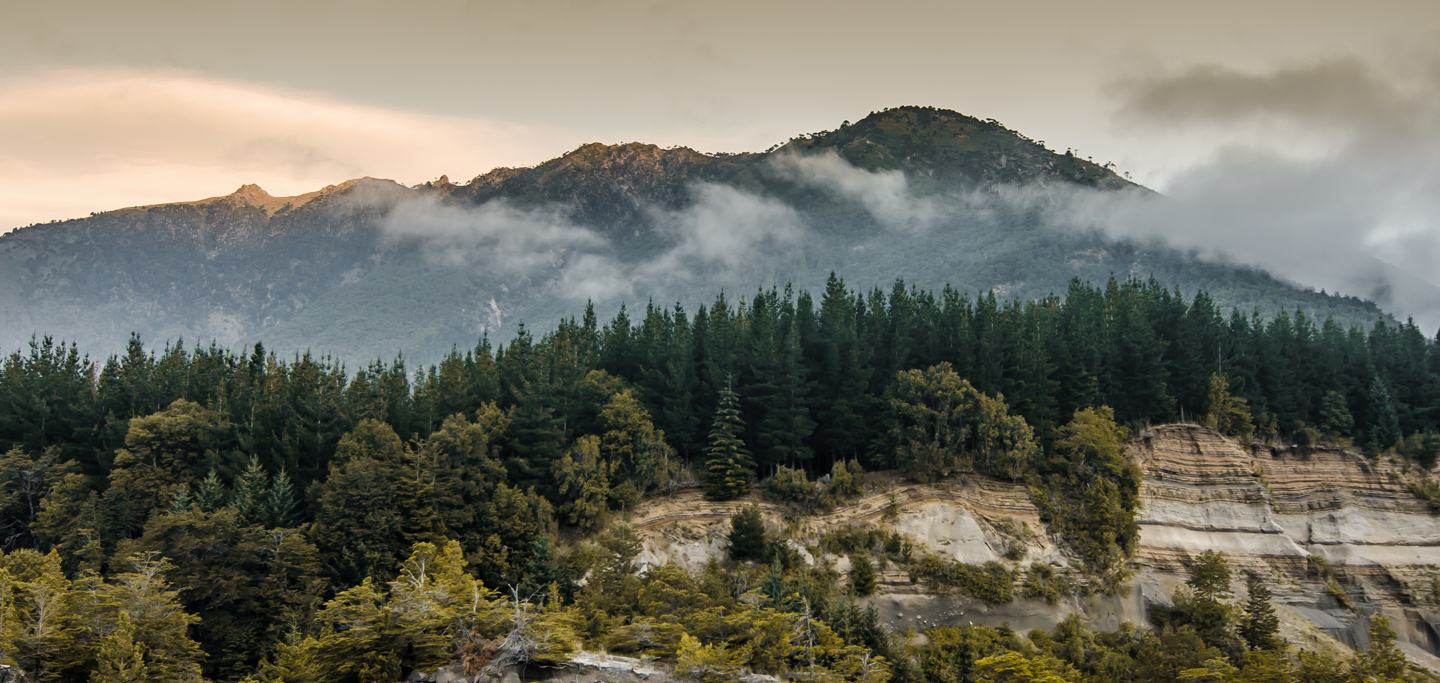
Vicente Pérez Rosales National Park
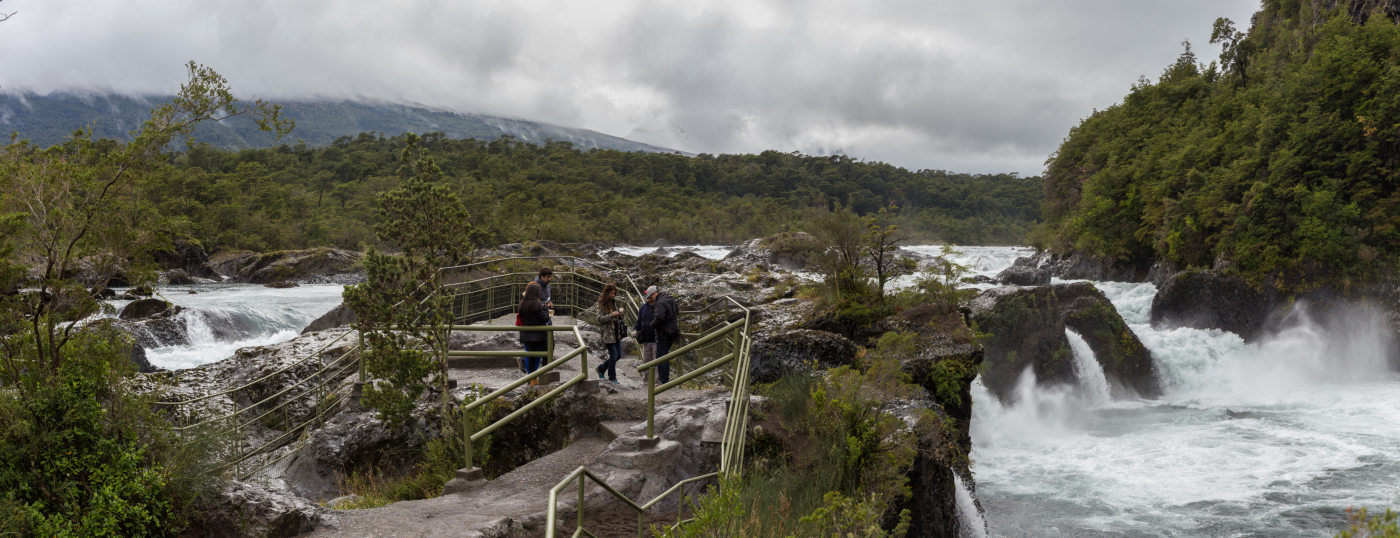
One of Chile’s most popular parks, due to the tourist attraction of the Petrohué Falls and Lake Todos Los Santos, which draws visitors from all over the world.
But that’s not all; every visitor is surprised by the immense beauty of this green paradise, home to unique fauna such as the pudú – a dwarf deer typical of Chile – pumas, quiques, taguas, and black woodpeckers, among others.
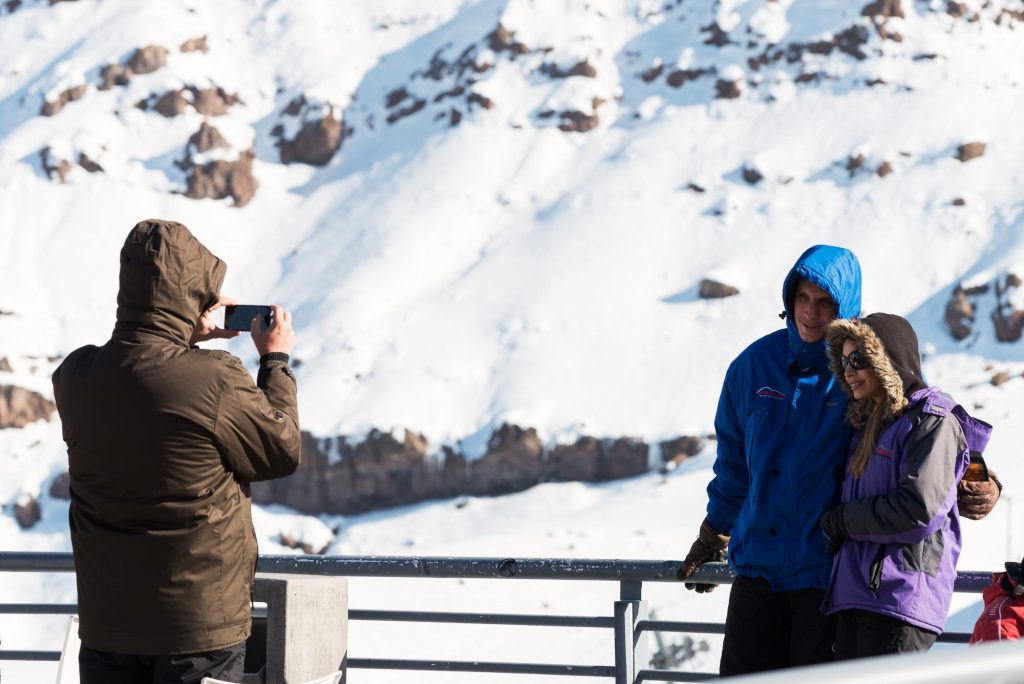
Additionally, this park allows for winter sports and activities when its mountains are covered in white, attracting ski and snowboard enthusiasts who greatly enjoy its acclaimed slopes.
Chiloé National Park
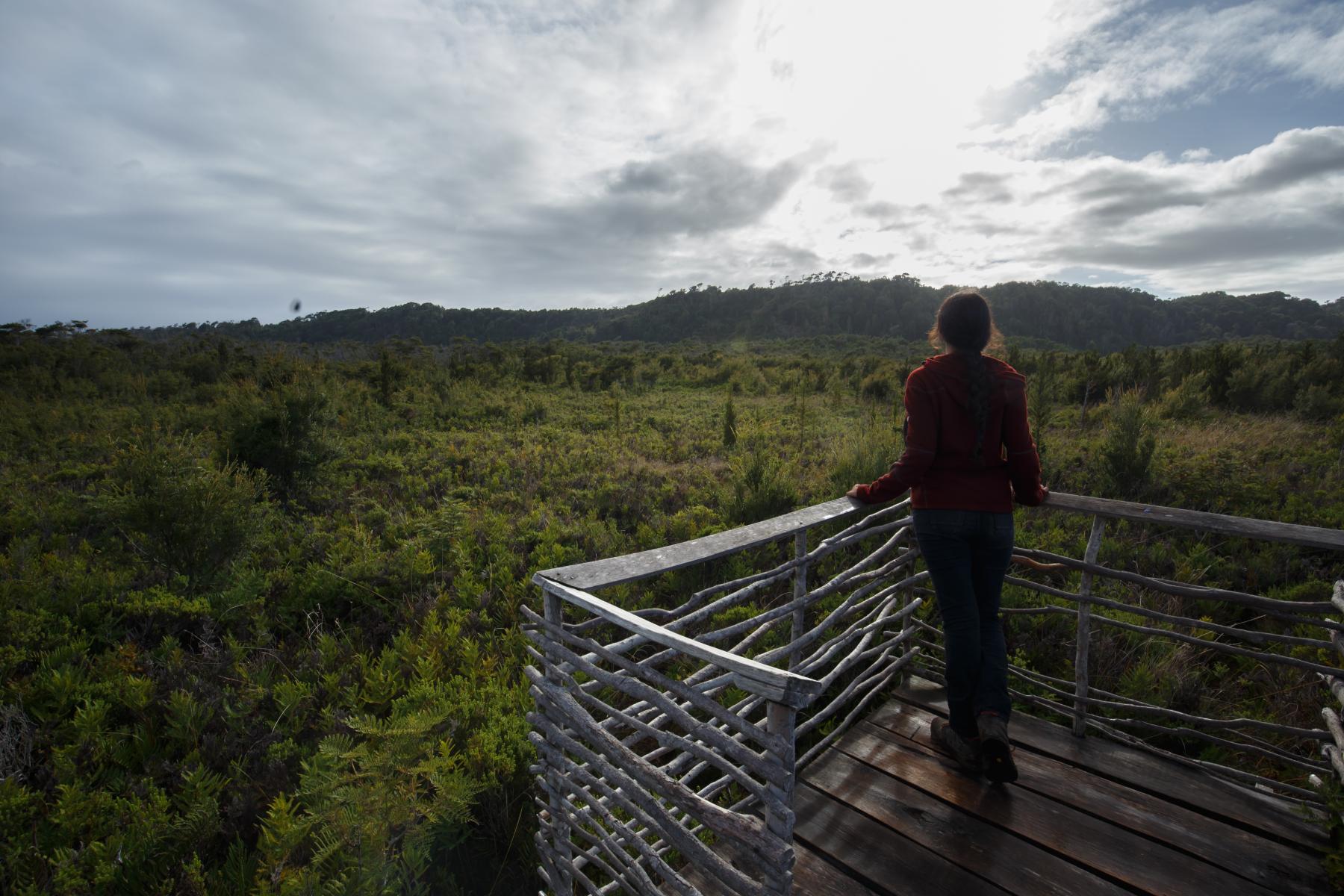
Located on the mystical Isla Grande de Chiloé, this park merges dense evergreen forests with the untamed force of the Pacific Ocean. Its fascinating trails lead you through thick tepual forests, lagoons, and coastal dunes bordering the sea.
In addition to its enormous biological richness—home to Chilote foxes, marine otters, and various birds—this place connects you very directly with local mythology, ancestral Huilliche culture, and scenes of a magical and unforgettable island nature.
Queulat National Park
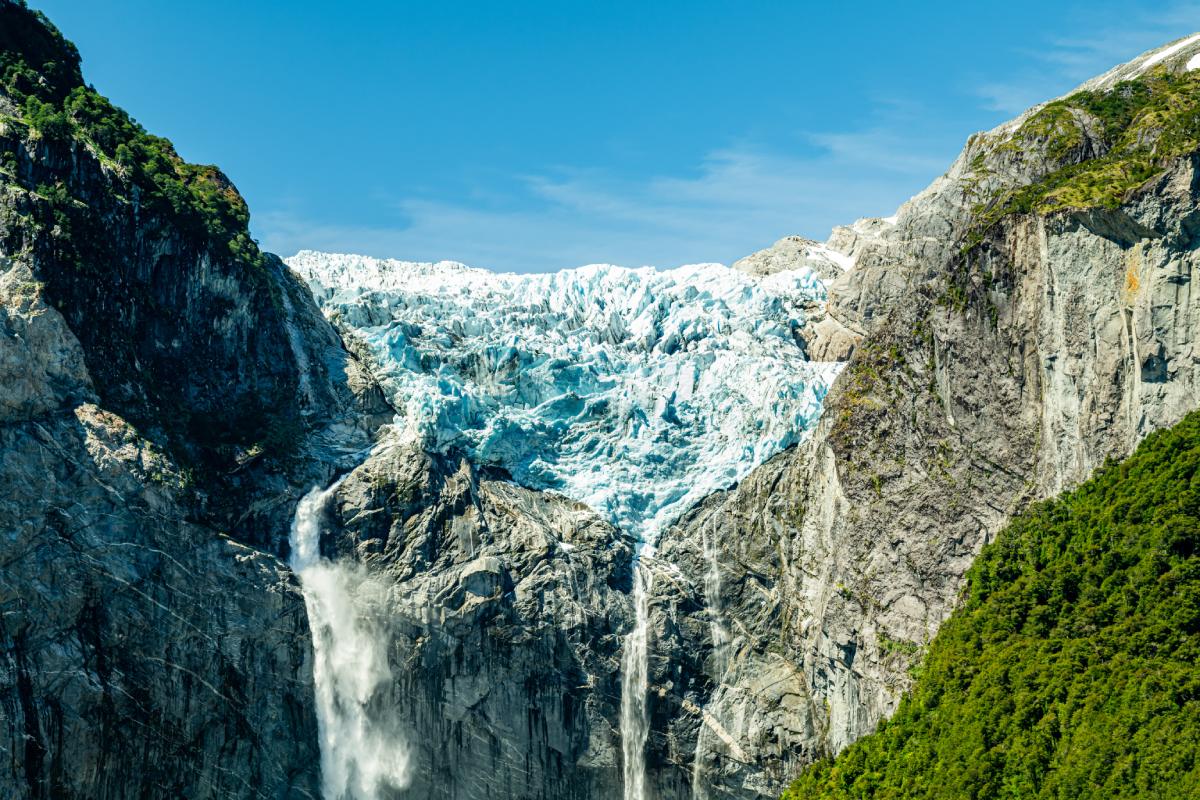
One of the most dazzling destinations on the Carretera Austral in the Aysén Region, globally renowned for its imposing Hanging Glacier, a suspended ice mass that feeds spectacular waterfalls.
Surrounded by an impenetrable evergreen rainforest, it offers trails with breathtaking viewpoints, boat trips across its lagoon, and walks among giant ferns. It’s the perfect stop to connect with the southern humidity and the magical roar of Patagonian thaws.
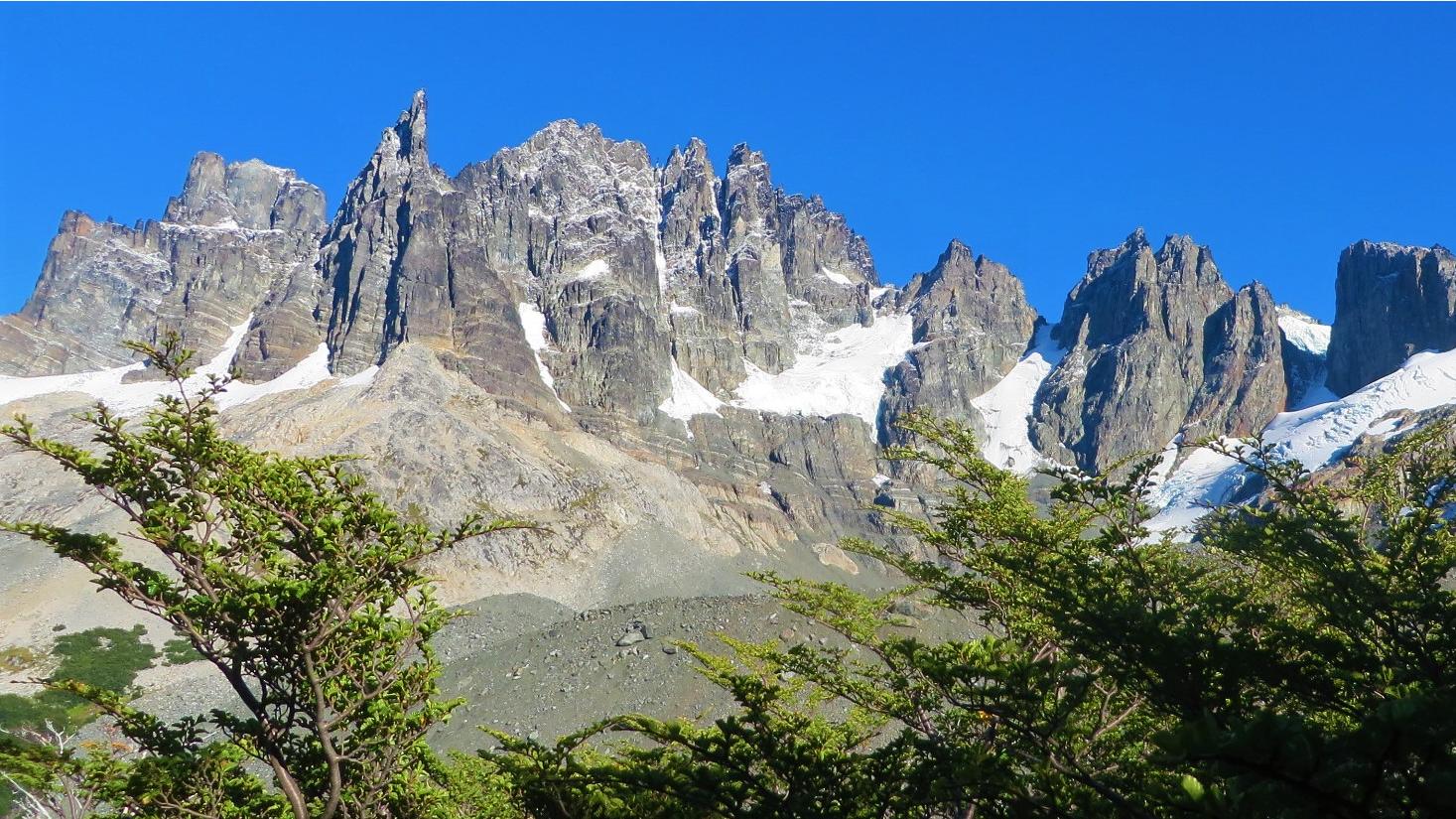
Cerro Castillo National Park
Having become an essential mecca for trekking in Aysén Patagonia, it stands out for the upright basalt rock needles of its main massif, which resemble a Gothic castle surrounded by hanging glaciers.
Its famous hiking circuit guides you through pristine valleys, lenga forests, and the dazzling turquoise lagoon at the foot of the mountain. It is also one of the region’s best sanctuaries for spotting the huemul in its natural habitat.
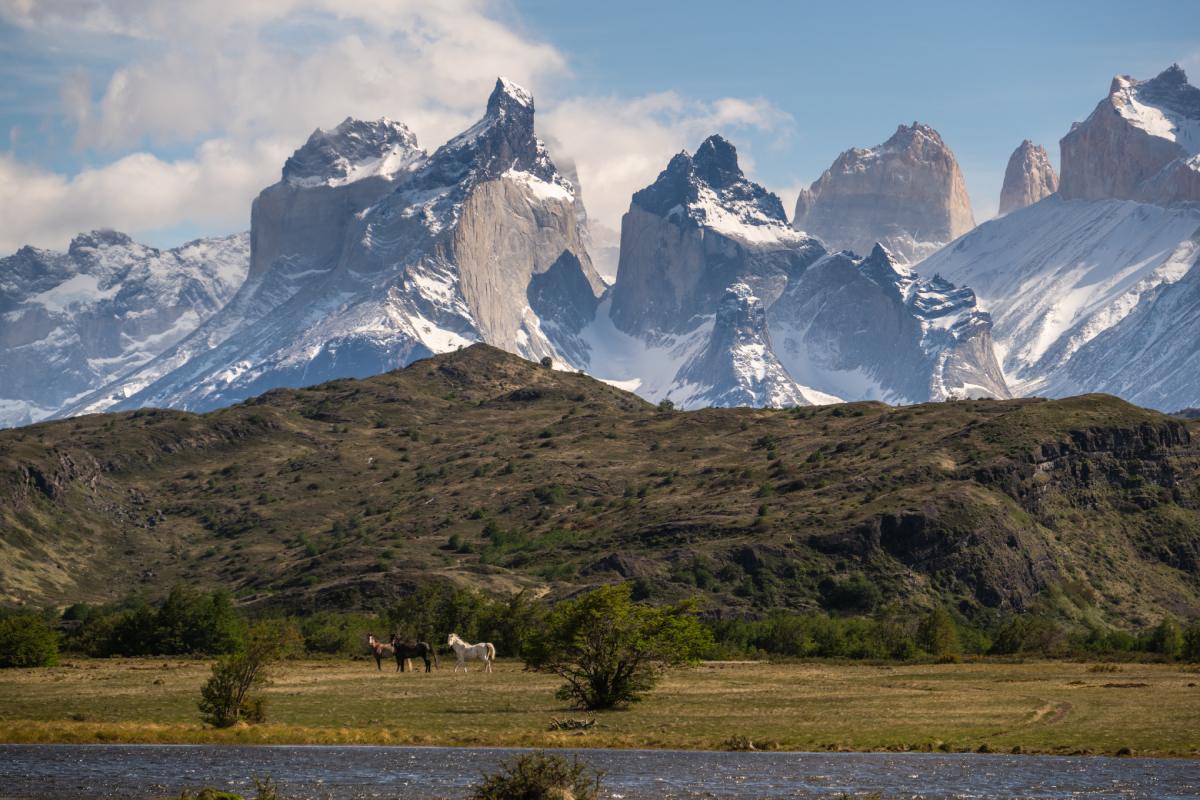
Torres del Paine National Park
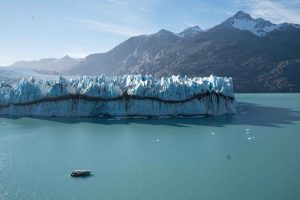
Internationally recognized as the eighth wonder of the world, it is the definitive emblem of Chilean Patagonia. Its iconic granite towers and horns rise above a breathtaking landscape of turquoise lakes, icebergs from Grey Glacier, and pampas teeming with wildlife.
Famous for its trekking circuits (W and O), it attracts adventurers from all over the planet to explore trails through glacial valleys, spot pumas, and immerse themselves in the austral magnificence.
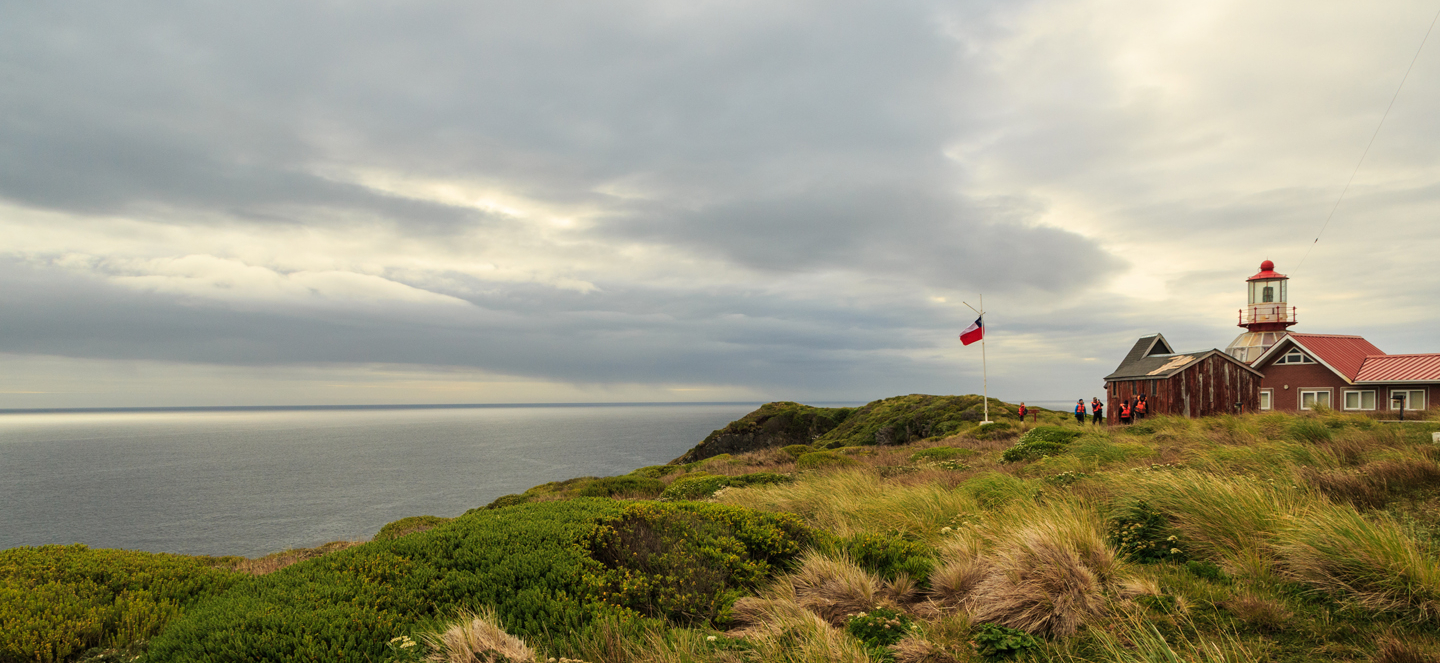
Cabo de Hornos National Park
In the most remote place in Chile lies Cabo de Hornos National Park. Beyond the mountain range, this piece of insular southern Chile, difficult to access but offering magnificent experiences, proposes a navigation through islands lost at the world’s last breath, where the environment, smells, colors, and landscapes make this journey a historic moment in the life of those who traverse them.
Have you chosen your favorite? Now you just have to visit them! Chile’s National Parks offer attractions for all tastes and interests, but undoubtedly the common denominator among all of them is their great natural beauty.