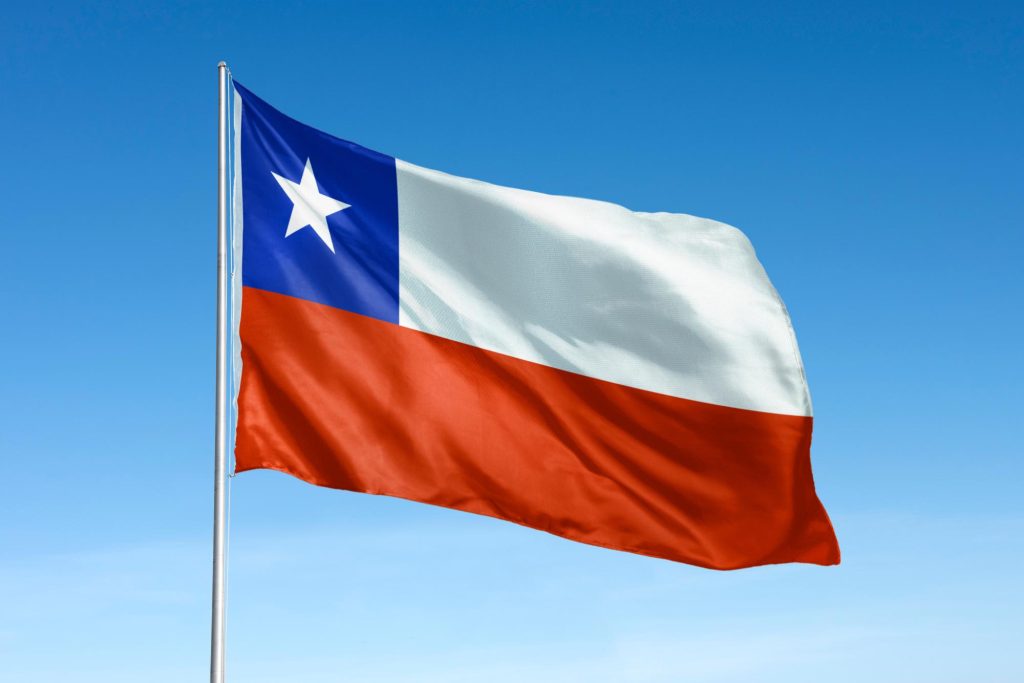
Born in 1817, Chile’s flag is one of our country’s most important symbols. It combines blue, white, and red with a five-pointed star.
Although some confuse it with the Texas flag, our lone star has a powerful history worth knowing. Here are five fascinating facts about it!
1. What is the origin of Chile’s flag?
Chile’s flag was officially adopted on October 18, 1817, during the government of Bernardo O’Higgins. Its design incorporated the colors blue, white, and red, which remain to this day.
During its emancipation process, Chile had two other flags before the final design.
- The Old Fatherland flag, used between 1810 and 1814, formed by three horizontal rectangular fields in blue, white, and yellow.
- The transition flag, used between 1817 and 1818, composed of three horizontal stripes in blue, white, and red.
- The current flag, which kept the colors and incorporated the white star.
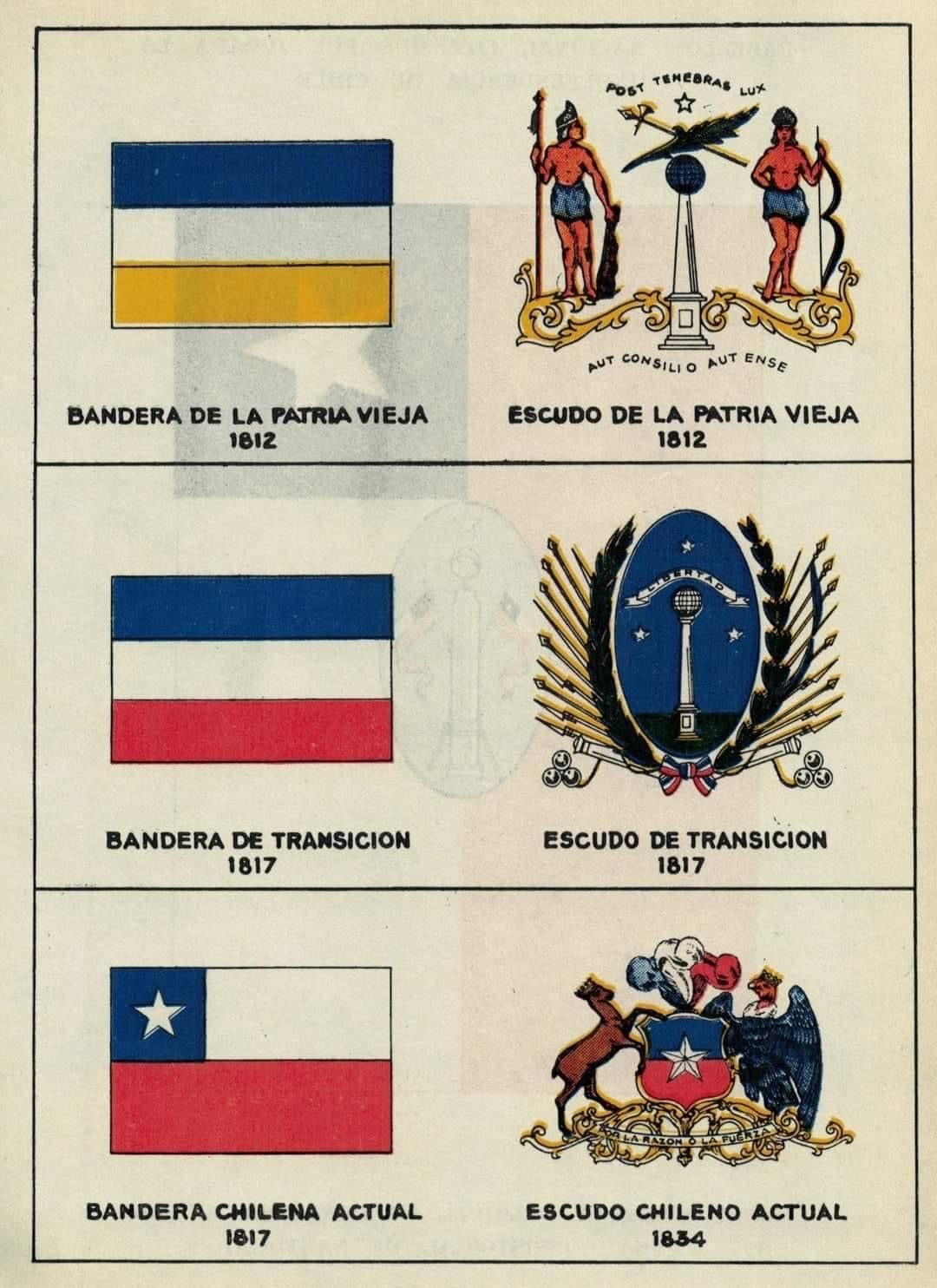
The most important moment for the current Chilean flag dates back to February 12, 1818, when it was used publicly during the proclamation of Chile’s Independence.
2. What do the colors of Chile’s flag mean?
Each element of Chile’s flag is associated with aspects of the country’s geography and history:
- Blue: represents the sky and the Pacific Ocean, two elements present throughout Chilean territory.
- White: symbolizes the snow-capped peaks of the Andes mountain range, which extends along much of the country’s eastern border.
- Red: recalls the blood shed during the struggle for Independence.
- White star: the lone star represents the unity of the country and the three branches of government: Executive, Legislative, and Judicial. It has also been linked to the “Star of Arauco,” connected to the Mapuche people’s tradition.
3. Does it have any connection to the Texas flag?
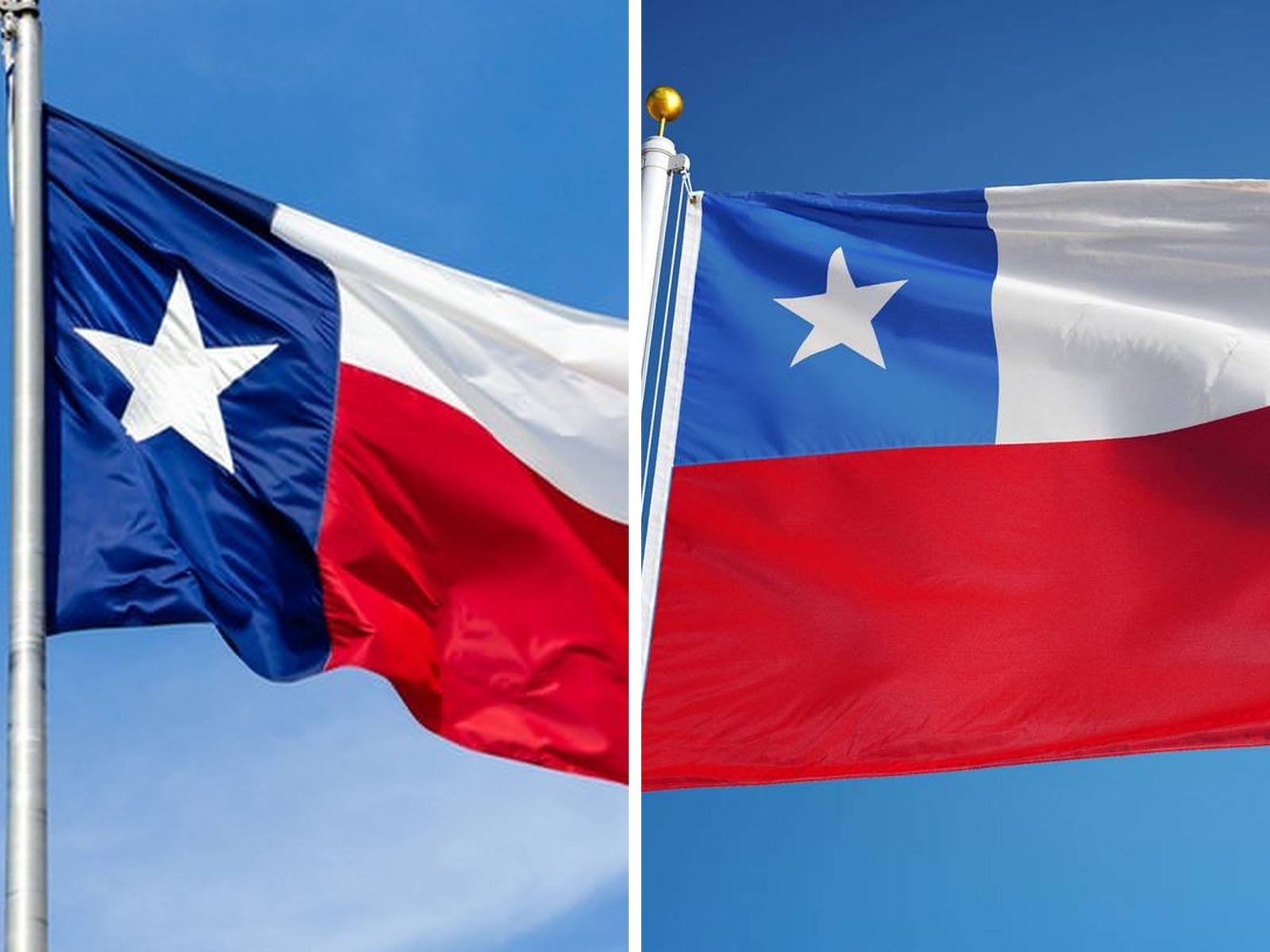
With a similar design, the Texas flag was adopted on January 25, 1839, 22 years after the Chilean flag. Was there copying?
The Texas State Library and Archives Commission notes that some men who later participated in the Texas Revolution, including future Texas president David G. Burnet, had acted as filibusters in Chile, and there is speculation that they may have drawn inspiration from the Chilean design.
However, there is no documentation proving that the Texas design was inspired by the Chilean one. Each was born in different historical contexts and represents its own identity. So if you see a flag with a lone star during your travels, take a close look at its stripes! And don’t be like our dear Paul McCartney.
4. Where can you photograph yourself with Chile’s flag?
If you want to take a photo that connects the national symbol with some of the country’s most iconic landscapes, consider these destinations:
Downtown Santiago
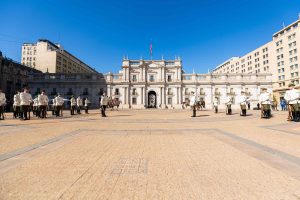
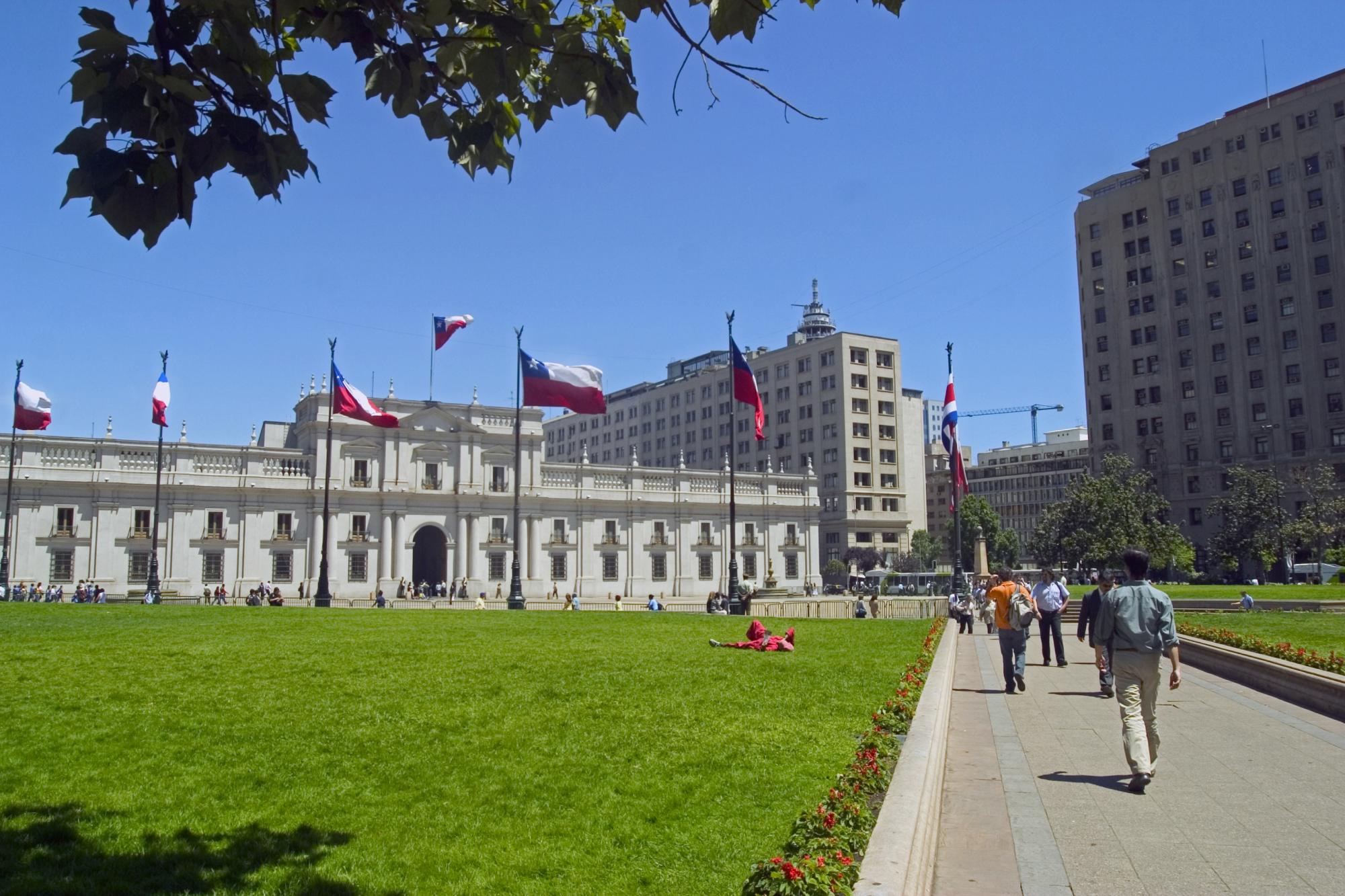
In downtown Santiago, next to La Moneda Palace, there are two places where you’ll always find Chilean flags: Paseo Bulnes and Plaza de la Ciudadanía, located at the front and back of the Government House, respectively.
Morro de Arica
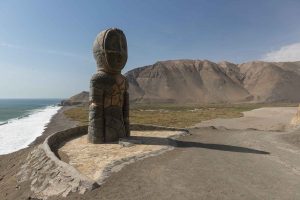
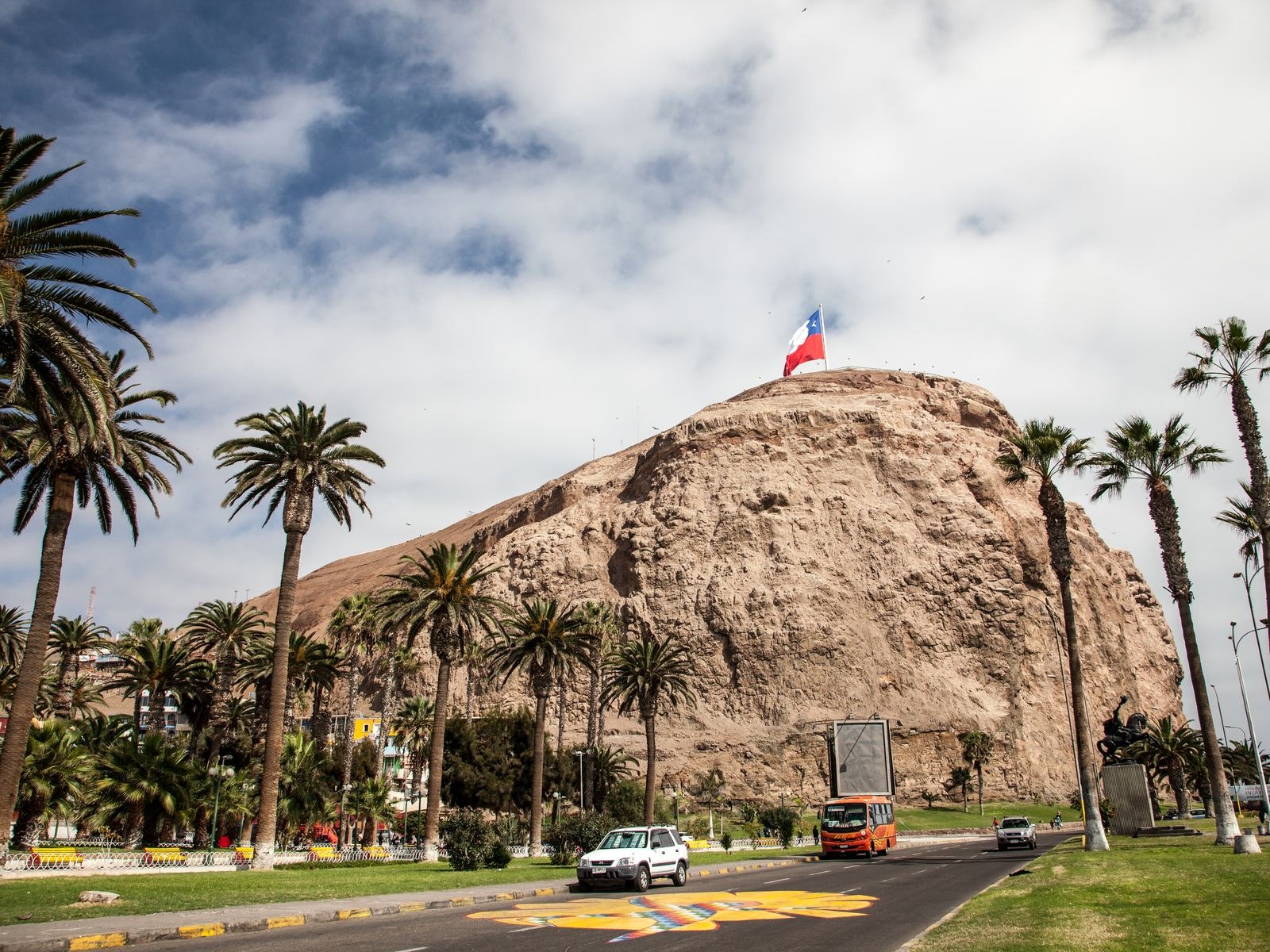
In Arica, at the top of this historic rock, one of the largest Chilean flags outside Santiago flies. The current one measures 18 by 27 meters and sits on a 42-meter-tall flagpole. From here, you can enjoy a panoramic view of Arica, with the Chilean flag, the coastal desert, and the Pacific Ocean as protagonists.
Isla Navarino
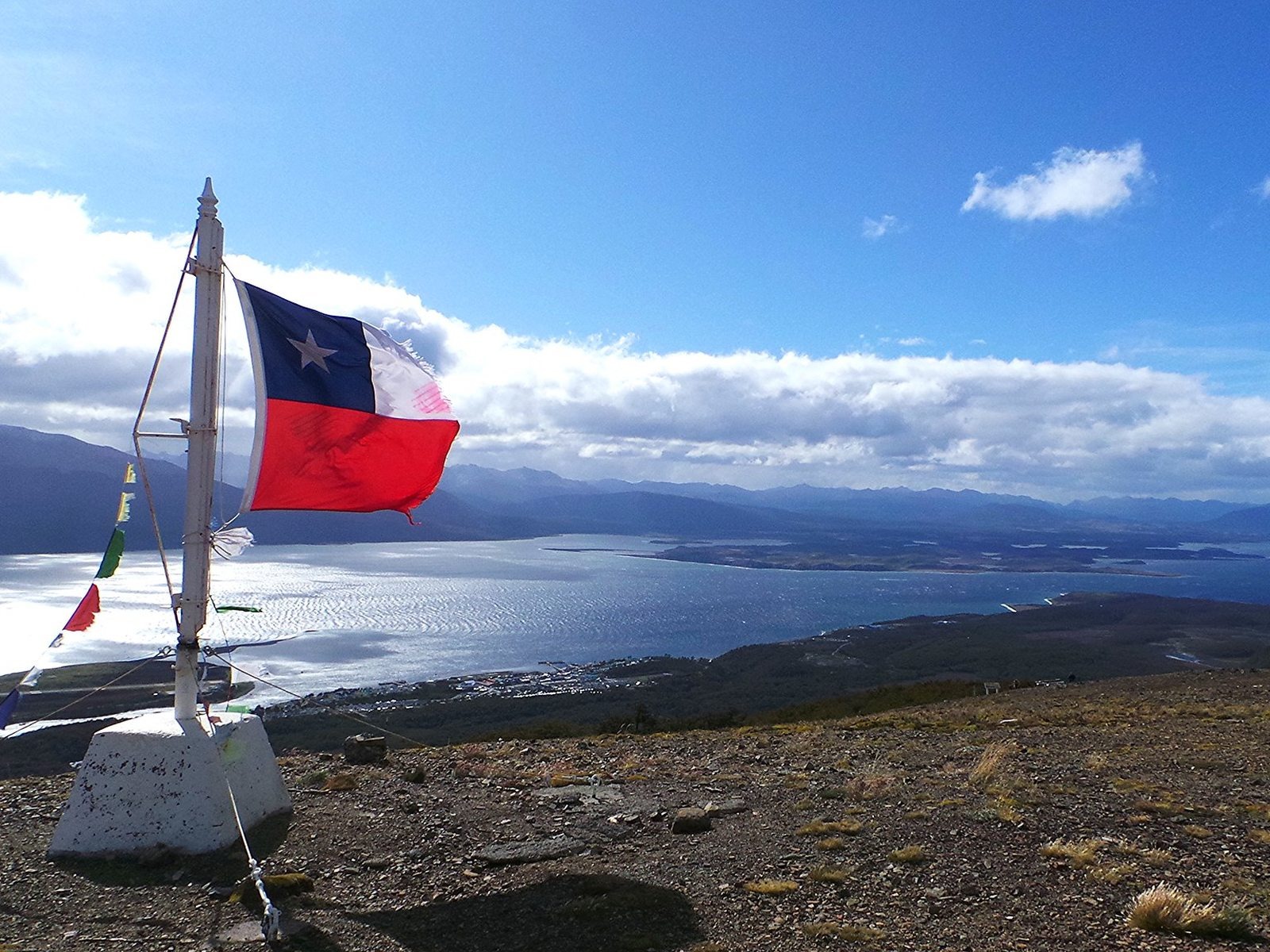
This flag is special because it stands next to the southernmost city in the world: Puerto Williams, on Isla Navarino, Tierra del Fuego. With a 3-hour trek, you’ll reach Cerro Bandera, where this iconic flag stands alongside the southern channels.
5. Bandera Street: a Santiago essential
Located right in the capital’s historic center, this iconic street owes its name to our national symbol.
Tradition has it that, in the early 19th century, merchant Pedro Chacón hung a large Chilean flag on the front of his shop to attract customers. The banner became such a popular reference point for passersby that people began referring to the area simply as “Bandera Street.”
Now the bustling Paseo Bandera, this pedestrian thoroughfare stands out for its heritage architecture, lively shopping scene, and for linking key downtown landmarks such as the Chilean Museum of Pre-Columbian Art and the Palace of the Courts of Justice.

Fiestas Patrias: when Chile fills with flags
Every September 18, all of Chile becomes a celebration with the arrival of Fiestas Patrias. Many homes place a flag on their facade to celebrate Chilean identity, while fondas and ramadas are held during those days. It’s a celebration you won’t forget.