



Route through the Azapa Museum, Morro, and the beautiful Anzota Caves
Updated on 13 de January, 2026

Ancient mummies, heroic history, and Arica’s cliffs
3 DAYS
Arica, the city of eternal spring, invites you on a journey through human chronology. From the world’s oldest mummies in the Azapa Valley to the historical grandeur of the Morro. Finish by exploring the coastal paths of the Anzota Caves, where the desert meets the Pacific in a landscape of ancient and breathtaking beauty.
SEASON
ATTRACTIONS
Inicio del itinerario
Attractions included on this day
Day 1
Chinchorro Mummies in the Azapa Valley
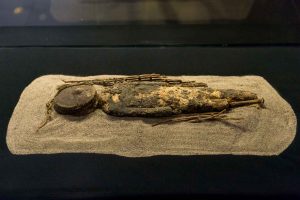
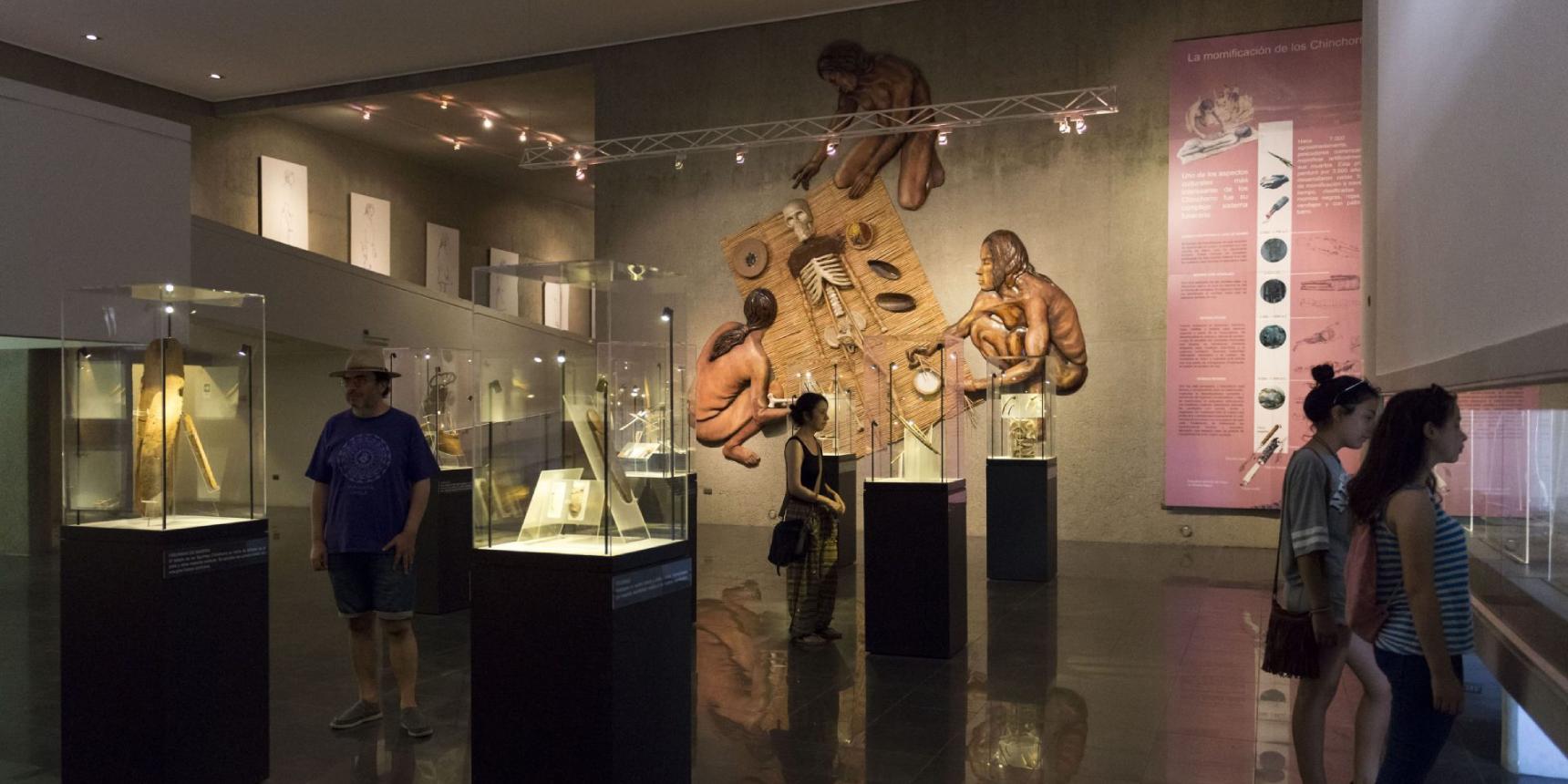
To reach the San Miguel de Azapa Archaeological Museum, you must travel 12 kilometers into the valley. Here, the world’s oldest mummies, belonging to the Chinchorro Culture and recently declared a UNESCO World Heritage site, are on display. The museum offers a chronology spanning 10,000 years, including Tiwanaku and Inca cultures. It is an essential stop to understand the sophistication of the Atacama Desert’s first inhabitants within a privileged archaeological and cultural setting.
Attractions included on this day
Day 1
Chinchorro Mummies in the Azapa Valley
To reach the San Miguel de Azapa Archaeological Museum, you must travel 12 kilometers into the valley. Here, the world’s oldest mummies, belonging to the Chinchorro Culture and recently declared a UNESCO World Heritage site, are on display. The museum offers a chronology spanning 10,000 years, including Tiwanaku and Inca cultures. It is an essential stop to understand the sophistication of the Atacama Desert’s first inhabitants within a privileged archaeological and cultural setting.
Day 2
Views and Heroism at the Morro de Arica
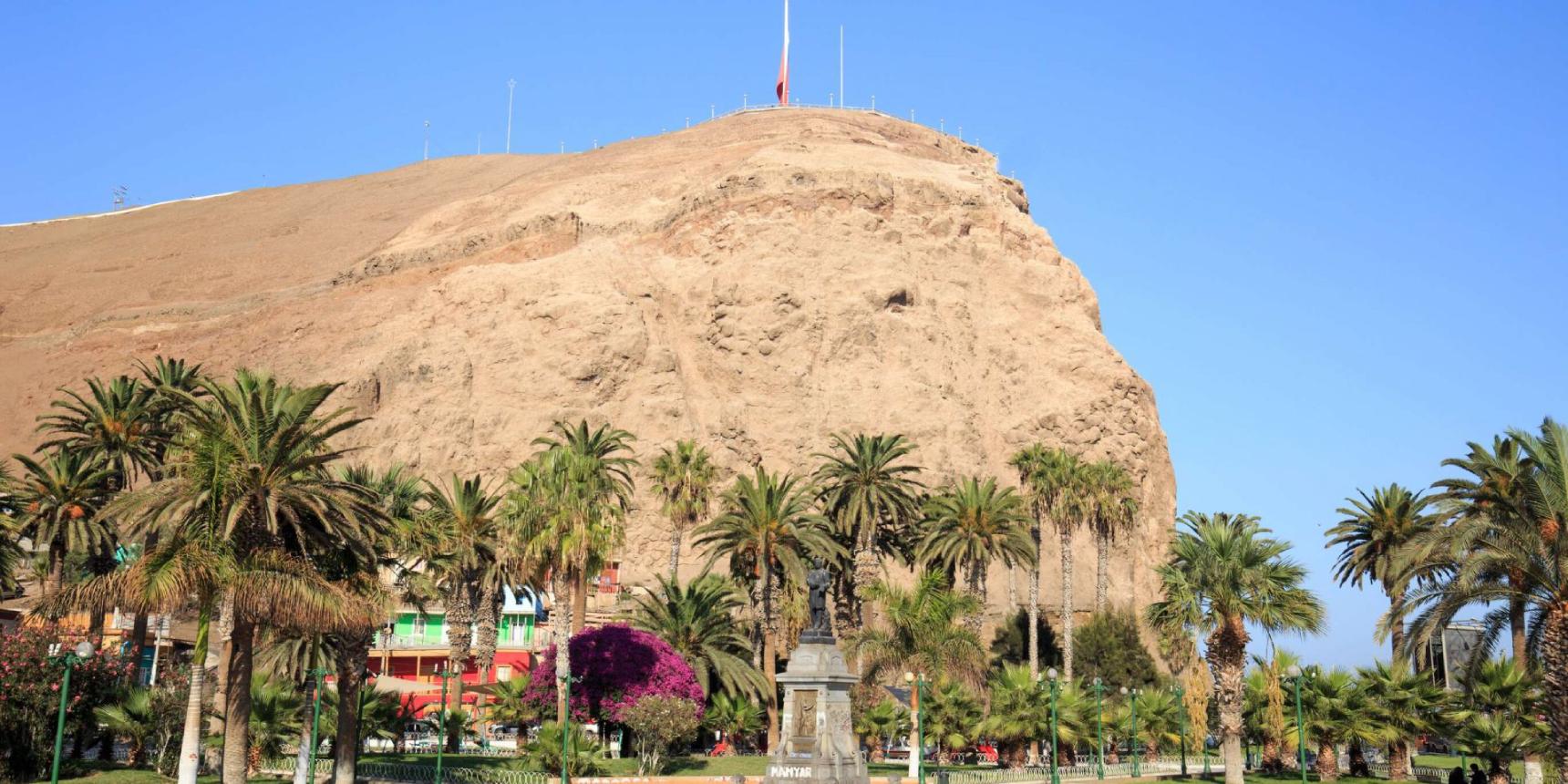
The Morro de Arica is the city’s undisputed icon. Standing 130 meters tall, it offers the best panoramic views of the coast and the urban area. At its summit, you will find the Historical and Weapons Museum, which details events from the 19th-century War of the Pacific. You can observe historic cannons and the Monument to the Unknown Soldier while enjoying the sea breeze and the vastness of the Pacific Ocean from this historic cliff.
Day 2
Views and Heroism at the Morro de Arica
The Morro de Arica is the city’s undisputed icon. Standing 130 meters tall, it offers the best panoramic views of the coast and the urban area. At its summit, you will find the Historical and Weapons Museum, which details events from the 19th-century War of the Pacific. You can observe historic cannons and the Monument to the Unknown Soldier while enjoying the sea breeze and the vastness of the Pacific Ocean from this historic cliff.
Day 3
Natural Sculptures at the Anzota Caves
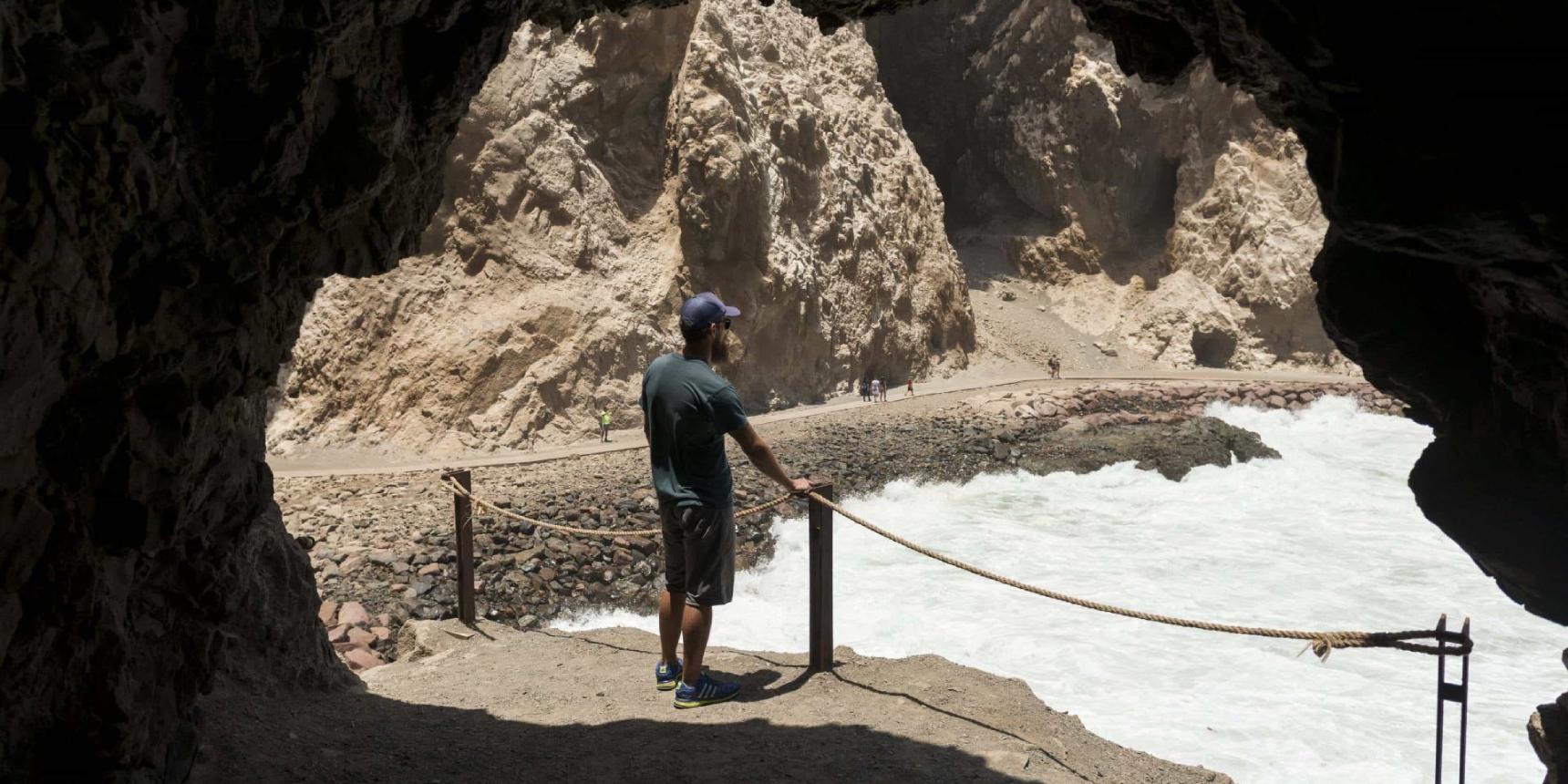
Located 10 kilometers south of the city, the Anzota Caves offer a 2-kilometer coastal trail. This site allows you to appreciate impressive ancient rock structures sculpted by marine erosion over millennia. The path features viewpoints and stairs of varying complexity. It is an ideal spot for marine wildlife spotting and for connecting with the wild nature of Arica’s coastline. Entry is free, and the experience of walking beneath the cliffs is truly breathtaking.
Day 3
Natural Sculptures at the Anzota Caves
Located 10 kilometers south of the city, the Anzota Caves offer a 2-kilometer coastal trail. This site allows you to appreciate impressive ancient rock structures sculpted by marine erosion over millennia. The path features viewpoints and stairs of varying complexity. It is an ideal spot for marine wildlife spotting and for connecting with the wild nature of Arica’s coastline. Entry is free, and the experience of walking beneath the cliffs is truly breathtaking.
What you should know
How to get there by air
Chacalluta International Airport (ARI) is located 18 kilometers north of the city. It receives daily flights from Santiago (SCL) with a duration of approximately 2.5 hours. From the airport, authorized transfer services and taxis can take you to the historical district or your accommodation in about 20 minutes, ensuring a smooth and quick arrival in the north.
How to get there by land
Arica is the northern gateway to Chile, located at kilometer 2,085 of Route 5 North. It is accessible via intercity buses from across the country and Tacna, Peru. To reach the Azapa Valley or Anzota Caves, it is highly recommended to use basic taxis or “colectivos” (shared taxis) that depart frequently from the city center for a low fare.
Climate and clothing
The climate is temperate desert with temperatures between 18°C and 27°C year-round. We recommend light clothing, a hat, sunglasses, and comfortable shoes. Don’t forget sunscreen, as radiation levels remain high even with coastal cloudiness, typical of northern Chile.
Must-Know Tips
Bring cash for museum entry and local transport. Wearing a helmet is mandatory at Anzota (provided at the entrance for safety). Always carry your ID or passport. A reusable water bottle is essential for the arid climate, and don’t forget your camera for the panoramic views from the Morro and the unique coastal rock formations.


