


History and Culture in Punta Arenas
Updated on 5 de January, 2026

Heritage, architecture, and legends at the edge of the world
3 DAYS
Punta Arenas is the gateway to Chile’s southern history. On this three-day tour, you will walk through the first settlements of the Strait of Magellan, admire European palace architecture, and discover one of the world’s most beautiful cemeteries. An essential trip to understand the identity, courage, and past of the Chilean Patagonia.
DISTANCE
52 km
DAYS
3 days
DESTINATIONS
Inicio del itinerario
Attractions included on this day
Day 1
Fort Bulnes
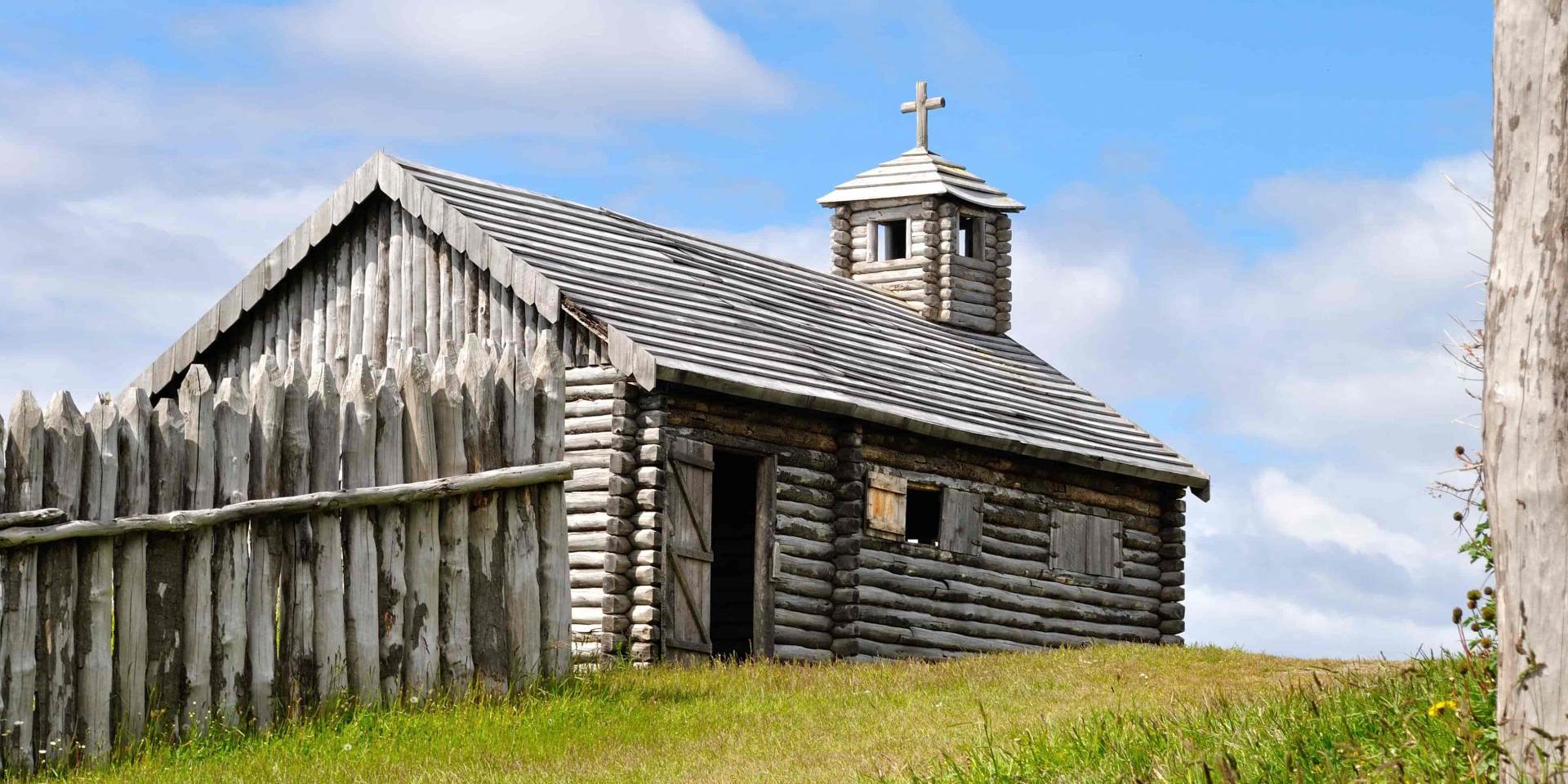
Fort Bulnes is located 52 kilometers south of Punta Arenas, established on September 21, 1843, where you can learn how the first settlers of these inhospitable southern lands lived. The church, the jail and even the chaplain’s room are some of the places you can visit. This historical monument will make you understand how hard life was in this region.
Attractions included on this day
Day 1
Fort Bulnes
Fort Bulnes is located 52 kilometers south of Punta Arenas, established on September 21, 1843, where you can learn how the first settlers of these inhospitable southern lands lived. The church, the jail and even the chaplain’s room are some of the places you can visit. This historical monument will make you understand how hard life was in this region.
Day 2
The Municipal Cemetery of Punta Arenas Sara Braun
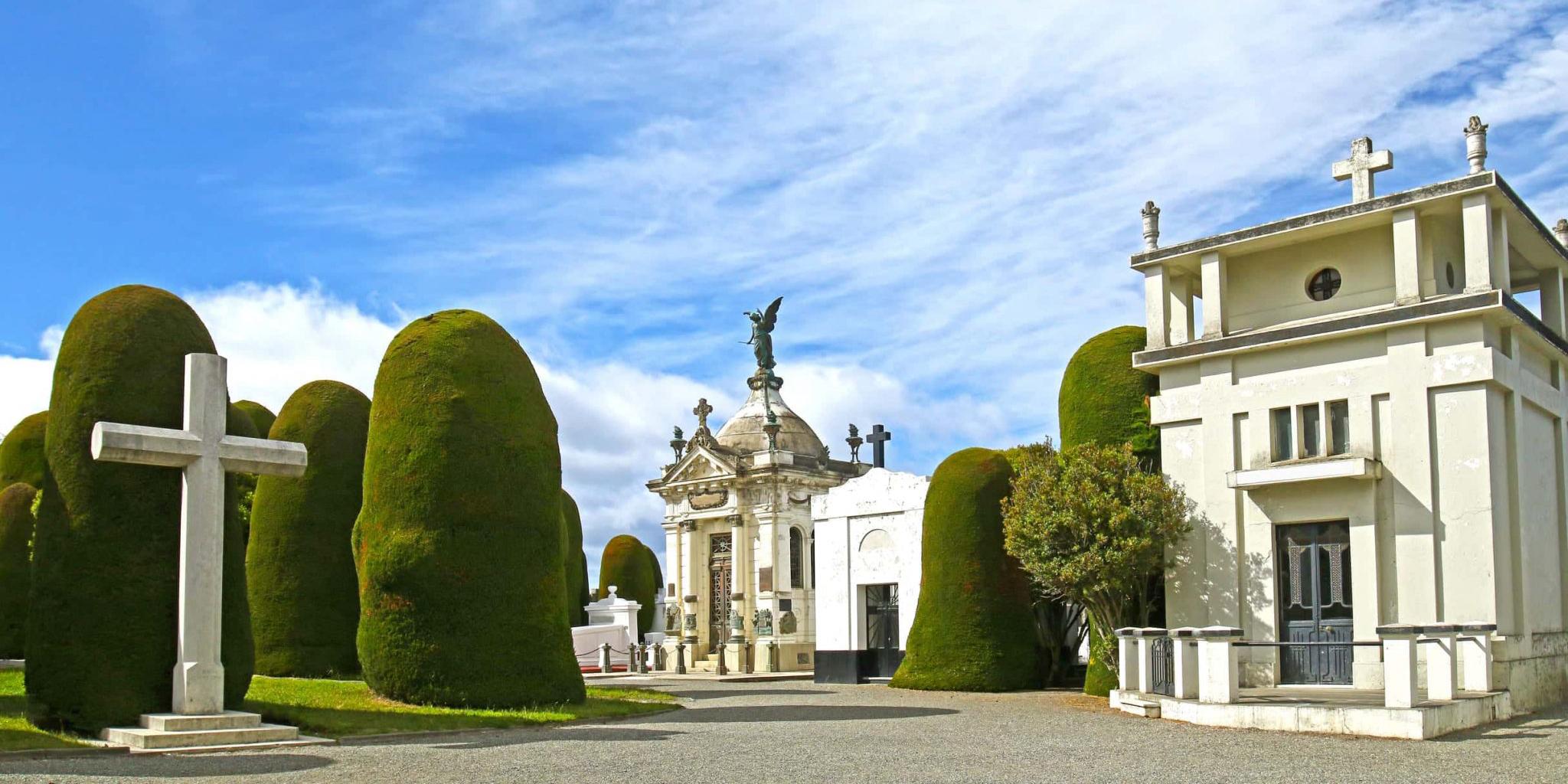
The Municipal Cemetery of Punta Arenas Sara Braun is located on Bulnes Avenue, in the northern sector of the city, and it was declared a National Monument in 2012. Its beauty and tourist attraction is based on the cemetery’s arrangement, its gate donated by Sara Braun, its cypress trees avenues, its blocks housing mausoleums make the cemetery a must-see site of the city.
Day 2
The Municipal Cemetery of Punta Arenas Sara Braun
The Municipal Cemetery of Punta Arenas Sara Braun is located on Bulnes Avenue, in the northern sector of the city, and it was declared a National Monument in 2012. Its beauty and tourist attraction is based on the cemetery’s arrangement, its gate donated by Sara Braun, its cypress trees avenues, its blocks housing mausoleums make the cemetery a must-see site of the city.
Day 3
Magallanes Regional Museum
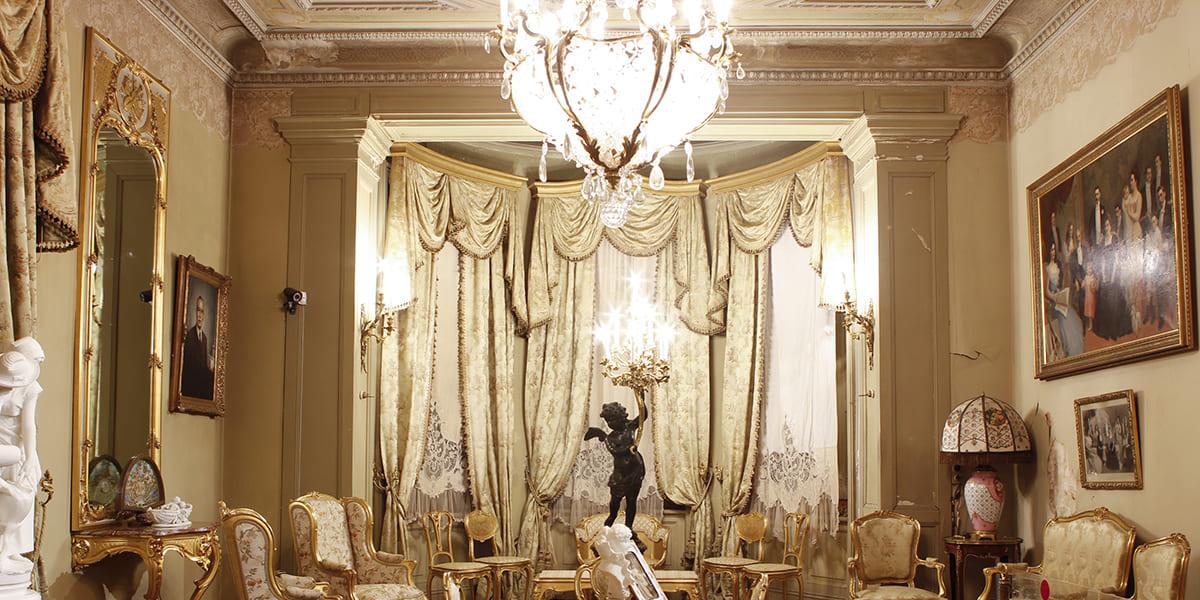
This museum includes collections on the creation and history of this southern zone, from the first inhabitants to present days. This palace belonged to the Braun family and was later donated to the city. It shows part of the history of the city and of the Braun family.
Day 3
Magallanes Regional Museum
This museum includes collections on the creation and history of this southern zone, from the first inhabitants to present days. This palace belonged to the Braun family and was later donated to the city. It shows part of the history of the city and of the Braun family.
What you should know
How to get there by air
The Presidente Carlos Ibáñez del Campo International Airport (PUQ) receives daily flights from Santiago (SCL) and connections from Puerto Montt (PMC). The flight from the capital takes about 3.5 hours. Located 20 km north of the city, the airport offers transfers, taxis, and car rentals for easy transport to the historic center.
How to get there by land
You can reach Punta Arenas via Route 9 from Puerto Natales (250 km). If coming from Argentina, the Integración Austral and Monte Aymond border crossings connect with Río Gallegos. These routes cross the Patagonian steppe; it is vital to check road conditions and have enough fuel, as distances between services are long.
Climate and clothing
The weather is unpredictable and windy. Dress in layers: thermal base layer, fleece, and a waterproof windbreaker. Don’t forget a hat, gloves, and sunscreen, as UV radiation is often very high in this extreme southern region of the world.
Must-Know Tips
Bring cash for small shops and tips. Comfortable, waterproof footwear is essential for walking. Don’t forget your ID, lip balm for the wind, and binoculars if you wish to observe local wildlife from the waterfront. Always check museum schedules in advance and consider travel insurance.


