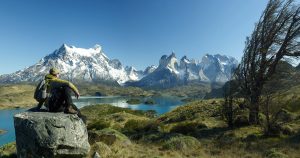
Northern Chile holds a unique treasure: the Atacama Desert, whose landscapes are famous for its salt flats, giant dunes, high-altitude lagoons, rock formations, and clear skies. All of it, alongside peaks that rise above 6,000 meters and some of the oldest cultures on the planet.
As if that weren’t enough, this desert holds the title of being the driest in the world. Its geography, “trapped” between the Andes Mountains and the Coastal Range, blocks moisture from the Altiplano and the Pacific Ocean, creating unique conditions.
Because we want to be your next destination, here are three reasons to visit Atacama.
The Route of the Six-Thousanders
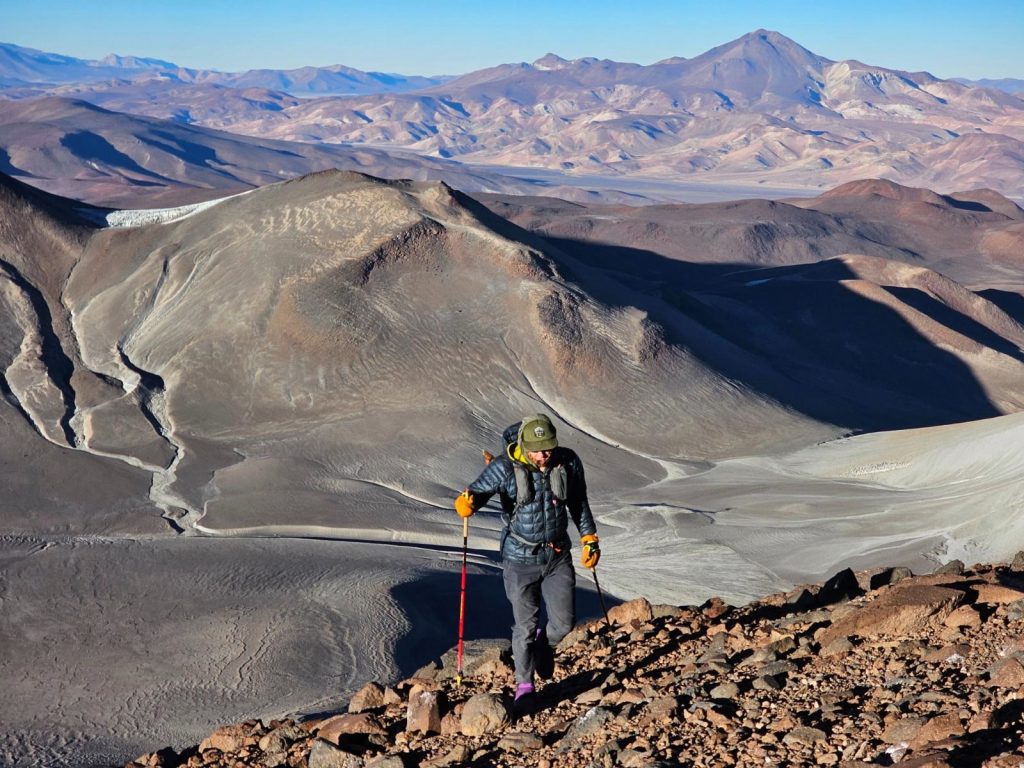
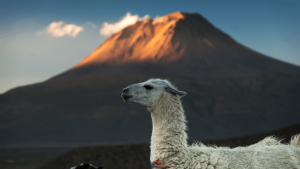
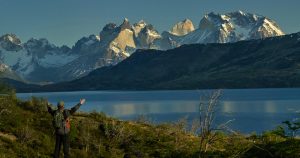
The Atacama Desert is home to one of the most impressive high-mountain circuits in the world: the Route of the Six-Thousanders, a collection of more than 15 peaks that rise above 6,000 meters above sea level (masl).
With the city of Copiapó as the main gateway, this destination draws mountaineers looking for adventure, altitude, and volcanic landscapes. The most recommended season is between November and March, when the weather is more stable.
Its main peaks are:
- Nevado Ojos del Salado (6,893 masl): the highest active volcano on the planet and the second-highest peak in the Americas. It’s the route’s star attraction and requires permits, a certified guide, and excellent physical preparation.
- Nevado Tres Cruces (6,629 masl): located in Nevado Tres Cruces National Park. Considered the fourth-highest volcano in the world, it’s ideal for those looking for a more technical ascent.
- San Francisco Volcano (6,018 masl): known as the “training six-thousander,” it’s one of the most accessible peaks and an excellent option for acclimatization. From its summit you can see Laguna Verde and the volcanic chain surrounding the Ojos del Salado massif.
- Copiapó Volcano (6,052 masl): also called Cerro Azufre, it’s a classic in mountaineering in the Atacama Region, valued for its scenic beauty and relative accessibility within Chile’s high-altitude desert.
Mind-blowing landscapes
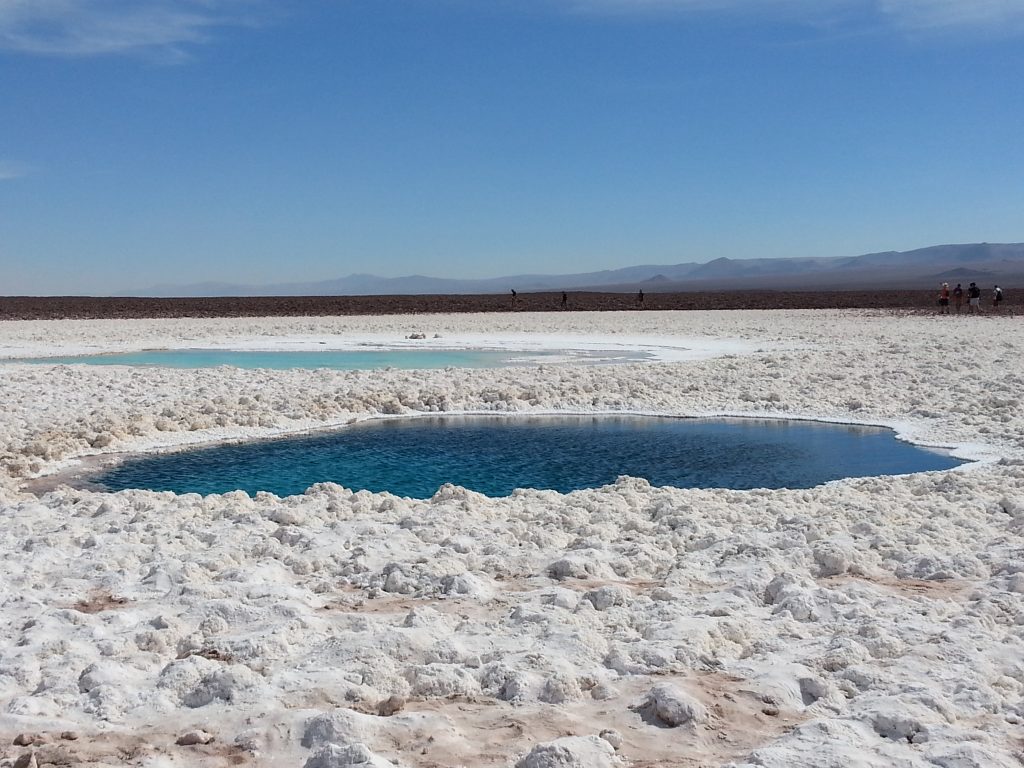
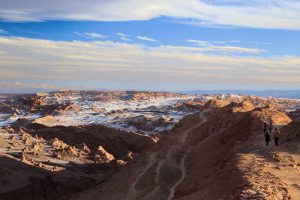
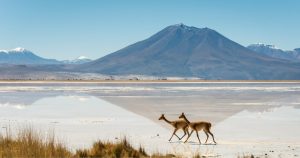
The landscapes of the Atacama Desert look like they were taken from an expedition to another planet. It’s a land of extreme textures: from sand dunes rippling in the wind to rock formations sculpted by millennia of aridity, all beneath the clearest, deepest sky you can imagine.
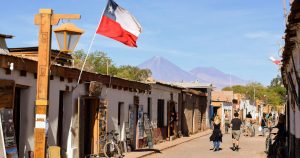
At the heart of this mind-blowing setting is San Pedro de Atacama, the area’s tourist and cultural hub. This picturesque town offers top-tier options, including boutique hotels, signature restaurants, and expert guides.
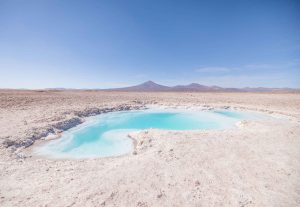
From here you can visit the Baltinache Hidden Lagoons and Laguna Cejar, where you can swim and float thanks to the high salinity. Laguna Chaxa and the Altiplanic Lagoons are ideal for birdwatching and experiencing the desert’s striking silence, while the rock formations of Valle de la Luna, Valle de la Muerte, and Valle Arcoíris create unforgettable postcard views.
Ancient cultures
The Atacama Desert is one of the territories with the greatest archaeological and cultural richness in Chile. Here you’ll find traces of human settlements that overcame extreme dryness, leaving a legacy that can now be discovered through heritage tourism.
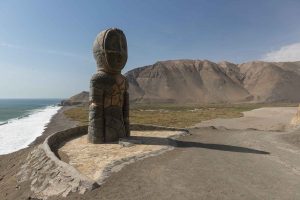
Toward the far north, in Arica, the San Miguel de Azapa Archaeological Museum and the Colón 10 Site Museum safeguard the mummies of the Chinchorro culture, considered the oldest in the world. More than 7,000 years old, they are older than Egypt’s mummies and are recognized as a UNESCO World Heritage Site.
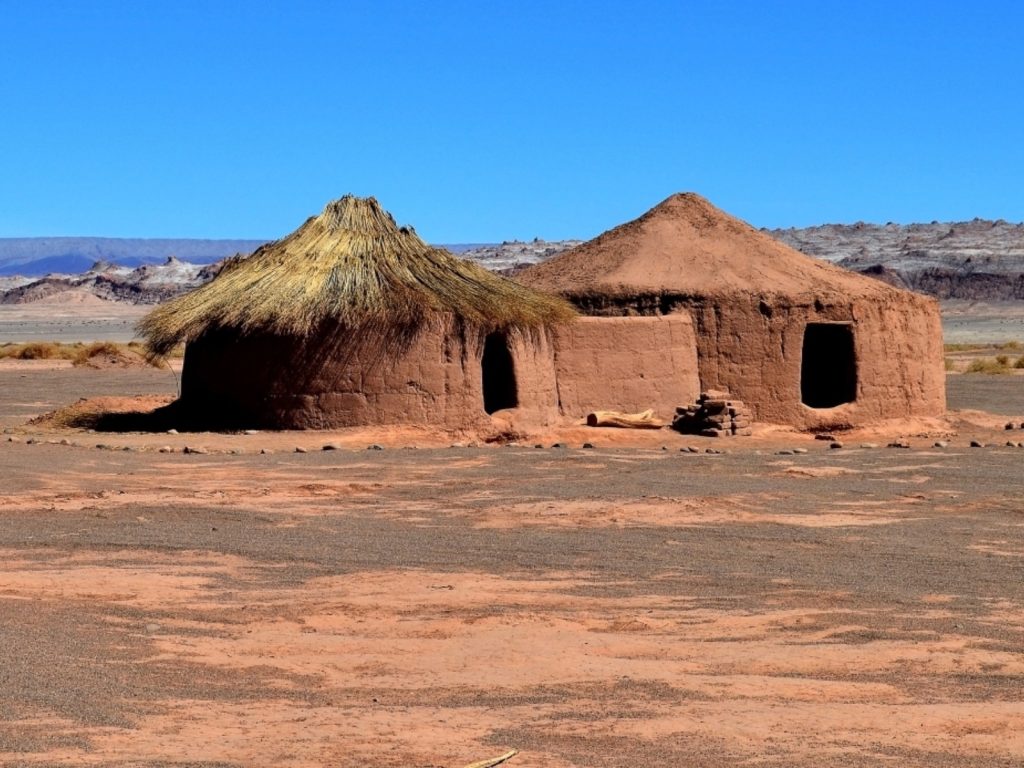
Another town where you can discover ancestral remains is San Pedro de Atacama. There you can visit the Pucará de Quitor, a fortress of the Atacameño people with more than 700 years of history. You can also visit the Tulor Village, a settlement more than 3,000 years old that preserves traces of circular adobe homes belonging to the desert’s first sedentary communities.
How to get to the Atacama Desert?
The main tourist access is by air to Calama, with daily flights from Santiago. From there, a 1 hour 30 minute road transfer connects to San Pedro de Atacama, the ideal base for exploring salt flats, high-altitude lagoons, and immersing yourself in the desert’s ancestral culture.
If your goal is high mountains, the best gateway is Copiapó, with direct flights from Santiago. From this airport you’ll need to book a tour operator or rent a 4×4 vehicle. Route 31-CH, the main access road, is 50 kilometers from the airport terminal.
To get to Arica, the fastest option is to fly via Chacalluta International Airport (ARI). There are daily flights from Santiago with an approximate duration of 2 hours 40 minutes. The airport is located just 18 km from the city center, allowing for a quick transfer by shuttle or taxi.