Few countries allow you to see the world’s driest desert and Antarctica’s ice on the same trip. Stretching over 4,200 kilometers, Chile is one of them.
Stretching over 4,200 kilometers, our country boasts some of the most diverse landscapes on the planet: from the world’s driest desert and remote Pacific islands to ancient forests, lakes surrounded by volcanoes, and even Antarctica.
It’s no coincidence that many visitors are drawn by a single destination and end up returning again and again to discover new landscapes, cultures, and experiences. Below, find out why Chile always has a new adventure waiting.
What makes the Atacama Desert so fascinating?
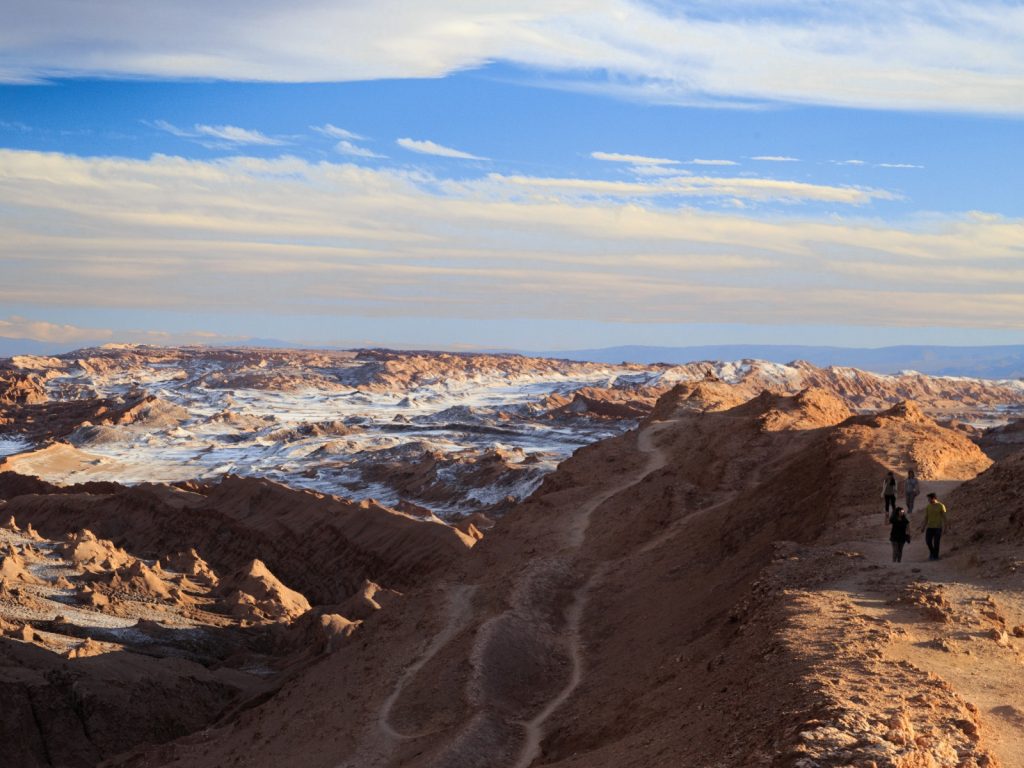
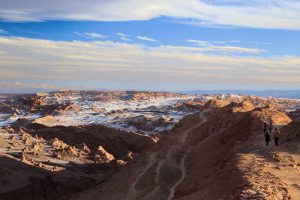
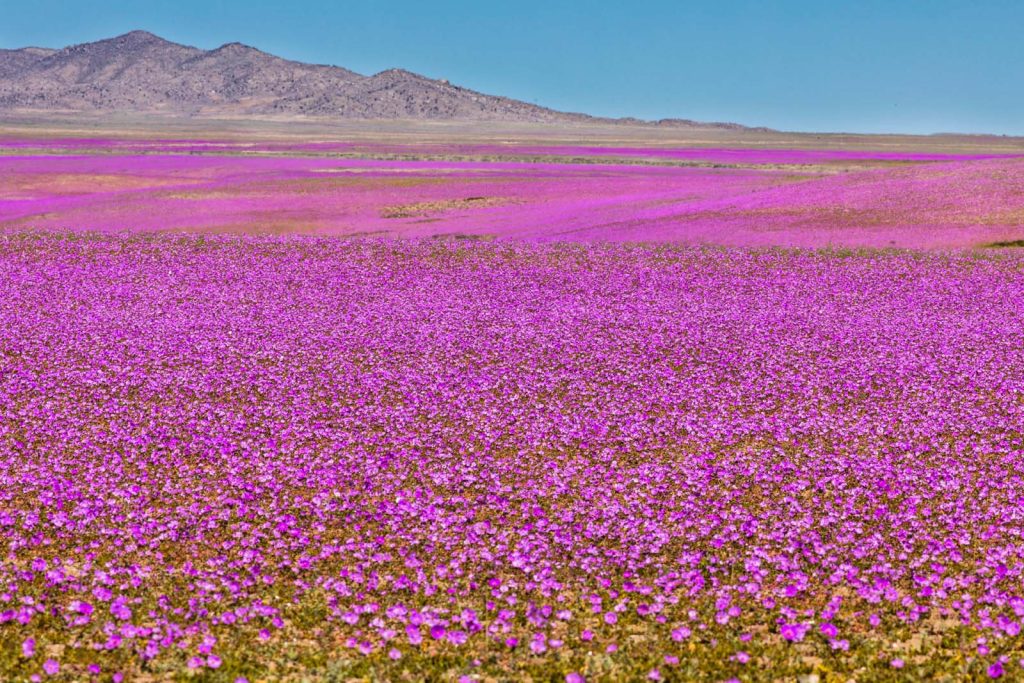
Northern Chile breaks the myth that deserts are just sand. In the Atacama Desert, the driest on the planet, vast salt flats, volcanoes, geysers, and high-altitude lagoons create otherworldly landscapes. Its contrasts and changing colors ensure that every journey reveals a distinct scenery.
- The magic of San Pedro de Atacama: This small town is the tourist heart of Atacama and the starting point for unforgettable places, such as watching the sunrise at the El Tatio Geysers, exploring the Valley of the Moon, or marveling at the turquoise waters of the high-altitude lagoons.
- Ancient culture: Beyond its natural settings, the Atacama Desert harbors a rich cultural heritage linked to the Atacameño people and ancient routes that have connected the highlands for centuries.
- World-class astrotourism: With over 300 clear nights a year and minimal light pollution, here you can observe some of the clearest skies on the planet for astronomical observation.
What makes Rapa Nui unique?
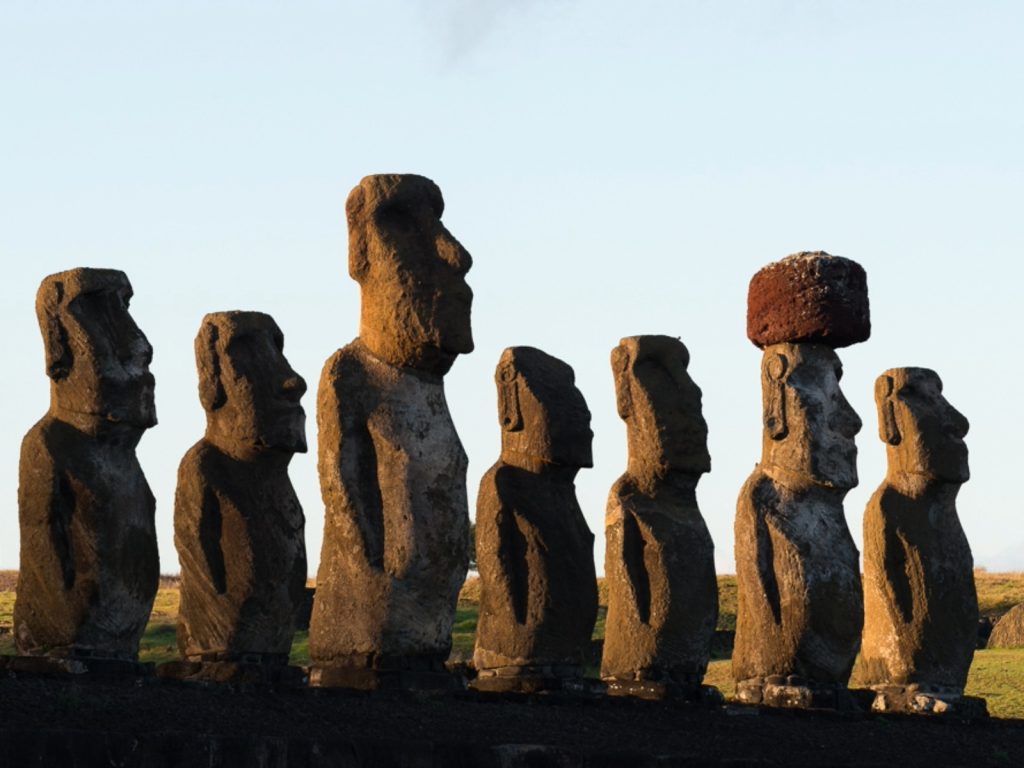
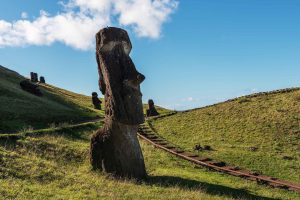
Located 3,700 kilometers from the mainland, Rapa Nui proves that Chile’s diversity also reaches the heart of the Pacific Ocean. This island, one of the most remote on the planet, combines ancestral heritage, volcanic landscapes, and paradisiacal beaches. Its extraordinary cultural and archaeological richness, recognized by UNESCO as a World Heritage site, reflects the immense historical and spiritual value of this territory.
- The mysterious moai: Nearly a thousand volcanic stone statues, many located in the Rano Raraku volcano quarry, continue to spark admiration and questions among researchers worldwide.
- Pristine nature: Its crystal-clear waters, with underwater visibility that can reach 60 meters, make Rapa Nui an ideal destination for diving and snorkeling, especially at beaches like Anakena.
What makes the forests of Southern Chile special?
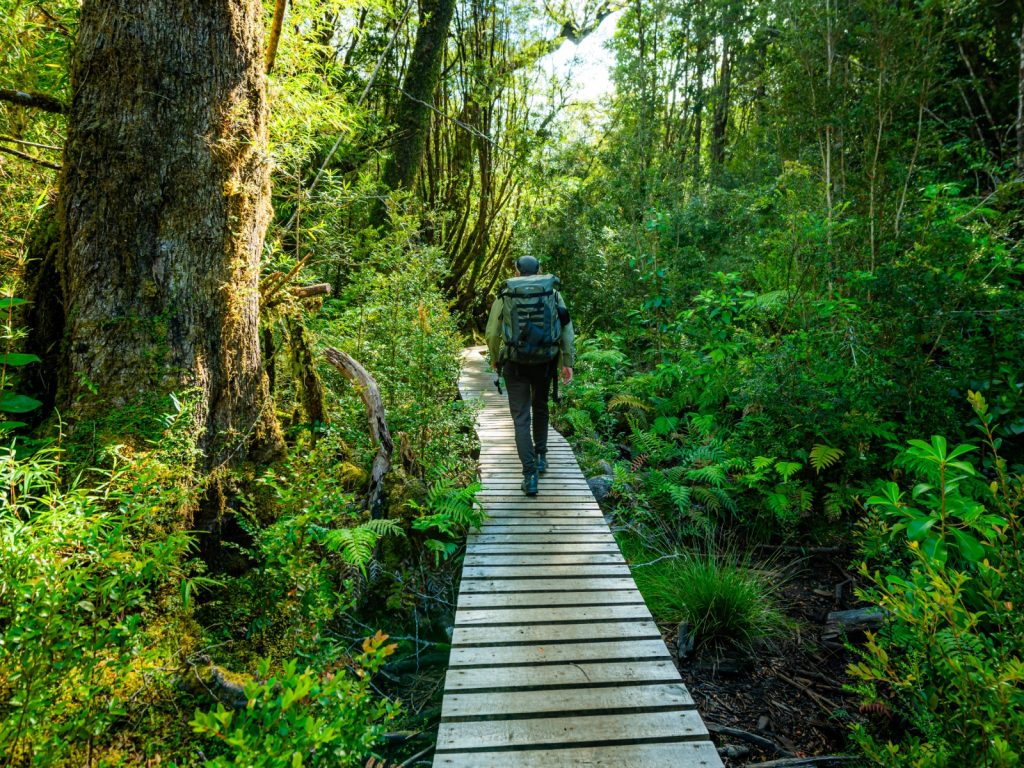
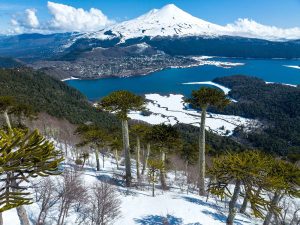
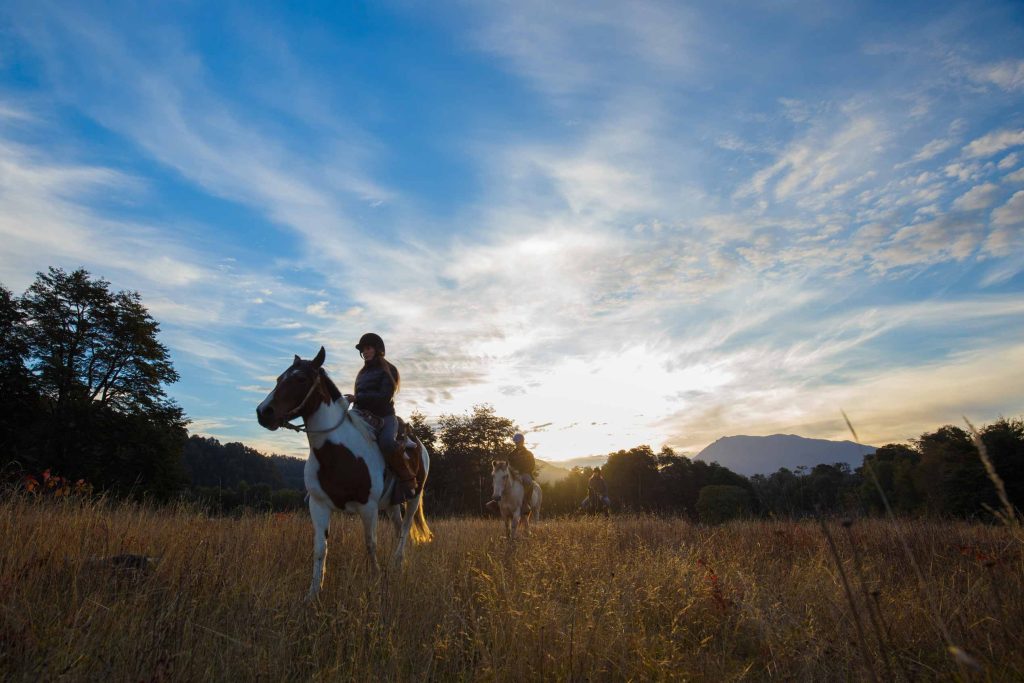
Those seeking forests, lakes, and volcanoes will find that Southern Chile feels like a dream come true. The regions of La Araucanía, Los Ríos, and Los Lagos concentrate some of the most valuable temperate ecosystems in the Southern Hemisphere. With base cities like Pucón, Puerto Varas, and Frutillar, this territory offers a unique combination of forests, adventure, nature, and relaxation.
- Ancient Araucaria forests: In national parks like Conguillío and Huerquehue, the araucaria tree stands tall with its unmistakable prehistoric forms.
- Volcanoes and turquoise lakes: Volcanoes like Villarrica and Osorno dominate the horizon alongside large glacial lakes, such as Llanquihue and Todos los Santos.
- Nature adventure: Southern Chile is a privileged setting for outdoor activities, from volcano ascents and hiking to kayaking, rafting, recreational fishing, and cycling tours.
Why does Antarctica make Chile a unique destination?
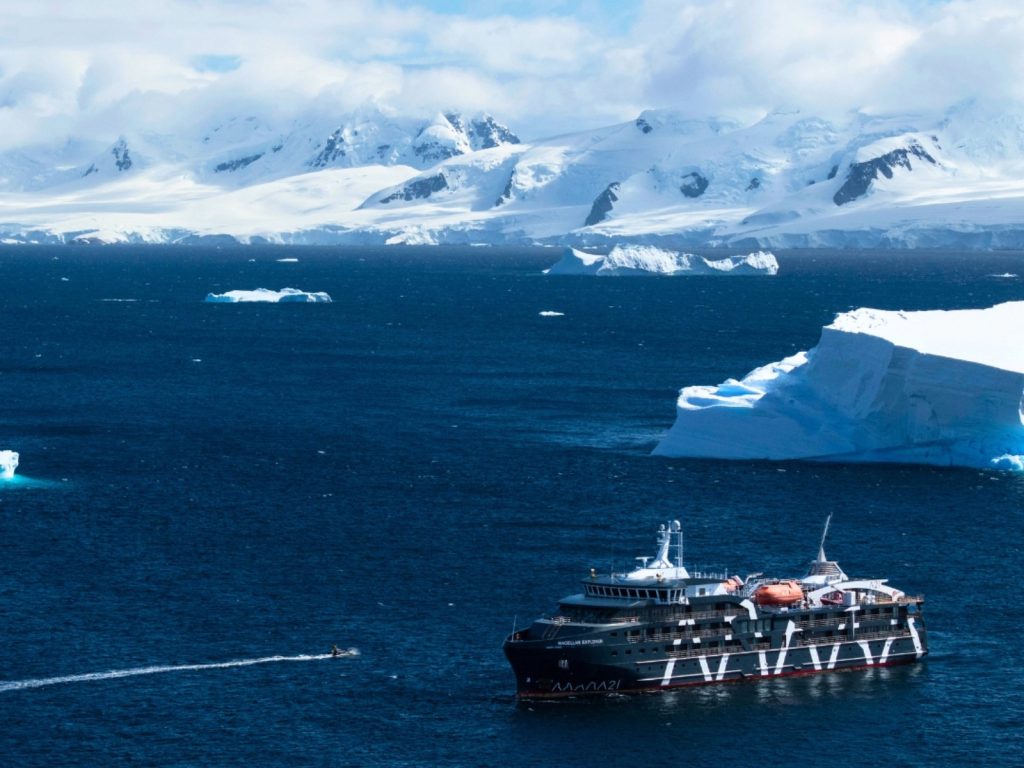
The journey doesn’t end in Chilean Patagonia. Our country is one of the few places in the world that serves as a gateway to Antarctica. From Punta Arenas, maritime and aerial expeditions depart to this extreme territory, offering a unique experience for adventurers.
Antarctica hosts scientific bases from various countries dedicated to studying climate change and polar ecosystems, and visiting it is also an opportunity to understand its key role in the planet’s balance.
- Ice landscapes: Visiting Antarctica means discovering enormous glaciers, floating icebergs, and snow-covered mountains that form stunning landscapes.
- Wild fauna: Despite its extreme conditions, this destination harbors extraordinary biodiversity. During the expedition, it’s possible to observe colonies of penguins, seals, whales, and various species of seabirds in their natural habitat.
From the world’s driest desert to the ice of Antarctica, Chile proves that its greatest wealth is diversity. That’s why traveling to Chile is a different experience with each visit: there will always be a new landscape to explore, a new culture to discover, and a new adventure to live.
And you, what corner of Chile will you discover on your next trip? Plan your itinerary with us and start planning an adventure you’ll want to repeat.