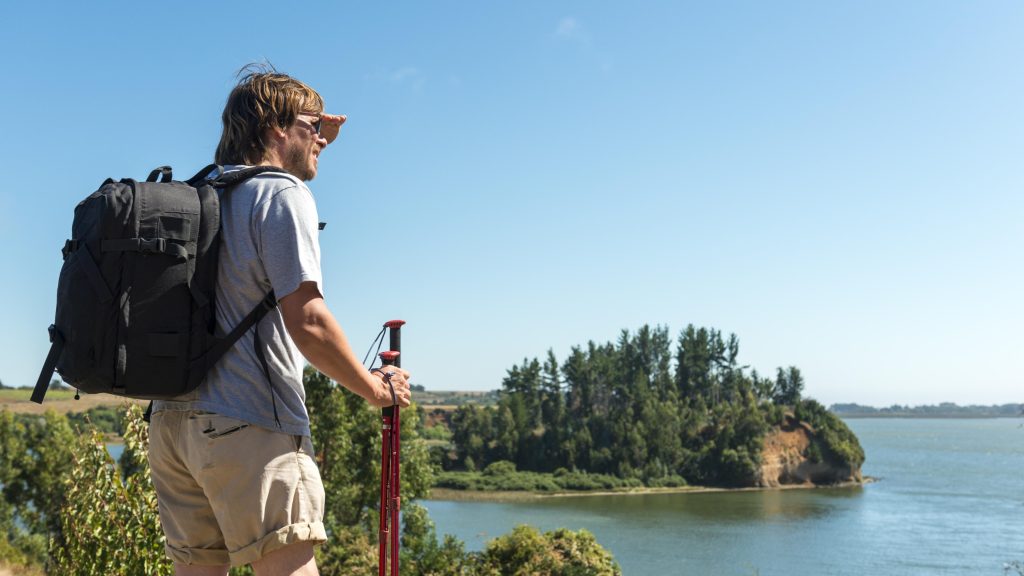
Santiago, San Pedro de Atacama, Pucón y Torres del Paine destacan por su gran cantidad de servicios y su variedad de experiencias.
From the driest desert in the world to the most iconic landscapes of Patagonia, in our country you’ll find cities with all the services you need, towns surrounded by nature, and incredible national parks.
Why is Santiago a good starting point for solo travel?
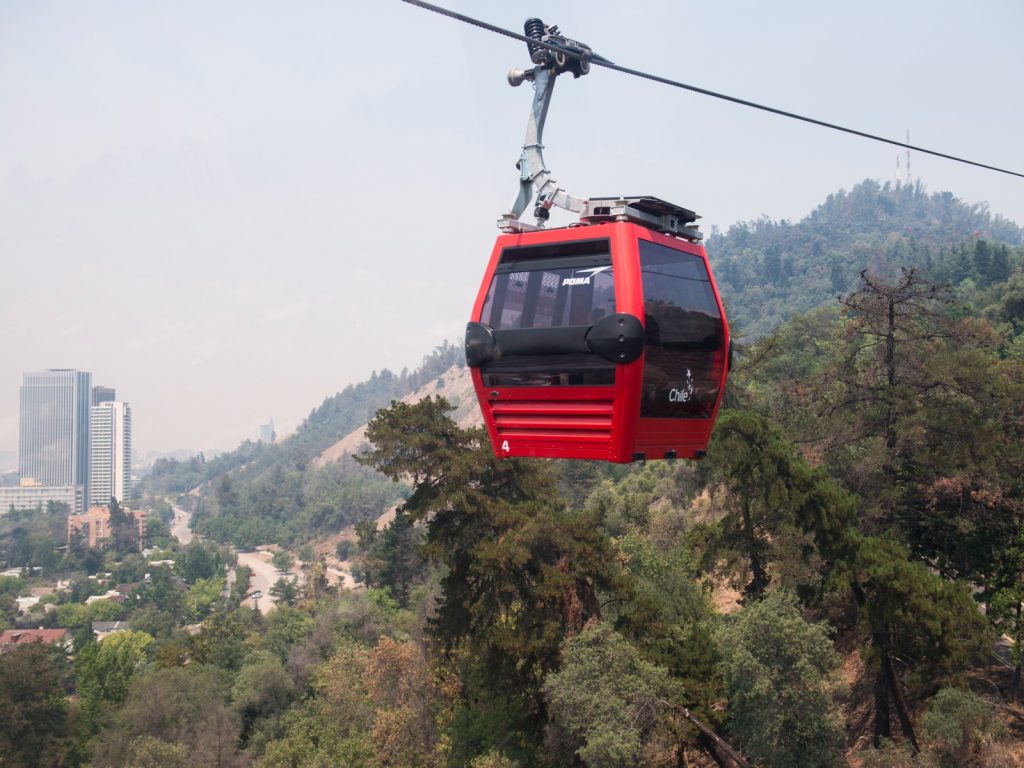
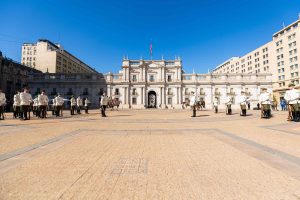
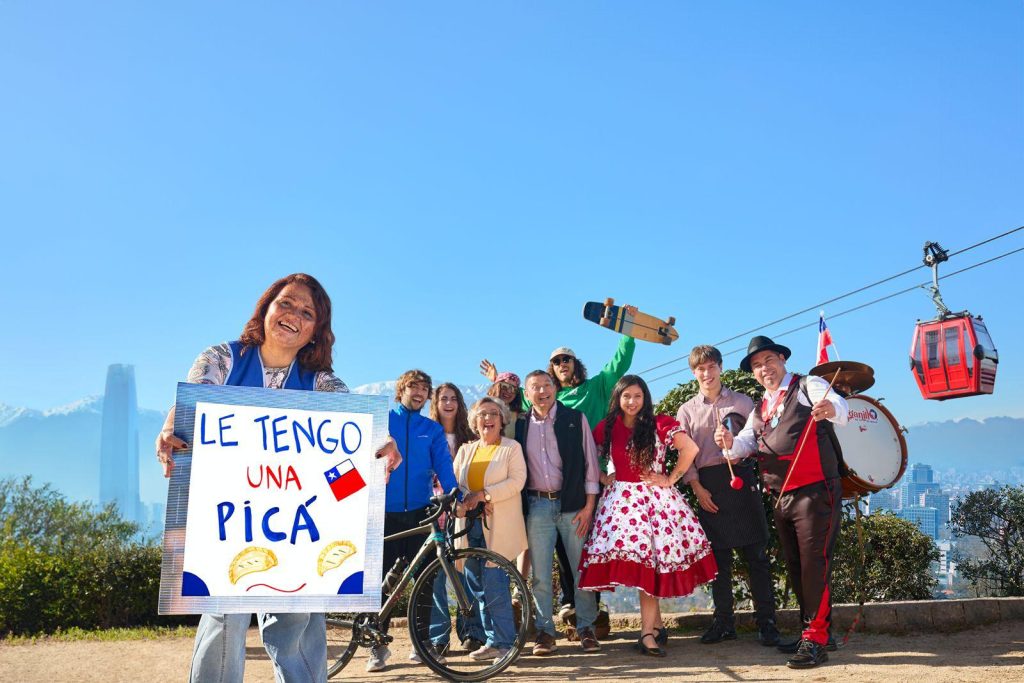
Most travelers begin their adventure in Santiago. The Chilean capital has a modern Metro network, a wide range of accommodation options, and neighborhoods that allow you to discover the city on foot.
Areas like Lastarria, Providencia, Bellavista, and Barrio Italia are home to museums, restaurants, cafés, and cultural spaces where it’s easy to spend hours exploring. Santiago also serves as an ideal base for day trips to the Andes Mountains, vineyards, or coastal cities like Valparaíso and Viña del Mar.
For solo travelers, the combination of connectivity, tourism services, and nearby attractions makes this city a comfortable and accessible gateway to exploring Chile.
What to do in Santiago
- Enjoy the snow near Santiago: 2 days of adventure
- A cultural and heritage tour of Santiago, Chile’s capital
- 2-Day Itinerary in Santiago: What to See and Do
San Pedro de Atacama: the favorite of solo travelers
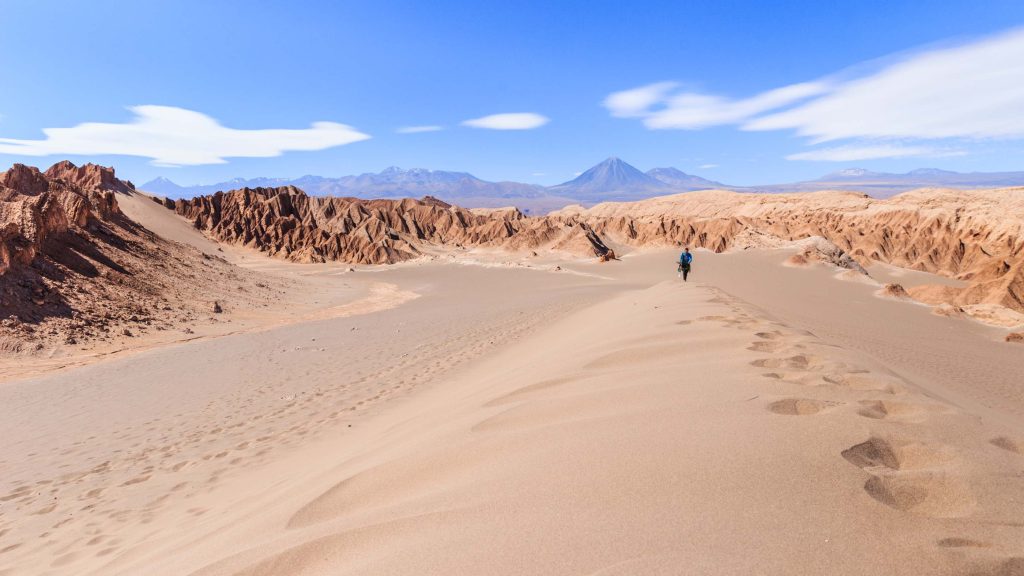
Few places bring together so many ideal elements for solo travel as San Pedro de Atacama. Its peaceful atmosphere and easy-to-navigate streets make this small town in northern Chile a comfortable destination for independent travelers.
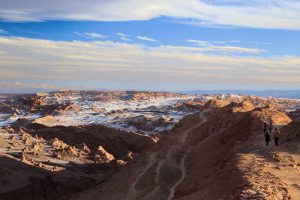
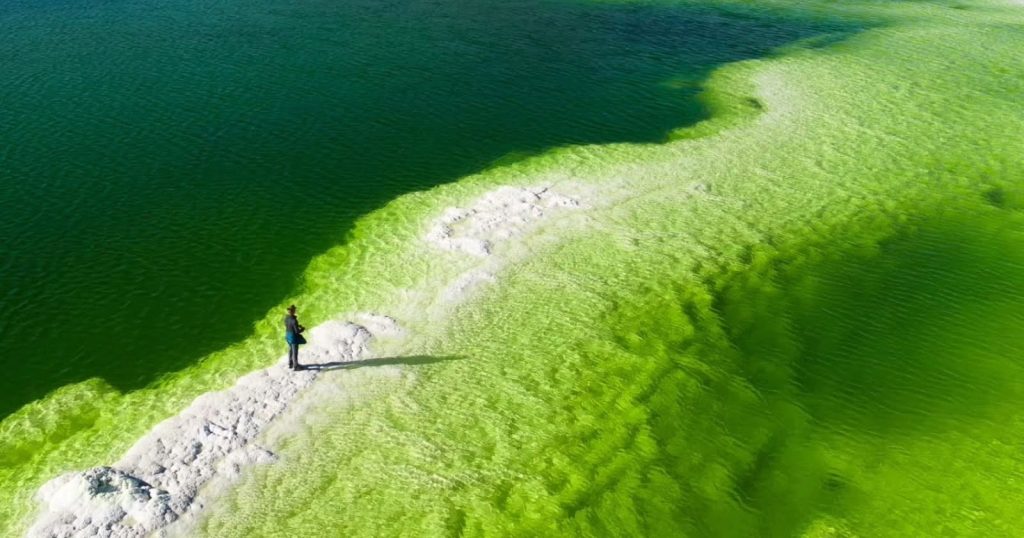
Additionally, most excursions are done in groups, making it easy to meet people from different countries. Main attractions include the Valle de la Luna, Geysers del Tatio, and altiplanic lagoons. You can also participate in astronomical experiences under some of the clearest skies in the world.
What to do in San Pedro de Atacama
- San Pedro de Atacama and its surroundings
- San Pedro de Atacama: The best time to visit that few people know about
What makes Pucón so special for solo travel in Chile?
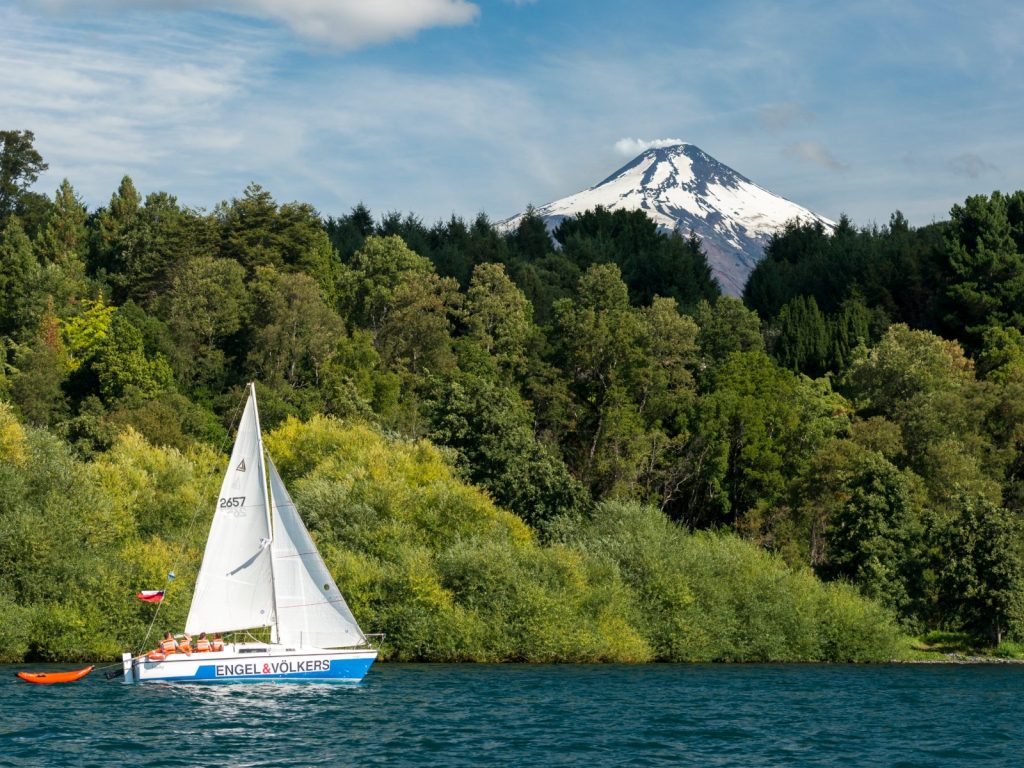
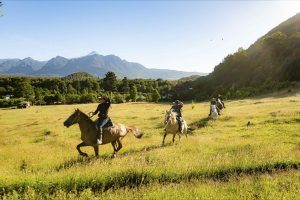
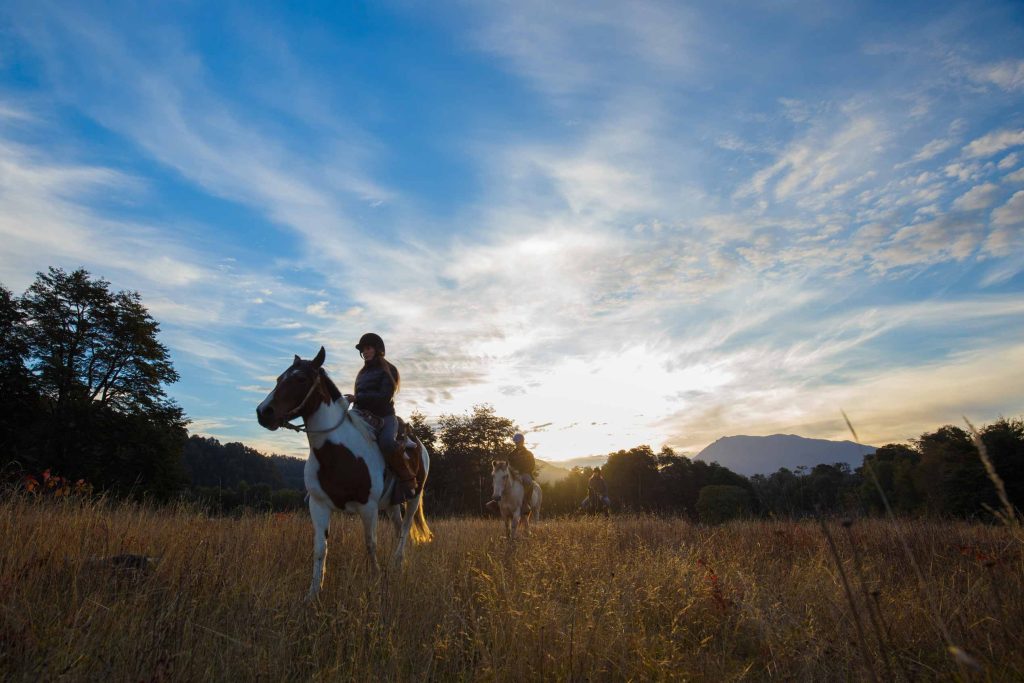
Located in the La Araucanía Region, Pucón is considered one of Chile’s main adventure tourism destinations, with activities like hiking, water sports, kayaking, and many other options for an unforgettable stay.
Pucón is the perfect base for exploring Huerquehue and Villarrica national parks, relaxing at the renowned Termas Geométricas, or feeling the adrenaline while navigating the Trancura River. Thanks to the area’s excellent connectivity, you can easily reach these attractions, even if you’re traveling without your own vehicle. For a safe adventure, it’s recommended to always hire tourism services registered with Sernatur.
What to do in Pucón
- Pucón hot springs! Two days of absolute relaxation in the La Araucanía Region
- Villarrica, a natural paradise in southern Chile
- Villarrica Volcano ascent: an excursion for the most adventurous
Is it worth visiting Torres del Paine when traveling solo?
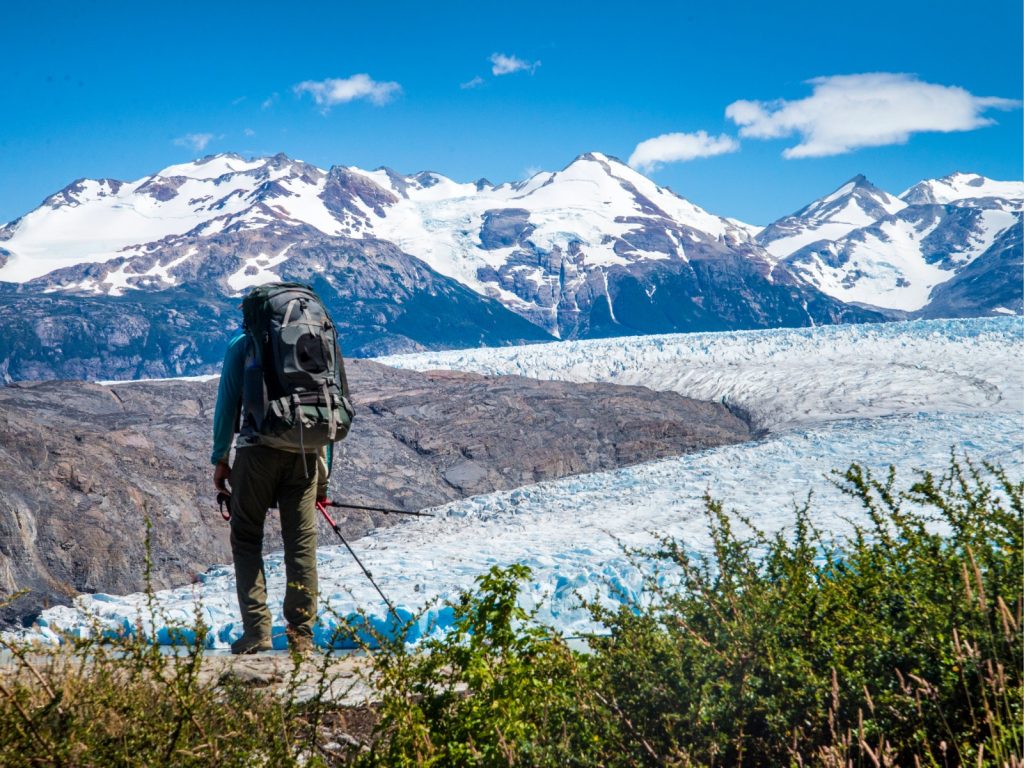
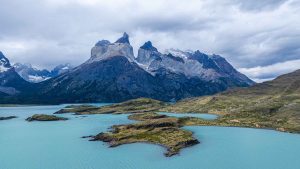
The answer is yes. Torres del Paine is one of the most spectacular national parks on the planet. Its must-sees include the Base Torres viewpoint, Grey Glacier, and Lakes Pehoé and Nordenskjöld. The most iconic landscapes of Chilean Patagonia! Plus, it’s common to meet hikers from different countries at refuges and on trails.
However, to enjoy this paradise safely, planning is key: prepare for changing weather, respect designated trails, and keep in mind that fire is strictly prohibited.
What to do in Torres del Paine National Park
- Fall in love with Torres del Paine: Discover its routes, viewpoints, and more…
- Puma watching in Chile: Why we’re the “Hollywood” of the big cat
- Torres del Paine W Trek: The definitive guide
Tips for solo travel in Chile
Before starting your adventure, check out what you need to know before traveling to Chile, from entry requirements to practical information for getting around the country. Good planning will allow you to enjoy each stage of your journey with greater peace of mind.
- Get travel insurance that includes outdoor activities.
- Download offline maps if you plan to visit remote destinations or national parks.
- Carry some cash if you’ll be traveling to rural areas where connectivity may be limited.
- Book accommodation and excursions in advance during high season.
- Use registered tour operators for mountain or adventure activities.
- Learn about the weather conditions of each destination, especially if you’ll be visiting Patagonia or high mountain areas.