Is it safe to travel to Chile? The main international indicators show a favorable position. Although, as with any destination, it is important to take precautions.
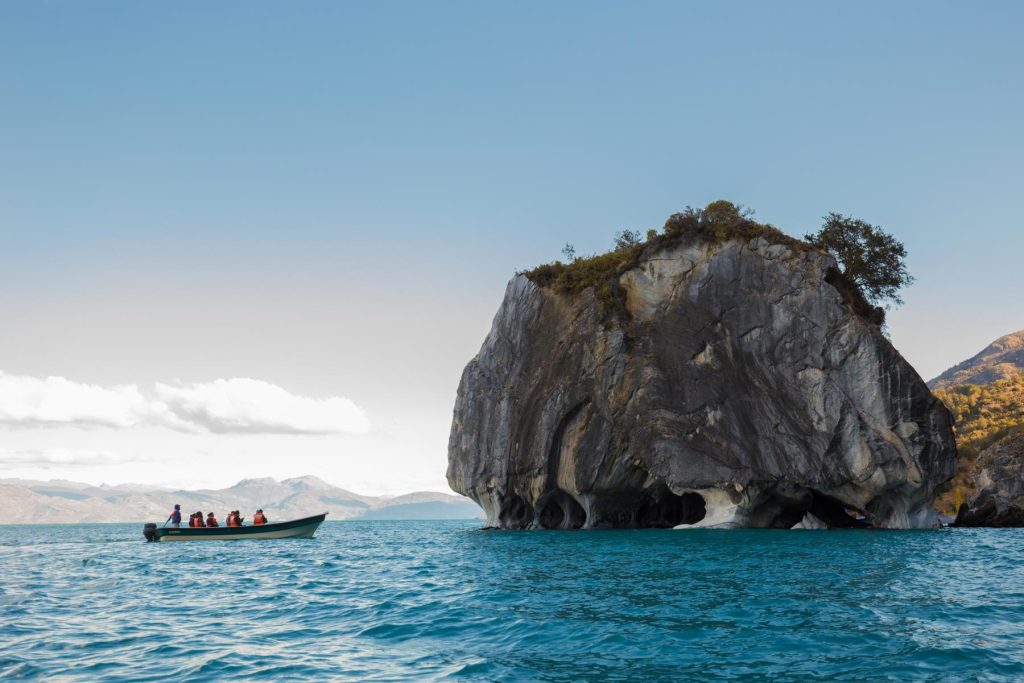
Chile offers an extraordinarily diverse geography. Deserts, valleys, coastlines, forests, lakes, and the Chilean Patagonia are all part of the same journey. With the right information before you leave, all that’s left is to pick your next destination and start discovering Chile.
Is it safe to travel to Chile? What international rankings say
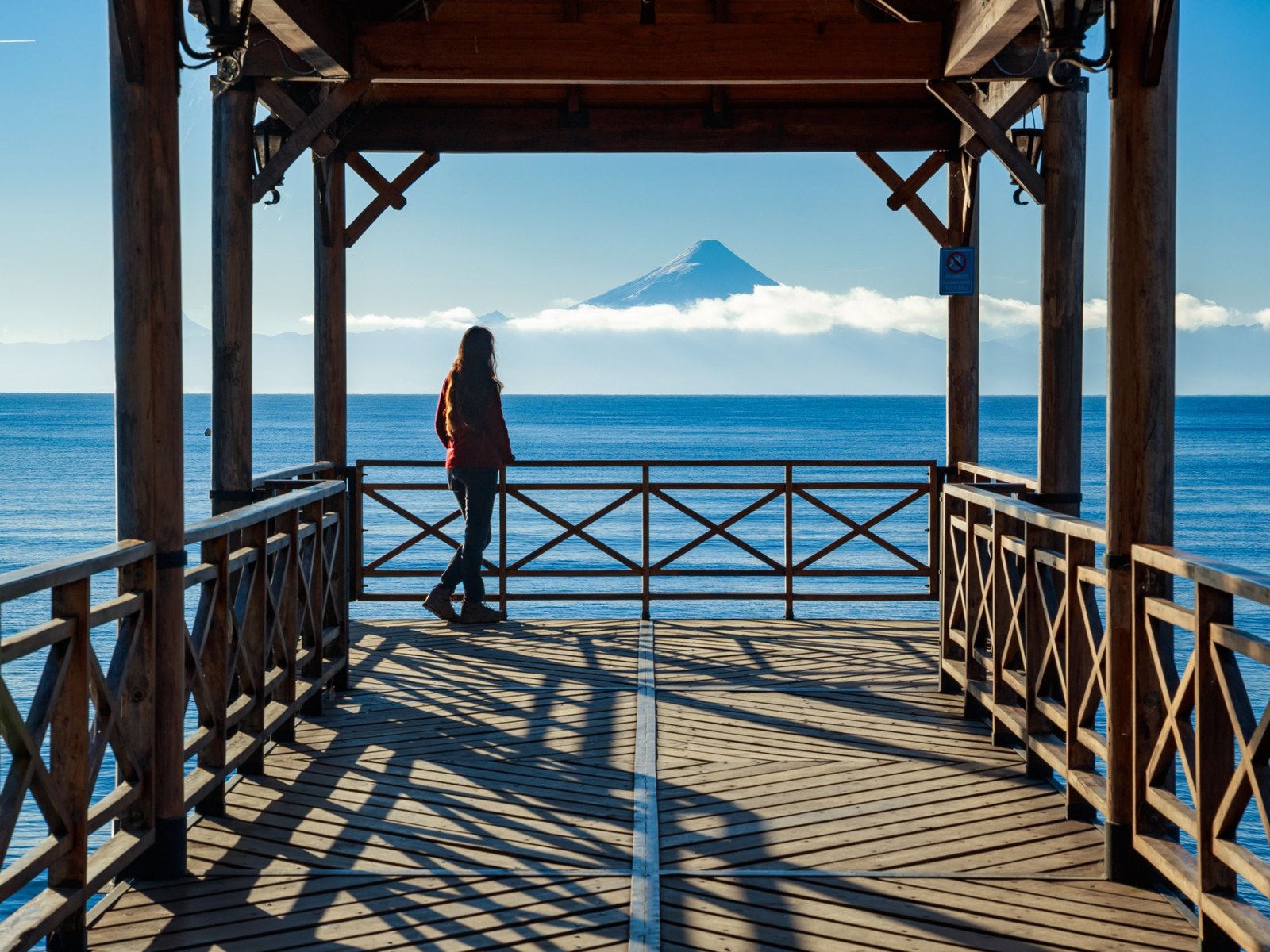
Governments, specialized media, and international indices offer different perspectives on the conditions for traveling through Chile. These are some of the measurements and recommendations.
- Global Finance: Chile ranks 68th among the safest countries in the world, ahead of the United States. It is the highest-ranked South American country in this classification.
- U.S. News Best Countries: Chile ranks 43rd in the 2026 edition. “Compared to the rest of Latin America, Chile shows favorable indicators for human development and income,” the text states.
- Global Peace Index 2026: Chile ranks 52nd out of 163 countries and second in South America. The index considers factors related to safety, security, and conflict.
- HelloSafe 2026: Chile is ranked 43rd in the world, with 78.5 points out of 100, and is the highest-ranked South American country in this classification.
The Global Peace Index also shows progress compared to the previous edition: Chile climbed eight positions in the 2026 ranking and recorded the largest percentage improvement in South America. This progress was mainly driven by an improvement in the area of safety and security.
What do the United States and the United Kingdom recommend?
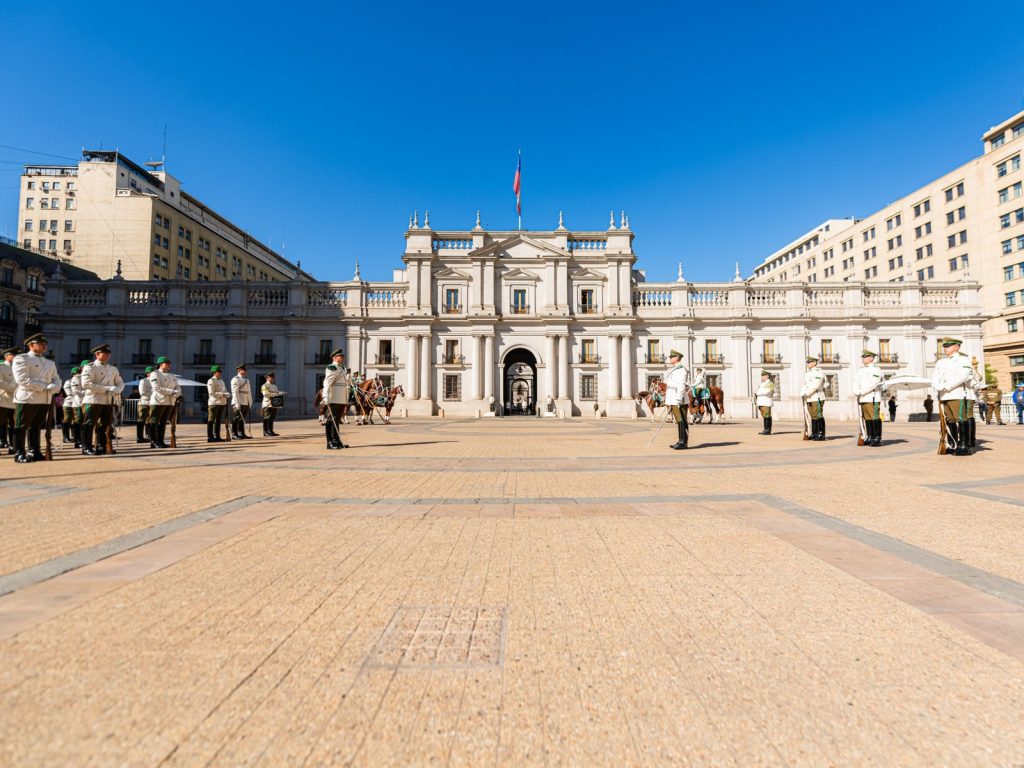
Before packing their bags, many travelers check what their own governments have to say. In Chile’s case, both agree: it is a destination to be enjoyed with the same level of attention you would have in any major city in the world.
- United States: The Department of State keeps Chile at Level 2, “Exercise Increased Caution,” on a four-level scale. It mentions crime, civil unrest, and health-related issues among the main risks. Its recommendations include taking precautions with personal belongings and staying away from demonstrations.
- United Kingdom: The Foreign, Commonwealth & Development Office (FCDO) classifies the country as Standard Risk and provides recommendations on safety, health, and regional risks. It also advises having travel insurance, and its guidelines may vary depending on the place you visit and the conditions in each region.
How does safety in Chile affect travel insurance?
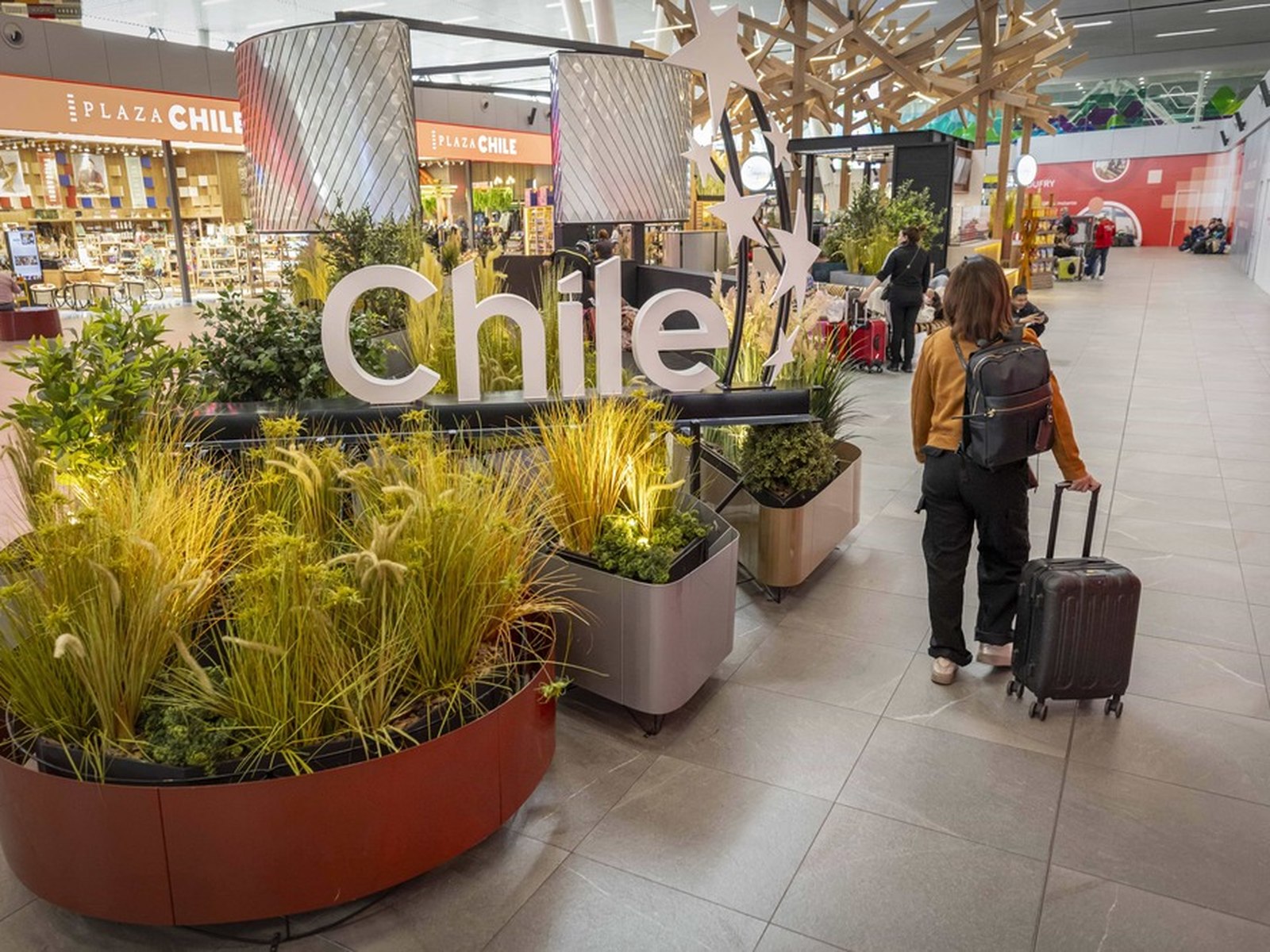
The country’s position in international indices also allows for favorable conditions for those taking out travel insurance. For insurers, this translates to:
- Access to regular rates without surcharges.
- Medical protection without special requirements or rescue clauses.
- Greater ease in managing refunds in case of theft, as it is possible to file a report with the Carabineros de Chile or the Investigative Police (PDI) and present the corresponding documentation.
Before traveling, however, it is advisable to check the specific conditions of your policy, especially if your itinerary includes adventure activities or remote destinations.
What precautions should you take during a trip to Chile?
Beyond each government’s recommendations, there are some simple measures that can help prevent inconveniences during your trip.
- Keep your documents, money, and valuables secure, especially in crowded places, and avoid leaving luggage or belongings visible inside a vehicle.
- Keep emergency numbers handy. To contact the Carabineros, you can call 133; to reach the Investigative Police (PDI), call 134. In case of accidents or emergencies at beaches or at sea, the number 137 allows you to contact the Maritime Authority.
- Consider the natural characteristics of the destination. Chile has seismic and volcanic activity, so it is advisable to check the guidelines from the National Service for Disaster Prevention and Response (Senapred) and know the evacuation routes for the area you will be visiting.
- Check conditions before engaging in outdoor activities. On Visor Chile Preparado, you can consult risk maps and evacuation routes for tsunamis, forest fires, and volcanic eruptions.