




History, museums, and architecture in the heart of Santiago
4 DíAS
Explore the history and heritage of Santiago. This four-day circuit takes you through the most iconic corners of the Chilean capital. From the multicultural Barrio Yungay to the treasures of the Fine Arts Museum and the mystical Barrio Lastarria. Experience a deep cultural journey among museums, parks, and historic neighborhoods full of identity.
SEASON
Inicio del itinerario
Attractions included on this day
Day 1
Yungay District
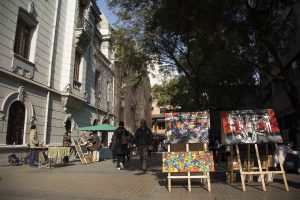
Let’s kick off the first day with a tour of Barrio Yungay (the Yungay neighborhood), which is like a stroll through Santiago’s historical roots, created after the victory in the Battle of Yungay in 1839.
It is one of the city’s most multicultural areas that preserves much of the original architecture and is known for having several Chilean food restaurants, such as the Amadeus Lab, right on the corner of the Presidential residence and the Amadeus Lab Plaza with its monument of the Roto Chileno (something like the “underdog”) that pays homage to the men who participated in the war against the Peruvian-Bolivian Confederation.
Attractions included on this day
Day 1
Yungay District
Let’s kick off the first day with a tour of Barrio Yungay (the Yungay neighborhood), which is like a stroll through Santiago’s historical roots, created after the victory in the Battle of Yungay in 1839.
It is one of the city’s most multicultural areas that preserves much of the original architecture and is known for having several Chilean food restaurants, such as the Amadeus Lab, right on the corner of the Presidential residence and the Amadeus Lab Plaza with its monument of the Roto Chileno (something like the “underdog”) that pays homage to the men who participated in the war against the Peruvian-Bolivian Confederation.
Day 2
National Museum of Natural History
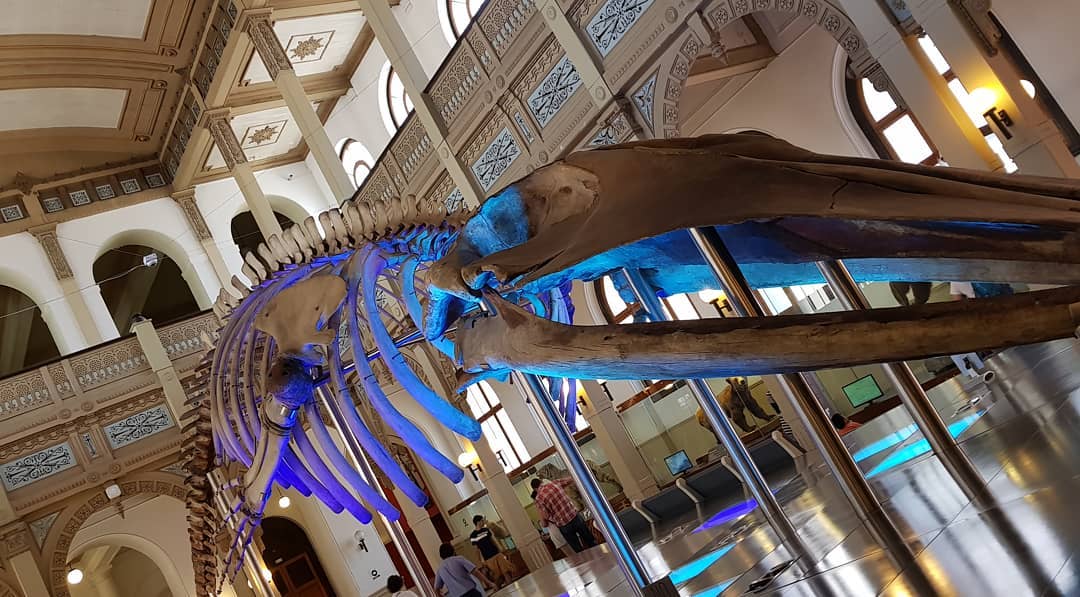
On your second day in the city, we recommend you visit Quinta Normal. This neighborhood is located in the northeast of the city and offers a great park that gave its name to the area, with 35 hectares of vegetation, a lagoon, and walkways that run through the whole area.
Its main attraction is the National Museum of Natural History where you can see the skeleton of a whale and many other species of great importance for the natural and cultural heritage of the country. As you leave the park you can also visit the Museo de la Memoria (Museum of Memory) and learn more about Chile’s contemporary history.
Day 2
National Museum of Natural History
On your second day in the city, we recommend you visit Quinta Normal. This neighborhood is located in the northeast of the city and offers a great park that gave its name to the area, with 35 hectares of vegetation, a lagoon, and walkways that run through the whole area.
Its main attraction is the National Museum of Natural History where you can see the skeleton of a whale and many other species of great importance for the natural and cultural heritage of the country. As you leave the park you can also visit the Museo de la Memoria (Museum of Memory) and learn more about Chile’s contemporary history.
Attractions included on this day
Day 3
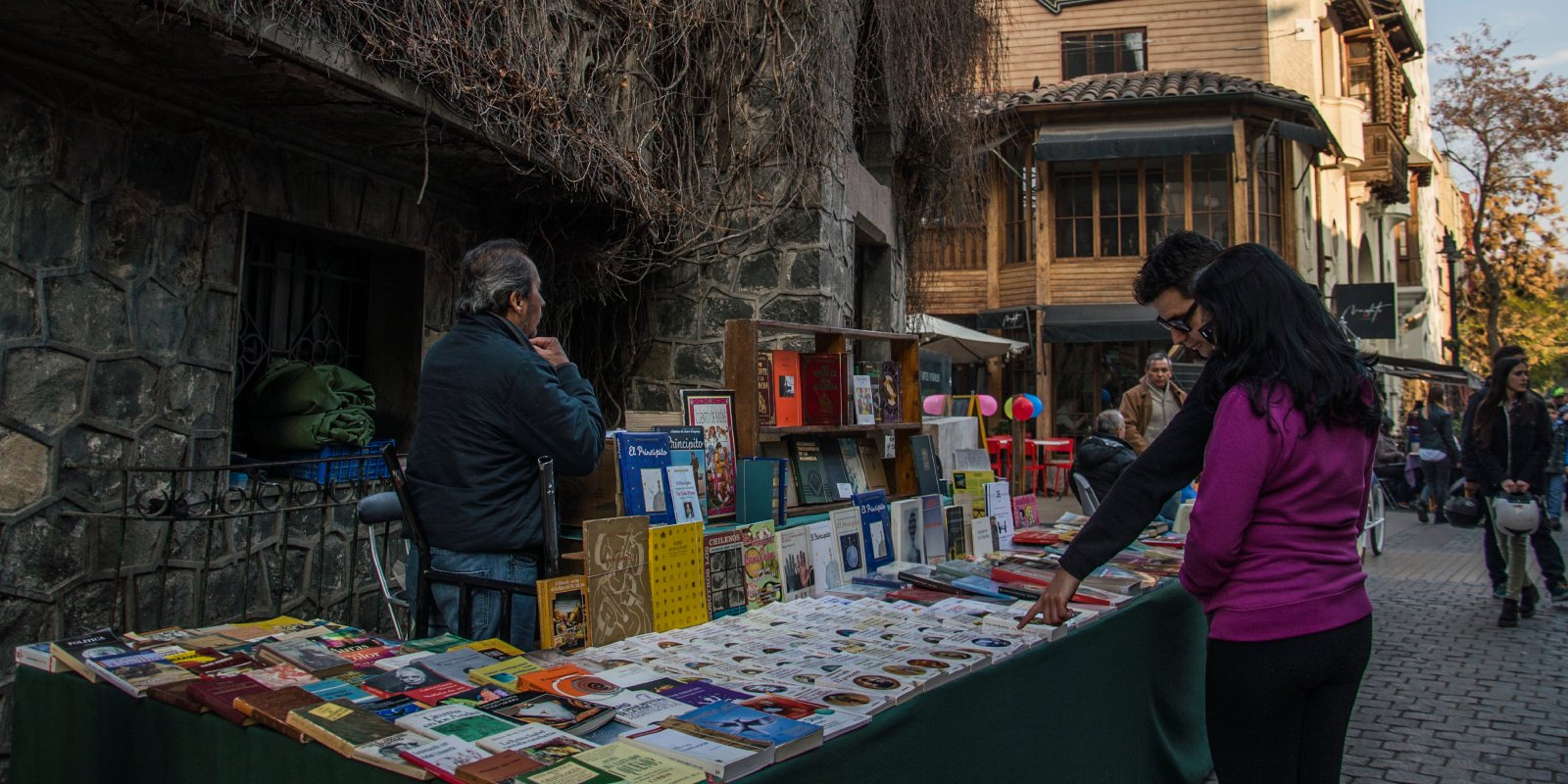
The main Street in Lastarria
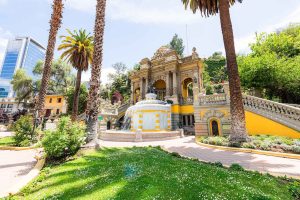
On the third day, we recommend a walk through the streets of José Miguel De La Barra, Santa Lucía and José Victorino Lastarria. In this district, you will get to know another part of our country’s culture at the Fine Arts Museum, with its Beaux-Arts architecture, and displays of permanent and temporary exhibitions.
Opposite the museum is the Parque Forestal, an urban park with old trees where you can rest and take a break. Nearby, on Santa Lucía Street, is the entrance to the hill of the same name, an ideal place to take photos of the castle on its summit. Just one street away, you can eat at the restaurants of the Lastarria neighborhood and then visit the Gabriela Mistral Centre (GAM, Centre for Contemporary Culture).
Attractions included on this day
Day 3
The main Street in Lastarria
On the third day, we recommend a walk through the streets of José Miguel De La Barra, Santa Lucía and José Victorino Lastarria. In this district, you will get to know another part of our country’s culture at the Fine Arts Museum, with its Beaux-Arts architecture, and displays of permanent and temporary exhibitions.
Opposite the museum is the Parque Forestal, an urban park with old trees where you can rest and take a break. Nearby, on Santa Lucía Street, is the entrance to the hill of the same name, an ideal place to take photos of the castle on its summit. Just one street away, you can eat at the restaurants of the Lastarria neighborhood and then visit the Gabriela Mistral Centre (GAM, Centre for Contemporary Culture).
What you should know
How to get there by air
Arturo Merino Benítez International Airport (SCL) receives flights from all over the world. It is the main gateway to start this urban tour, with various transfer and bus options connecting directly to the city center.
How to get there by land
Santiago has an integrated transport system (Metro and buses). The historic center is ideal to explore on foot or by bicycle, allowing you to better appreciate the urban architecture and monuments that connect each neighborhood.
Climate and clothing
The climate is Mediterranean. Wear comfortable clothes, use sunscreen, and walking shoes. In summer, the sun is intense; in winter, mornings are cold, so dressing in layers is the best strategy.
Must-Know Tips
Carry cash for small purchases, your ID, and always check museum hours in advance. Use only tourism services registered in the official Sernatur catalog to guarantee a safe and high-quality experience.


