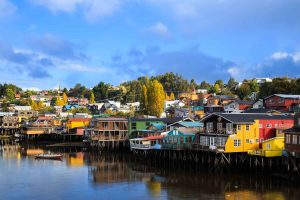
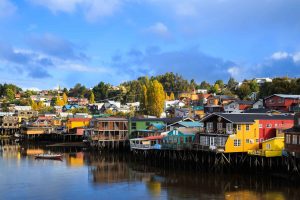
Located at the entrance to Chilean Patagonia, the Great Island of Chiloé is a magical place full of untamed nature and a unique culture.
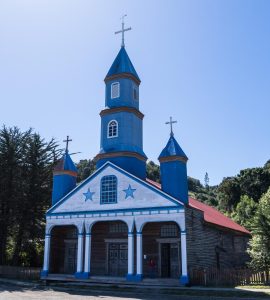
Its history is marked by a profound cultural syncretism, where the beliefs of the Huilliche people and the faith brought by missionaries wove a unique identity. This blend gave rise to fascinating myths and legends, which draw directly from the surrounding biodiversity.
Penguin sightings, jungle trekking, and enormous waterfalls await you in Chiloé. If you’d like to know more, here we tell you about four of its essential places.
The best nature experiences in Chiloé
Chiloé National Park
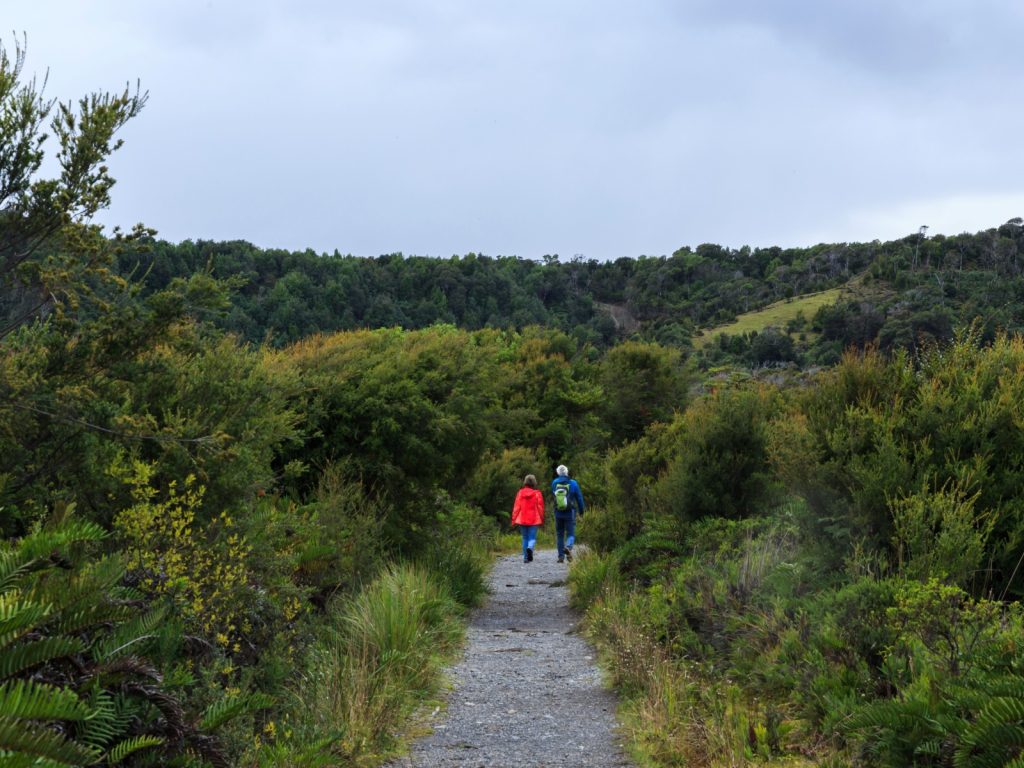
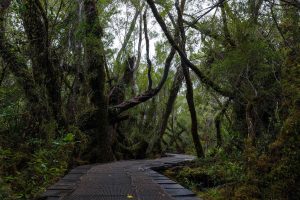
One of the key areas for discovering the biodiversity of southern Chile, Chiloé National Park protects large areas of Valdivian rainforest, dunes, and beaches. Its main trail is El Tepual, which crosses a forest with walkways among tepúes and mosses, while sectors like Chanquín and Lago Huelde offer good options for hikes.
Among the park’s emblematic species are the Chiloé fox, the pudú, the monito del monte, and the black woodpecker. It is an essential visit for those seeking nature, hiking, and representative landscapes of Chiloé.
Puñihuil Islets Natural Monument
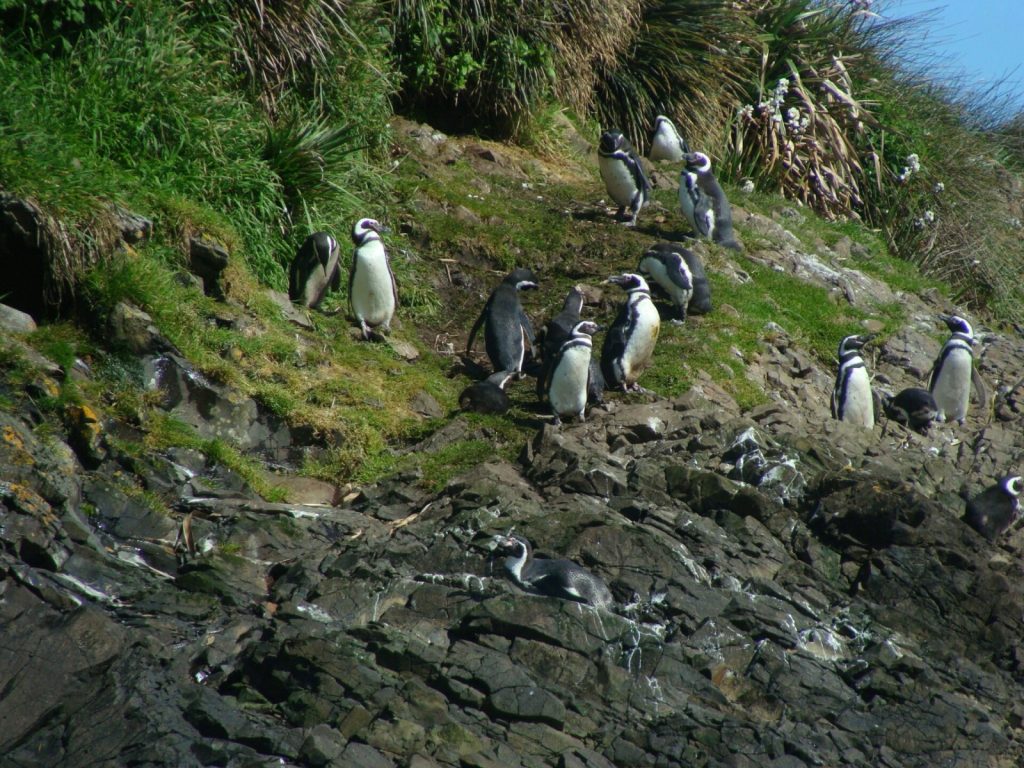
25 kilometers from Ancud, in front of Puñihuil cove, are three islets that make up this natural monument. It is one of the few places in the world where both Magellanic and Humboldt penguins nest.
The observation season runs between September and March, when local boats offer tours around the islets every 20 minutes. In addition to penguins, it is possible to see cormorants, sea lions, and even whales.
Tocoihue Waterfall
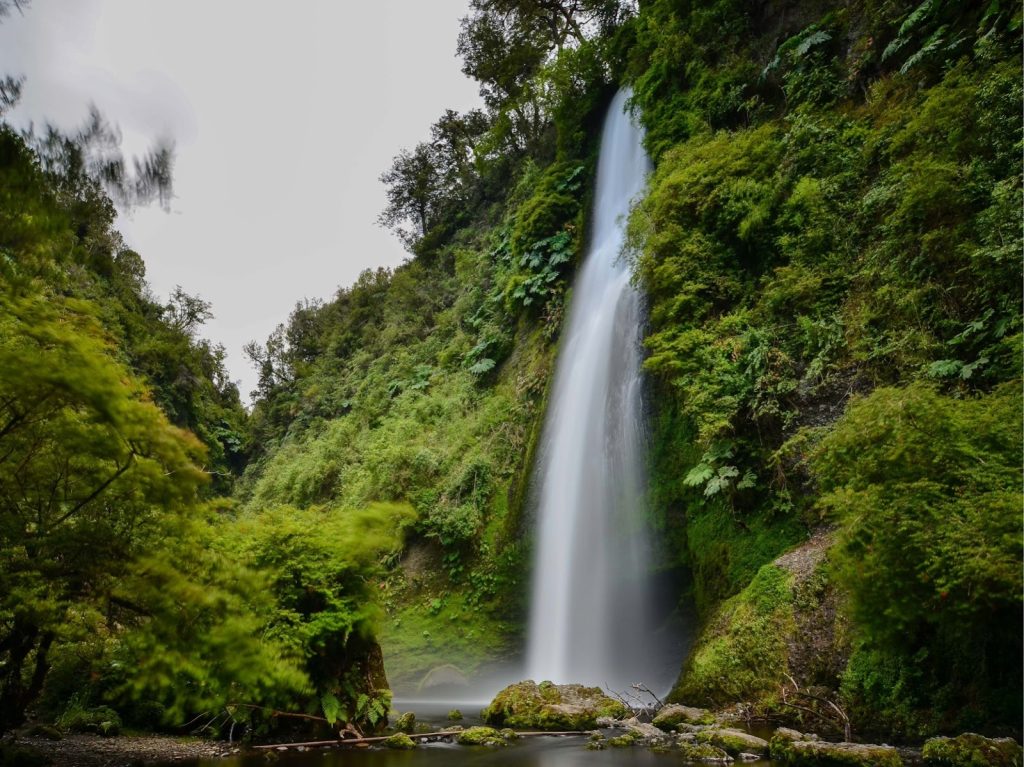
Located 32 kilometers from Dalcahue, the Tocoihue Waterfall is considered the highest waterfall in Chiloé, with a drop of over 50 meters. Surrounded by evergreen forest, it stands out as one of the archipelago’s most impressive natural landscapes.
The place has trails that allow visitors to appreciate the magnitude of the waterfall and its native surroundings, ideal for photography and short walks in contact with nature. Furthermore, a legend surrounds this waterfall: according to Chilote tradition, this was where people aspiring to become sorcerers were bathed, in a ritual intended to “remove” Catholic baptism. It can be visited all year round.
Tantauco Park
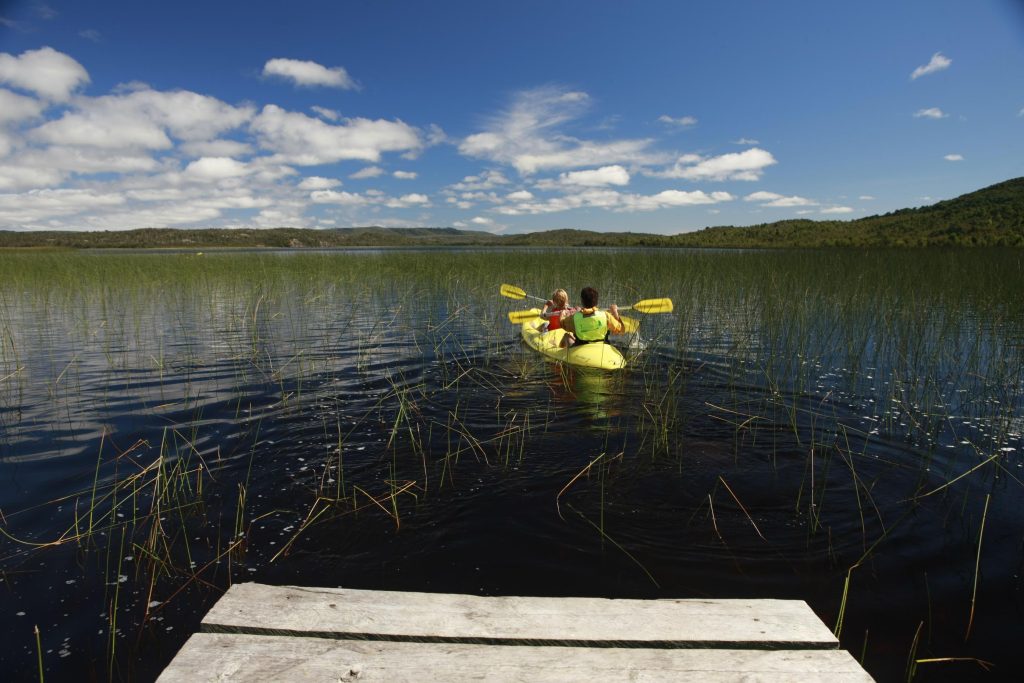
Located in Quellón, in the southern part of Chiloé, Tantauco Park is a conservation area with over 118,000 hectares of native forests, ancient peat bogs, lakes, and rivers. It is one of the most pristine territories in Chiloé and a benchmark for sustainable tourism in southern Chile.
The park has nearly 150 kilometers of marked trails, including routes of varying difficulty: from short walks to multi-day treks to remote areas. It is ideal for those seeking trekking and a deep experience in the island’s less explored nature.
Cucao and Lake Huillinco
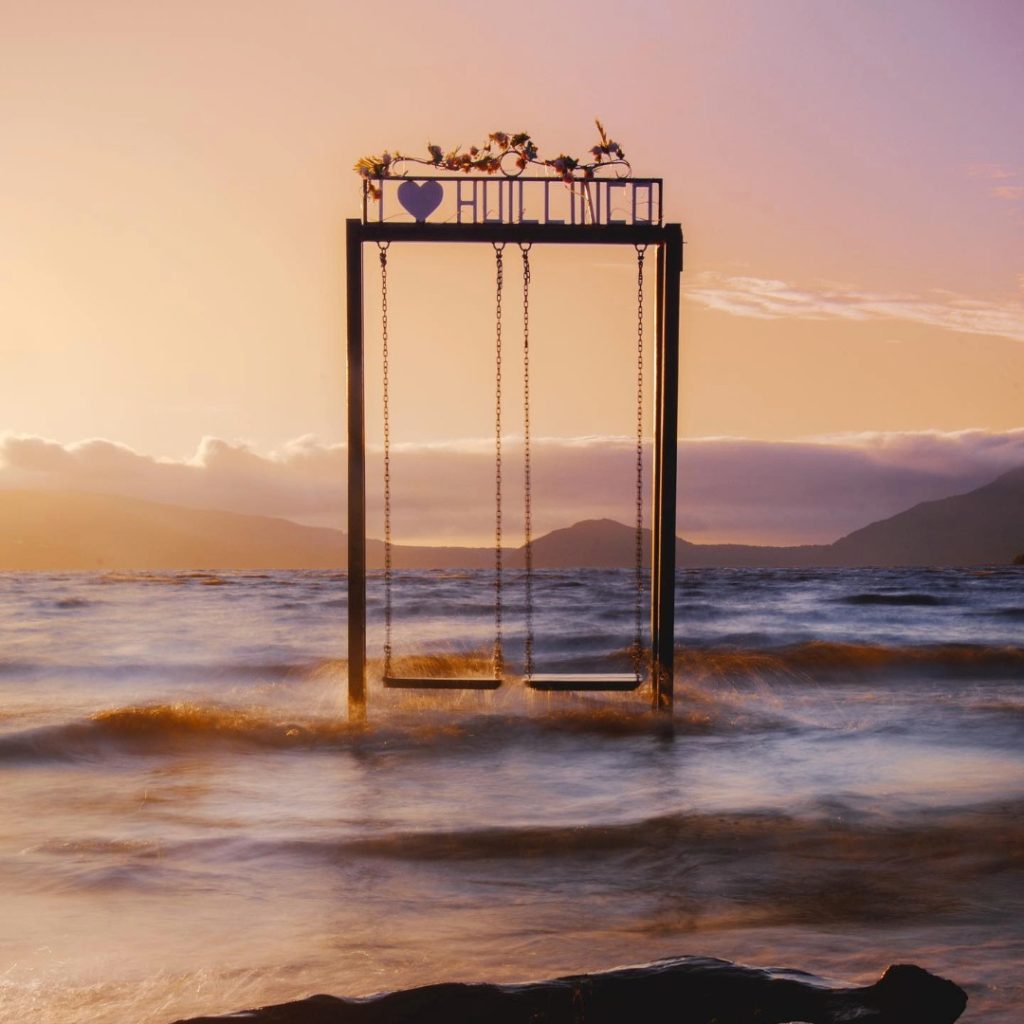
Cucao is the only rural town on Chiloé’s western coast. Surrounded by the Pacific Ocean and extensive protected areas, it is an excellent spot for kayaking and coastal walks.
This area is home to a nature sanctuary of over 3,000 hectares that protects one of the island’s most important river basins. At its center is Lake Huillinco, ideal for sport fishing and sailing sports.
The most famous myths and legends of Chiloé
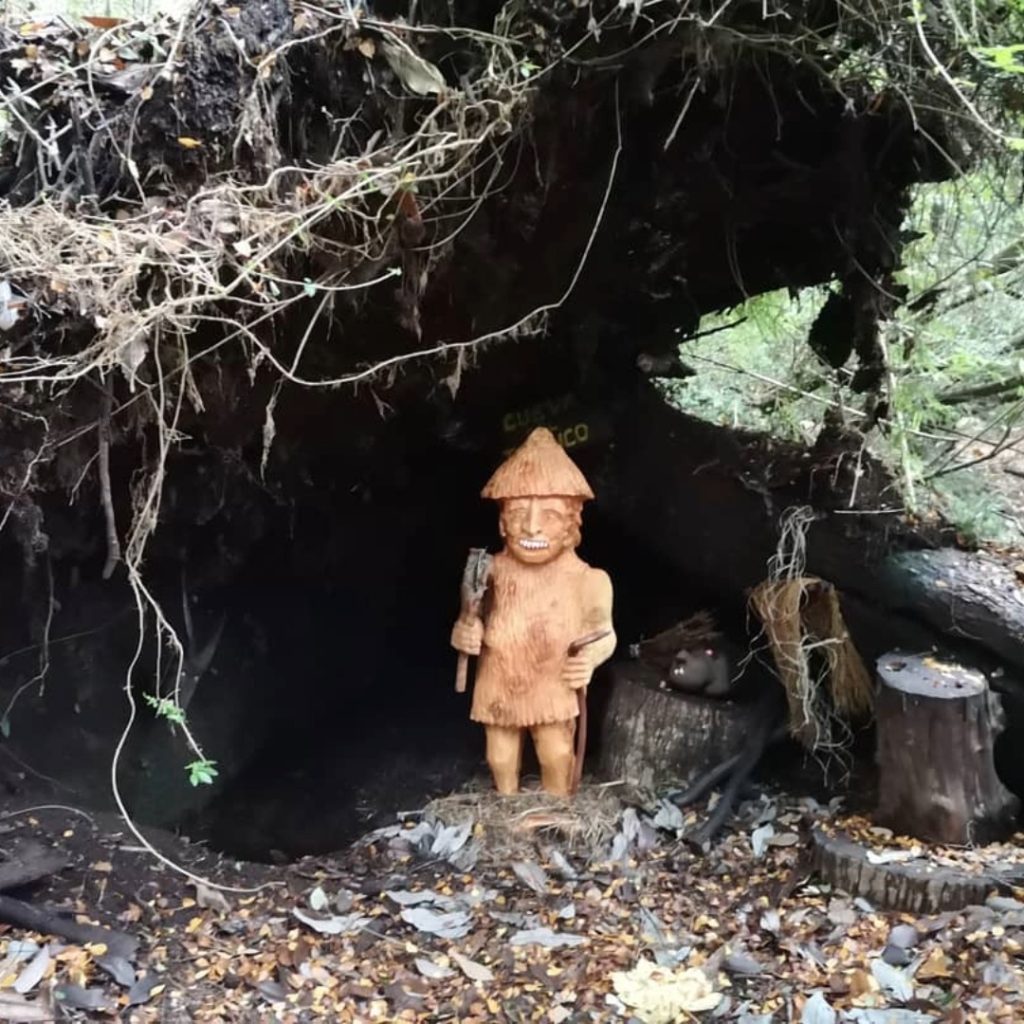
Have you heard about the mysterious characters that inhabit southern Chile? In Chiloé, oral tradition remains an essential part of its identity. These stories explain the communities’ relationship with the sea and the forest, which shape the archipelago’s culture.
One of the most well-known is La Pincoya, depicted as a young and beautiful woman who appears on the seashore. Her dance determines the abundance or scarcity of fish. From the channels also appears El Caleuche, the ghost ship that sails at night, illuminated and with music, crewed—according to legend—by sorcerers and disappeared sailors.
In the forest lives El Trauco, a small being of great strength who lives among tree trunks and caves. Tradition attributes supernatural powers to him and links him to fertility and the mysteries of the natural environment.
To delve deeper into these stories, you can visit the Chiloé Ecological and Mythological Park, located on Recta Chacao near Ancud, where sculptures recreate these characters amidst the native forest.