Chile is one of the most diverse countries in the world. With over 4,000 kilometers in length, its geography spans from one of the planet’s driest deserts to the infinite ice fields of the south.
Few destinations concentrate so much variety in a single territory: the world’s driest desert, Pacific islands, wine valleys, cities with thousands of activities, ancient forests, and glaciers that have yet to know human noise. Chile is not a country; it’s a vertical continent.
Atacama Desert: Infinite Silence
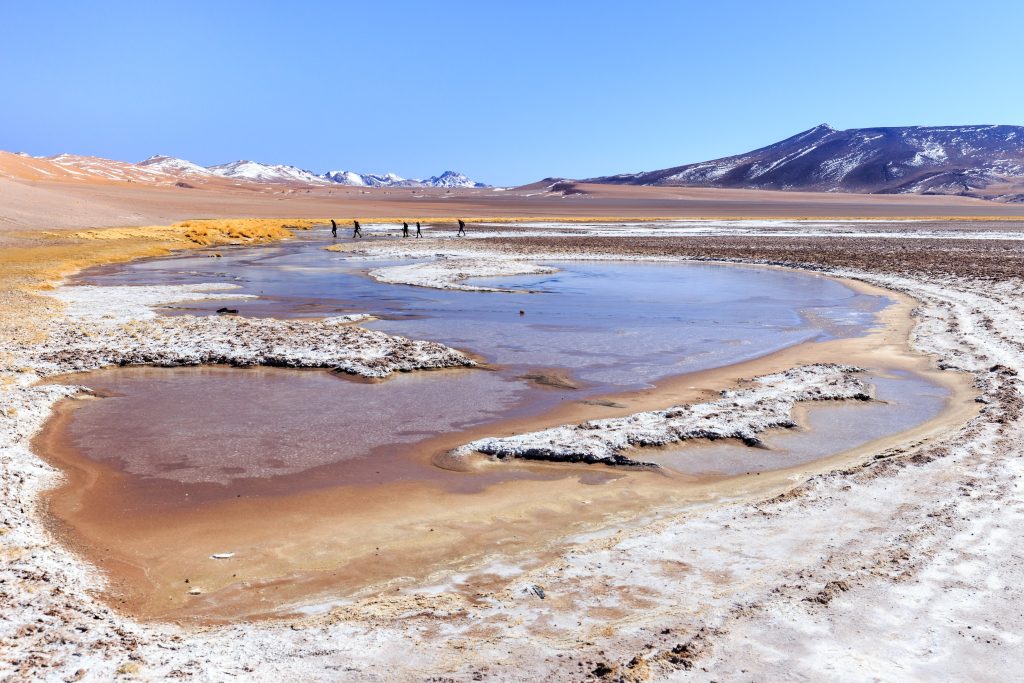
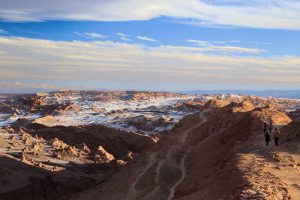
The Atacama Desert is the driest desert in the world, and also one of the most hypnotic. San Pedro is one of its most famous towns, offering access to the Tatio geysers at dawn, the high-altitude lagoons of Chaxa and Miscanti, and the magical Valley of the Moon.
Along the Pacific Ocean, Iquique, Arica, and Antofagasta are large cities that will allow you to explore the coastal desert and other national parks in both Atacama and the Altiplano. It is an unbeatable destination for astrotourism lovers: the skies, free from light pollution, make it one of the best places in the world for professional and amateur astronomy.
Magical and Distant Islands
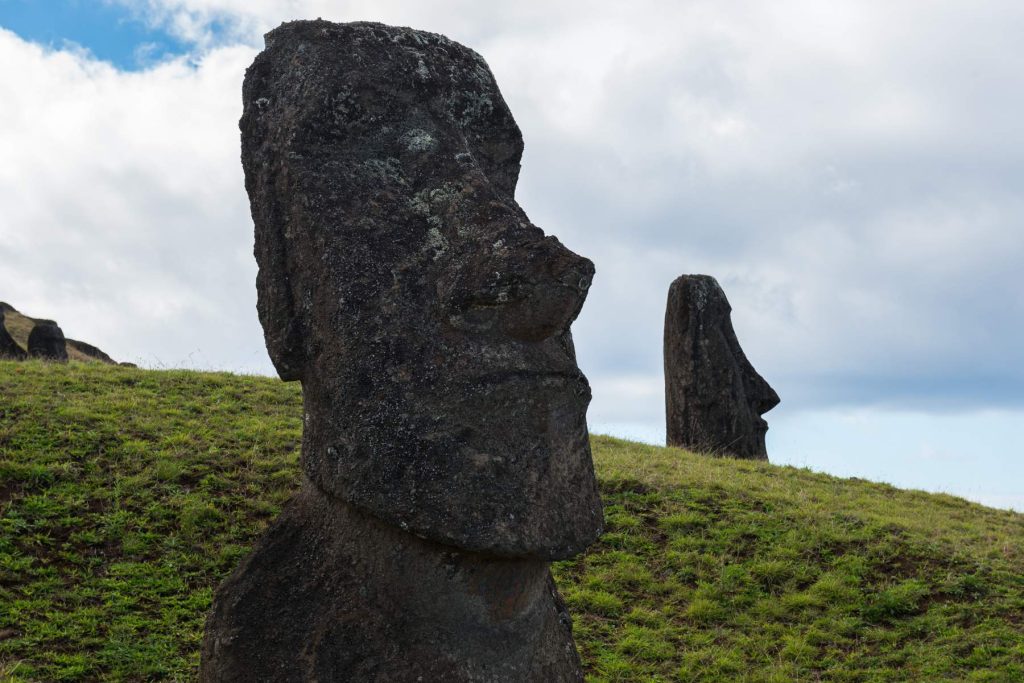
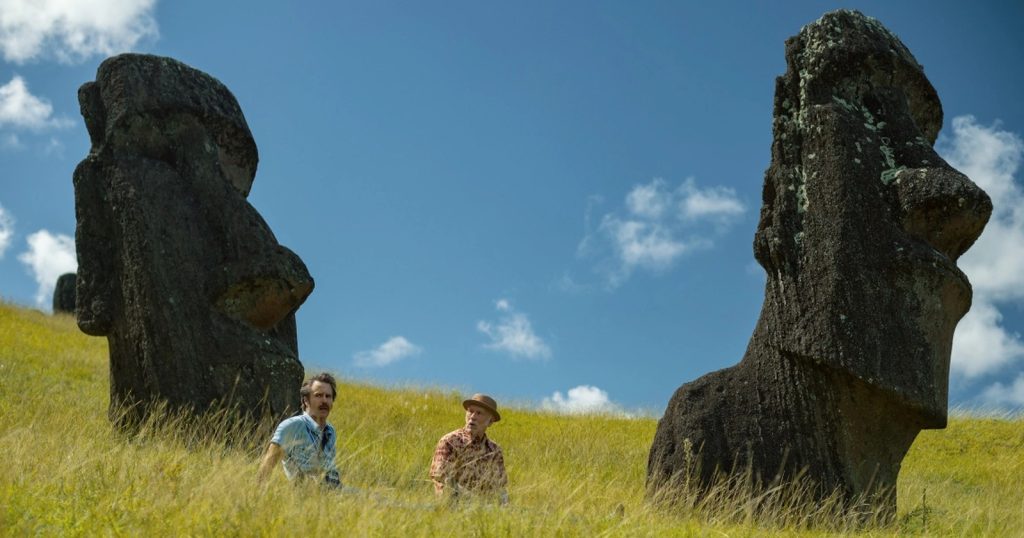
Easter Island—Rapa Nui—is one of the most remote and iconic places on the planet. Its volcanic stone moai have watched over the Pacific for centuries, guarding the secrets of an extraordinary civilization.
Much closer to the Chilean coast, yet equally unique, the Juan Fernández archipelago adds another unique island dimension: untouched nature, rock lobsters, and a silence that few islands in the world retain. It was here that the castaway who inspired Robinson Crusoe survived.
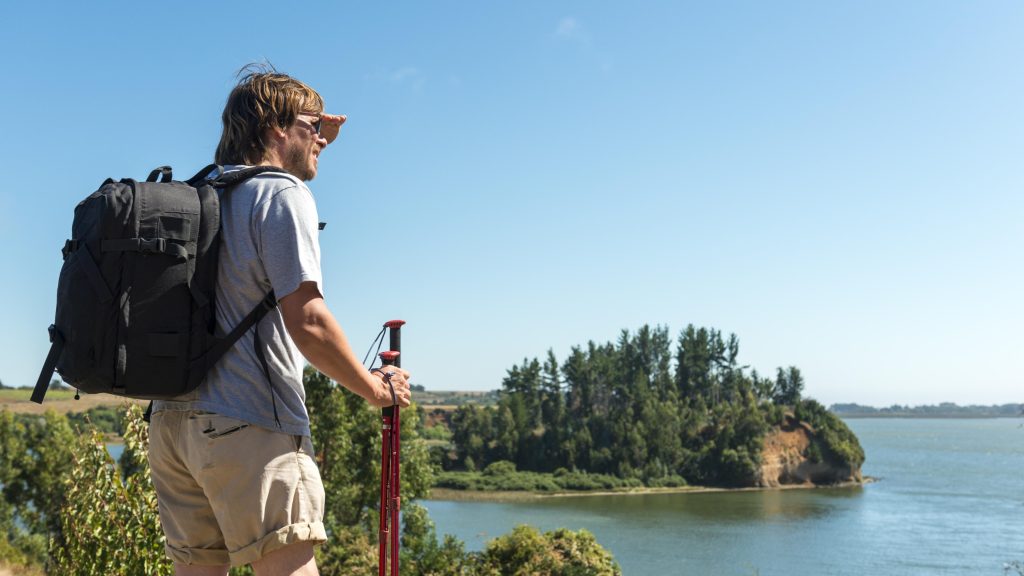
Chiloé, in southern Chile, is a world apart within the country. Its UNESCO World Heritage wooden churches, its colorful stilt houses by the sea, and its rich Mapuche-Huilliche mythology make it a culturally unique destination.
The Exquisite Wine Valleys
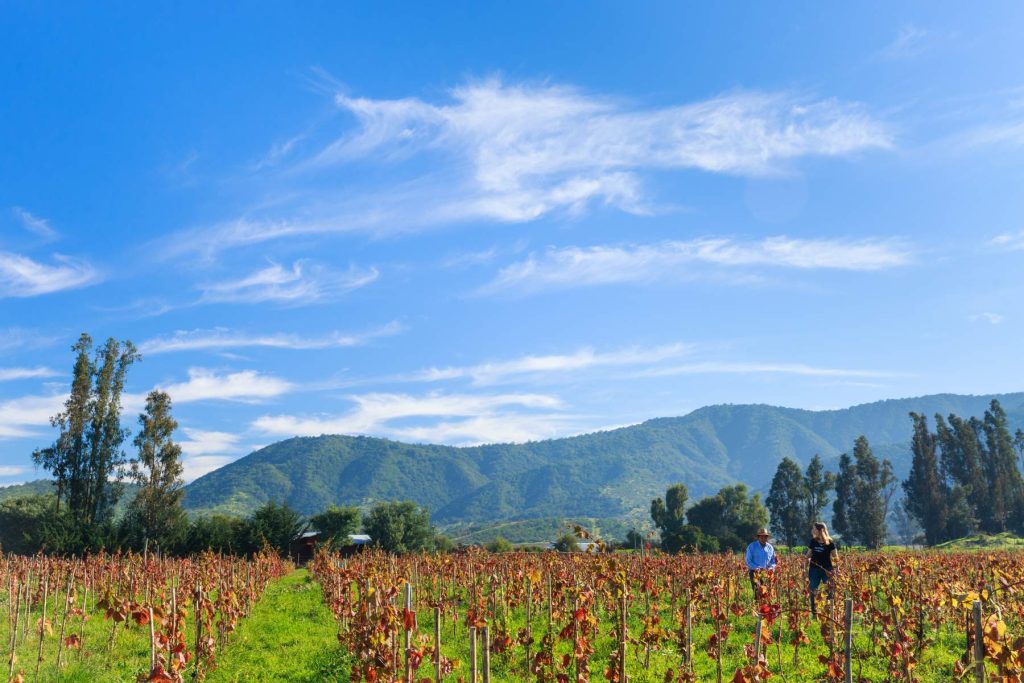
Between Santiago and the south lie valleys where Chilean wine has conquered markets worldwide. Colchagua, Maipo, Casablanca, and Cachapoal offer boutique wineries, gastronomic routes, and vineyard landscapes that change with the seasons.
Wine tourism in Chile combines open nature, contemporary architecture, and a wine culture that has matured strongly. Visiting these regions is to understand why Chilean wines—from Carménère to Sauvignon Blanc—have earned a respected place on the world’s best tables.
Modern Cities Full of Life
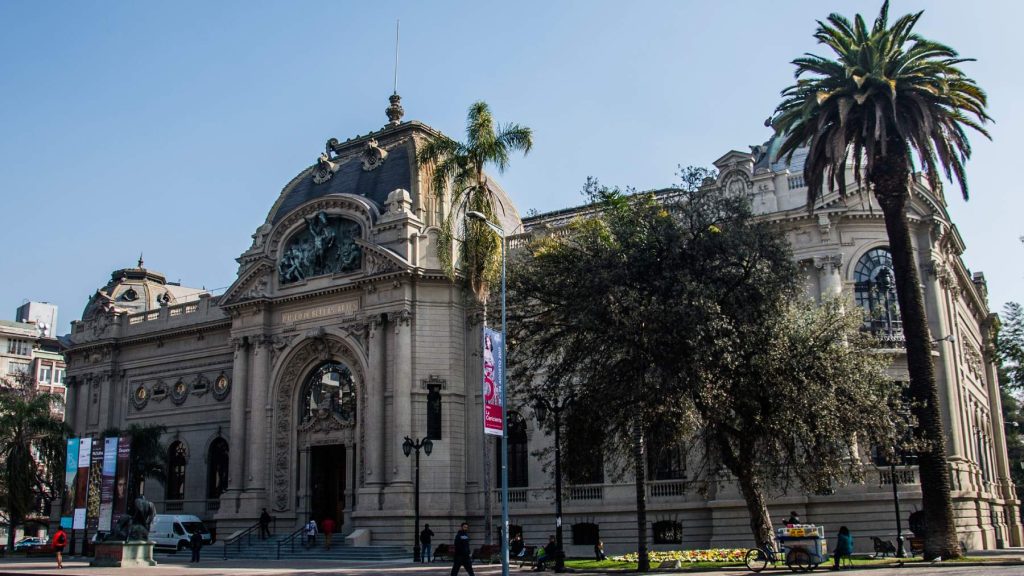
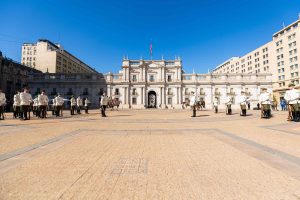
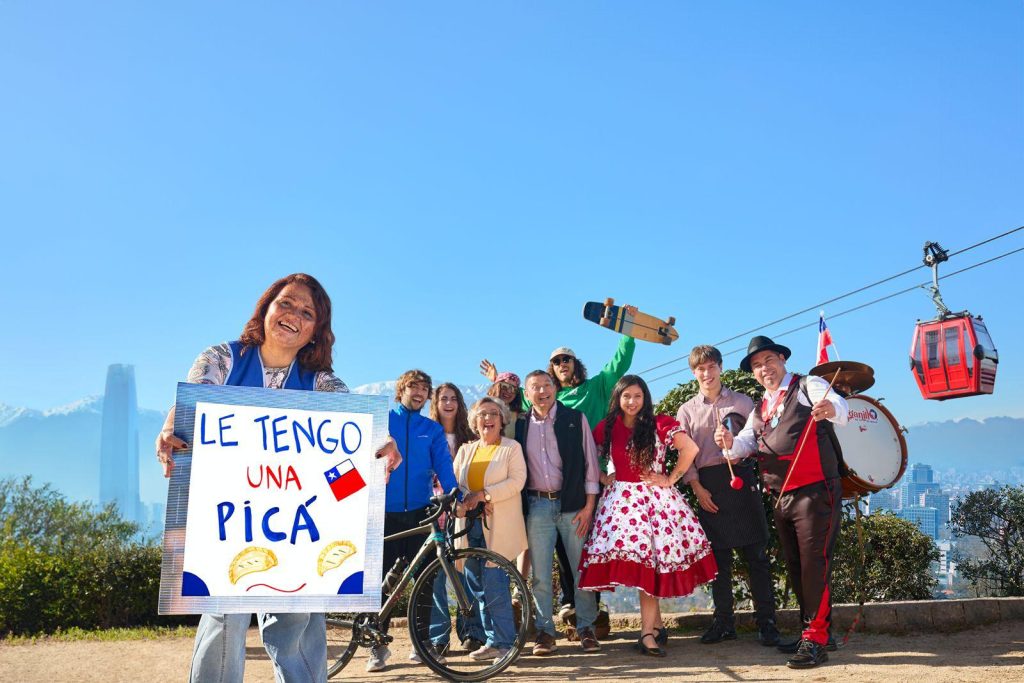
Santiago is a surprising city. The Chilean capital is a dynamic metropolis with creative neighborhoods like Lastarria, Bellavista, and Barrio Italia, avant-garde gastronomy, and the Andes mountain range as a permanent backdrop. Furthermore, its international connectivity makes it the natural gateway to Chile.
Other prominent cities in our country include: Valparaíso, a magical place declared a UNESCO World Heritage site; Concepción, a university city with an identity that blends history and modernity; and La Serena, which captivates with its neo-colonial architecture, extensive beaches, and its proximity to astronomical valleys.
Forests and Lakes That Seem Like a Dream
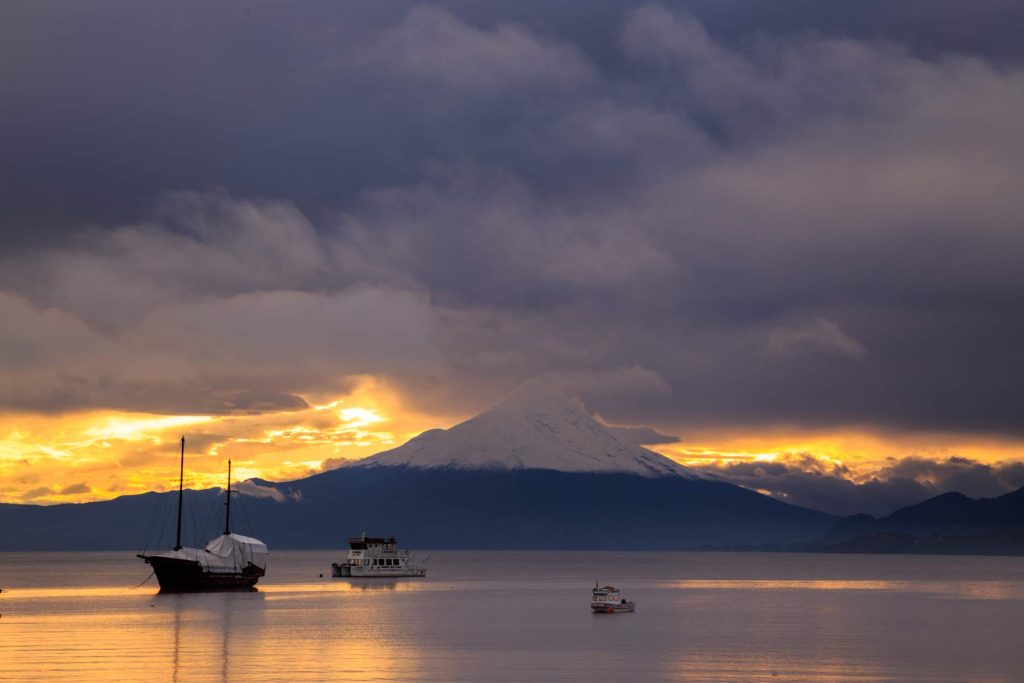
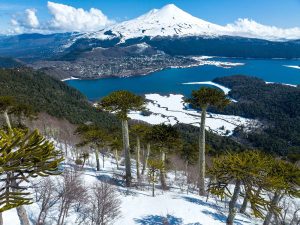
The Los Lagos and La Araucanía regions hide one of the most pristine ecosystems in the Southern Hemisphere. Active volcanoes like Villarrica and Osorno, turquoise lakes like Llanquihue and Villarrica, and ancient araucaria forests form a landscape frozen in time.
Puerto Varas, Pucón, and Villarrica are the best starting points for hiking, kayaking, hot springs, and contemplating untouched nature where the horizon is filled with green.
The Stunning Patagonia
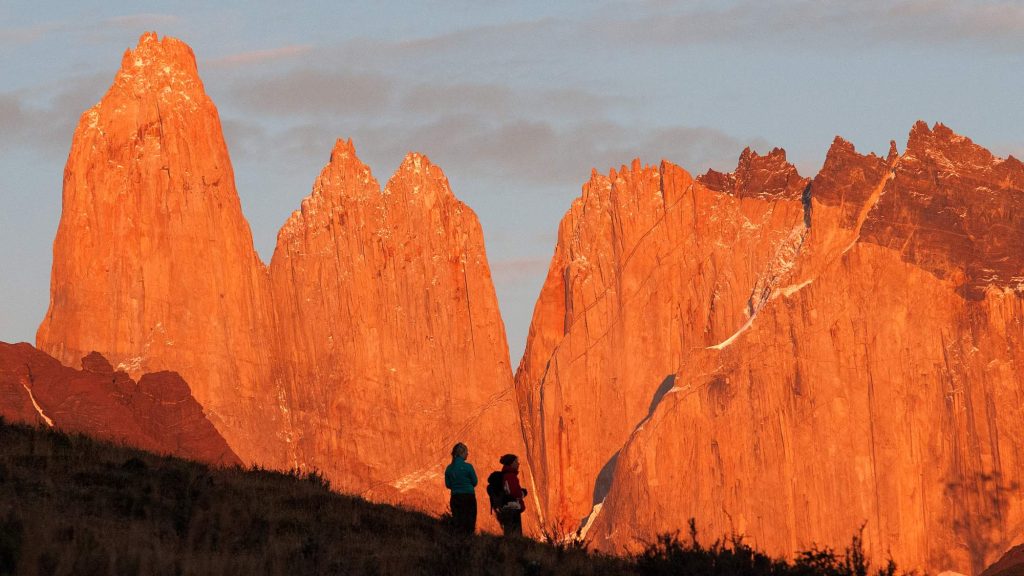
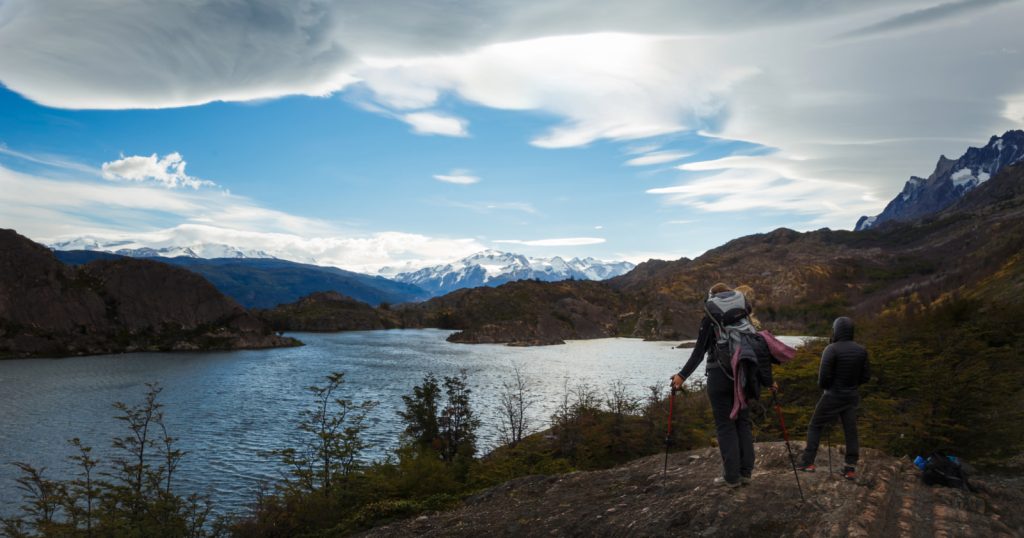
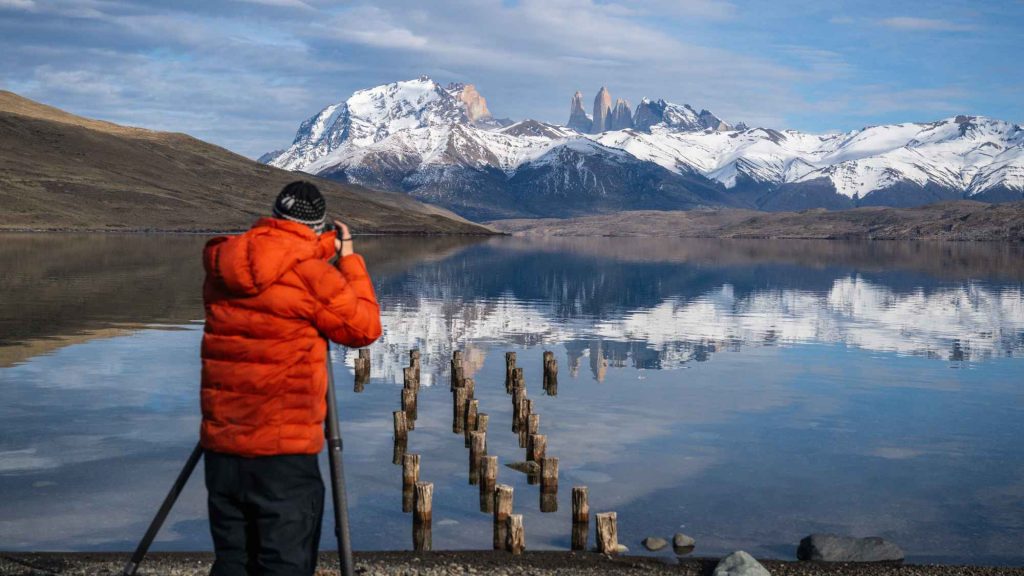
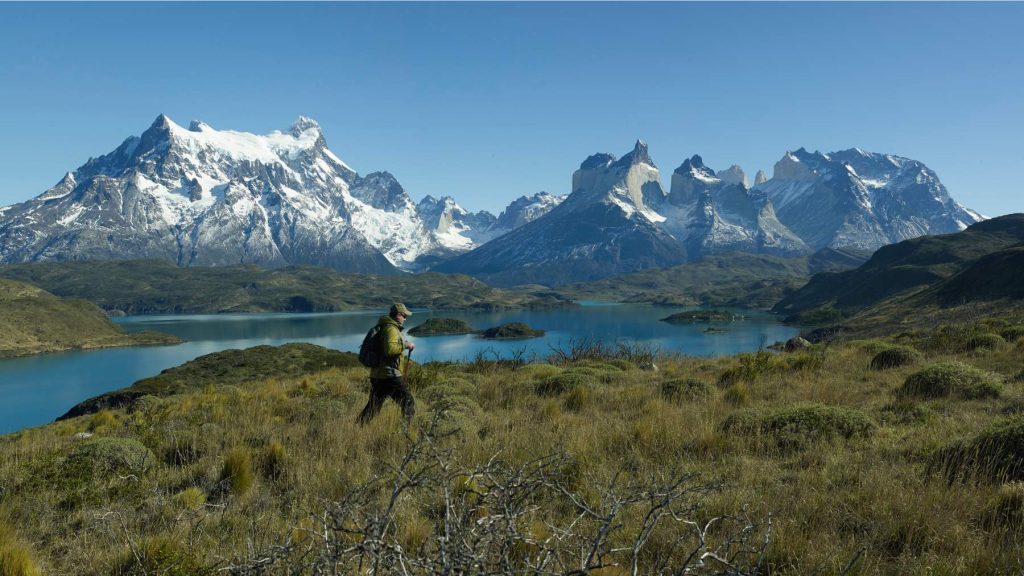
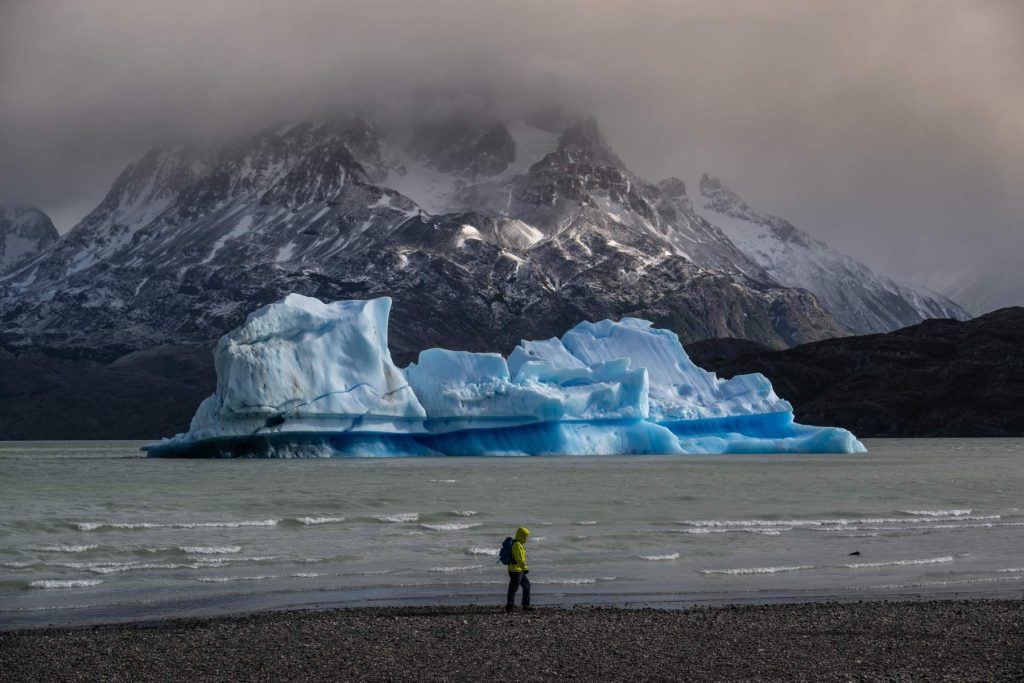
Chilean Patagonia is the end of the world as a destination, not a limit. The Carretera Austral is a must-see for adventure lovers, while Torres del Paine National Park—with its granite towers, glaciers, and free-roaming wildlife—is one of the most photographed and visited parks in the world.
Additionally, some of the scientific and tourist expeditions to Antarctica depart from Punta Arenas, making Chile one of the few countries in the world from which it is possible to reach the white continent.