


Heritage Route: 3 days to discover Caleta Tortel
LANDSCAPES:
PATAGONIA
Updated on 19 de October, 2026

Explore the village of boardwalks
3 DAYS
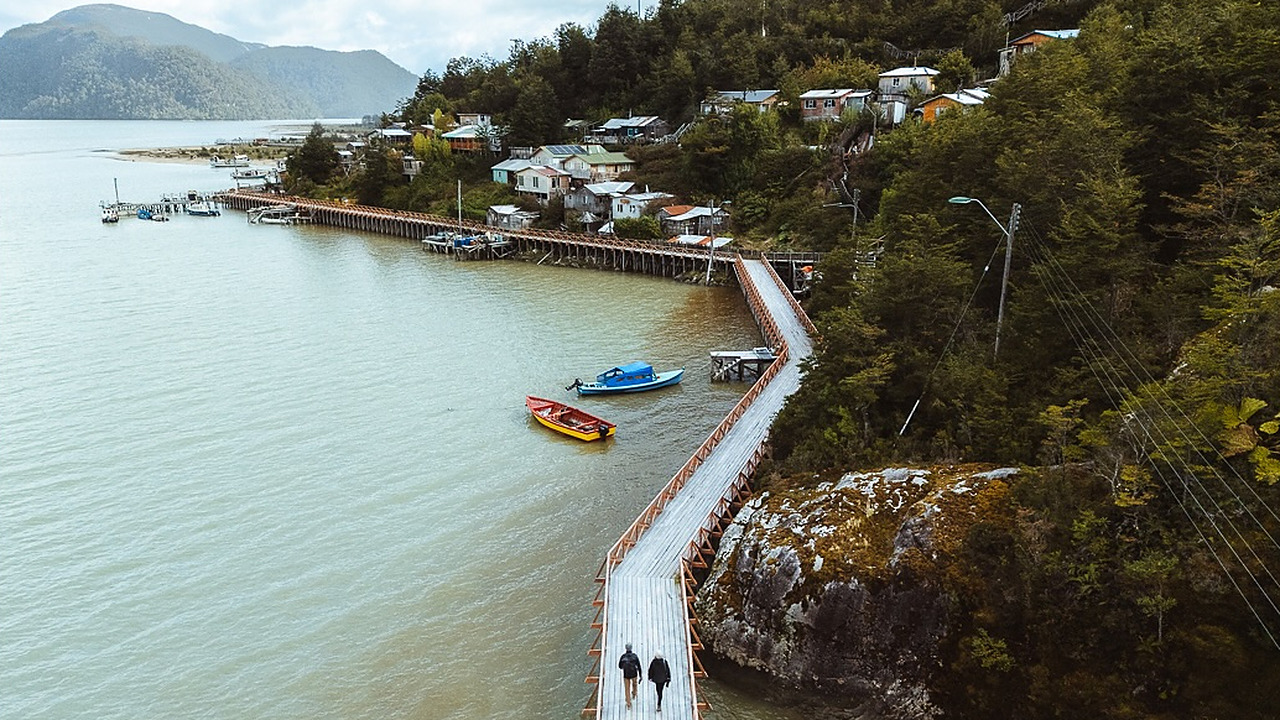
Caleta Tortel is a one-of-a-kind village in Patagonia: its streets are cypress boardwalks connecting houses, plazas, viewpoints, and piers suspended between forest and water, in the Baker River delta. There’s no asphalt at all! On this three-day itinerary, you’ll trace the story of a community that learned to live in one of Chile’s most remote territories.
This trip is part of the Caleta Tortel Heritage Route: Living History of the Baker, by the Ministry of National Assets, which you can find in more detail here.
Inicio del itinerario
Attractions included on this day
Day 1
Tortel Boardwalks: wood and local memory
This route begins with the Tortel Boardwalks Circuit, an easy 4.35-kilometer walk that starts at the Airfield. The first section crosses the Wetland, where the waters of the Baker River meet the Pacific’s influence, creating a remarkable peat-bog ecosystem.
From the Roundabout, the gateway into town, the walk along the wooden boardwalks begins. Take a break at the El Faro Viewpoint, then visit the Father Antonio Ronchi Sculpture—an Italian priest who carried out important social work in Aysén.
Continue on to the Central Plaza, the Historic Pier, and Kawéskar Plaza, before passing the Historic Sawmill, the Open-Air Museum, and, optionally, the La Antena Viewpoint, which requires climbing more than 200 steps. Then, take a break at Orompello Plaza, a community space surrounded by wooden sculptures.
Finally, continue to La Puntilla Pier and finish at Playa Ancha, beside the Baker’s river mouth.
Photo: @desfenetressurlemonde
Attractions included on this day
Day 2
Cerro Vigía: Tortel from above
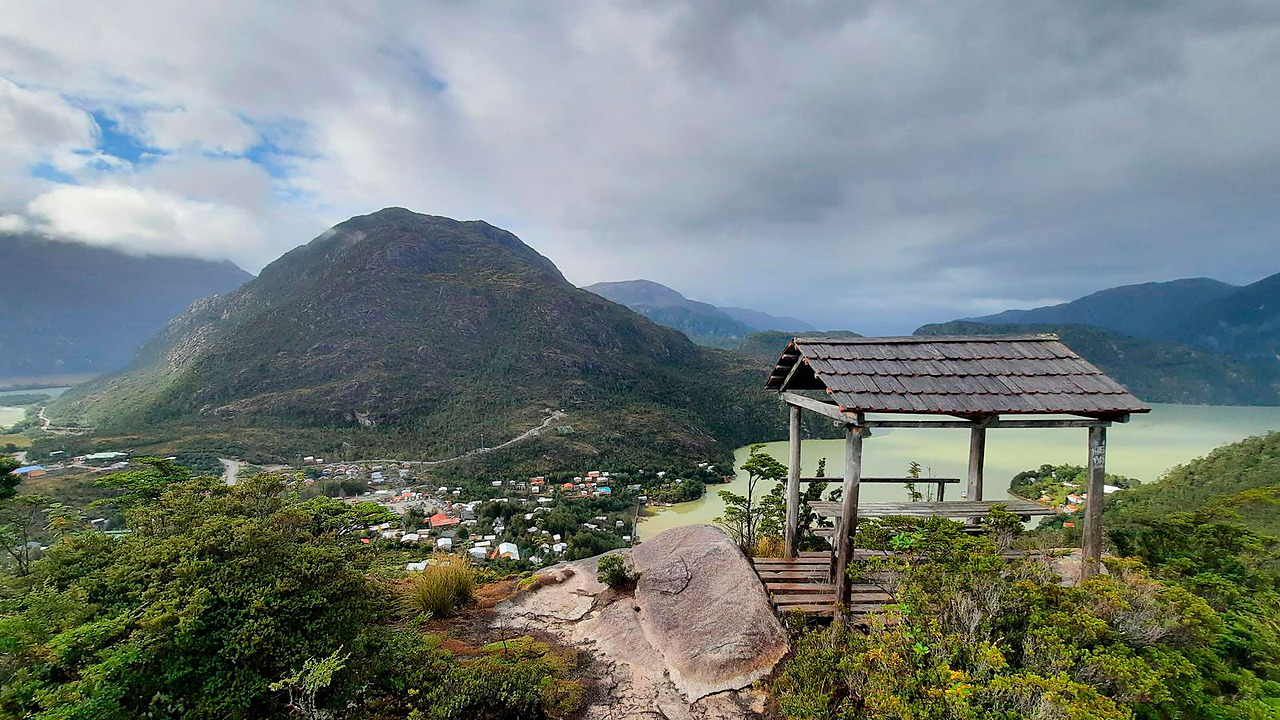
We’ll start the second day by climbing the Cerro Vigía Circuit, a 2.65-kilometer, moderate-difficulty trek that takes around 3 hours.
The route begins at the Roundabout, where a staircase leads to the trail that climbs this 170-meter-high hill.
The first stop is the Cascada Pisagua Viewpoint, with sweeping views over the Baker, the wetland, and a waterfall of around 100 meters. The path continues through native forest and peat-bog areas to the El Cóndor Viewpoint, where you can take in the landscape and watch these birds in flight.
Further on, you’ll reach the El Ciprés Viewpoint, the highest point on the circuit, offering a panoramic view of the bay and different parts of Tortel. The route continues to the Río Baker Natural Viewpoint, with views of the river delta, and the Fiord Natural Viewpoint. Finally, you’ll arrive at the El Junquillo area, where the circuit ends.
Photo: Municipality of Caleta Tortel
Attractions included on this day
Day 3
Puerto Vagabundo and Isla de los Muertos
The third and final day is dedicated to two sites steeped in mystery. Start at Puerto Vagabundo, the town’s former access point. Located on the banks of the Baker, it preserves an old building once used as a passenger waiting room and is now also a starting point for kayak trips.
In the afternoon, return to Caleta Tortel to board a boat to Isla de los Muertos, on a roughly 30-minute navigation through the Baker River delta (arrange the boat in advance and depending on the weather).
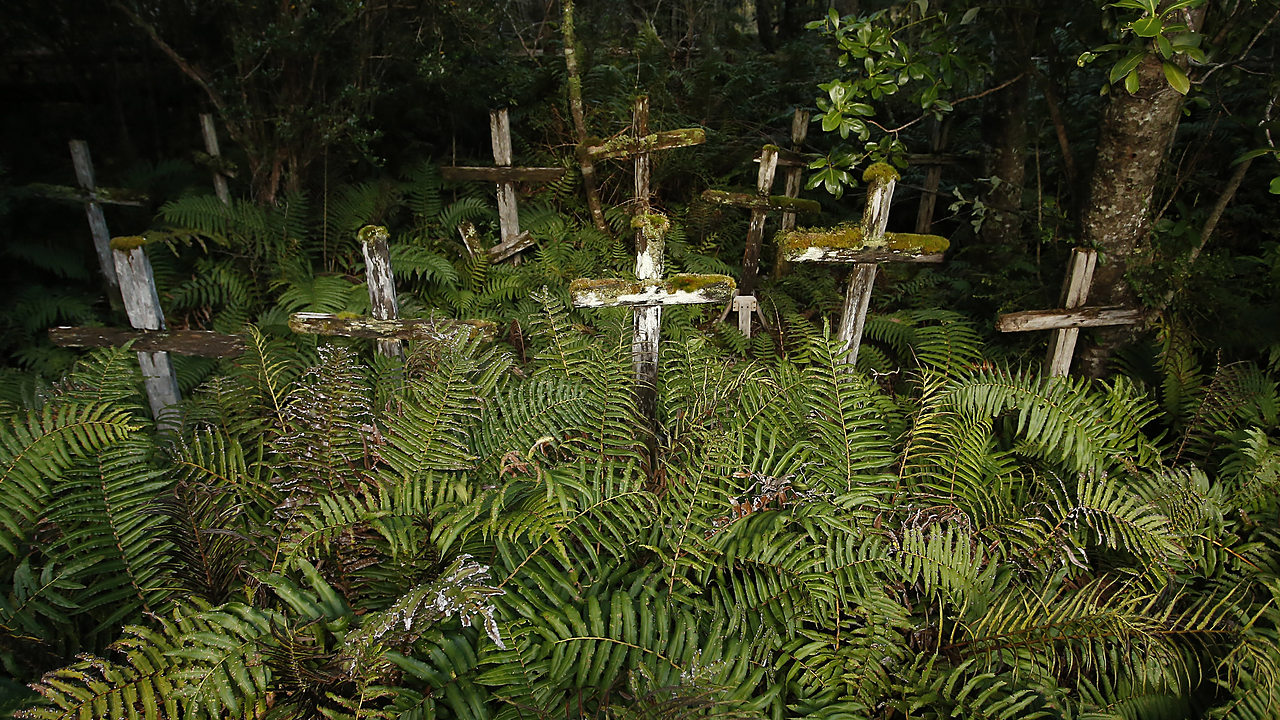
Surrounded by vegetation and isolated opposite the Baker, the island preserves an old cemetery with 33 wooden crosses from 1906. The graves are linked to workers from the Baker Exploitation Company who died during the company’s first years of operation.
Photo: Ministry of National Assets


