


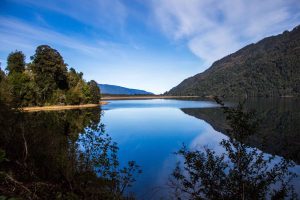

Visit the Carretera Austral through the Green Patagonia
Updated on 3 de January, 2026

Valdivian rainforest, rivers, and fjords on Carretera Austral
5 DAYS
Travel through Green Patagonia in the initial section of the Carretera Austral. From the majestic Cochamó Valley to the ancient larches of Chaitén, this trip offers hot springs, fjords, and virgin forests. Immerse yourself in the Puelo River and enjoy nature in an environment where water is the protagonist.
DISTANCE
470 km
DAYS
5 days
LANDSCAPES
Inicio del itinerario
Attractions included on this day
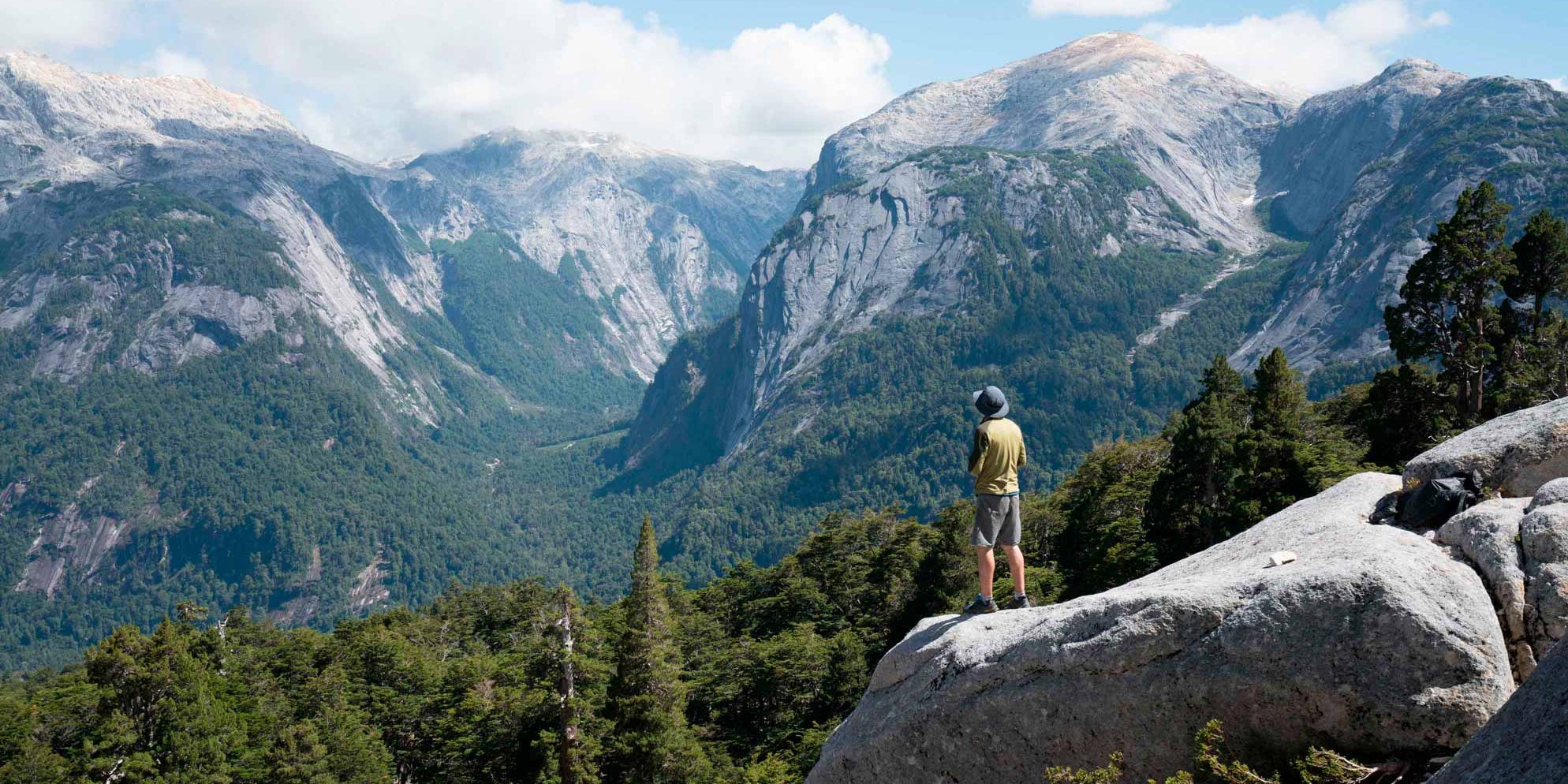
Day 1: Cochamó
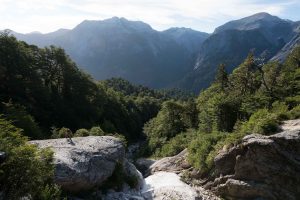
The name Cochamó comes from the Mapudungun Kocha-mo and means “where the waters meet”. This district has several attractions for families and the more adventurous, the Cochamó Valley stands out, which is called the “Yosemite of Chile”.
It is a trekking excursion which lasts several days and that takes you through wonderful places surrounded by great rock walls where you can climb world-class routes.
The name Cochamó comes from the Mapudungun Kocha-mo and means "where the waters meet". This district has several attractions for families and the more adventurous, the Cochamó Valley stands out, which is called the "Yosemite of Chile".It is a trekking excursion which lasts several days and that takes you through wonderful places surrounded by great rock walls where you can climb world-class routes.
Attractions included on this day
Day 1: Cochamó
The name Cochamó comes from the Mapudungun Kocha-mo and means “where the waters meet”. This district has several attractions for families and the more adventurous, the Cochamó Valley stands out, which is called the “Yosemite of Chile”.
It is a trekking excursion which lasts several days and that takes you through wonderful places surrounded by great rock walls where you can climb world-class routes.
The name Cochamó comes from the Mapudungun Kocha-mo and means "where the waters meet". This district has several attractions for families and the more adventurous, the Cochamó Valley stands out, which is called the "Yosemite of Chile".It is a trekking excursion which lasts several days and that takes you through wonderful places surrounded by great rock walls where you can climb world-class routes.
Attractions included on this day
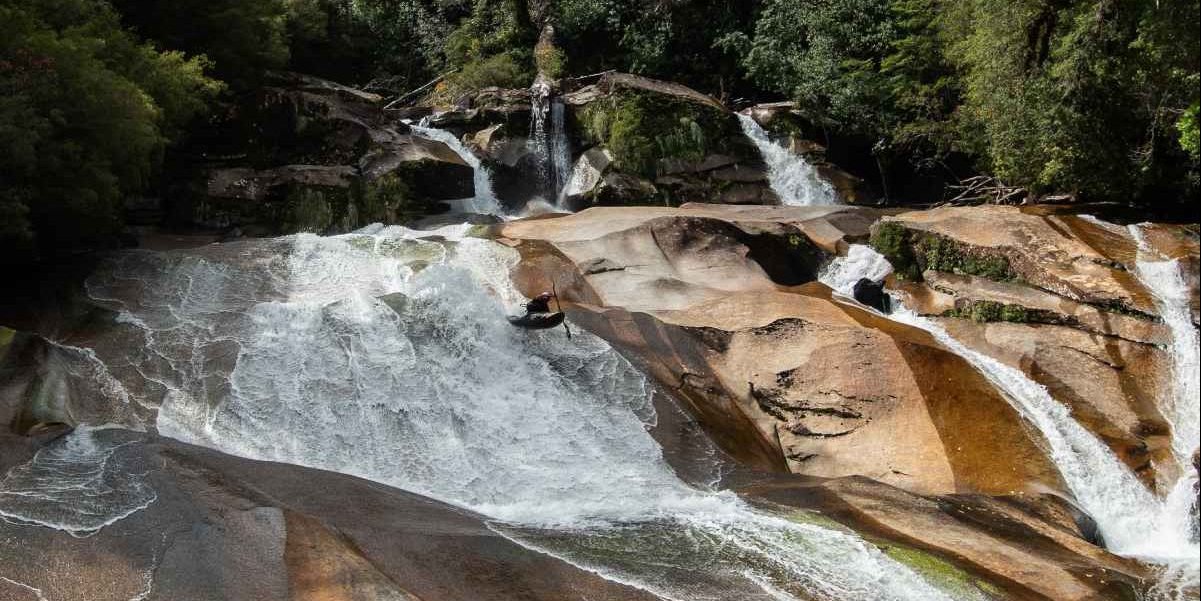
Day 2: The Valley
Going up the Cochamó River you will find the valley. You can get to this place on foot or by hiring a horseback riding service.
During the day, you can schedule the climb very early in the morning to visit the famous Toboganes Naturales de Cochamó (Natural Waterfalls of Cochamó), which after 3-4 hours blow us away with their waters and a granite wall in the background.
Going up the Cochamó River you will find the valley. You can get to this place on foot or by hiring a horseback riding service.During the day, you can schedule the climb very early in the morning to visit the famous Toboganes Naturales de Cochamó (Natural Waterfalls of Cochamó), which after 3-4 hours blow us away with their waters and a granite wall in the background.
Attractions included on this day
Day 2: The Valley
Going up the Cochamó River you will find the valley. You can get to this place on foot or by hiring a horseback riding service.
During the day, you can schedule the climb very early in the morning to visit the famous Toboganes Naturales de Cochamó (Natural Waterfalls of Cochamó), which after 3-4 hours blow us away with their waters and a granite wall in the background.
Going up the Cochamó River you will find the valley. You can get to this place on foot or by hiring a horseback riding service.During the day, you can schedule the climb very early in the morning to visit the famous Toboganes Naturales de Cochamó (Natural Waterfalls of Cochamó), which after 3-4 hours blow us away with their waters and a granite wall in the background.
Attractions included on this day
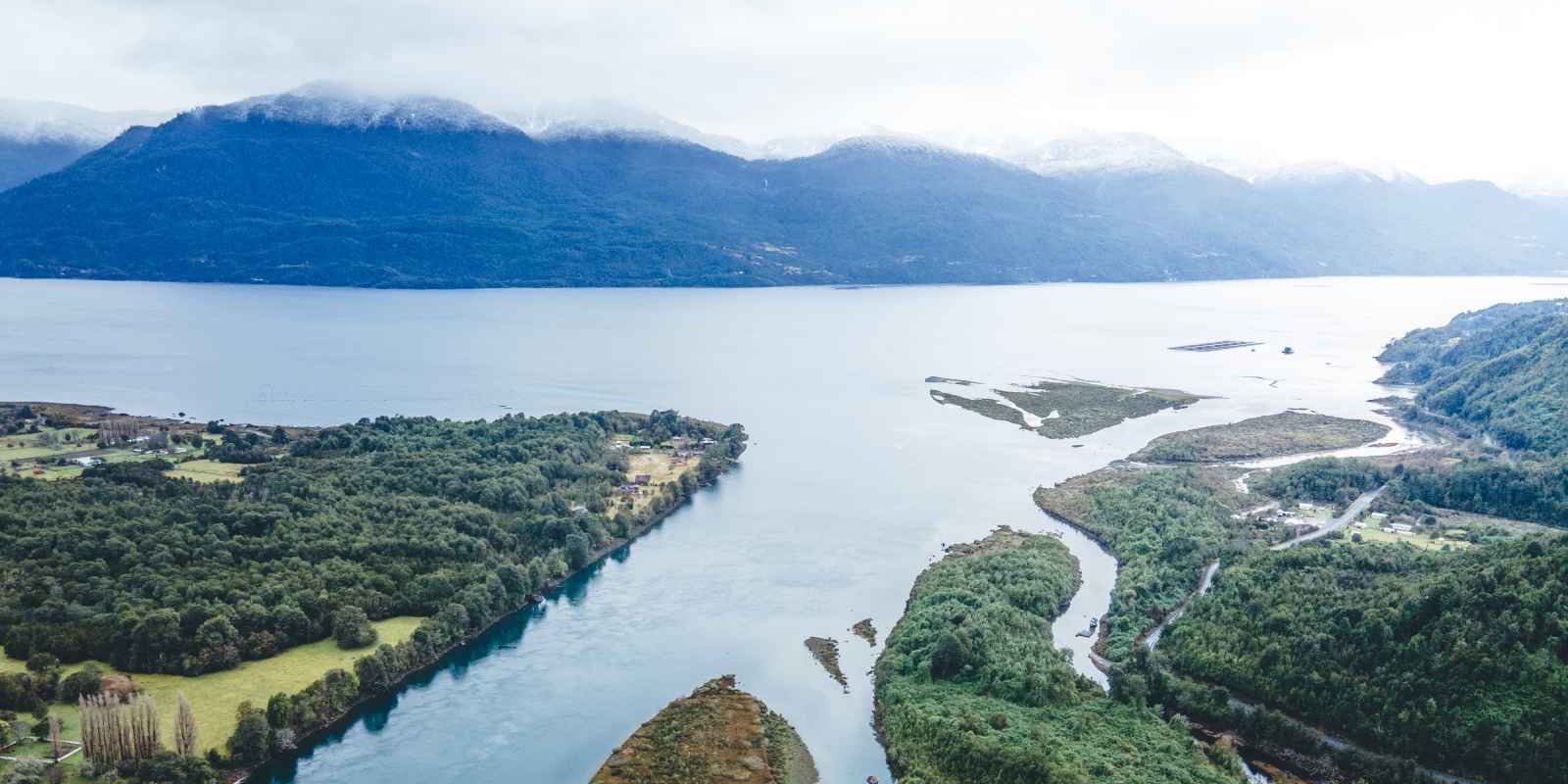
Day 3: Puelo River
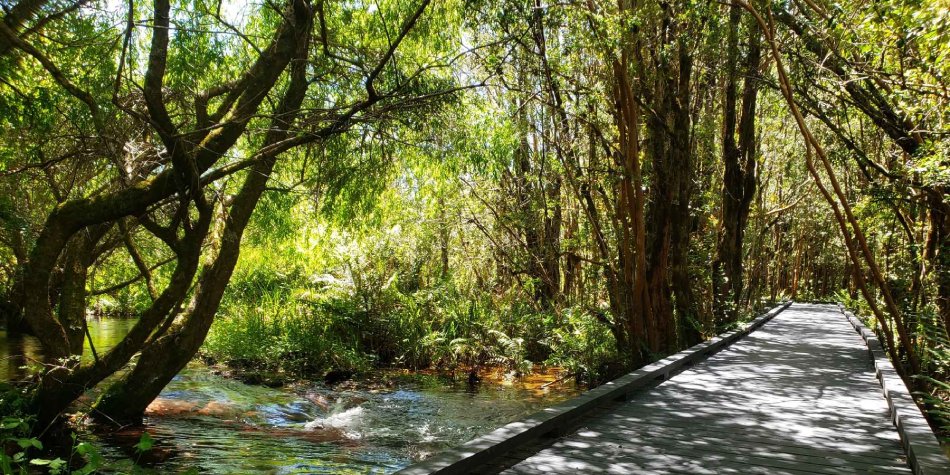
Its name comes from the Mapudungun Puelco, which means “water from the east”. This locality is located 35 km south of Cochamó and is famous for its tributary of the Puelo River.Before arriving specifically at the village, there is a detour to the Tagua Tagua Lake. Here the Río Puelo valley begins, with unique, hidden landscapes and traditions.After about 45 minutes by car, we find the town of Llanada Grande, where El Salto stands out in the first instance, located at Campo Eggers, the entrance that is next to the airdrome.
Attractions included on this day
Day 3: Puelo River
Its name comes from the Mapudungun Puelco, which means “water from the east”. This locality is located 35 km south of Cochamó and is famous for its tributary of the Puelo River.Before arriving specifically at the village, there is a detour to the Tagua Tagua Lake. Here the Río Puelo valley begins, with unique, hidden landscapes and traditions.After about 45 minutes by car, we find the town of Llanada Grande, where El Salto stands out in the first instance, located at Campo Eggers, the entrance that is next to the airdrome.
Attractions included on this day
Día 4
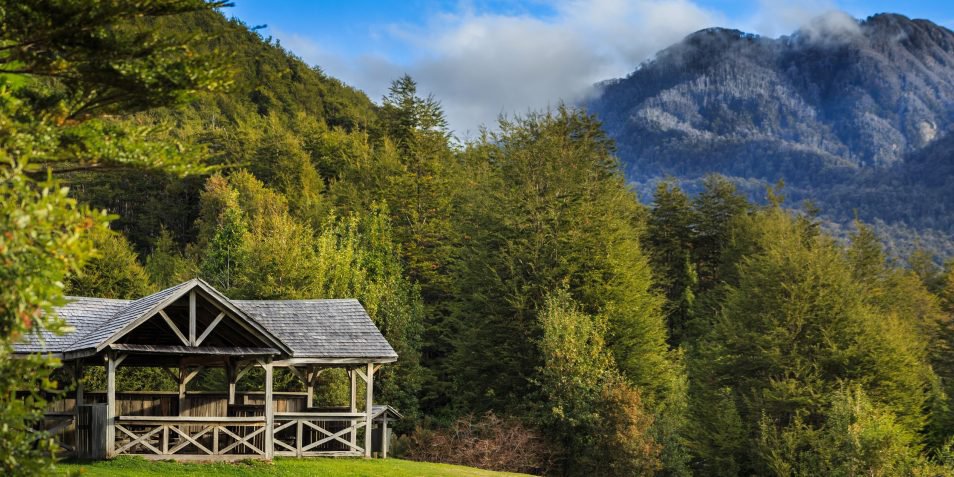
A 91 km al sur de Río Puelo se encuentra Huailaihué, tierra de fiordos, volcanes, lagos y ríos.
Por la mañana puedes conocer las Termas del Sol. Están ubicadas camino a Hornopirén (capital de Huailaihué) y cuenta con 10 piscinas que van desde los 36° a 45°.
Un imperdible son las cascadas de Río Blanco, aguas que nacen desde lo profundo de los Andes Australes.
Attractions included on this day
Día 4
A 91 km al sur de Río Puelo se encuentra Huailaihué, tierra de fiordos, volcanes, lagos y ríos.
Por la mañana puedes conocer las Termas del Sol. Están ubicadas camino a Hornopirén (capital de Huailaihué) y cuenta con 10 piscinas que van desde los 36° a 45°.
Un imperdible son las cascadas de Río Blanco, aguas que nacen desde lo profundo de los Andes Australes.
Attractions included on this day
Día 5: Chaitén
La siguiente parada es Chaitén. Uno de sus atractivos es el Parque Pumalín, donde hay varios senderos:
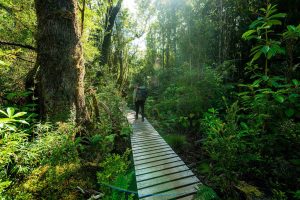
- Los Alerces: Como dice su nombre, tiene Alerces milenarios, de casi 3.000 años. Es de dificultad baja, su duración rodea los 40 minutos ida y vuelta.
- Cascadas Escondidas: El total de esta ruta es 2 horas, con una distancia de 3,6 kilómetros y tiene dificultad media-alta.
- Ranita de Darwin: Tiene 3 miradores y, en ocasiones, se puede ver a la pequeña Ranita de Darwin,. Es de dificultad baja, con una duración aproximada de 1 hora y 30 minutos.
Attractions included on this day
Día 5: Chaitén
La siguiente parada es Chaitén. Uno de sus atractivos es el Parque Pumalín, donde hay varios senderos:
- Los Alerces: Como dice su nombre, tiene Alerces milenarios, de casi 3.000 años. Es de dificultad baja, su duración rodea los 40 minutos ida y vuelta.
- Cascadas Escondidas: El total de esta ruta es 2 horas, con una distancia de 3,6 kilómetros y tiene dificultad media-alta.
- Ranita de Darwin: Tiene 3 miradores y, en ocasiones, se puede ver a la pequeña Ranita de Darwin,. Es de dificultad baja, con una duración aproximada de 1 hora y 30 minutos.
What you should know
How to get there by air
The closest air access point is El Tepual Airport in Puerto Montt (PMC), with regular flights from Santiago (SCL). From Puerto Montt, the journey continues by road along the Carretera Austral toward Cochamó and Río Puelo. Seasonal flights to Chaitén (WCH) may also be available, depending on airline schedules.
How to get there by land
From Puerto Montt, Cochamó is reached via paved roads and scenic routes along the Reloncaví Sound. Traveling through Green Patagonia involves a combination of land routes and lake or sea navigation, particularly between Hornopirén, Leptepu and Chaitén. Advance planning is recommended to coordinate ferry schedules and road conditions.
Climate and clothing
The climate is temperate and rainy year-round. Waterproof clothing, warm layers, trekking shoes and spare clothing are recommended. Summer offers milder temperatures, though weather conditions can change quickly, especially in mountainous and coastal areas.
Must-Know Tips
Carry cash for remote areas without ATMs, plan transportation and ferry crossings in advance, and use authorized tourism services. Travel insurance is recommended. Always check weather conditions and respect park regulations to ensure a safe and responsible experience.


