


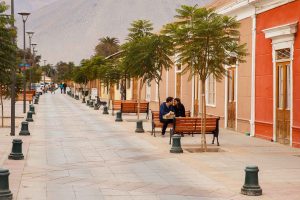
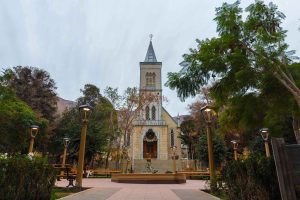

Heritage Route: 4 Days Following in the Footsteps of Gabriela Mistral in Coquimbo
LANDSCAPES:
VALLEYS AND TOWNS
Updated on 13 de October, 2026

Follow in the poet’s footsteps
Follow in the poet’s footsteps
4 DAYS
The history of Gabriela Mistral is deeply linked to the Coquimbo Region. From her early years as a teacher to the landscapes of the Elqui Valley that shaped her life and work, this tour allows you to follow in the footsteps of the Chilean Nobel laureate through cities, towns, and old school spaces.
Bringing together four sections between Coquimbo, La Serena, Vicuña, and Paihuano, this journey is based on the Gabriela Mistral Route Heritage Trail, from the Ministry of National Assets, which you can find in more detail here. Get ready to explore the territory that accompanied the poet in her first steps.
Cover photography: Heritage Route
DISTANCE
150 km
DAYS
4 days
DESTINATIONS
LANDSCAPES
Inicio del itinerario
Attractions included on this day
Day 1
Coquimbo: The Young Teacher Who Became Gabriela Mistral
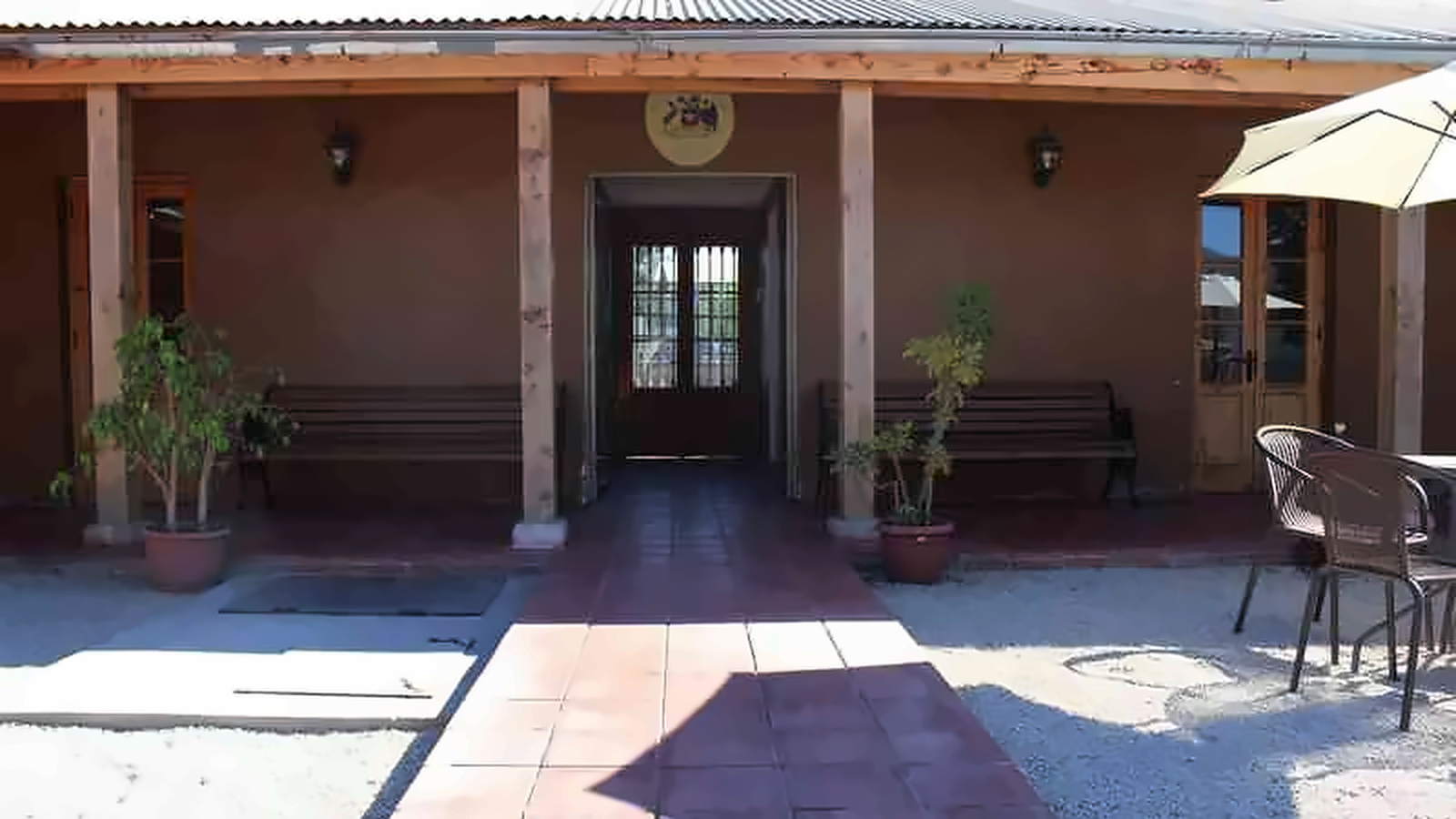
This journey begins in Coquimbo, where your first stop will be the Casa de las Artes Rural de La Cantera, on the avenue of the same name.
An old area of farmlands, a young Lucila Godoy arrived here in April 1908 to take charge of the rural school. In addition to day classes, she independently created a free night school for local workers. That same year, she published a poem for the first time signed as Gabriela Mistral.
Then, continue about 17 kilometers towards Ovalle, to the rural sector of Esfuerzo Campesino, the old Cerrillos hacienda. Here, Mistral worked as a rural teacher during her last stay in her native province, surrounded by agricultural fields that are still cultivated today.
Back in Coquimbo, visit the Municipal Cemetery. In its oldest aisle rests Romelio Ureta, one of her first loves. His tragic death inspired the Sonetos de la muerte (Sonnets of Death), the poems that brought her national fame in 1914.
Photography: The Gabriela Mistral Route
Attractions included on this day
Day 1
Coquimbo: The Young Teacher Who Became Gabriela Mistral
This journey begins in Coquimbo, where your first stop will be the Casa de las Artes Rural de La Cantera, on the avenue of the same name.
An old area of farmlands, a young Lucila Godoy arrived here in April 1908 to take charge of the rural school. In addition to day classes, she independently created a free night school for local workers. That same year, she published a poem for the first time signed as Gabriela Mistral.
Then, continue about 17 kilometers towards Ovalle, to the rural sector of Esfuerzo Campesino, the old Cerrillos hacienda. Here, Mistral worked as a rural teacher during her last stay in her native province, surrounded by agricultural fields that are still cultivated today.
Back in Coquimbo, visit the Municipal Cemetery. In its oldest aisle rests Romelio Ureta, one of her first loves. His tragic death inspired the Sonetos de la muerte (Sonnets of Death), the poems that brought her national fame in 1914.
Photography: The Gabriela Mistral Route
Attractions included on this day
Day 2
La Serena: The Homes, Books, and Classrooms of a Writer in the Making
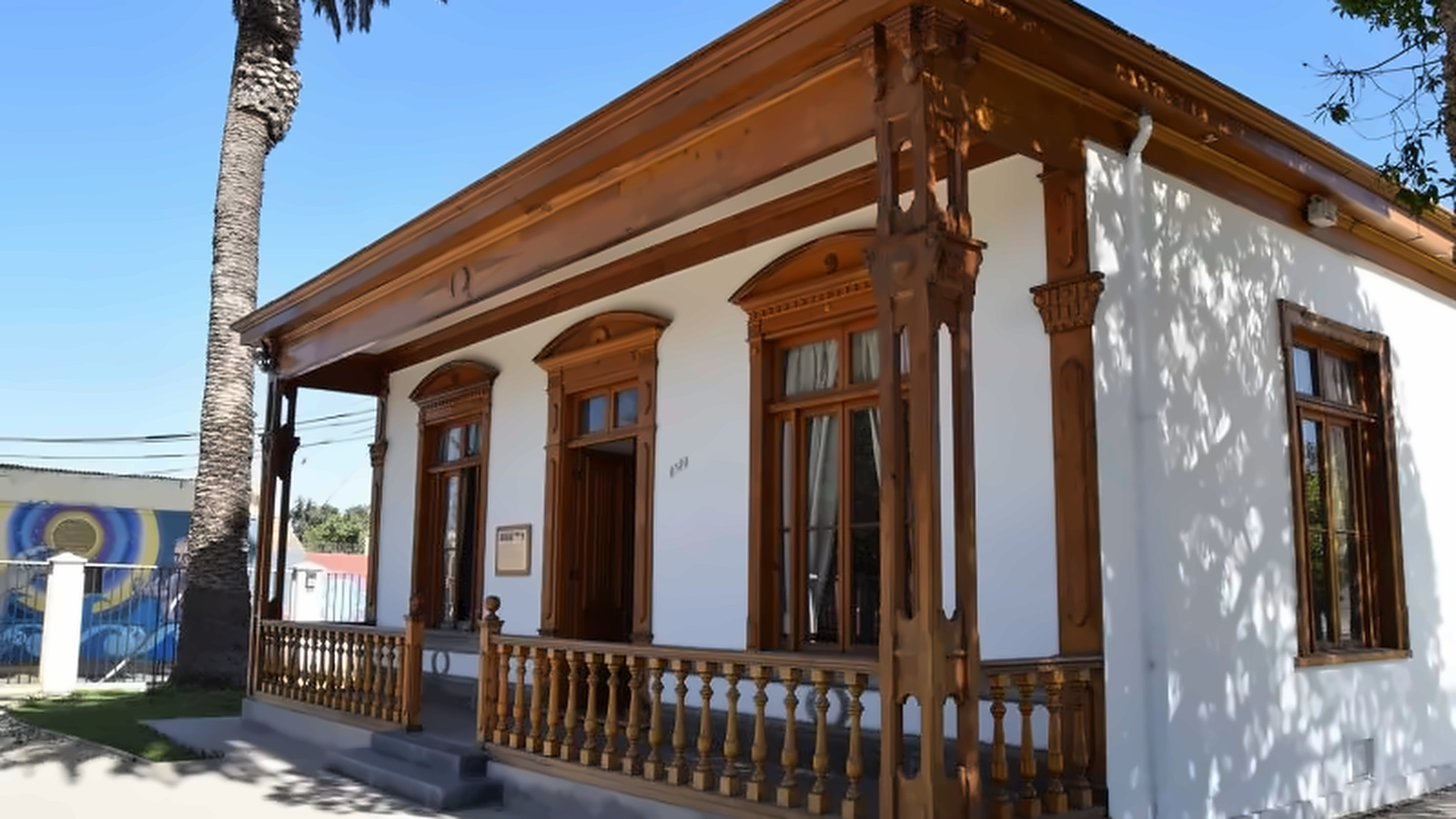
On your second day, travel about 13.5 km along Route 5 North to reach Las Compañías in La Serena. At Gabriela Mistral Street 133, you’ll find the house neighbors called «La Casa Rara» (The Strange House), where the poet lived with her mother between 1903 and 1907. Here, at just 14 years old, she began working as an assistant teacher and published her first texts in the local press. Today, it is a Historic Monument and interpretation center.
Then advance 4.7 kilometers to the Casa de Las Palmeras (House of Palms), at Francisco de Aguirre Avenue 300. This was a house Mistral bought in 1925, upon her return from Mexico, and dreamed of building a farm school for peasant children in its courtyard. Just behind it stands the modern Gabriela Mistral Regional Library, inaugurated in 2018.
Walk along the central median of Francisco de Aguirre, an open-air museum with sculptures under leafy trees, to the Gabriela Mistral Lyceum, on Benavente Street. Here, the poet worked in 1907 as a secretary and inspector.
To end the day, visit the Municipal Cemetery of La Serena, where a family mausoleum holds the remains of her mother, sister, and niece.
Photography: The Gabriela Mistral Route
Attractions included on this day
Day 2
La Serena: The Homes, Books, and Classrooms of a Writer in the Making
On your second day, travel about 13.5 km along Route 5 North to reach Las Compañías in La Serena. At Gabriela Mistral Street 133, you’ll find the house neighbors called «La Casa Rara» (The Strange House), where the poet lived with her mother between 1903 and 1907. Here, at just 14 years old, she began working as an assistant teacher and published her first texts in the local press. Today, it is a Historic Monument and interpretation center.
Then advance 4.7 kilometers to the Casa de Las Palmeras (House of Palms), at Francisco de Aguirre Avenue 300. This was a house Mistral bought in 1925, upon her return from Mexico, and dreamed of building a farm school for peasant children in its courtyard. Just behind it stands the modern Gabriela Mistral Regional Library, inaugurated in 2018.
Walk along the central median of Francisco de Aguirre, an open-air museum with sculptures under leafy trees, to the Gabriela Mistral Lyceum, on Benavente Street. Here, the poet worked in 1907 as a secretary and inspector.
To end the day, visit the Municipal Cemetery of La Serena, where a family mausoleum holds the remains of her mother, sister, and niece.
Photography: The Gabriela Mistral Route
Attractions included on this day
Day 3
Vicuña and its Towns: The Poet's Cradle in Elqui
Today you will travel to the Elqui Valley. 34 kilometers from La Serena, stop in El Molle, the town that gives its name to an ancient pre-Hispanic culture. Gabriela lived here with her sister’s family, and the bed she used during those years is preserved today in its museum.
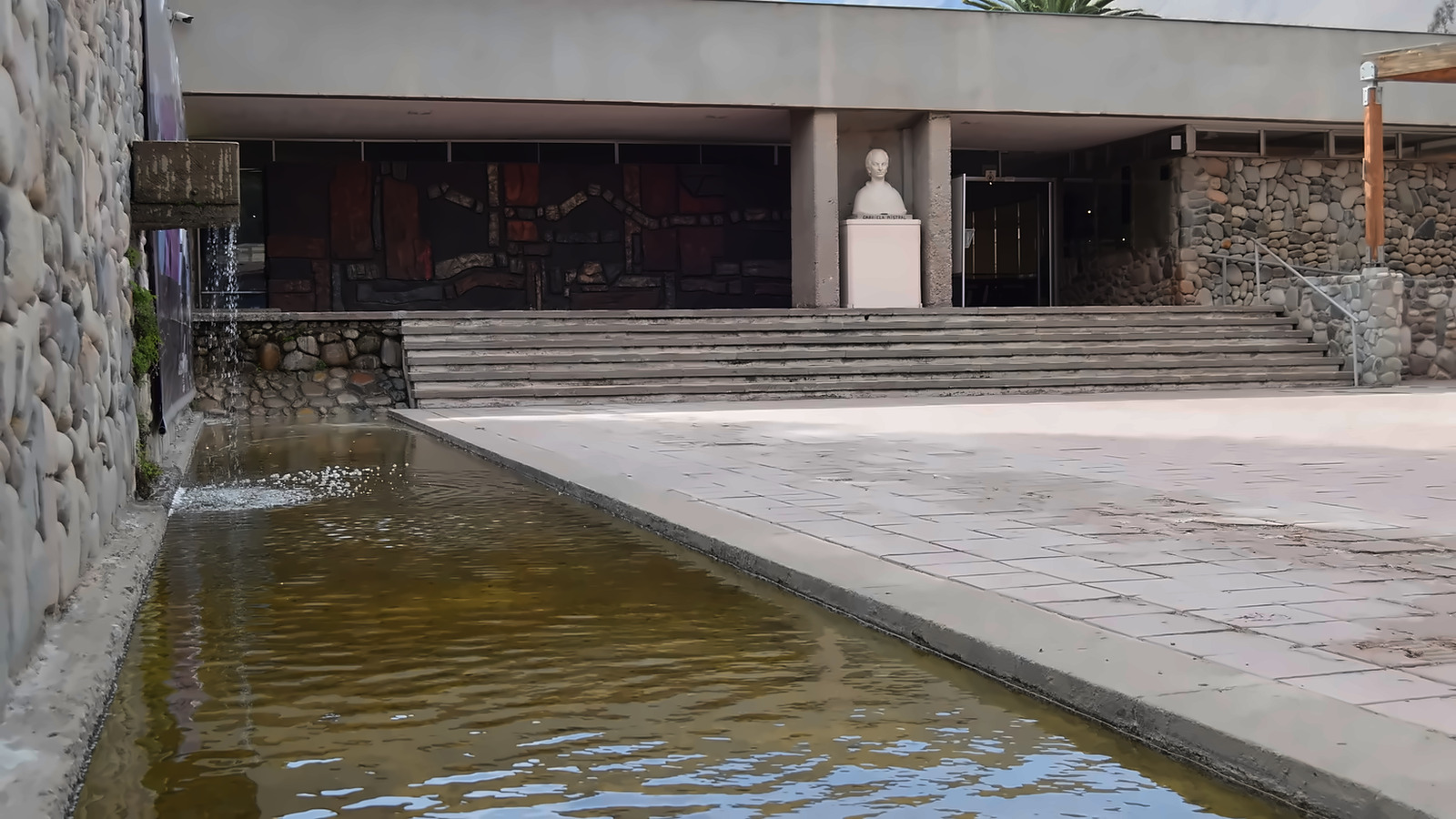
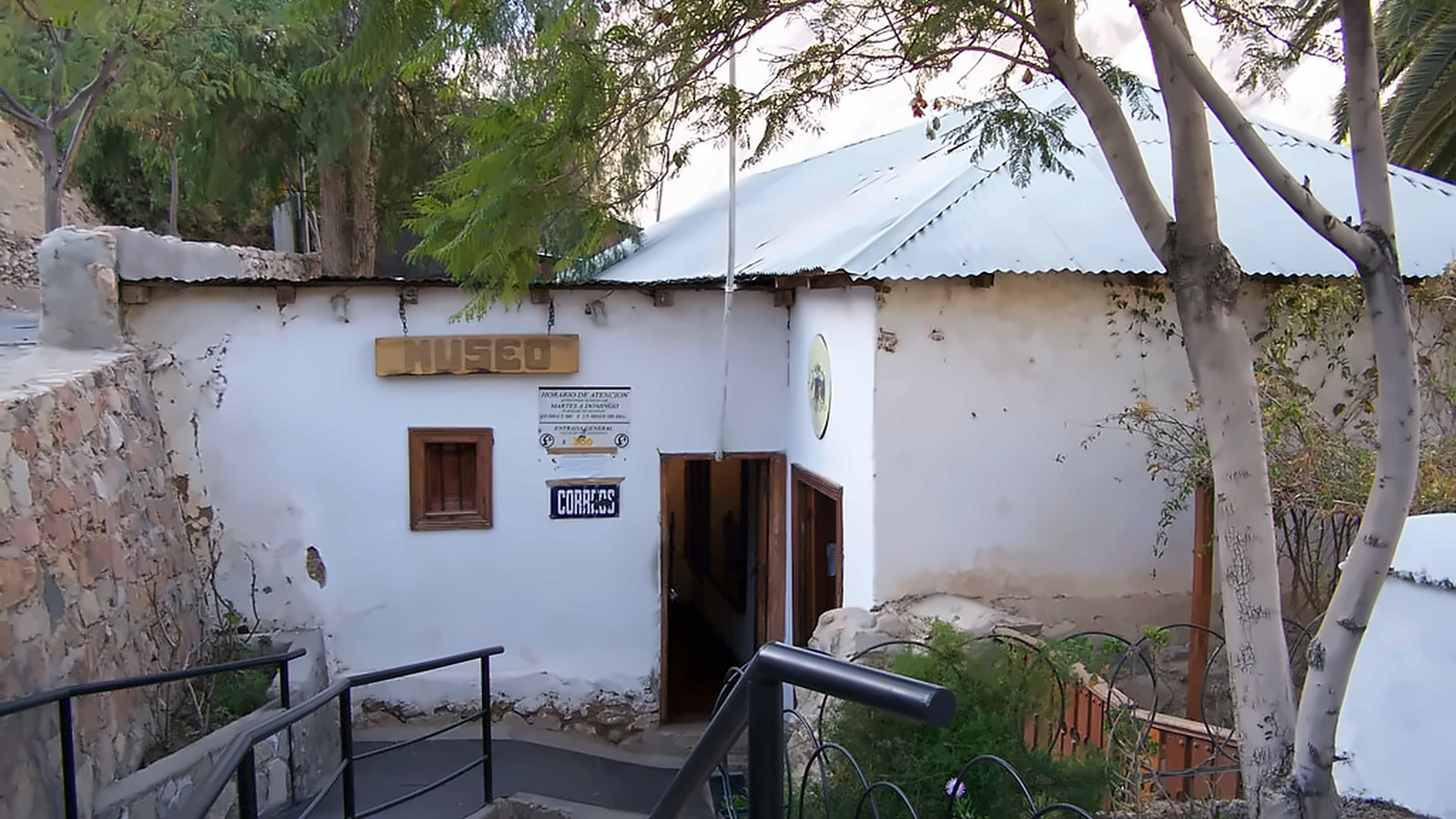
Then head to Vicuña, where you will reach the main stop of the day: the Gabriela Mistral Museum. Built on the grounds of her birthplace, here you can explore a replica of the home where Mistral was born on April 7, 1889, touring objects, books, and manuscripts from her entire life.
Finally, walk 500 meters to Gabriela Mistral Square, with the Bauer Tower and the church where she was baptized. Her baptismal font is in the Museum of Sacred Art, a few steps away. On the south side of the square, enter the Casa de la Cultura (House of Culture), the old school where she studied as a child.
Photography: The Gabriela Mistral Route
Attractions included on this day
Day 3
Vicuña and its Towns: The Poet's Cradle in Elqui
Today you will travel to the Elqui Valley. 34 kilometers from La Serena, stop in El Molle, the town that gives its name to an ancient pre-Hispanic culture. Gabriela lived here with her sister’s family, and the bed she used during those years is preserved today in its museum.
Then head to Vicuña, where you will reach the main stop of the day: the Gabriela Mistral Museum. Built on the grounds of her birthplace, here you can explore a replica of the home where Mistral was born on April 7, 1889, touring objects, books, and manuscripts from her entire life.
Finally, walk 500 meters to Gabriela Mistral Square, with the Bauer Tower and the church where she was baptized. Her baptismal font is in the Museum of Sacred Art, a few steps away. On the south side of the square, enter the Casa de la Cultura (House of Culture), the old school where she studied as a child.
Photography: The Gabriela Mistral Route
Attractions included on this day
Day 4
Montegrande and Pisco Elqui: Gabriela's Childhood and Rest
On the last day, leave Vicuña behind and head towards the commune of Paihuano and the town of Montegrande, the town Mistral felt was her true homeland.
Begin at the Gabriela Mistral House and School Site Museum. She lived here between the ages of 3 and 11, while her sister Emelina directed the girls’ school and provided her with the only formal education she received in her childhood. Observe the desks, the abacus, and the flag that covered her coffin.
Then tour the Montegrande Typical Zone: the church where she made her first communion, the square, and the Plazuela de los Juegos (Games Square), created from a letter of hers from 1954 found in a bottle in 2010.
300 meters further up, you will reach the Mausoleum, where she has rested since 1960, as she wrote in her will: «It is my will that my body be buried in my beloved town of Montegrande.» Next to her rests her nephew Juan Miguel Godoy, «Yin-Yin».
And to put a golden finishing touch, end your adventure by traveling 3.6 km to Pisco Elqui, where Mistral’s parents met. This heritage route ends here! In four days, you will have explored the ten main landmarks of The Gabriela Mistral Route.
Photography: Heritage Route
Attractions included on this day
Day 4
Montegrande and Pisco Elqui: Gabriela's Childhood and Rest
On the last day, leave Vicuña behind and head towards the commune of Paihuano and the town of Montegrande, the town Mistral felt was her true homeland.
Begin at the Gabriela Mistral House and School Site Museum. She lived here between the ages of 3 and 11, while her sister Emelina directed the girls’ school and provided her with the only formal education she received in her childhood. Observe the desks, the abacus, and the flag that covered her coffin.
Then tour the Montegrande Typical Zone: the church where she made her first communion, the square, and the Plazuela de los Juegos (Games Square), created from a letter of hers from 1954 found in a bottle in 2010.
300 meters further up, you will reach the Mausoleum, where she has rested since 1960, as she wrote in her will: «It is my will that my body be buried in my beloved town of Montegrande.» Next to her rests her nephew Juan Miguel Godoy, «Yin-Yin».
And to put a golden finishing touch, end your adventure by traveling 3.6 km to Pisco Elqui, where Mistral’s parents met. This heritage route ends here! In four days, you will have explored the ten main landmarks of The Gabriela Mistral Route.
Photography: Heritage Route
What you should know
How to get there by air
The main entry point is La Florida Aerodrome (LSC) in La Serena, with daily direct flights from Santiago (SCL). It receives frequent connections from national airlines. From the terminal, you can take taxis, authorized transfers, or private shuttles to the center of La Serena and Coquimbo (only 6 and 15 km away, respectively).
How to get there by land
To travel from Santiago, there are frequent intercity buses along Route 5 North to the terminals of La Serena and Coquimbo. On the coast, use local minibuses and shared taxis to get around easily. To explore the Elqui Valley towards Vicuña and Montegrande with complete autonomy, it is advisable to rent a car or take rural buses and guided tours along Route 41.
Climate and clothing
The area presents a marked contrast: the coast dawns cool and cloudy due to the ‘camanchaca’ (coastal fog), while the Elqui Valley is dry, sunny, and hot during the day. Dress in layers: include windbreakers for Coquimbo, light clothing for the valley, comfortable footwear for cobblestone streets, a hat, and plenty of sunscreen.
Must-Know Tips
State museums usually close on Mondays: confirm schedules in advance for the Vicuña Birthplace and the Montegrande School. Carry Chilean pesos in cash because payment signal often fails in mountain towns, stay constantly hydrated, and book accommodations in advance. A key tip: taste the artisanal pisco and local cinnamon ice cream.


