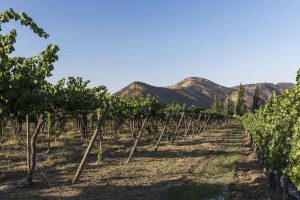
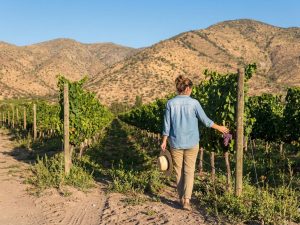
If you want to experience Chilean wine tourism without straying too far from the capital, there’s no better option than visiting the vineyards and grape harvests near Santiago. Just a few kilometers away, wine valleys unfold, combining landscapes, historic vineyards, and unforgettable experiences.
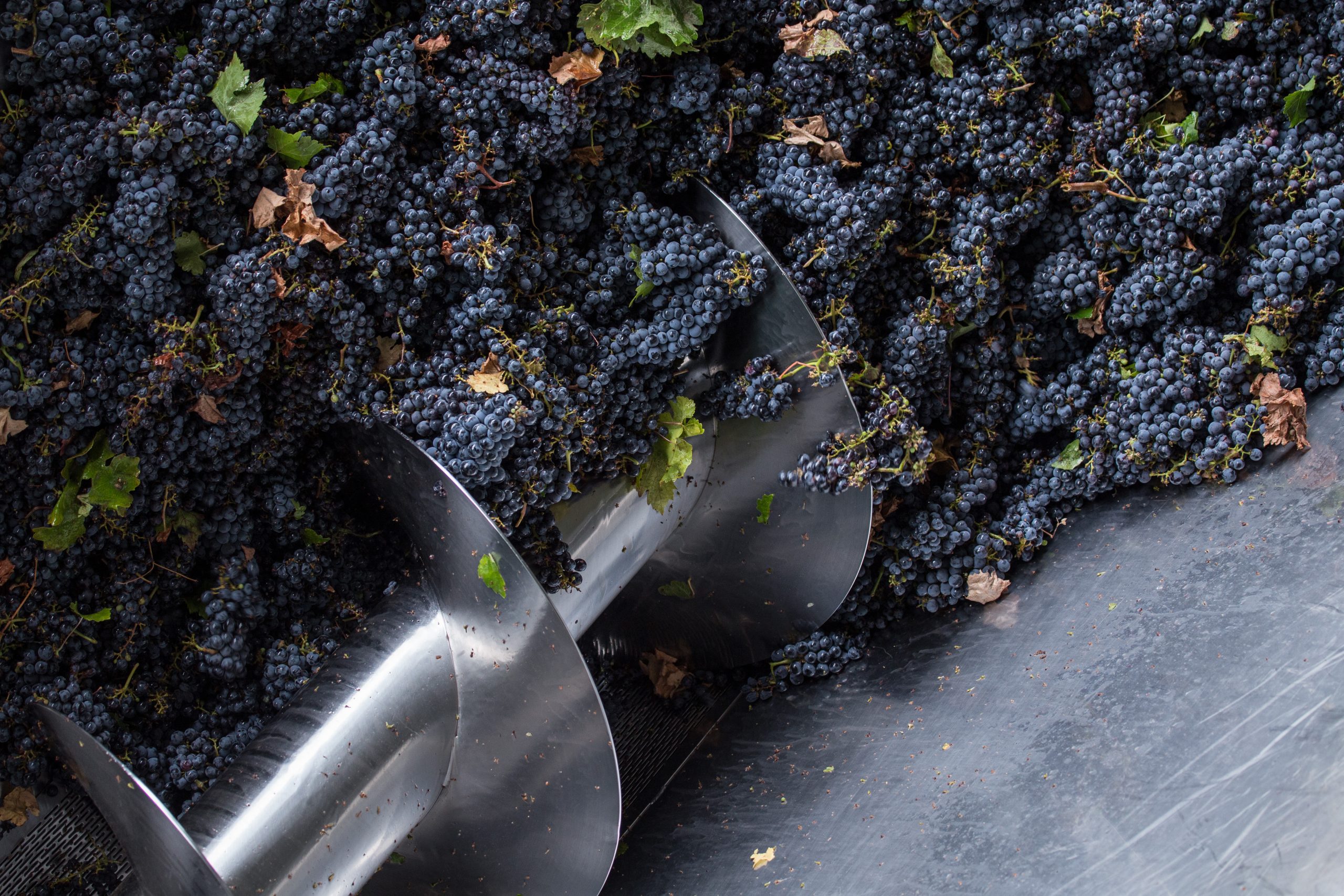
Casablanca, Maipo, Colchagua, Maule, and Itata offer one- or two-day getaways featuring nature, culture, and gastronomy centered around wine. And if you travel between February and April, the grape harvest season adds an extra touch. Festivals, grape stomping, music, and tastings celebrating one of Chile’s oldest traditions await you.
Vineyards and grape harvests near Santiago
Maipo Valley: The cradle of Chilean wine
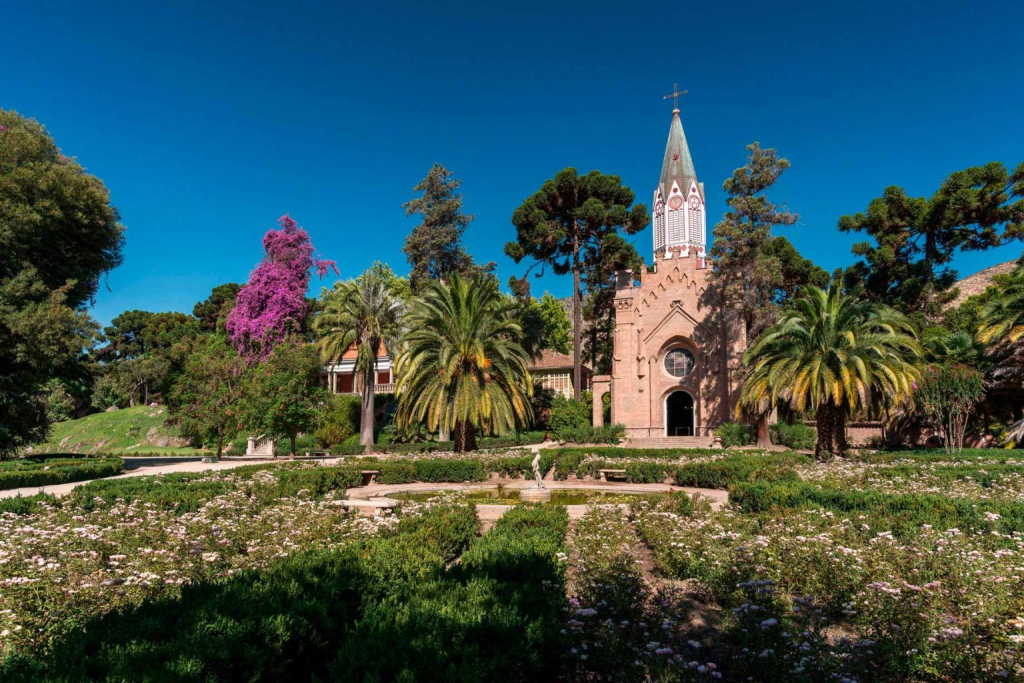
Photo: Maipo Valley / Sernatur
Just 45 minutes from Santiago, at the foothills of the Andes Mountains, the Maipo Valley is Chile’s most traditional wine-growing area and a must-see for those looking for great Cabernet Sauvignons.
Historic vineyards such as Concha y Toro, Santa Rita, Undurraga, and Cousiño Macul are concentrated here, with tours starting from $20,500 Chilean pesos (USD 25), including vineyard walks, underground cellars, and tastings.
At Concha y Toro, you can taste Don Melchor 2021, voted the best wine in the world in the Wine Spectator Top 100 Wines ranking.
2026 Grape Harvests:
- March 7–8 – San Francisco de El Monte Grape Harvest
- March 21 – Melipilla Grape Harvest Festival
- March 28–29 – Isla de Maipo Grape Harvest Festival
- April 2–5 – Santa Vendimia, Plaza de Ñuñoa
- April 11–12 – Pirque 100 Years Wine Festival
- April 11–12 – Vendimia Fest, Barrio Italia, Providencia
- April 17–19 – Maipo Valley Grape Harvest Festival, Parque Estadio Nacional
Casablanca Valley: Fresh whites by the Pacific
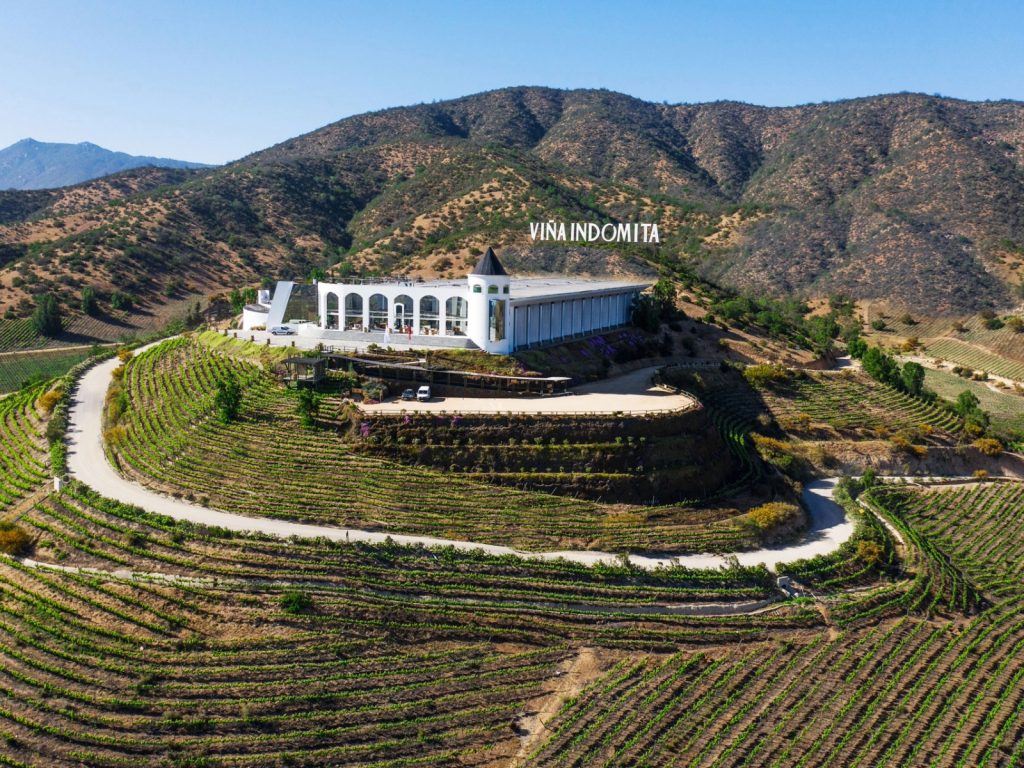
Photo: Viña Indomita
Located 82 kilometers from Santiago, between the Coastal Range and the Pacific Ocean, the Casablanca Valley is the Chilean capital of cool-climate wines. Its proximity to the sea produces fresh, aromatic wines, with Sauvignon Blanc, Chardonnay, and Pinot Noir standing out.
Vineyards like Casas del Bosque, Veramonte, Emiliana, and Indómita offer experiences that combine tastings, cellar tours, and gastronomic proposals. Wine tourism activities start from $15,000 Chilean pesos (USD 17).
2026 Grape Harvest:
- April 11–12 – Casablanca Grape Harvest Festival
How to get there: Route 68 toward Valparaíso/Viña del Mar (approximately 1 to 1.5 hours) or intercity buses from Santiago.
Colchagua Valley: Tradition and great wines
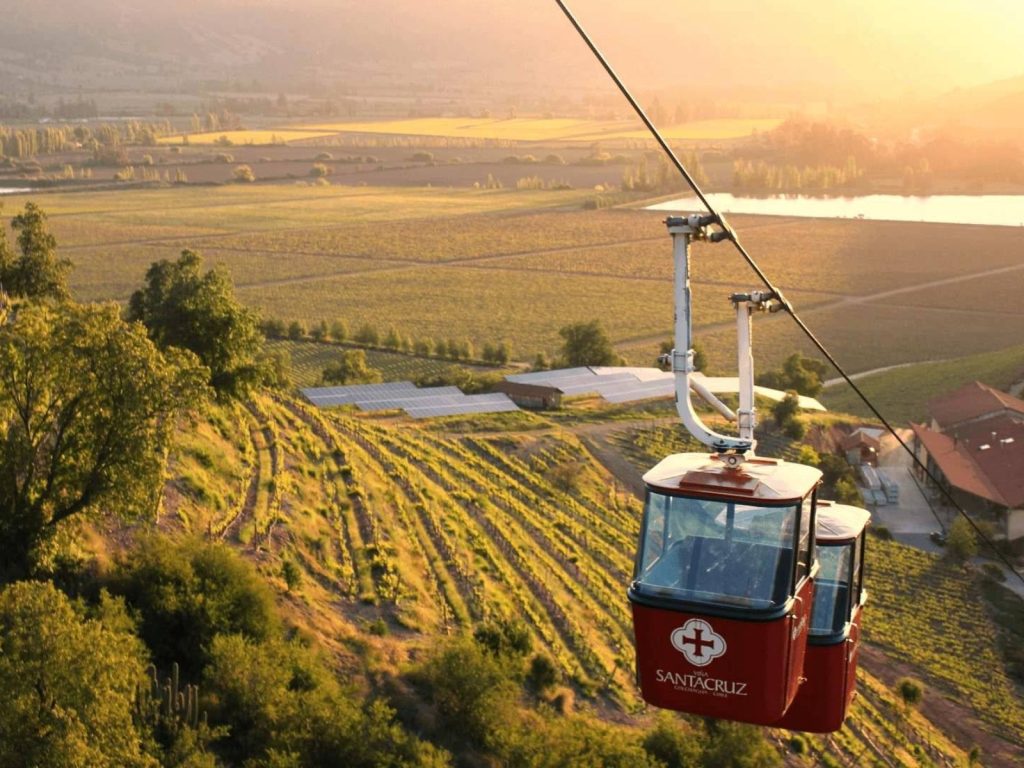
Photo: Viña Santa Cruz
Located 161 kilometers from Santiago, the Colchagua Valley is one of the country’s most renowned wine-growing territories. It is a perfect alternative for enjoying vineyards and grape harvests near Santiago. The wines from this area, especially Carmenere, Cabernet Sauvignon, Syrah, and Malbec, stand out in international rankings.
Vineyards such as Montes, Viu Manent, Lapostolle, Casa Silva, and Viña Santa Cruz invite you to tour vineyards and cellars, enjoy tastings, and go on carriage, bike, or horseback rides. In Santa Cruz, colonial architecture complements the visit. Tours and tastings through the valley’s vineyards start from $11,000 Chilean pesos (USD 12). You can check out all the available experiences here.
2026 Grape Harvests:
- March 6–8 – Colchagua Grape Harvest Festival, Santa Cruz
- March 14–15 – Peralillo Grape Harvest Festival, Municipal Park, Peralillo
- March 21–22 – Marchigüe Grape Harvest Festival
- April – Lolol Expo “Between Wines and Flavors,” Parque Campesino, Lolol
- April 11 – Rural Customs and Wine Encounter, Pumanque
- May 1–3 – San Fernando Grape Harvest Festival, Plaza de Armas
- May 1–2 – Santa Amelia Grape Harvest Festival, Pichidegua
How to get there: From Santiago, take Route 5 South to San Fernando and then the detour to Santa Cruz (2.5 hours). There are also direct buses from Santiago to Santa Cruz.
Maule Valley: Countryside and heritage
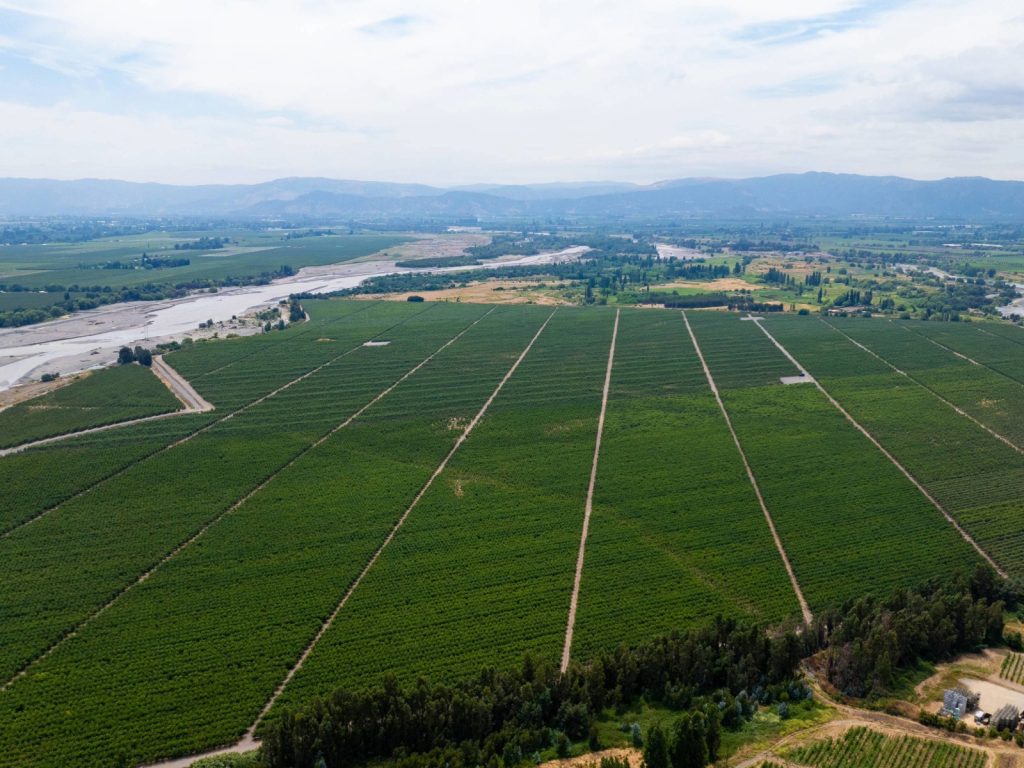
Photo: Maule Valley / Sernatur
About three hours from the capital, Maule is Chile’s largest wine valley. Its identity blends rural tradition with a remarkable diversity of varieties such as País, Carignan, Carmenere, Cabernet Sauvignon, Merlot, and Sauvignon Blanc. Large cellars and heritage vineyards like Gillmore, Casa Bouchon, Doña Aurora, and Terranoble coexist here, with wine tourism experiences starting from $12,000 Chilean pesos (USD 13).
2026 Grape Harvests:
- April (dates to be confirmed) – Heritage Wine Festival, San Javier, Maule Region
How to get there: By car via Route 5 South toward Curicó or Talca (approx. 2.5 to 3 hours). There are also buses and trains from Santiago. Additionally, there is the “Sabores del Maule” Tourist Train, which departs from Estación Central and includes tastings and visits to the valley’s vineyards.
Itata Valley: The rebirth of heritage wine
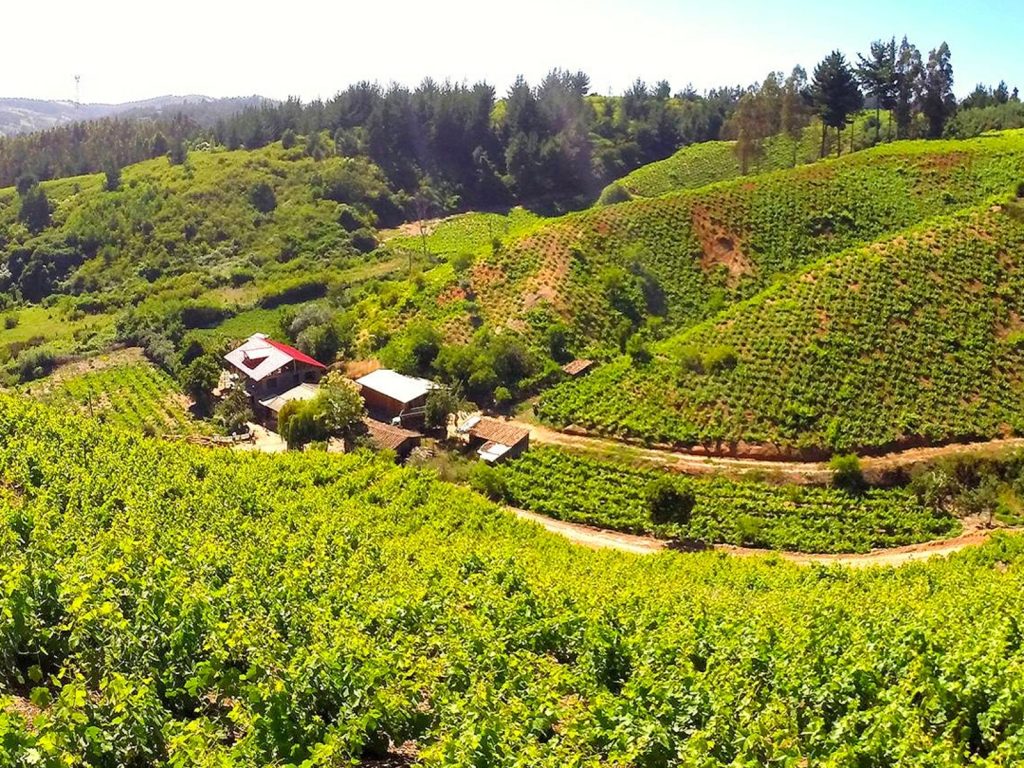
Photo: Itata Valley / Sernatur
In the Ñuble Region, the Itata Valley is one of Chile’s oldest wine-growing areas, the cradle of heritage wines made mainly with País, Muscat of Alexandria, and Cinsault.
With vines dating back to the 16th century, it is currently experiencing a renewed wine tourism push. You can visit projects like Männle, Santa Berta, Prado Vineyard & Winery, and Lomas de Llahuén, with experiences starting from $15,000 Chilean pesos (USD 17).
2026 Grape Harvest:
- April 11 – Portezuelo Grape Harvest Festival, Plaza de Armas, Portezuelo
How to get there: From Santiago, take Route 5 South to Chillán, approximately 4 to 5 hours.