The national parks of northern Chile offer surreal landscapes, where the Altiplano and the Atacama Desert are home to salt flats, lagoons, and nature that endures amidst absolute aridity.
Here you will see unique birdlife, from three species of flamingos to vicuñas, guanacos, and vizcachas. Meanwhile, the world’s highest-altitude trees and magically toned flowers complement an environment filled with ancestral mysteries.
Below, we tell you about ten national parks where you can feel the overwhelming essence of the desert.
1. Lauca National Park
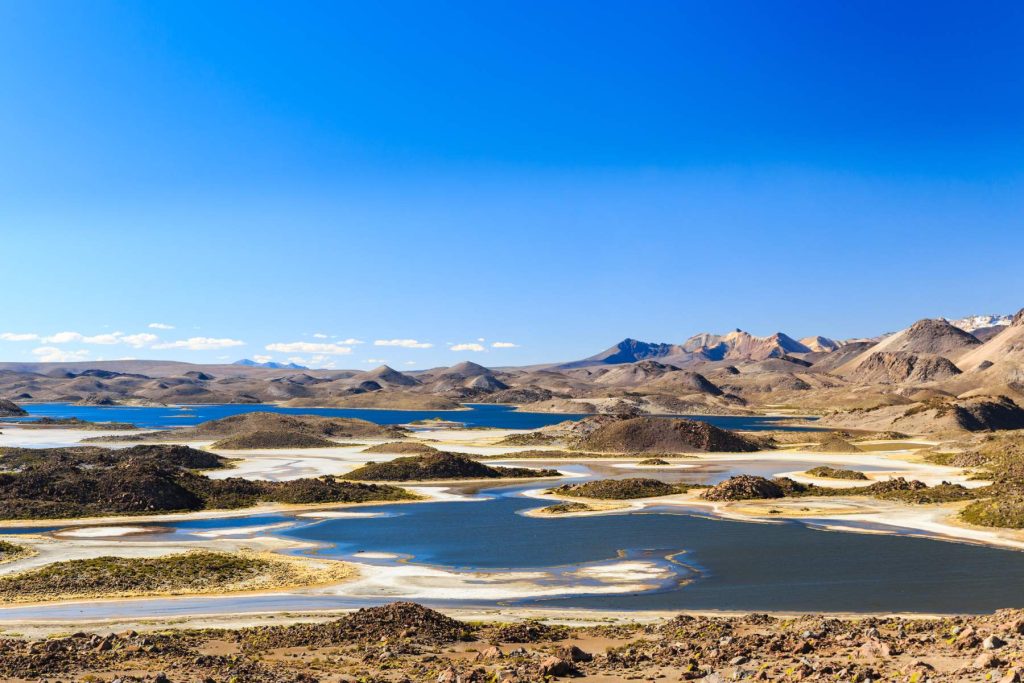
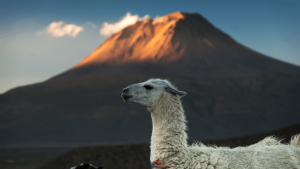
Located in the far north of Chile, Lauca National Park is a treasure of the Chilean Altiplano. Guarded by the imposing Payachatas volcanoes, this sanctuary is home to Lake Chungará, one of the highest in the world. Its bofedales (wetlands) and lagoons protect vicuñas, alpacas, and a variety of birds such as the giant coot and Andean flamingos, which coexist among queñoa forests—the highest-altitude trees in the world—and llareta cushions.
It is one of the few places on the planet where, at over 4,500 meters above sea level, you can contemplate a turquoise water mirror that reflects the perfect symmetry of a snow-capped volcano, offering one of the most iconic and breathtaking postcards from the roof of the Andes.
- Location: Arica and Parinacota Region. The nearest airport is in the city of Arica, about 145 km from the park.
- Purchase your ticket and check the park’s status here.
2. Volcán Isluga National Park
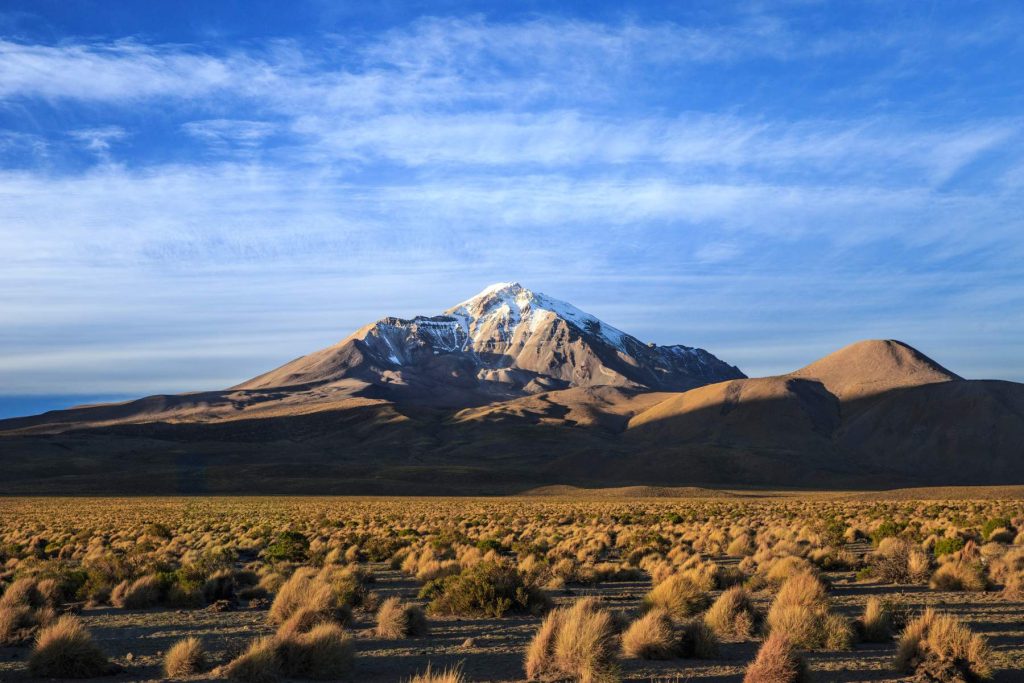
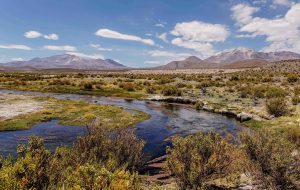
Volcán Isluga National Park is a sanctuary in the heights of the Altiplano. Dominated by the silhouette of the volcano that gives it its name, in this setting of raw beauty, the bofedales are oases of life for flamingos, vicuñas, and vizcachas.
The park is the ancestral home of the Aymara people, who consider the volcano a sacred protector. Ceremonial villages like Isluga and Enquelga, with their iconic stone and adobe churches, remain practically intact.
- Location: Tarapacá Region. The nearest airport is in the city of Iquique, about 230 km from the park.
- Purchase your ticket and check the park’s status here.
3. Salar del Huasco National Park
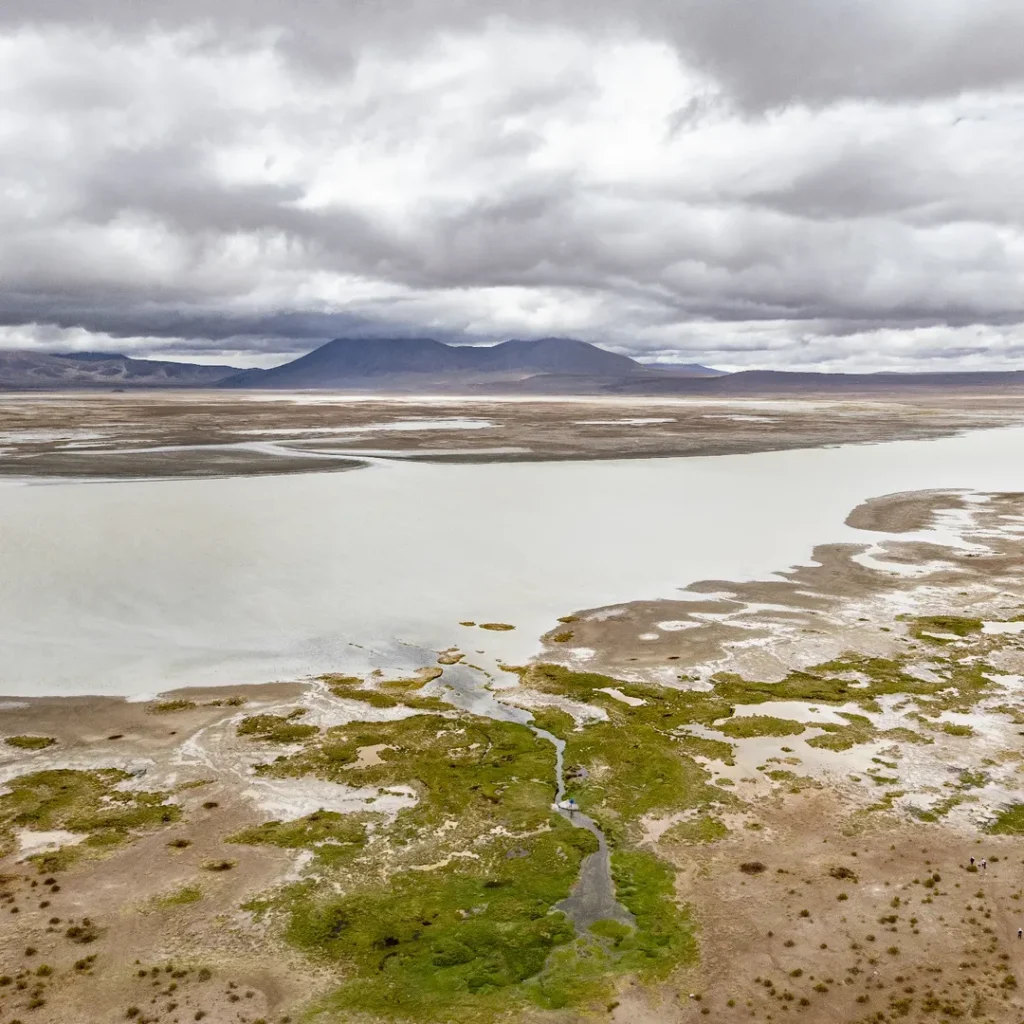
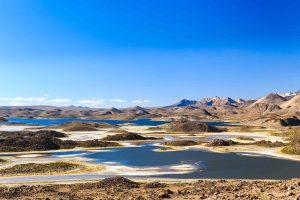
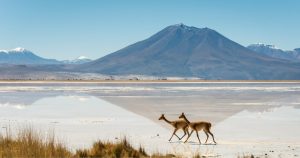
Salar del Huasco National Park protects a wetland of international importance. Its landscape will impress with an extensive white salt flat and a lagoon where the three species of flamingos that inhabit Chile coexist. It is also home to vicuñas, suris, and vizcachas, which move freely among bofedales and Andean grasslands.
It is considered one of the most pristine ecosystems on the planet. Its isolation makes it a perfect natural mirror, where absolute silence and pure air allow for observing the exact reflection of the volcanoes on the water.
- Location: Tarapacá Region. The nearest airport is in the city of Iquique, about 175 km from the park.
- Check the park’s status here.
4. Llullaillaco National Park
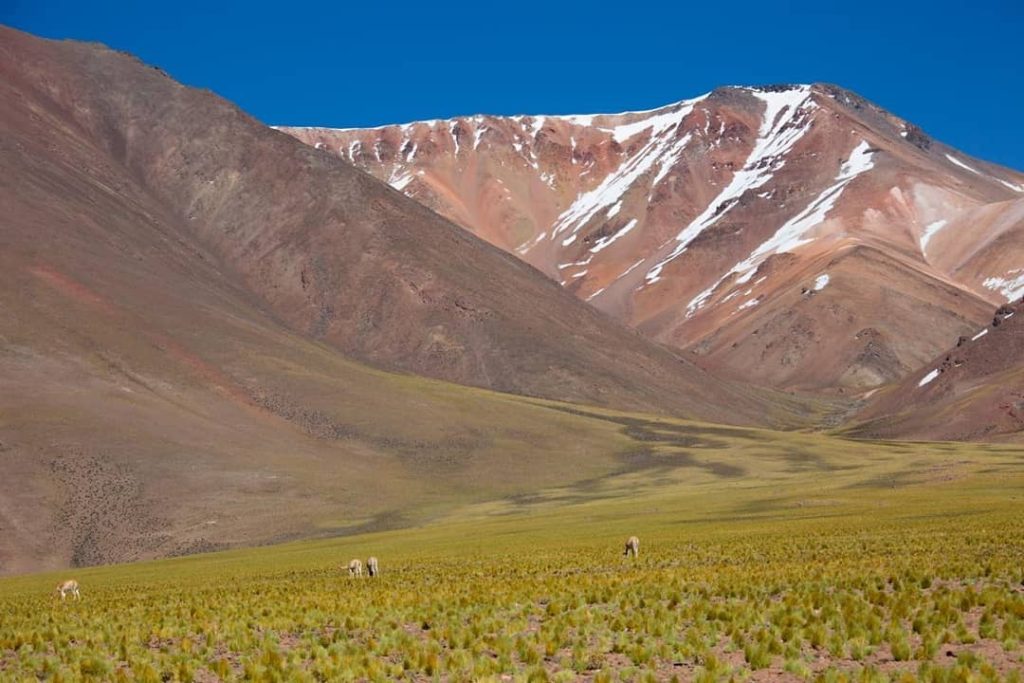
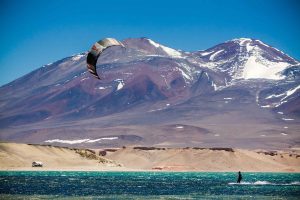
Dominated by the imposing silhouette of the volcano of the same name, which is also one of the highest peaks in the world, Llullaillaco National Park forms a breathtaking landscape amidst aridity and animals such as the guanaco, the suri, or the puna partridge.
At over 6,700 meters above sea level, the summit of Llullaillaco volcano hosts the highest ritual site on the planet, where the Incas performed sacred ceremonies. Here, the “Children of Llullaillaco” were found, the best-preserved mummies in the world due to extreme cold, testifying to a civilization that sought to touch the sky.
- Location: Antofagasta Region. The nearest airport is in the city of Antofagasta, about 275 km from the park.
- Purchase your ticket and check the park’s status here.
5. Morro Moreno National Park
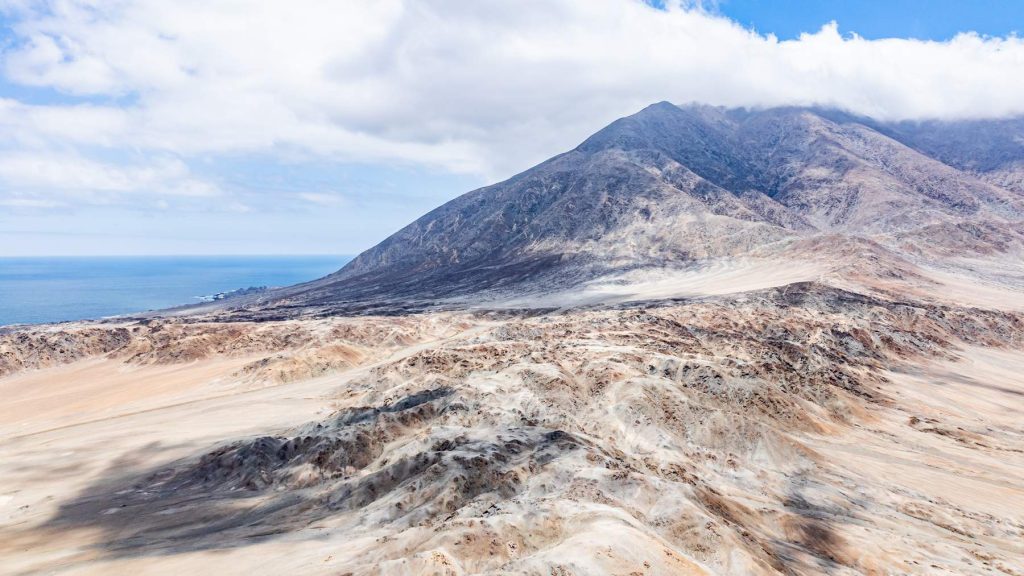
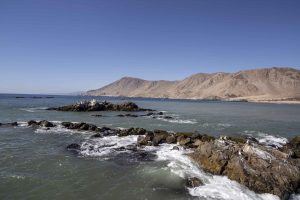
Morro Moreno National Park rises as an imposing coastal massif on the Mejillones Peninsula. In this setting, where the world’s driest desert meets the Pacific Ocean, the camanchaca—that dense marine fog—allows for the existence of a surprising “lomas” ecosystem.
In this “fog oasis” emerges a biological island that protects over 90 plant species, many of which are endemic and exist nowhere else on the planet. It is also home to chilla foxes, guanacos, and a wide variety of seabirds such as the Humboldt penguin.
- Location: Antofagasta Region. The nearest airport is in the city of Antofagasta, about 25 km from the park.
- Purchase your ticket and check the park’s status here.
6. Pan de Azúcar National Park
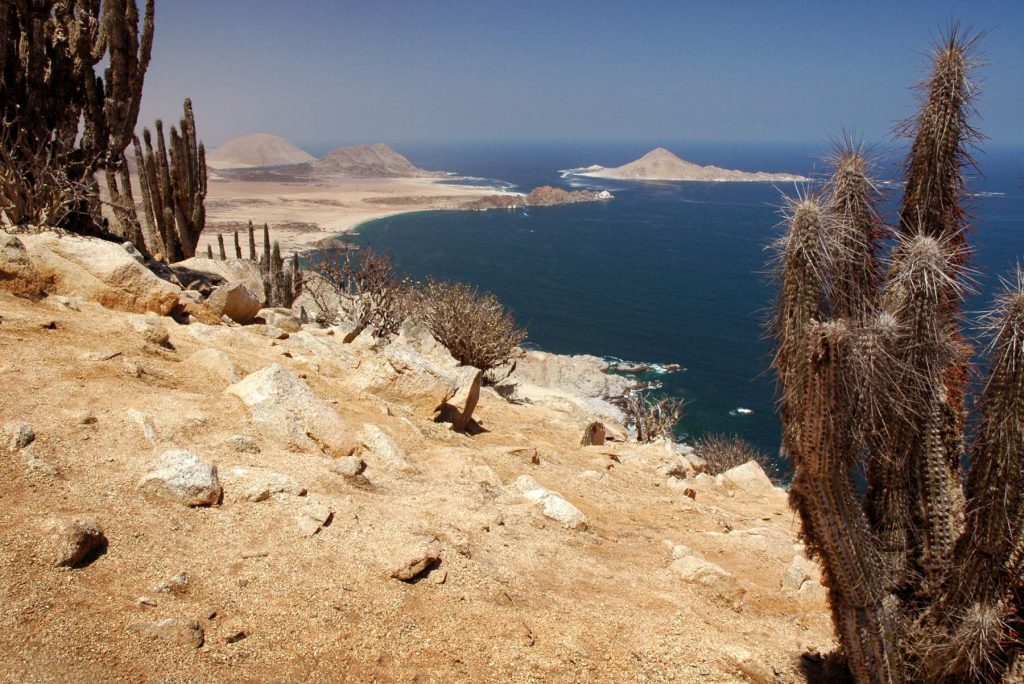
Pan de Azúcar National Park is an impressive setting where aridity merges with the Pacific Ocean. Its cliffs and turquoise beaches protect columnar cacti that survive thanks to marine humidity. Guanacos and foxes inhabit its hills, while the coast is a refuge for sea lions and various birds.
Its main attraction is Pan de Azúcar Island, a sanctuary that hosts one of Chile’s most important Humboldt penguin colonies. It is a spectacle to observe these birds in this desert environment, where coastal fog gives life to a unique ecosystem in the world.
- Location: Atacama Region. The nearest airport is in Copiapó, about 140 km from the park.
- Purchase your ticket and check the park’s status here.
7. Nevado Tres Cruces National Park
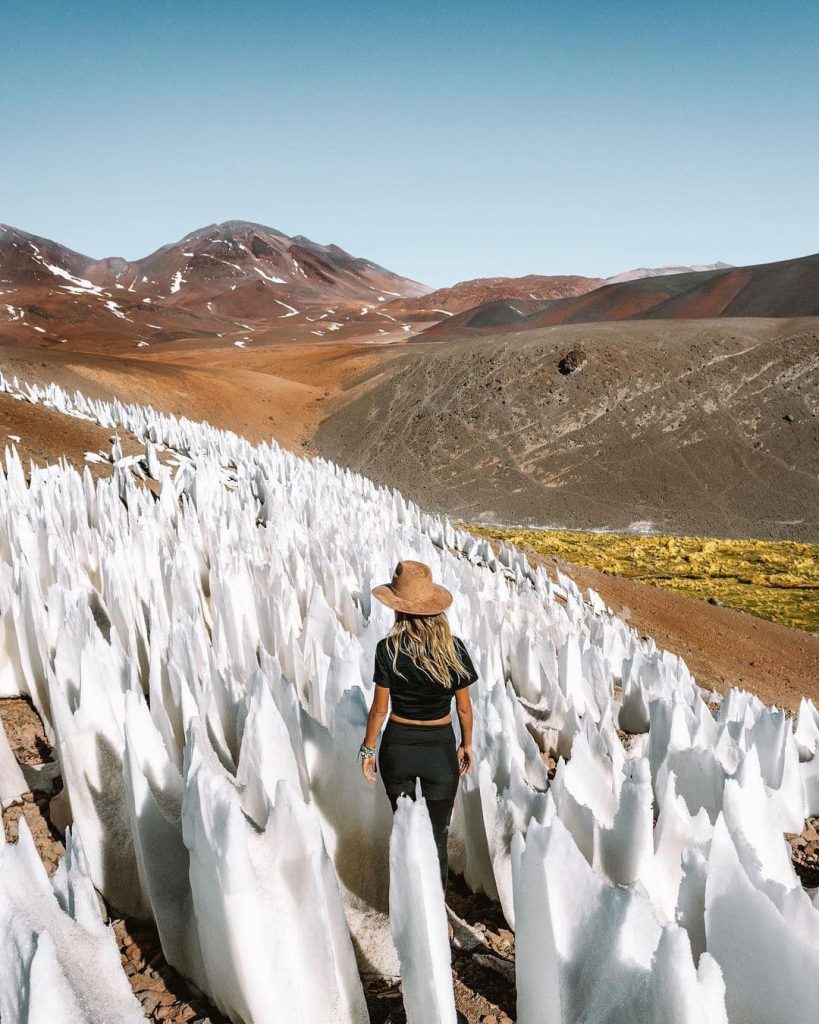
Nevado Tres Cruces National Park is a high-mountain enclave with varied birdlife such as flamingos and coots. Its main protagonist is the Salar de Maricunga, a surface of salt crystals that stretches as far as the eye can see, surrounded by intensely colored lagoons.
In its surroundings, penitentes can form, astonishing ice spires sculpted by the sun and wind that seem to march towards the peaks. Furthermore, it is the gateway to the roof of America: Ojos del Salado, the highest active volcano on the planet.
- Location: Atacama Region. The nearest airport is in Copiapó, about 160 km from the park.
- Purchase your ticket and check the park’s status here.
8. Llanos de Challe National Park
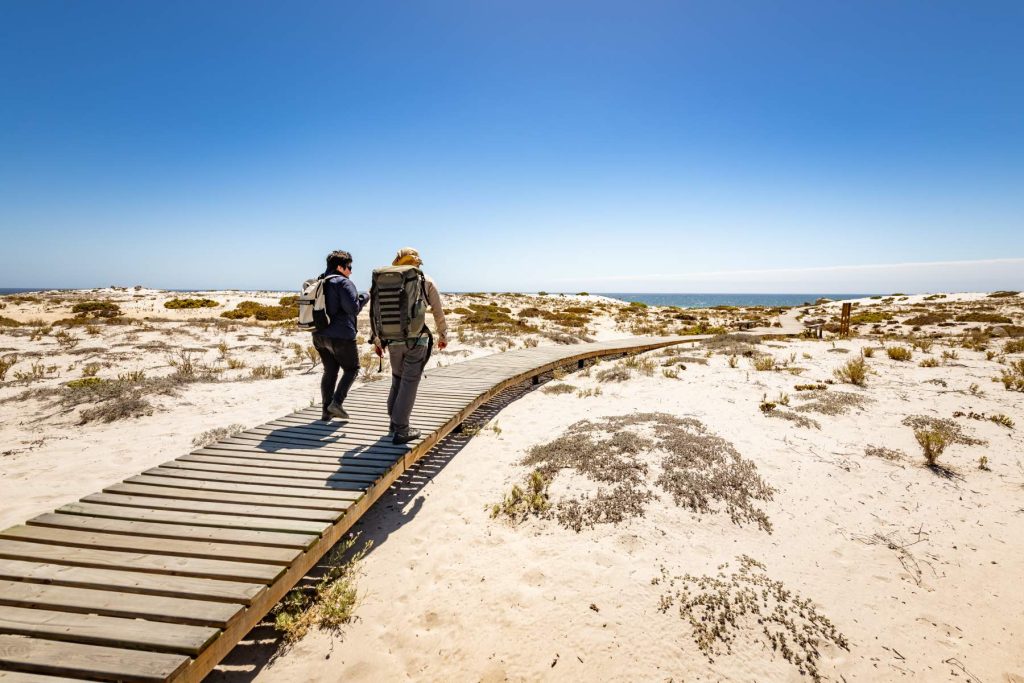
Llanos de Challe National Park is a coastal refuge in the Atacama Region. Its desert plains meet white sand beaches, where herds of guanacos roam the landscape among cacti and shrubs.
Its greatest distinction is being the exclusive home of the Lion’s Claw, one of the rarest flowers on the planet. This endemic species only blooms after exceptional rains, covering the ground in a deep red. And when conditions are right, it can host the spectacular Flowering Desert.
- Location: Atacama Region. The nearest airport is Copiapó, about 90 km from the park.
- Purchase your ticket and check the park’s status here.
9. Flowering Desert National Park
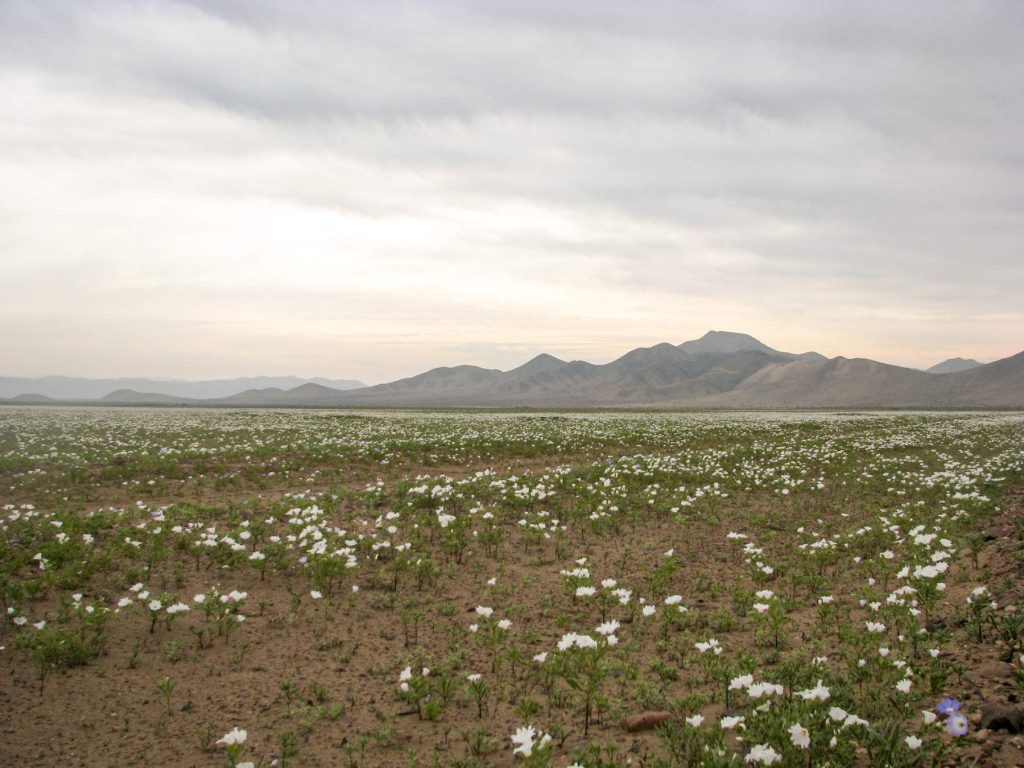
Flowering Desert National Park is famous for an exceptional phenomenon that occurs only after unusual rains. Although the park can be visited year-round to explore its trails, the spectacle of flowers is ephemeral and does not happen every season, manifesting only when climatic conditions allow.
Its essence lies in a latent seed bank that awaits beneath the sand of its plains and hills, waiting for the exact moment to transform aridity into a garden of wildflowers.
- Location: Atacama Region. The nearest airport is Copiapó, about 30 km from the park.
- Purchase your ticket and check the park’s status here.
10. Fray Jorge Forest National Park
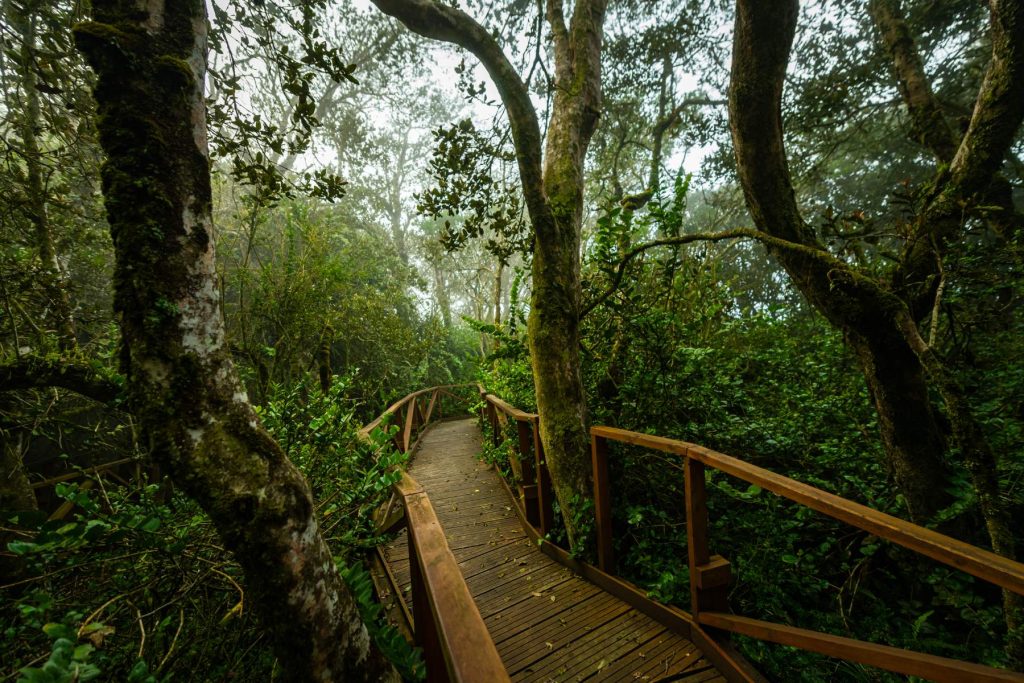
Fray Jorge Forest National Park is an astonishing green oasis in the Coquimbo Region, with ancient vegetation that persists thanks to the camanchaca fog. Its trails are home to culpeo foxes and various birds that find refuge in this enclave of olivillos and canelos that defy logic.
It is a relict forest, a fragment of Valdivian rainforest that survives outside its usual latitude. Here you can experience the surreal sensation of walking through a humid southern forest while gazing, in the distance, at the immensity of the desert.
- Location: Coquimbo Region. The nearest airport is in La Serena, about 110 km from the park.
- Purchase your ticket and check the park’s status here.