


Chile’s National Parks protect trees that sprouted before the pyramids, vast ice fields, deserts that meet the sea, and ecosystems found nowhere else on Earth.
Across the country there are 46 national parks, and this route brings together some of their most astonishing areas—places that break natural records and showcase some of the planet’s greatest wonders.
You’re invited to discover these spectacular destinations in our country. Keep in mind that in some cases you’ll need to buy your ticket in advance.
6 National Parks in Chile you should visit
1. Alerce Costero National Park: the oldest tree in the world
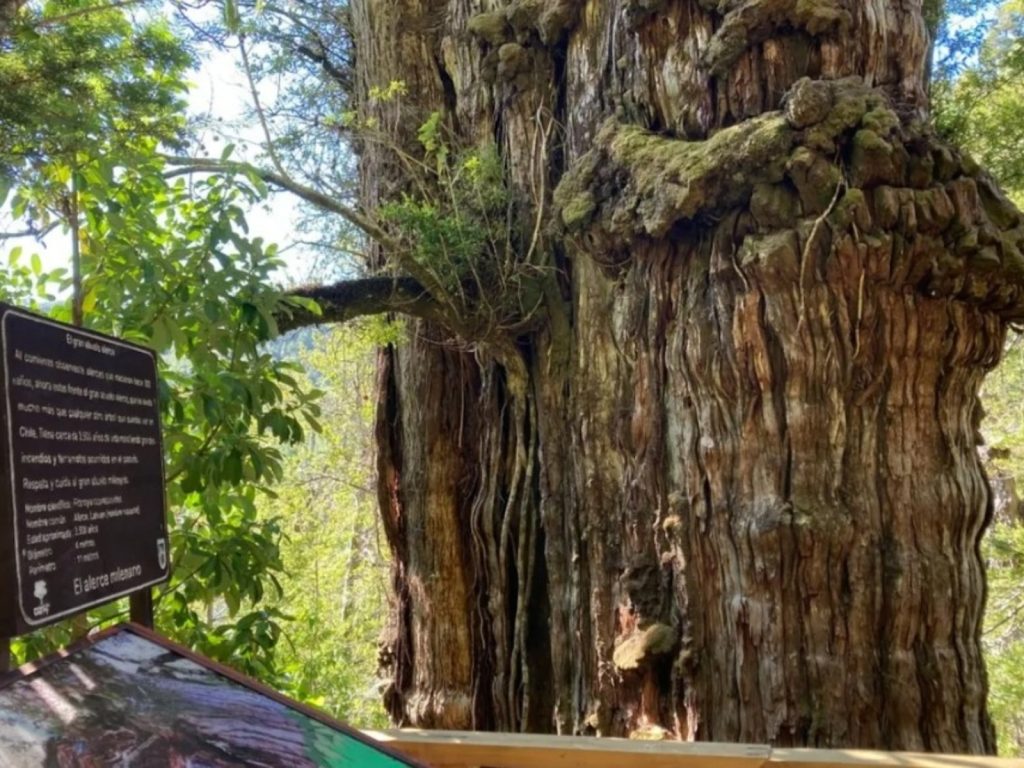
In the Los Ríos Region, Alerce Costero National Park protects the “Gran Abuelo,” a millennia-old alerce considered the oldest tree on the planet, with more than five thousand years of life. This giant reaches nearly 4 meters in diameter and 60 meters in height—about the same as a 20-story building!
It’s said the pyramids of Egypt, especially those at Giza, were built more than 4,500 years ago. So this specimen would be even older. Simply incredible!
To visit it, hike the Los Alerces Trail, a moderate route with an approximate duration of 1.5 hours. You’ll head into a temperate rainforest of mosses, giant ferns, and monumental trunks, home to species such as the pudú, güiña, puma, and Magellanic woodpecker.
2. Laguna San Rafael National Park: one of the world’s largest water reserves
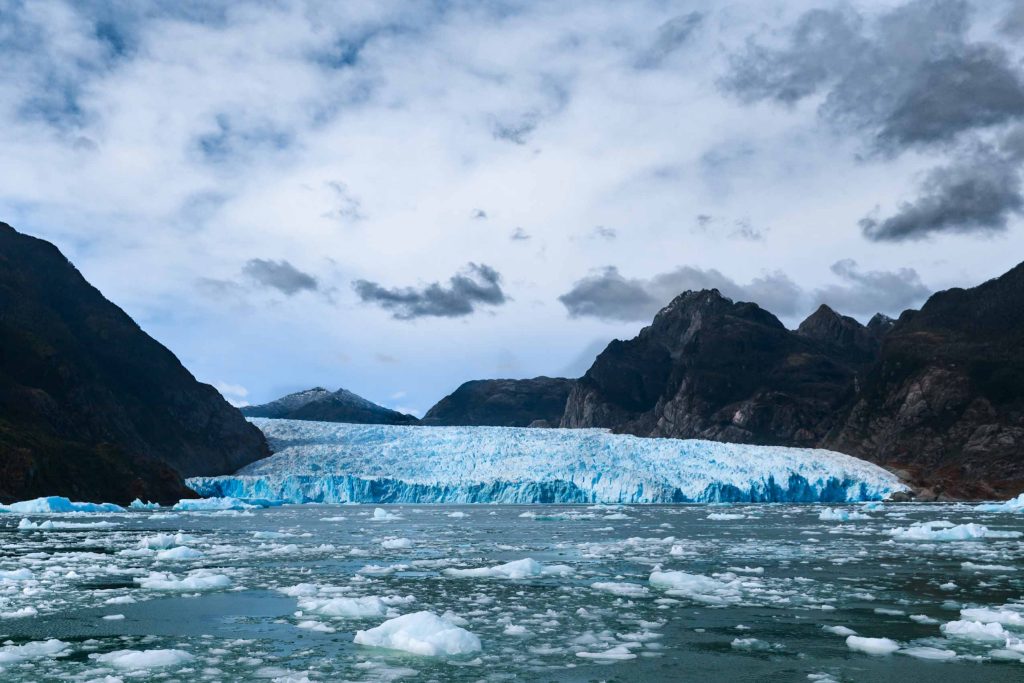
Right on the Carretera Austral, Laguna San Rafael National Park protects the Northern Patagonian Ice Field, the third-largest ice reserve on the planet, after Antarctica and Greenland. Its star attraction is the San Rafael Glacier, whose blue ice walls tower over a lagoon packed with icebergs.
Sailing to its ice front lets you see calving events, explore fjords, and take in one of the most breathtaking landscapes in Chile’s national parks. The best time to visit is between November and April, when the weather in Patagonia is more stable.
3. Pan de Azúcar National Park: desert and sea in a single postcard
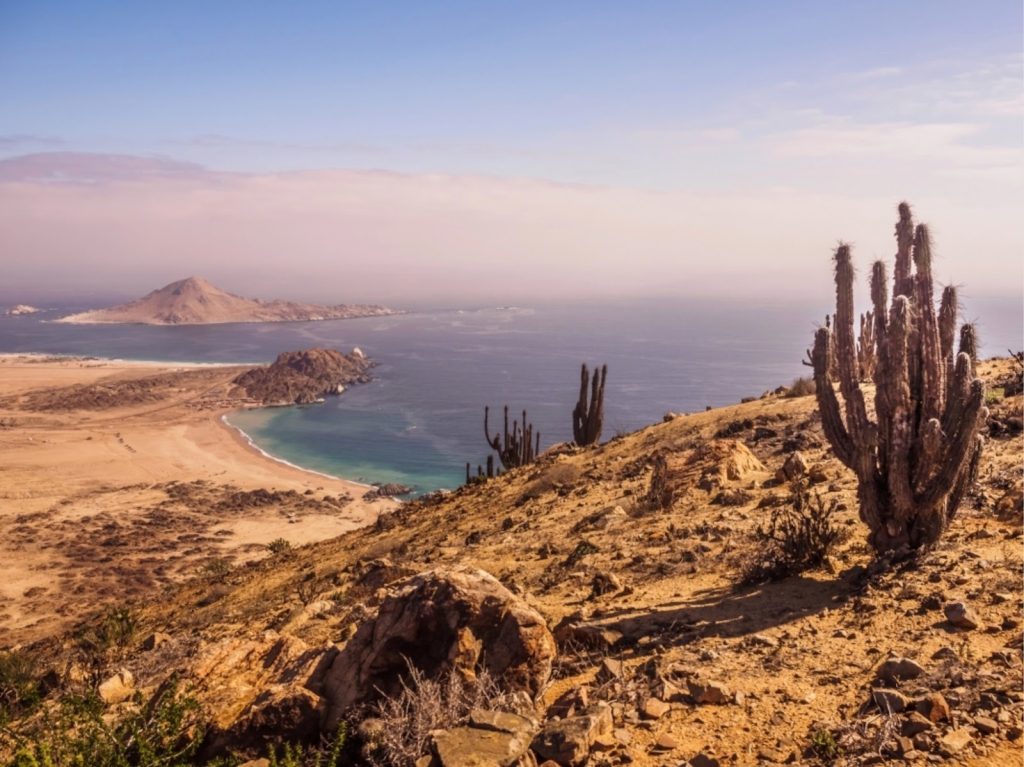
Few places in the world bring together desert, the Pacific Ocean, and star-filled skies like Pan de Azúcar National Park, between the Antofagasta and Atacama regions. This park is known as one of the areas with the best astronomical visibility in northern Chile.
By day, it amazes with dunes, cliffs, and vast cactus forests: there are more than 27 cactus species, many of them endemic to the area, giving this coastal desert a truly unique character. The wildlife is also remarkable, with colonies of Humboldt penguins and marine otters. The park offers hiking trails with lookouts over the Pacific, as well as boat trips to Pan de Azúcar Island.
4. Juan Fernández: world record for biodiversity
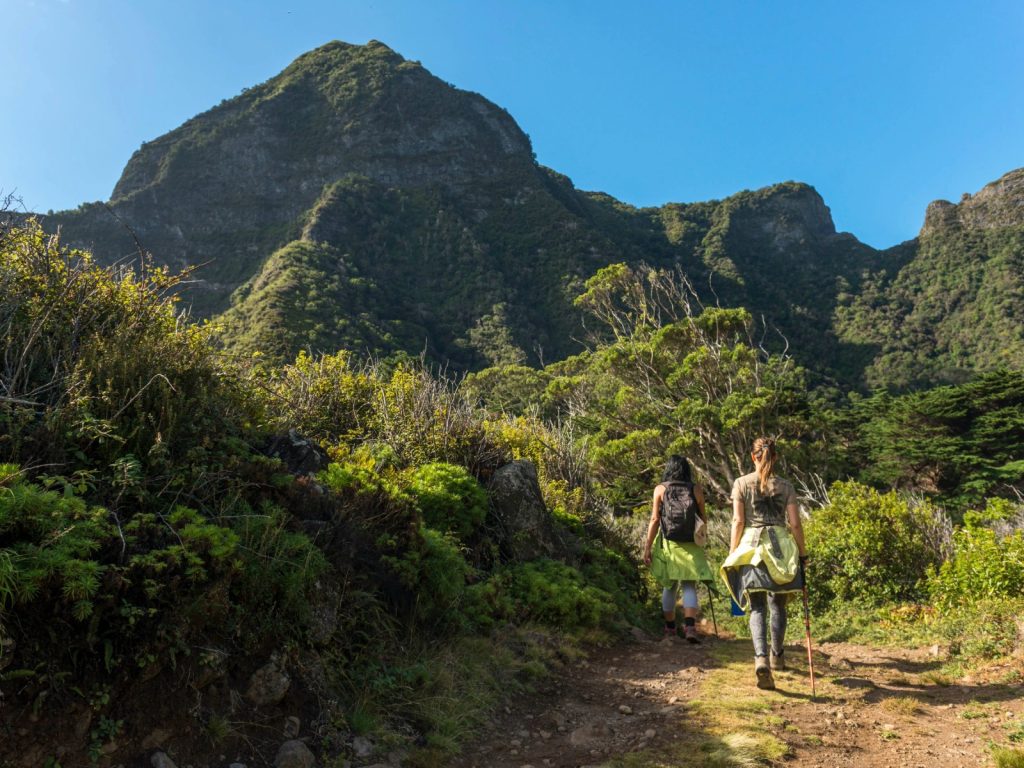
This park protects one of the most extraordinary territories on Earth. The Juan Fernández Archipelago has the highest level of endemism per square kilometer on the planet, meaning much of its flora and fauna exists nowhere else.
Volcanic islands and evergreen forests shape a landscape that captivates visitors. Its sea stands out for its biodiversity and clarity, ideal for diving, kayaking, and boat trips. Access is via charter flights from Santiago to Robinson Crusoe Island, followed by a boat ride to the village of San Juan Bautista.
5. Bosque Fray Jorge National Park: an oasis in the desert
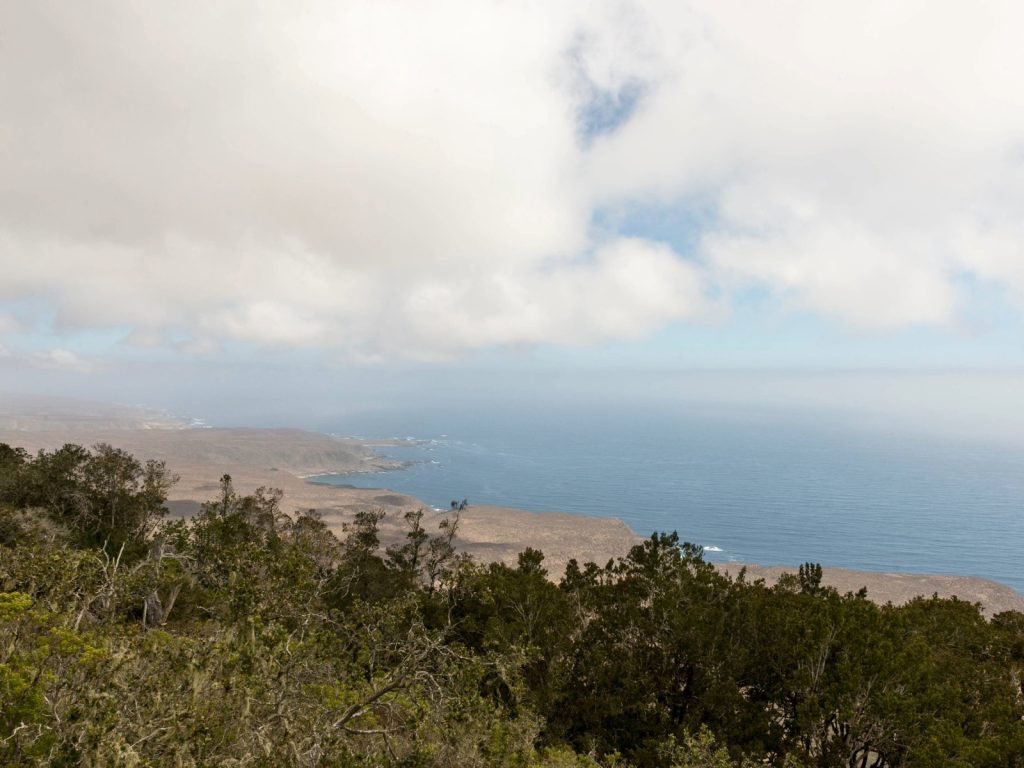
In the Coquimbo Region, Bosque Fray Jorge National Park protects one of Chile’s most surprising natural phenomena: a Valdivian-type humid forest growing in the Atacama Desert, the driest in the world.
Declared a UNESCO World Biosphere Reserve, its existence is explained by the camanchaca, the coastal fog that provides the moisture needed for species typical of southern Chile to survive. Walking its trails means entering an unexpected ecosystem. From its viewpoints you get panoramic views of the Pacific Ocean, and along the way you may spot native wildlife such as foxes and birds of prey.
6. Cape Horn: the southernmost park in the world
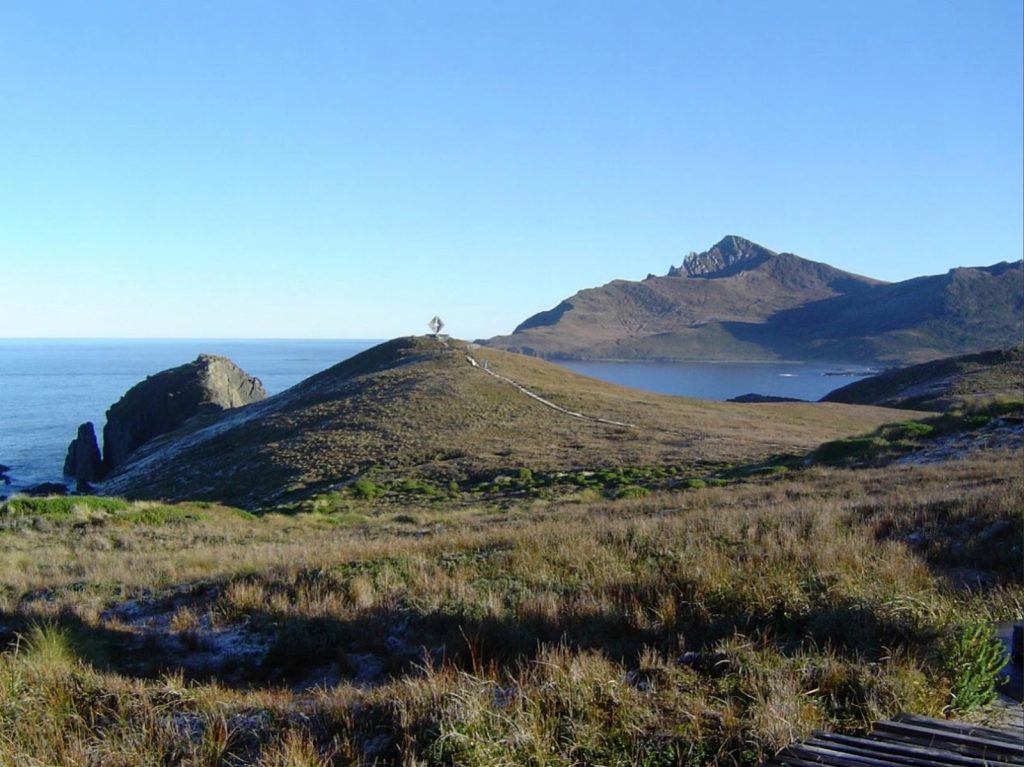
At Chile’s southern tip, Cape Horn National Park is the southernmost protected wilderness area in the world. It shelters subantarctic forests that withstand winds of up to 150 kilometers per hour, along with one of the planet’s largest records of mosses and lichens. It’s a refuge for whales, penguins, and large seabirds such as the albatross. What’s more, Cape Horn is the point where the Pacific and Atlantic oceans meet—a true geographic landmark.
Access is only by sea, via boat trips from Puerto Williams or southern cruises from Punta Arenas. The visiting season runs from October to April.


