If you have ever heard of the Moai of Rapa Nui de Rapa Nui and thought they were giant stone heads, we regret to tell you that you are completely wrong.
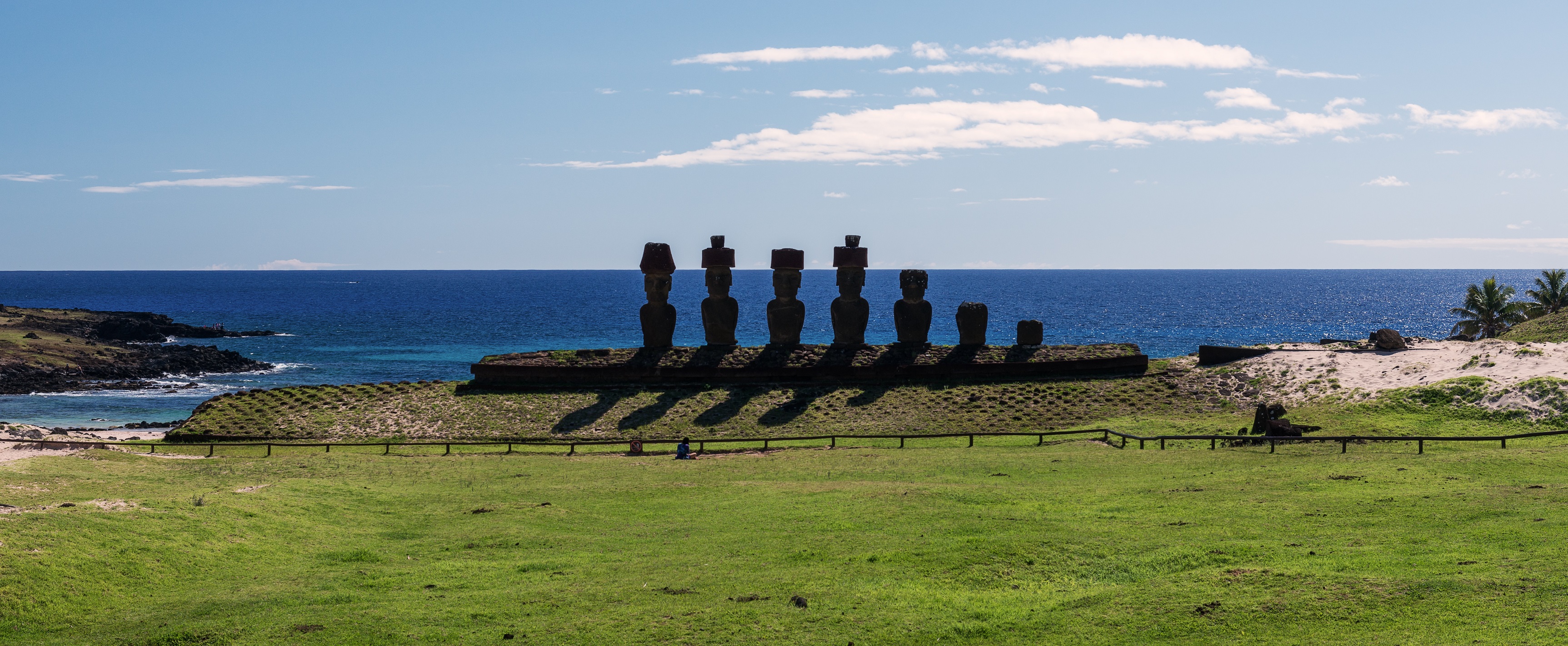
These monolithic statues are not only the most important and striking tourist attraction on the island, but they also hold enormous importance for the inhabitants of this territory because they represent their ancestors.
Keep reading and soak up the interesting Rapa Nui culture and its Moai!
1. Why were they built?
It is not a certainty and is one of the greatest mysteries surrounding these fascinating monuments, but most versions suggest that they were built for a religious purpose. The Moai could be representing the gods of Rapa Nui or the first inhabitants of the island. They would be a tribute to the ancestors, who, according to the myth, after death, cast a spiritual power to protect their clans.
2. How were the Moai of Rapa Nui built?
These legendary sculptures, mostly approximately 4 meters high, were made with huge volcanic stones, red slag, and basalt. According to several hypotheses, for the construction of the Moai of Rapa Nui, the large stones were first chosen and then they began to be carved frontally.
3. Do the Moai have bodies?
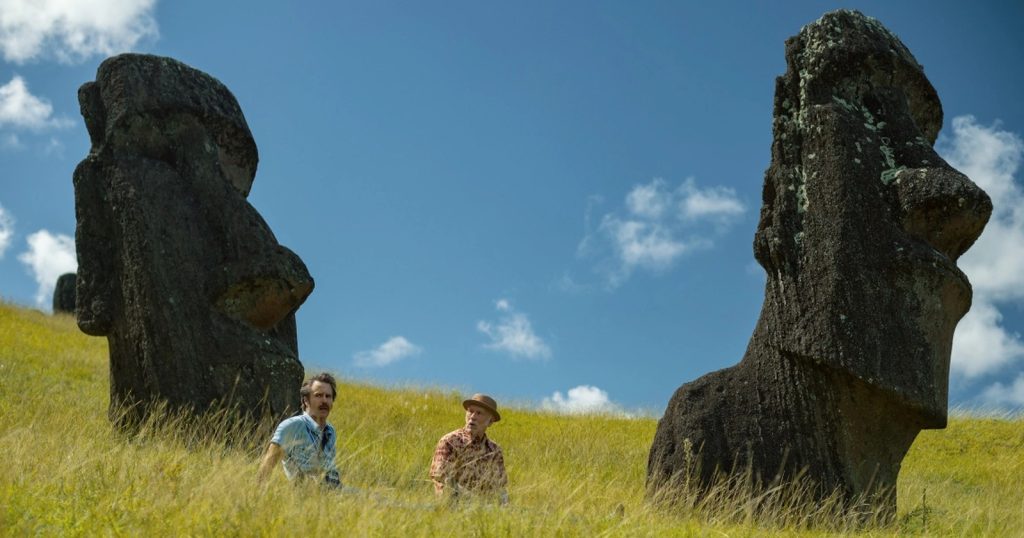
There are more than 900 Moai throughout the island of Rapa Nui. Most are finished, but, in the quarry of Rano Raraku, an extinct volcano where they were built, you will find some incomplete or buried underground from the torso down. The latter leads several travelers to think that they do not have a body, which is not true.

4. How were they moved?
This point is another of the great mysteries since, due to the enormous size and great weight of the statues, it is difficult to imagine that it was possible to move them, but most theories state that the Moai of Rapa Nui were laid on a kind of wooden sled that was pulled with ropes over logs and moved through the area.
Although there are other versions that claim that the priests of the clans used telekinetic powers to move them or that they were placed in their places by extraterrestrials. There are even myths that say that the sculptures themselves walked to their sites.
5. Are they all the same?
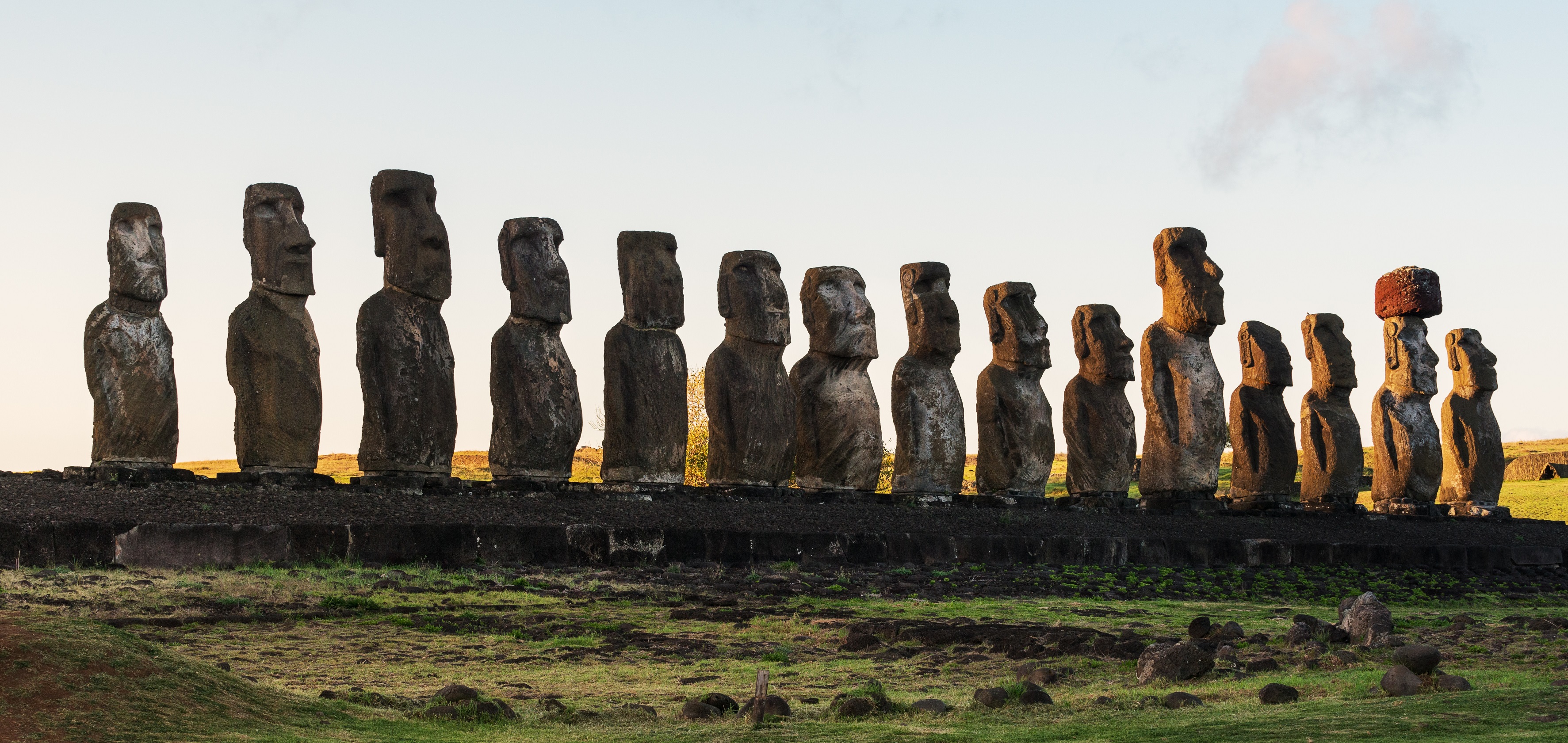
Not all the Moai of Rapa Nui were made with the same materials. Most (more than 800) were built with volcanic stones, but red slag and basalt were used in others. They are not the same size either, although the average is 4.5 meters.
For example, one of the most outstanding sculptures is Te Tokanga (The Giant) which measures more than 21 meters and weighs more than 270 tons. Another aspect that makes a difference is the stage in which they were created, the first ones are smaller and have a more rounded head and body.
In other phases they were stylized, acquiring more straight shapes, large ears, and long noses. There is no sculpture equal to another and that is because possibly each one represents some god or ancestor, therefore, the features would be personalized.