



Discover the magic of the island of Rapa Nui, its beaches, volcanoes and hidden attractions.
LANDSCAPES:
ISLANDS
Updated on 5 de January, 2026

Moai, volcanoes, and living culture in Chilean Polynesia
4 DAYS
Rapa Nui awaits you with an unparalleled mystical energy. From the stunning Orongo village on a volcano’s crater to the imposing Ahu Tongariki and its fifteen moai. A four-day journey to immerse yourself in Polynesian culture, explore volcanic caves, and dive in the clearest waters of the Pacific. Living history in the middle of the ocean.
Inicio del itinerario
Day 1
The Origin and the Birdman: Rano Kau and Orongo
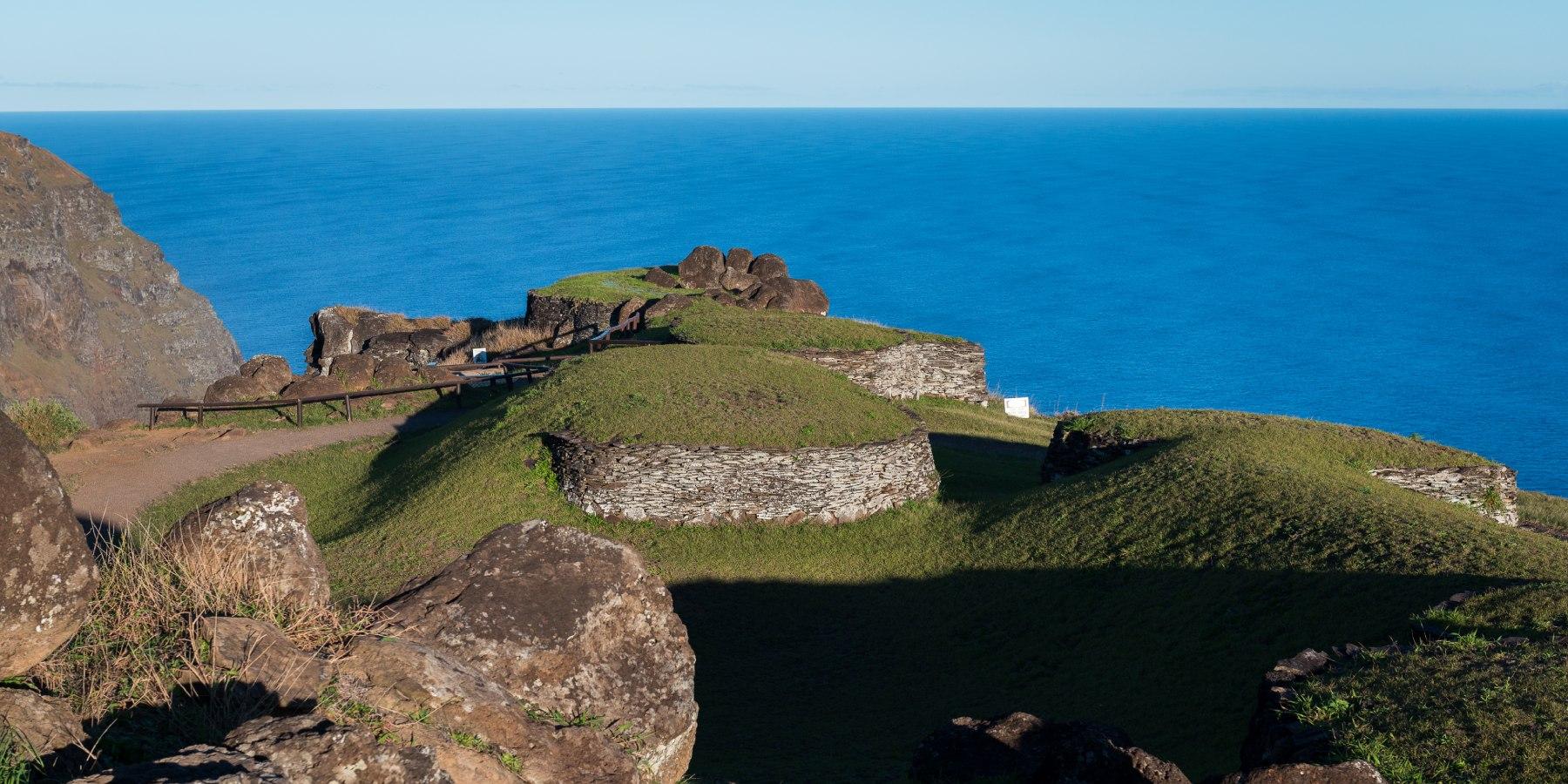
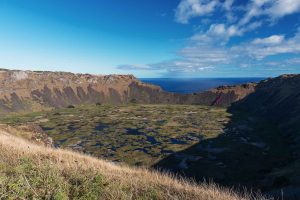
Begin your adventure from Hanga Roa toward Ahu Vinapu to observe the technical precision of its stone walls, which resemble ancient Inca constructions. Then, ascend Rano Kau volcano to marvel at its 1.6 km diameter crater, housing freshwater lagoons and unique biodiversity.
Finish at the ceremonial village of Orongo, located on the crater’s narrow edge, where you will learn the fascinating history of the Tangata Manu (Birdman) competition. It is mandatory to complete this tour with a certified local guide to understand the spiritual importance of the petroglyphs and the social organization of the ancient clans. This first contact with the island’s volcanic origin provides the necessary context to appreciate the magnitude of the Rapa Nui civilization.
Day 1
The Origin and the Birdman: Rano Kau and Orongo
Begin your adventure from Hanga Roa toward Ahu Vinapu to observe the technical precision of its stone walls, which resemble ancient Inca constructions. Then, ascend Rano Kau volcano to marvel at its 1.6 km diameter crater, housing freshwater lagoons and unique biodiversity.
Finish at the ceremonial village of Orongo, located on the crater’s narrow edge, where you will learn the fascinating history of the Tangata Manu (Birdman) competition. It is mandatory to complete this tour with a certified local guide to understand the spiritual importance of the petroglyphs and the social organization of the ancient clans. This first contact with the island’s volcanic origin provides the necessary context to appreciate the magnitude of the Rapa Nui civilization.
Day 2
Caves and Astronomy: Ahu Akivi and Vai a Mei
edicate the second day to exploring the island’s interior and its underground world. Join a guided trek or horseback ride to the volcanic cave complex, including the lava tubes of Vai a Mei and Ana Kakenga (the cave of the two windows) facing the sea.
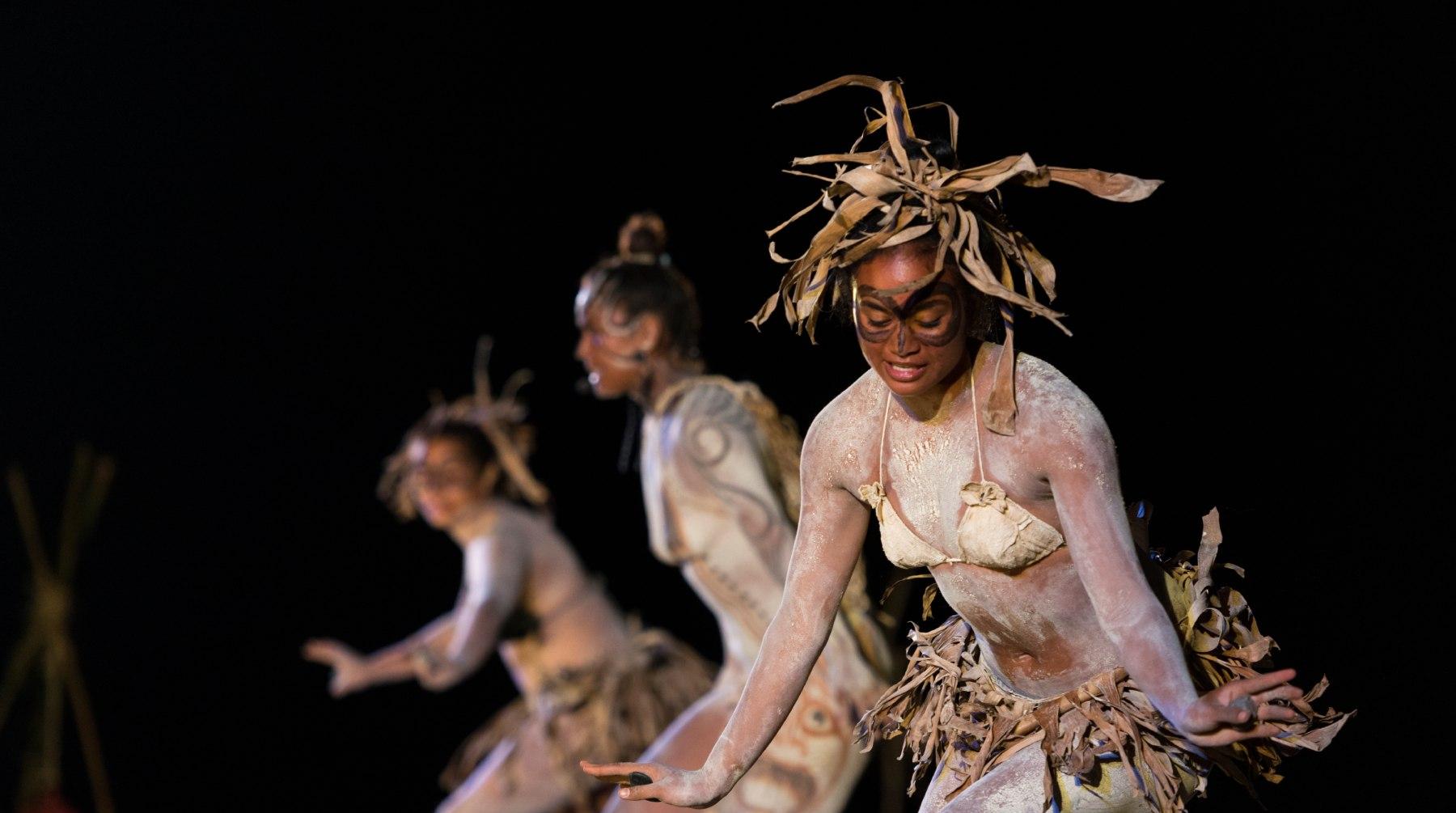
Then, visit Ahu Akivi, the only altar where the seven moai face the ocean; they are said to represent the explorers sent by King Hotu Matu’a and are astronomically aligned with the equinoxes. In the evening, enjoy a traditional dance show and dine on local cuisine featuring fresh fish like tuna or mahi-mahi prepared with tropical fruits. It is a day to connect with the island’s legends and ancestral science.
Day 2
Caves and Astronomy: Ahu Akivi and Vai a Mei
edicate the second day to exploring the island’s interior and its underground world. Join a guided trek or horseback ride to the volcanic cave complex, including the lava tubes of Vai a Mei and Ana Kakenga (the cave of the two windows) facing the sea.
Then, visit Ahu Akivi, the only altar where the seven moai face the ocean; they are said to represent the explorers sent by King Hotu Matu’a and are astronomically aligned with the equinoxes. In the evening, enjoy a traditional dance show and dine on local cuisine featuring fresh fish like tuna or mahi-mahi prepared with tropical fruits. It is a day to connect with the island’s legends and ancestral science.
Attractions included on this day
Day 3
Crystal Clear Waters and Diving: Anakena and Hanga Roa
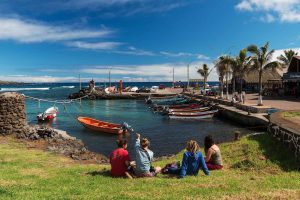
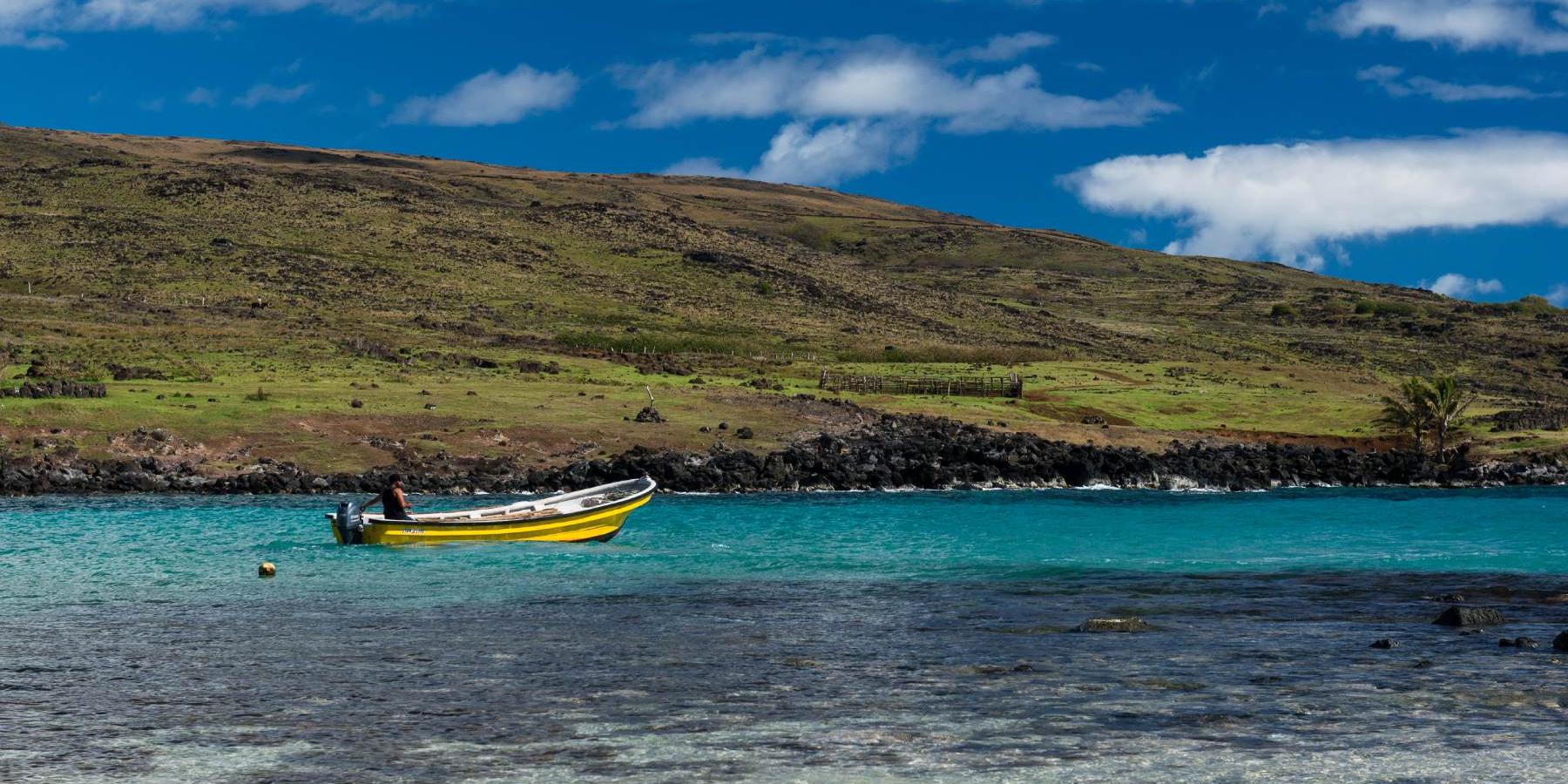
Rapa Nui boasts waters with visibility reaching 60 meters, making it a world-class diving destination. This day is dedicated to the sea: you can go scuba diving in Hanga Roa bay to see the famous submerged moai or snorkel at the paradisiacal Anakena beach.
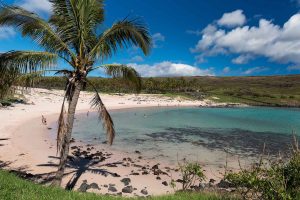
This white-sand beach, lined with palm trees brought from Tahiti, is home to Ahu Nau Nau and its best-preserved moai. Take the opportunity to practice Polynesian canoeing or simply enjoy the pleasant temperature of the ocean. This is a day of relaxation and connection with the unique marine ecosystem of Polynesia, where you can witness the harmony between the people and the Pacific.
Attractions included on this day
Day 3
Crystal Clear Waters and Diving: Anakena and Hanga Roa
Rapa Nui boasts waters with visibility reaching 60 meters, making it a world-class diving destination. This day is dedicated to the sea: you can go scuba diving in Hanga Roa bay to see the famous submerged moai or snorkel at the paradisiacal Anakena beach.
This white-sand beach, lined with palm trees brought from Tahiti, is home to Ahu Nau Nau and its best-preserved moai. Take the opportunity to practice Polynesian canoeing or simply enjoy the pleasant temperature of the ocean. This is a day of relaxation and connection with the unique marine ecosystem of Polynesia, where you can witness the harmony between the people and the Pacific.
Attractions included on this day
Day 4
The Most Beautiful Sunrise: Ahu Tongariki and Rano Raraku
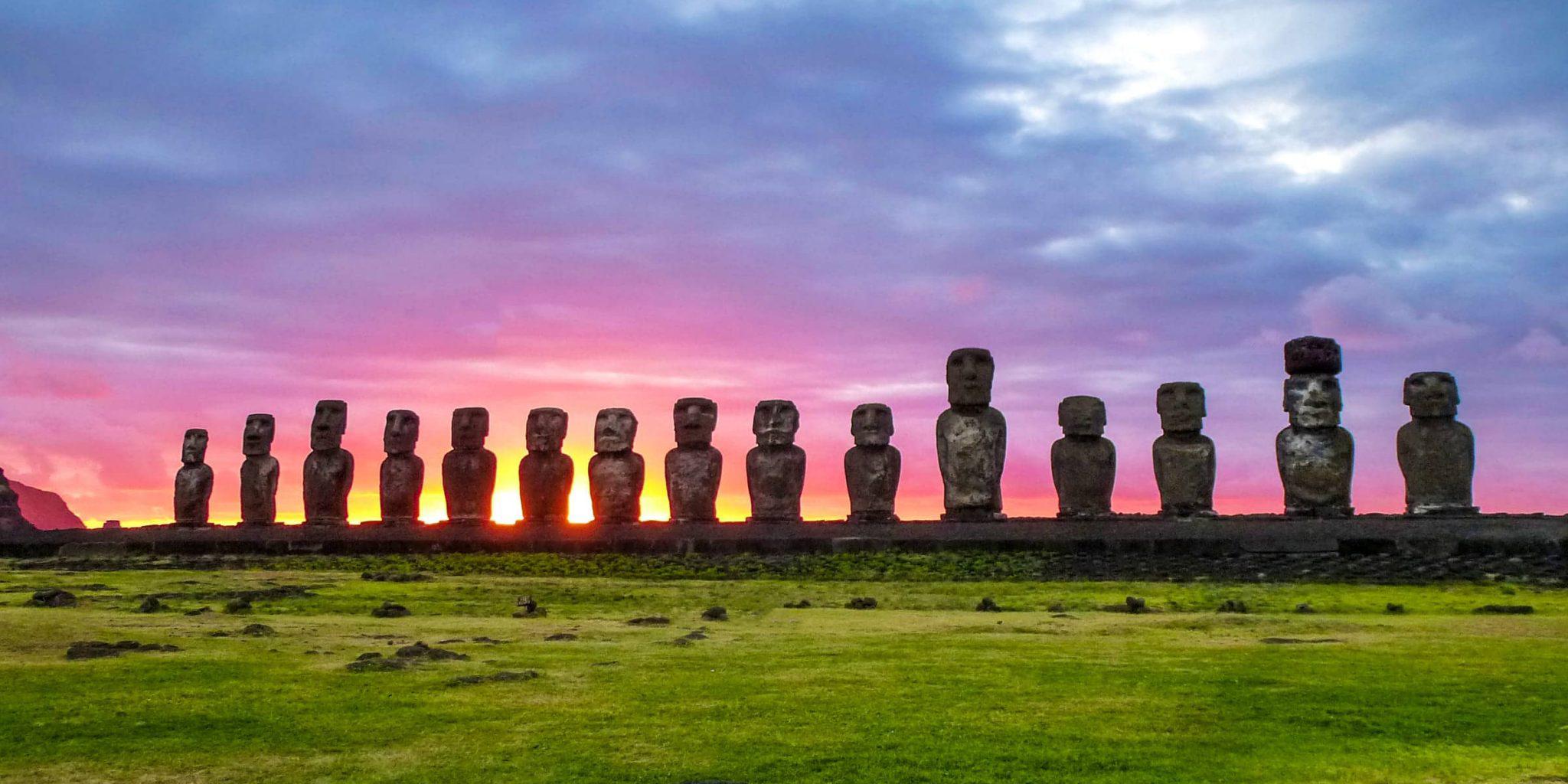
Coordinate with your guide to be at Ahu Tongariki before dawn. Witnessing the sun rise behind the fifteen moai lined up against the Pacific is one of the world’s most overwhelming and spiritual experiences.
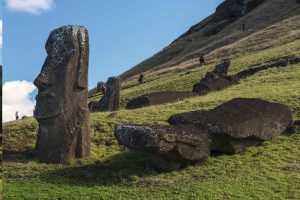
After sunrise, visit Rano Raraku, the quarry where nearly all the island’s moai were carved; there you will see hundreds of statues in different stages of construction, still attached to the volcanic bedrock. This anthropological tour is the perfect conclusion to understanding the rise and fall of this magnificent civilization. Remember to validate your park ticket, as access to these iconic sites is strictly controlled and limited to specific time slots.
Attractions included on this day
Day 4
The Most Beautiful Sunrise: Ahu Tongariki and Rano Raraku
Coordinate with your guide to be at Ahu Tongariki before dawn. Witnessing the sun rise behind the fifteen moai lined up against the Pacific is one of the world’s most overwhelming and spiritual experiences.
After sunrise, visit Rano Raraku, the quarry where nearly all the island’s moai were carved; there you will see hundreds of statues in different stages of construction, still attached to the volcanic bedrock. This anthropological tour is the perfect conclusion to understanding the rise and fall of this magnificent civilization. Remember to validate your park ticket, as access to these iconic sites is strictly controlled and limited to specific time slots.
What you should know
How to get there by air
Mataveri International Airport (IPC) is the main entry point, with flights operated exclusively by LATAM from Santiago (SCL) lasting 5.5 hours. Due to high demand and limited capacity, booking tickets months in advance is recommended. Presenting the FUI entry form and a SERNATUR-registered accommodation reservation is mandatory when boarding your flight.
How to get there by land
On the island, transportation is primarily via rental vehicles (jeeps), bicycles, or guided horseback rides. Given the considerable distances between archaeological sites and the changing weather, renting a 4×4 vehicle is the most comfortable option for navigating the 154 km circuit with total flexibility and protection from the tropical sun.
Climate and clothing
Humid subtropical climate. Rains are short but intense year-round. Wear light, breathable clothing, but always carry a raincoat. High-grip trekking shoes are vital for volcanic trails, along with a wide-brimmed hat and sunglasses to protect against high UV radiation levels.
Must-Know Tips
Purchase your Rapa Nui National Park ticket online in advance; there are no on-site sales. It is mandatory to hire an accredited local guide to access archaeological sites. Use biodegradable sunscreen to protect the coral reefs. Carry cash (Chilean pesos or dollars) for tips and local crafts. Ensure your FUI form is completed.


