In 48 hours, you’ll go from the heritage of the historic center to the views from San Cristóbal Hill and the contemporary architecture of the capital’s eastern district.
If you’re looking for what to do in Santiago in 2 days, this route brings together some of the places worth visiting if you have a little time before continuing your trip to Rapa Nui or Chilean Patagonia. The first day is dedicated to downtown Santiago, and the second combines nature, viewpoints, and contemporary neighborhoods.
Santiago brings together historic buildings, museums, gastronomic districts, and great views of the Andes Mountains.
Day 1: Historic Santiago
La Moneda and París Londres
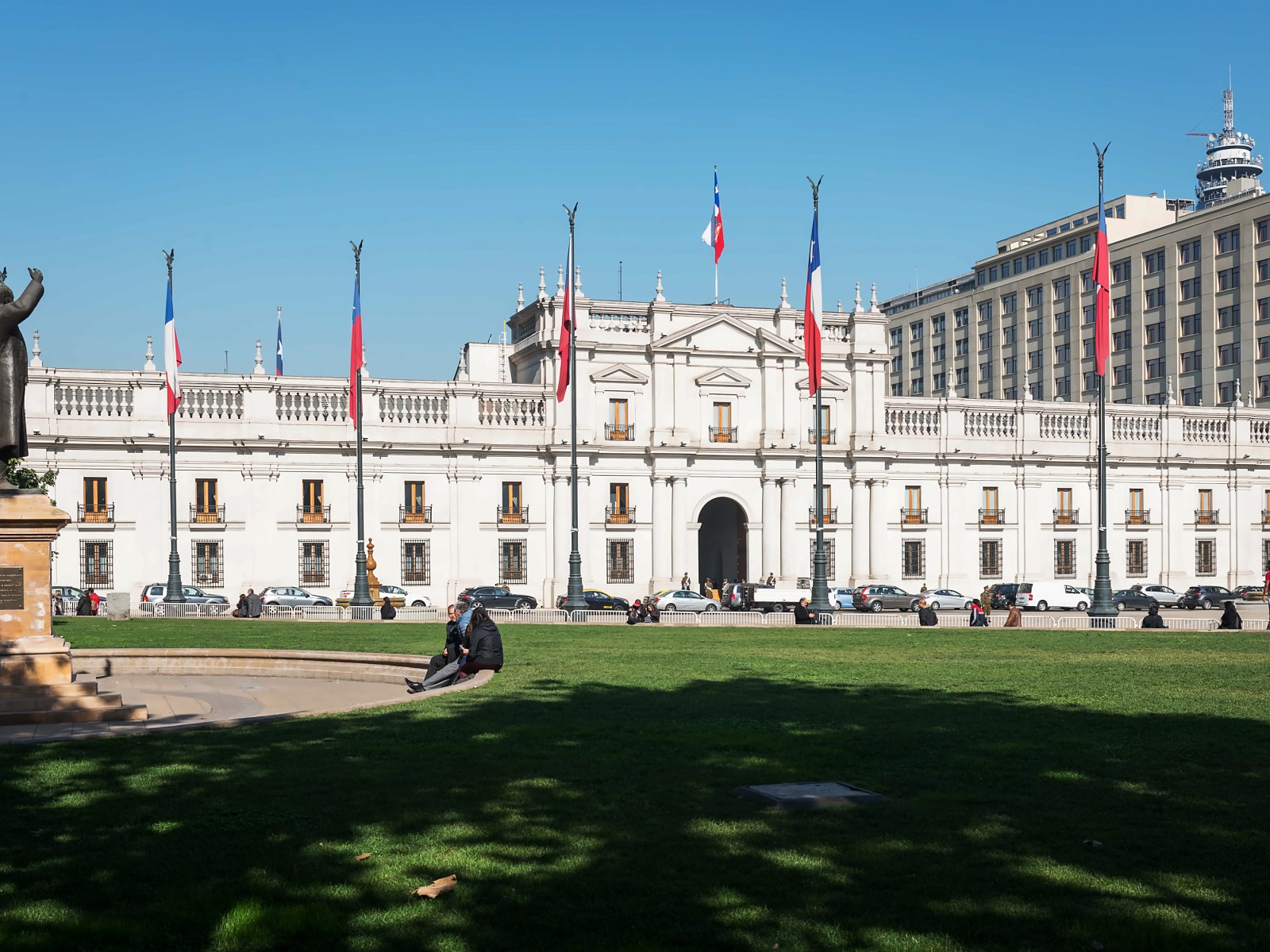
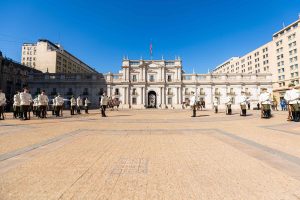
Start your tour at the La Moneda Palace, one of Santiago’s most iconic buildings and the seat of the Chilean Government. Just a few steps away, you’ll find the La Moneda Cultural Center, located under the Plaza de la Ciudadanía, featuring exhibitions and cultural activities.
About 800 meters away, you’ll find the París-Londres neighborhood, a small area of cobblestone streets that stands out for its old European-inspired buildings. Located next to Libertador Bernardo O’Higgins Avenue, it’s one of the most unique corners of downtown Santiago. It’s a great place to explore at your own pace, take photos, and discover small cafés and shops among its heritage buildings.
Plaza de Armas and Portal Fernández Concha
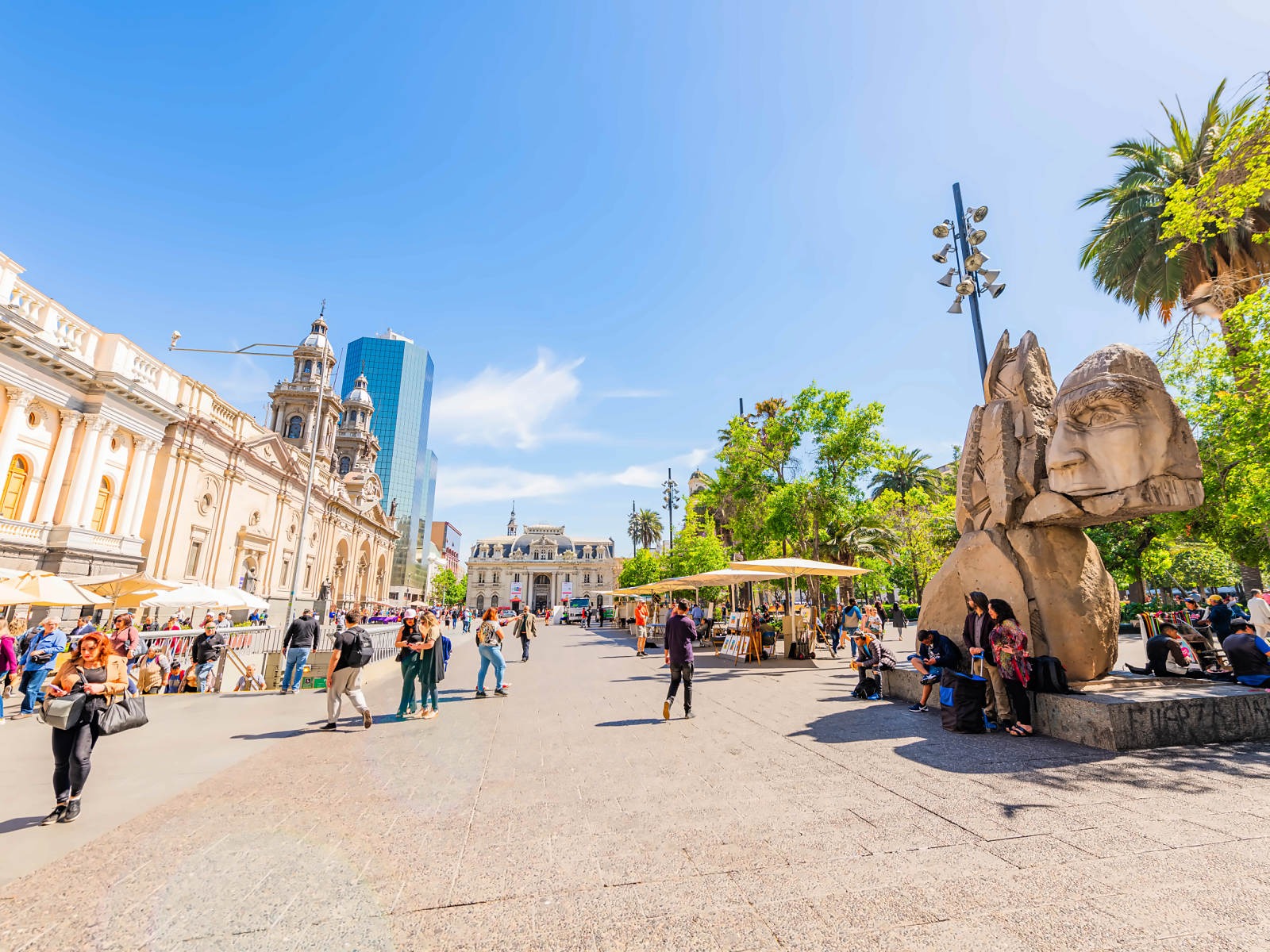
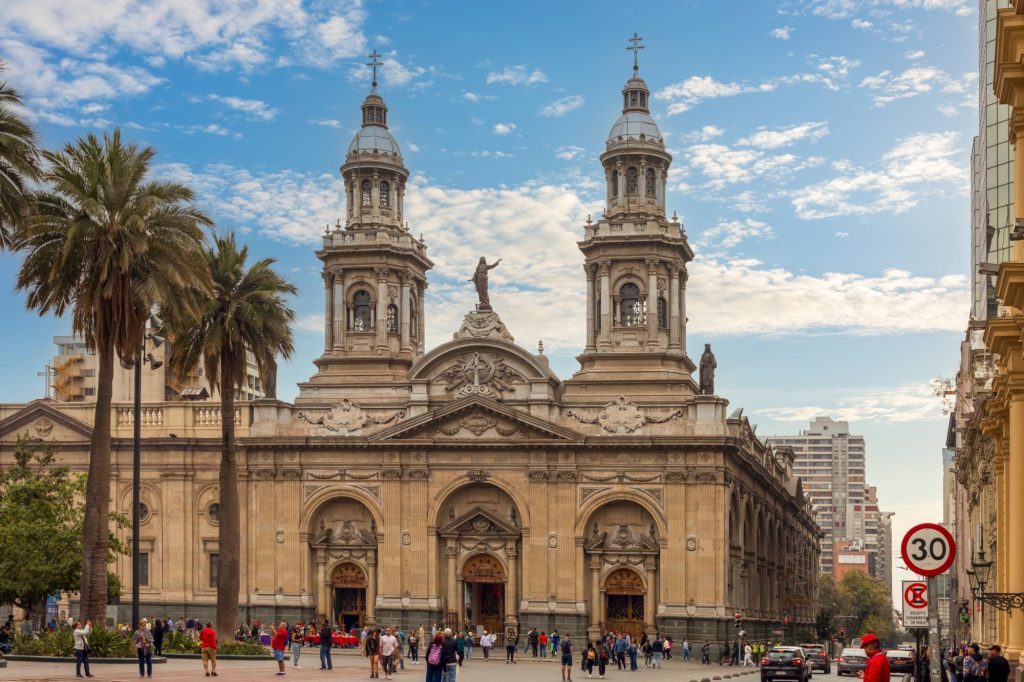
Continue toward the Plaza de Armas, considered the heart of Santiago’s historic center. Around it, you’ll find some of the capital’s most important buildings, such as the Metropolitan Cathedral, the National History Museum, and the Central Post Office building.
As lunchtime approaches, head to the traditional Portal Fernández Concha, located across from the square. This space brings together some of the classic downtown diners, where you can try one of the great icons of Chilean urban gastronomy: the completo italiano, a local version of the hot dog. It’s a quick alternative for a break before you continue exploring the capital.
Bellas Artes and Barrio Lastarria
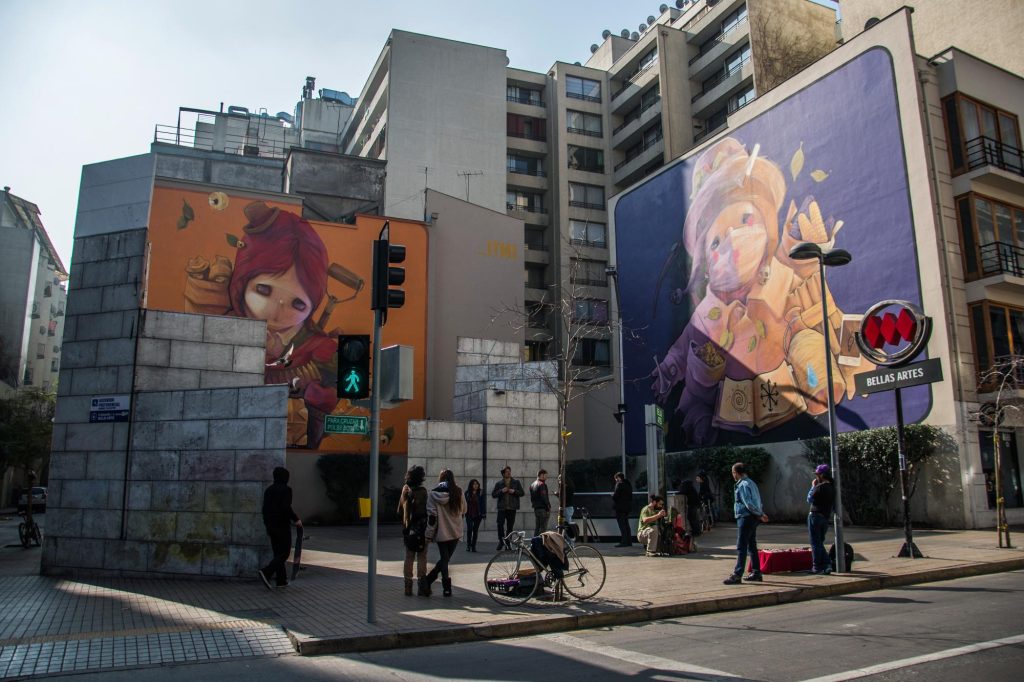
After lunch, head toward Parque Forestal to visit the National Museum of Fine Arts, 800 meters from the Plaza de Armas. Its collection includes Chilean and foreign works, and entry is free.
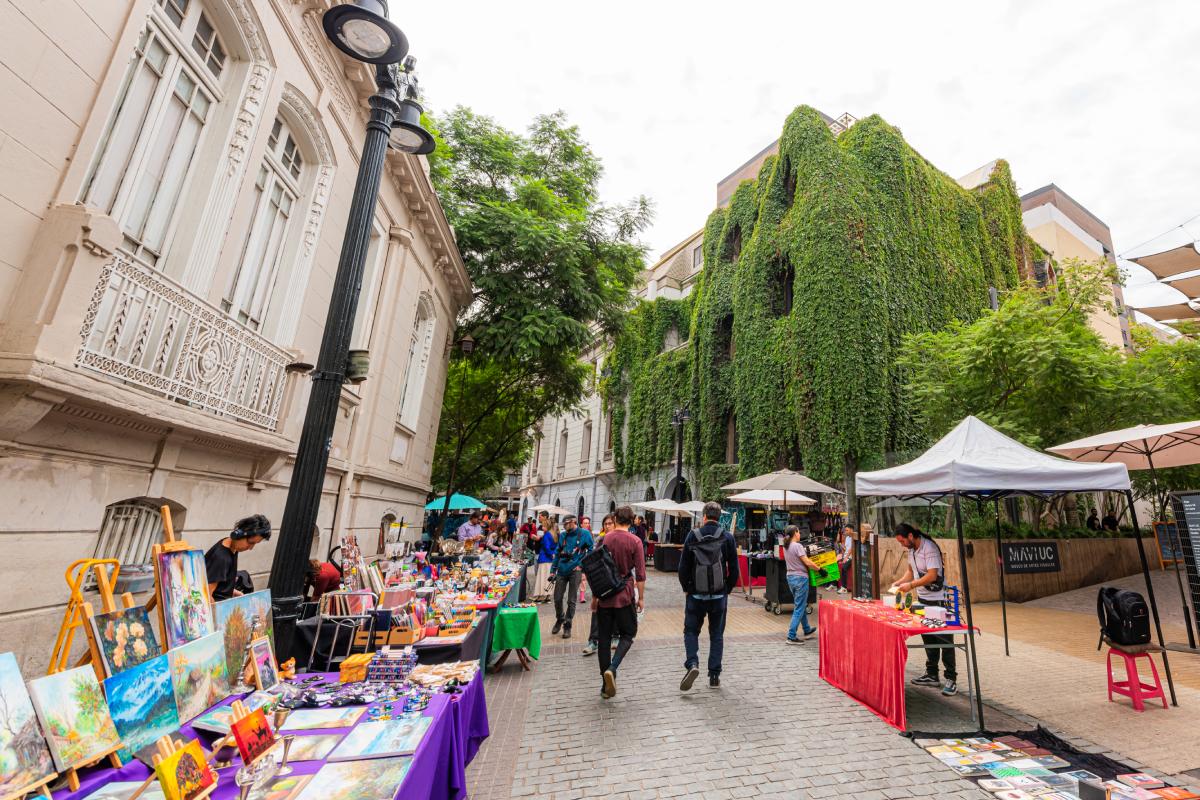
About 10 minutes from the museum is Barrio Lastarria, an urban refuge with tree-lined streets and a vibrant cultural life. Its cafés, bookstores, galleries, independent cinemas, and design shops give it a creative and cosmopolitan character. It’s a good place to end the first day, wandering its streets and enjoying the local gastronomy.
Day 2: Between hills and skyscrapers
Cerro San Cristóbal
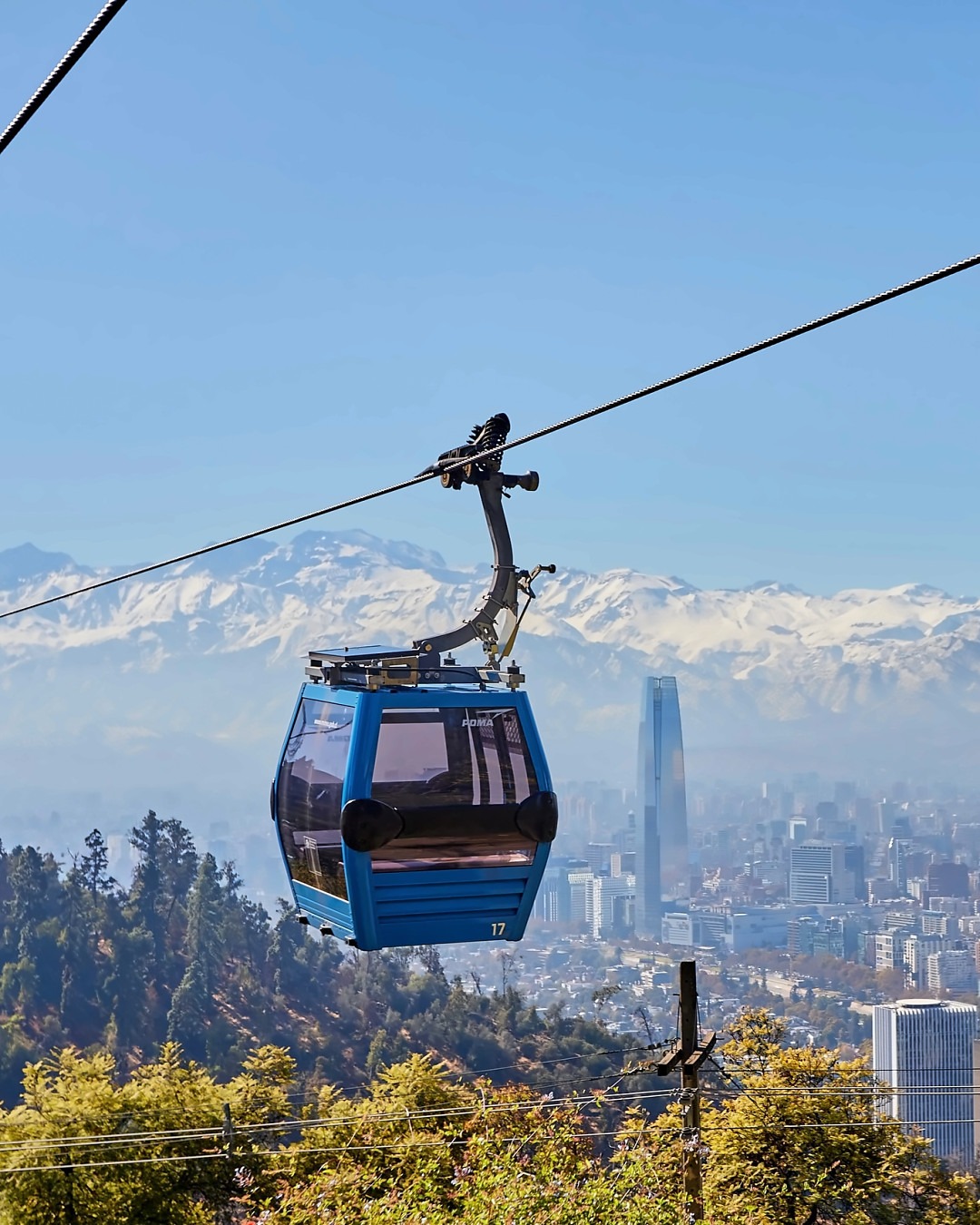
In the morning, start the second day of this Santiago route by taking the funicular from Barrio Bellavista to the capital’s main green lung: San Cristóbal Hill. At the summit, you can visit the Immaculate Conception Sanctuary, explore different areas of the Metropolitan Park, and visit the Japanese Garden, set among gardens, lagoons, and native vegetation.
You can also try a Chilean classic, mote con huesillo, a refreshing preparation made from cooked wheat, dried peaches, and a sweet syrup. To continue, head down on the Santiago Cable Car. During the ride, you’ll have a wide view of the capital with the Andes Mountains as a backdrop.
Sky Costanera
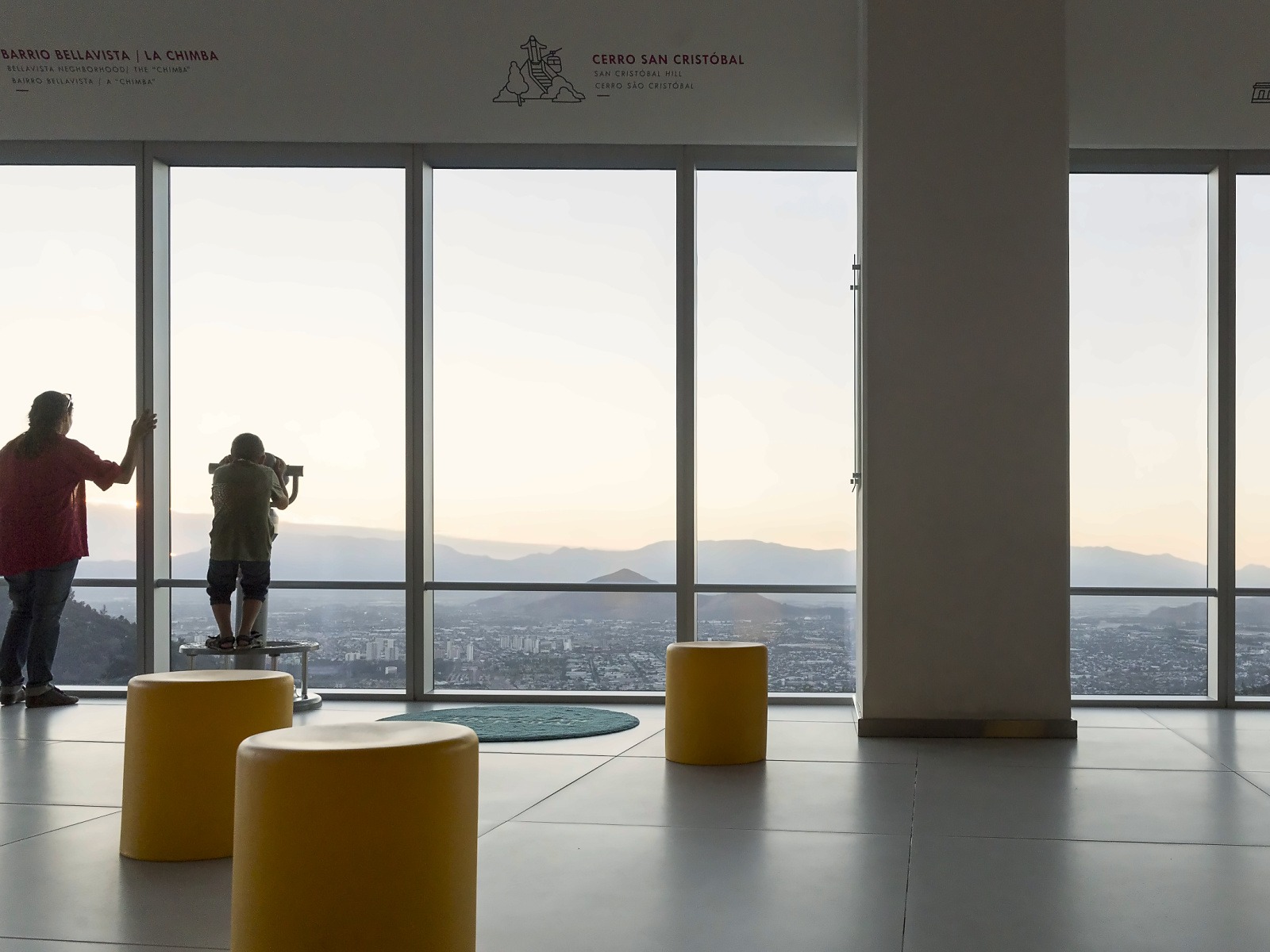
After coming down the hill at the Oasis Cable Car station, continue toward Providencia and head to Sky Costanera, about a 15-20 minute walk. Located on the 61st and 62nd floors of the Gran Torre Costanera, at a height of 300 meters, this is the highest viewpoint in South America.
From here, you can appreciate Santiago in 360°, with a wide panoramic view of the city and the Andes Mountains. You can also observe the capital’s architecture from above. In the same place, you’ll find a restaurant where you can take a break before continuing your tour.
MUT and Barrio Italia
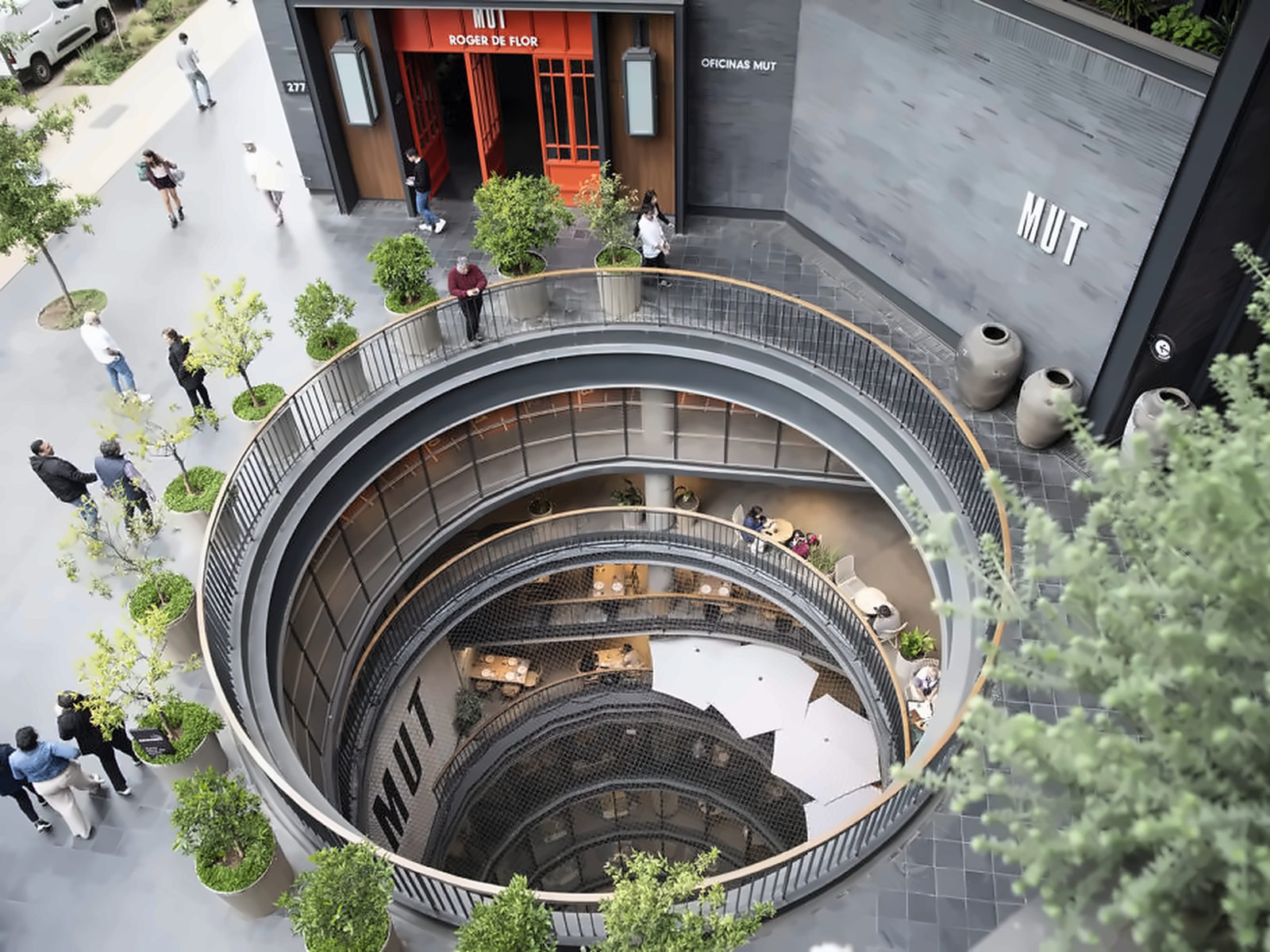
During the afternoon, continue to Mercado Urbano Tobalaba (MUT), just 9 minutes from Sky Costanera. Directly connected to the Tobalaba Metro station, this space brings together gastronomy, shops, culture, and events in one of Santiago’s new meeting points.
And to close the day, we’ll travel about 20 minutes to reach Barrio Italia, next to the Santa Isabel Metro station. Its old mansions house design shops, workshops, galleries, cafés, and restaurants that stay open into the night.
After 48 hours, you’ll have seen some of Santiago’s most iconic spots. From here, you can continue your journey to Rapa Nui, Patagonia, or other destinations in Chile.