



Heritage Route: 4 Days in the Juan Fernández Archipelago
LANDSCAPES:
ISLANDS
Updated on 27 de October, 2026

History, Trails, and Nature on Robinson Crusoe Island
4 DAYS
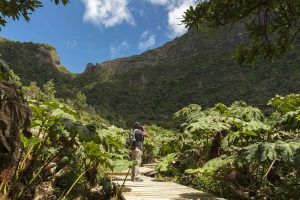
In the Juan Fernández Archipelago, Robinson Crusoe Island combines volcanic landscapes, native forests, cliffs, and biodiversity that makes this territory one of Chile’s most unique. In this four-day itinerary, you can explore its main trails and discover everything from the village of San Juan Bautista to the places linked to Alexander Selkirk.
This trip brings together three circuits of the Juan Fernández Archipelago Heritage Route: Robinson Crusoe Island, from the Ministry of National Assets, which you can find in more detail here. Get ready to walk, observe, and discover an island where history and nature appear at every step!
Inicio del itinerario
Attractions included on this day
Day 1
San Juan Bautista: Forts, Caves, and the Island's Living Memory
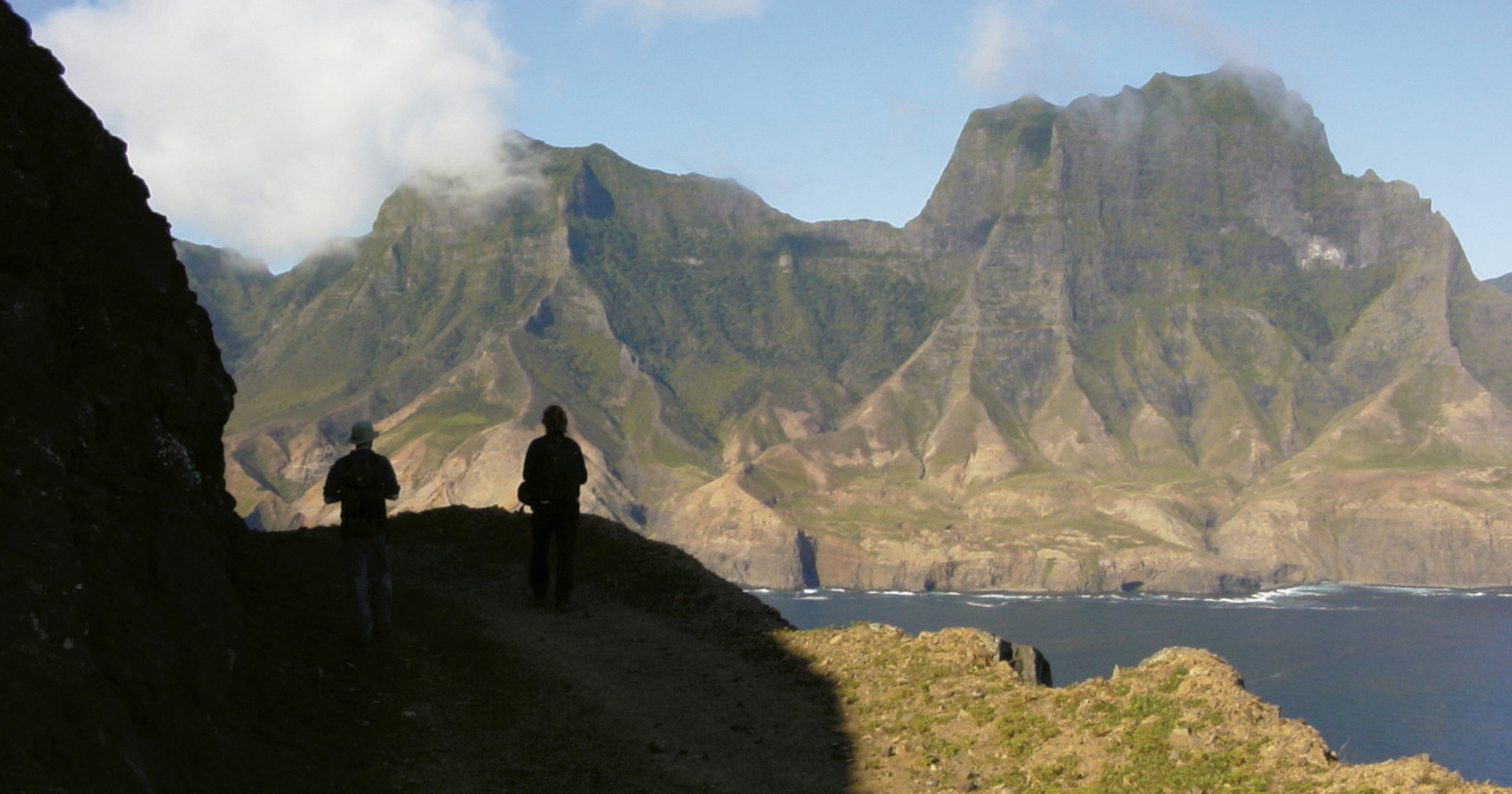
Your first stop will be the CONAF office, next to the Main Square in San Juan Bautista. There you must register and pay your entrance fee to the National Park before starting Section 1 of the San Juan Bautista’s Legacy Circuit.
It’s an easy route, although it includes some moderate ascents. In total, it’s 8 kilometers round trip, which you can complete in about 3 hours and 20 minutes.
In the square, observe the gong that a twelve-year-old girl struck to alert the community during the 2010 tsunami. Walk 24 minutes along the waterfront to the Cemetery, founded in 1877, where tsunami victims are remembered. In just six minutes, you’ll reach Balas al Dresden, with remnants of the 1915 naval battle on the volcanic rock.
Then, go up La Pólvora street towards the Sal Si Puedes Viewpoint. After about an hour of ascent, you’ll cross an introduced forest and observe endemic flora species, such as the Juan Fernández cabbage, before reaching a panoramic view of Cumberland Bay.
On the way back, visit Fort Santa Bárbara and finish at the Patriots’ Caves, linked to the exile of Chilean patriots during the Reconquista.
Photography: Rutas Patrimoniales
Attractions included on this day
Day 2
Endemic Forest and Bay Views
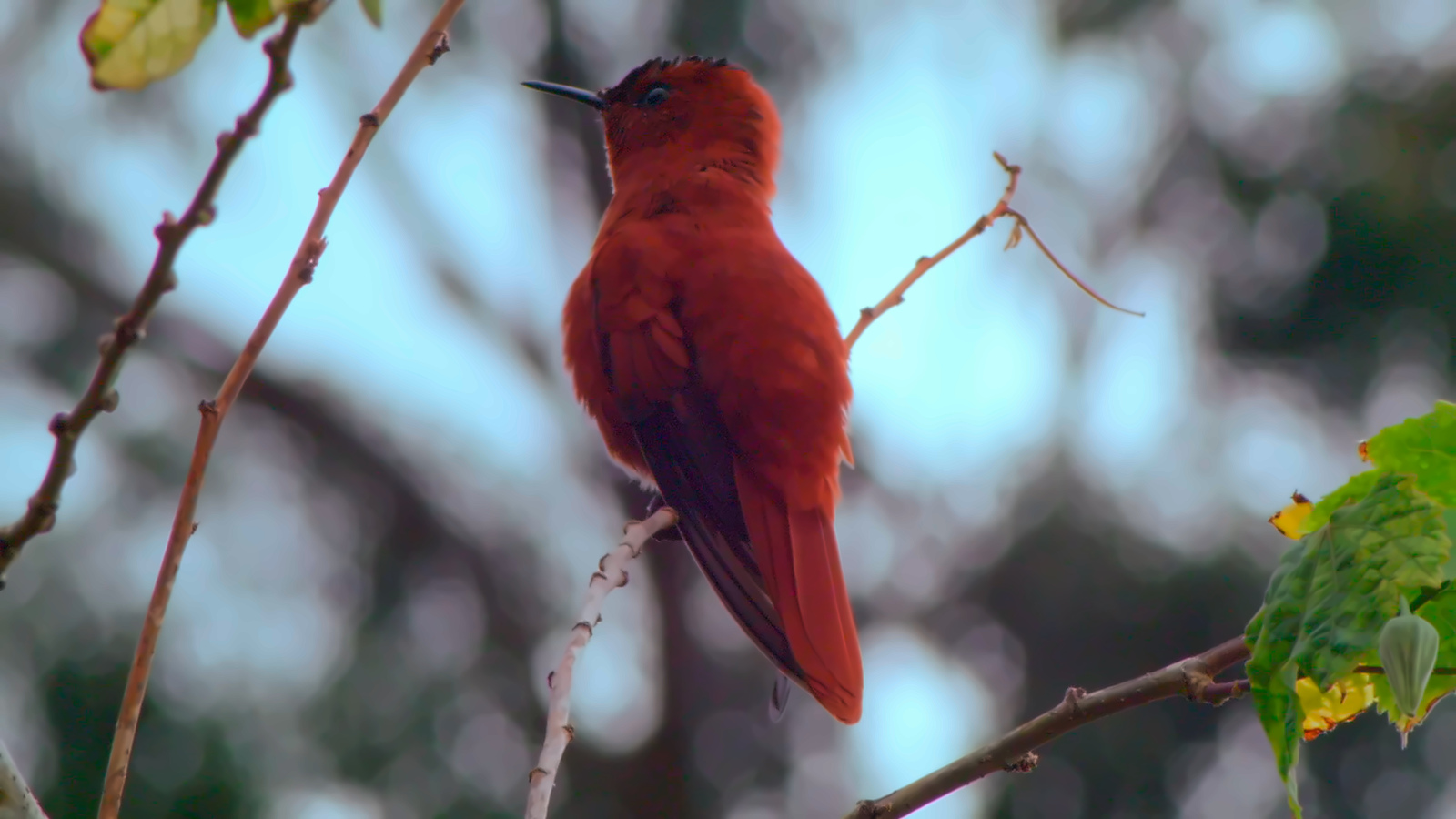
This second day starts again from the Main Square towards El Yunque Square, at the foot of the hill of the same name. Explore its trail among nalcas and ferns and discover the ruins of Hugo Weber’s house, a survivor of the German cruiser Dresden. As you advance, listen carefully: you might hear the Juan Fernández firecrown, an endangered species.
Continue along Pangal street to El Fardelario, which you’ll reach after approximately an hour and a half of walking among pines and eucalyptus. Here you can learn more about the Pink-footed Shearwater, a characteristic seabird of the archipelago and part of the island’s unique biodiversity.
The day continues with the ascent to El Centinela hill, the most demanding section of the route. In about two hours, you’ll reach the ruins of the island’s first naval radio station, inaugurated in 1909, with an extensive view over the bay.
The complete route totals 18.5 kilometers, with moderate to demanding difficulty. To return to San Juan Bautista, descend the same path. Afterwards, you can get closer to experience some of the local gastronomy, marked by island life and seafood products, part of Robinson Crusoe’s identity.
Photography: Rutas Patrimoniales
Attractions included on this day
Day 3
Selkirk's Footprint
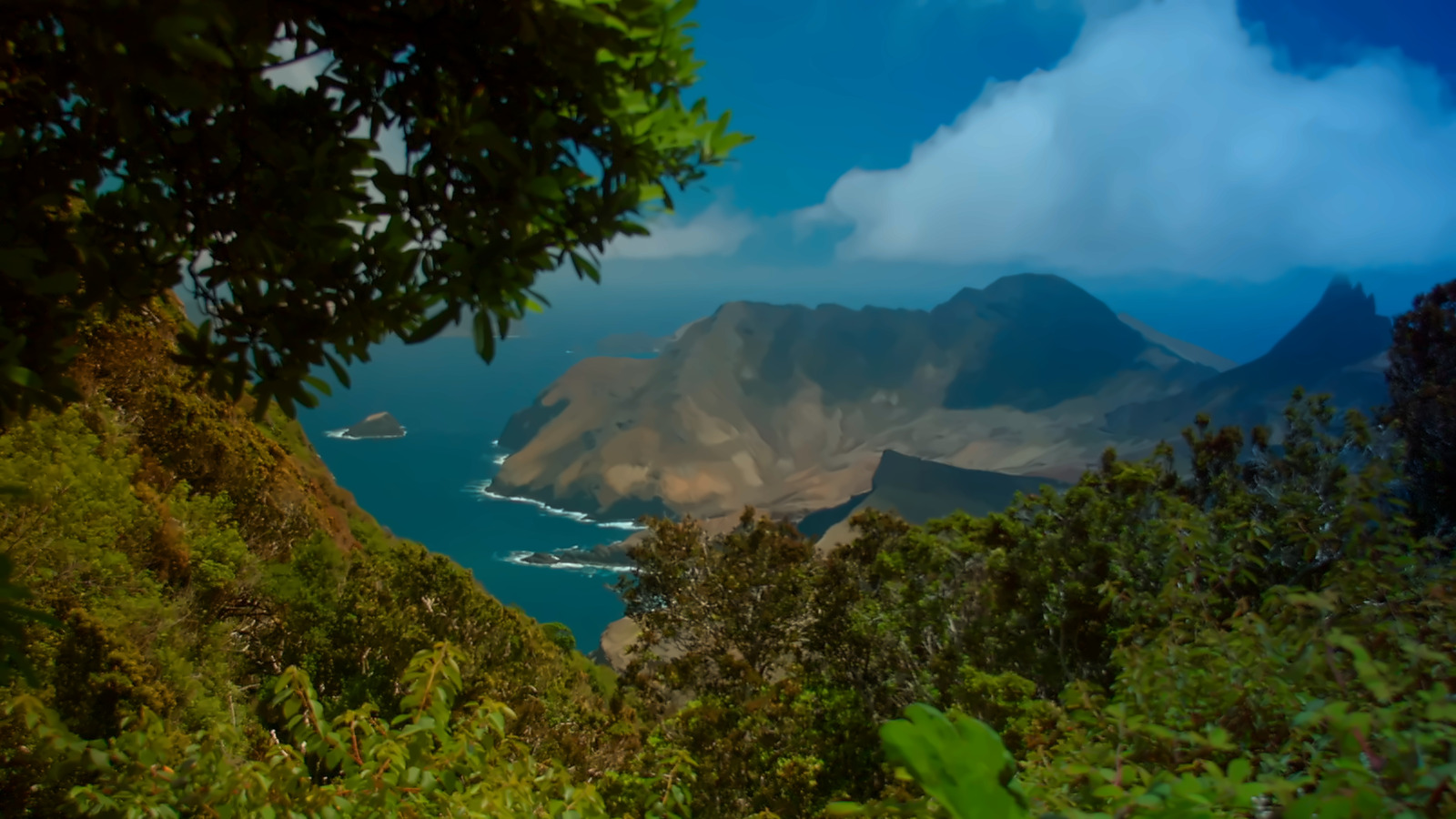
Today you will explore Circuit 2, Selkirk’s Footprint, which will take you across the island from end to end. The full day takes about 8 hours and presents moderate difficulty, with some demanding sections.
It begins at Piedra con Letras (10 minutes from the Main Square), a large rock with inscriptions by settlers, fish figures, and markings attributed to Alexander Selkirk. In 15 minutes, you’ll reach La Aguada. Refill your bottles, because this is the last water point on the route! Continue towards Selkirk’s Hut, the La Virgen Viewpoint, and the historic Selkirk Viewpoint.
Descend towards Villagra Valley and continue below Tres Puntas hill, through Tierras Amarillas and Punta Chupones, among cliffs, caves, and rock formations linked to pirate and corsair stories. In Tierras Blancas you can observe a significant colony of Juan Fernández fur seals.
The route ends at Padre Bay, an ancient volcanic crater surrounded by cliffs. From this point, the hike ends, and you’ll need to take a privately hired boat to return to the village.
Photography: Rutas Patrimoniales
Attractions included on this day
Day 4
Sea Tour: Islets, Fur Seals, and the Island from the Sea
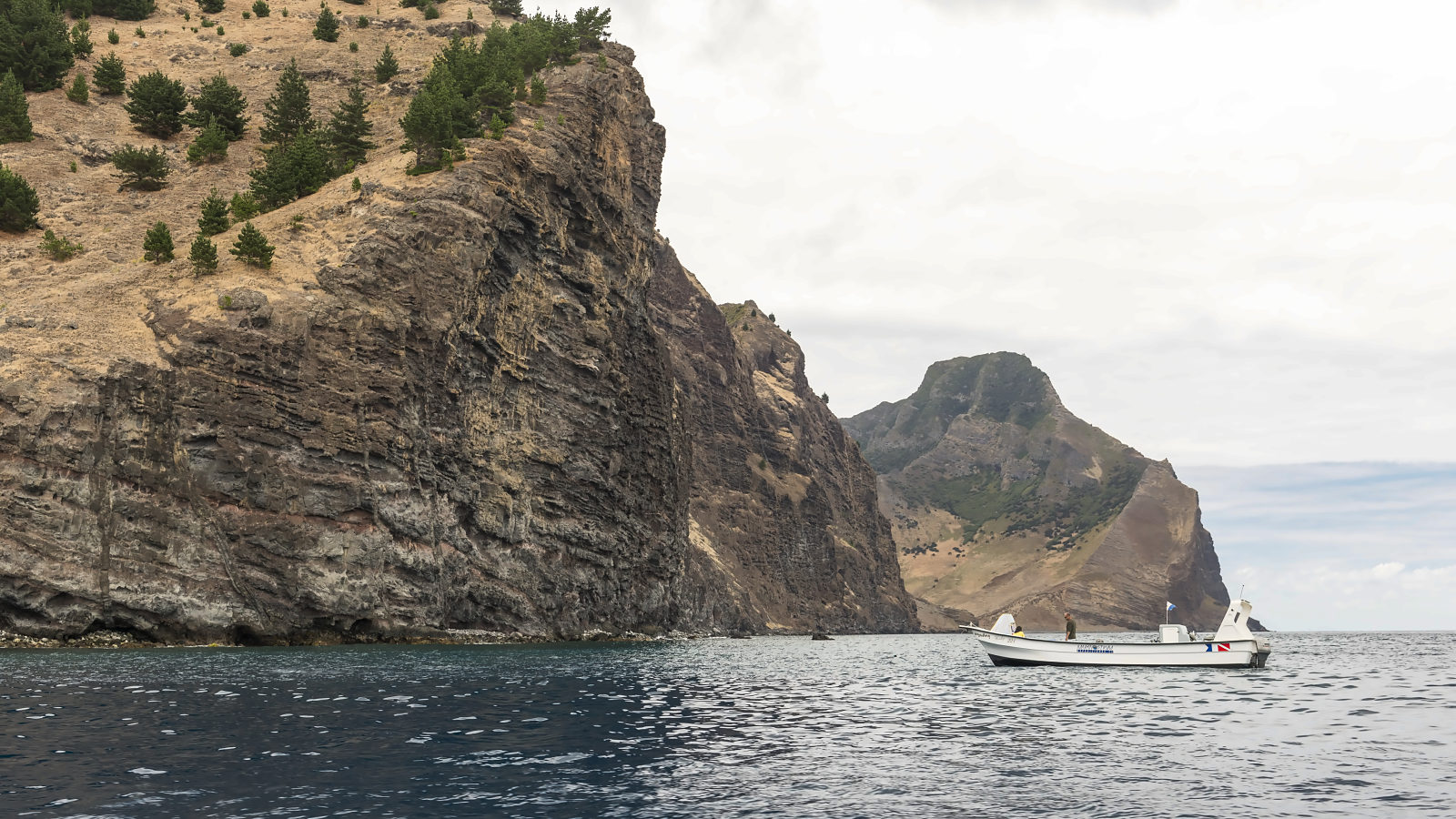
It’s time to sail Robinson Crusoe! Arrange for one of the boats that depart from Cumberland Bay to circle the island for three to four hours. From the sea, you’ll have a new perspective of the island, its cliffs, and its volcanic formations.
The navigation continues towards Puerto Francés, with its natural pools among volcanic rocks, and Ensenada La Barraca, where you can appreciate the cliffs shaped by erosion.
During the trip, you can arrange with the boat owner for the preparation of ‘perol,’ a traditional lobster stew freshly caught from the sea, cooked on board by the fishermen themselves.
In Padre Bay, you can take a break before continuing to Islote León and Puerto Inglés, where the cave associated with Alexander Selkirk is located. Finally, you will return to Cumberland Bay, completing Circuit 3 and all three circuits of this Heritage Route.
Photo: Sernatur audiovisual bank
What you should know
How to get there by air
By air, board a small plane or air taxi (2 to 2.5 hours) from Santiago (Tobalaba or Pudahuel) or Valparaíso to the island’s aerodrome; luggage is usually restricted to just 10 kg per passenger. By continental sea, you can travel from the port of Valparaíso aboard cargo ships or Navy vessels, a journey that takes between 24 and 48 hours. Both options have very limited availability, requiring reservations months in advance.
How to get there by land
From the aerodrome, transfer to San Juan Bautista is mandatory by boat or panga by sea (1.5 hours). There are no roads on the island; the circuits are covered on foot along heritage trails. For remote sections like Padre Bay or Puerto Francés, arrange local fishing boats in advance.
Climate and clothing
The climate is temperate maritime and very changeable, with coastal winds and unexpected rains. It is advisable to dress in layers, include a windproof waterproof jacket, and trekking footwear with good grip for dirt and rock trails. Also bring a swimsuit, hat, and sunscreen.
Must-Know Tips
Register and pay the entrance fee at the CONAF office upon arrival in San Juan Bautista. Bring enough cash, as electronic payment methods are almost nonexistent. Always carry plenty of water for hikes and book your accommodations and sea transfers well in advance.


