


Heritage Route: 3 days of history, vineyards, and the Ñuble coast
Updated on 14 de August, 2026

History, vineyards, and the sea in three days
3 DAYS
Chile’s south-central region hides hidden gems worth discovering. On this 3-day trip, you’ll explore the city of Chillán, the historic Itata Valley, and the coast of Cobquecura, combining architecture, rural landscapes, old vineyards, and a coastline of rural traditions alongside its unique biodiversity.
This trip is part of the Ministry of National Assets’ Ruta Patrimonial Ñuble, which you can find in more detail here.
SEASON
ATTRACTIONS
Inicio del itinerario
Day 1
Chillán: modern architecture and urban heritage
Start your journey along the Ñuble Heritage Route in Chillán, a city rebuilt after the 1939 earthquake and known for its outstanding collection of modern architecture.
The trip begins at the Railway Station, a symbol of the railway development that drove economic growth in south-central Chile. From there, walk a few minutes to the Claudio Arrau Museum, dedicated to the pianist born in the city and considered one of the most important performers of the 20th century.
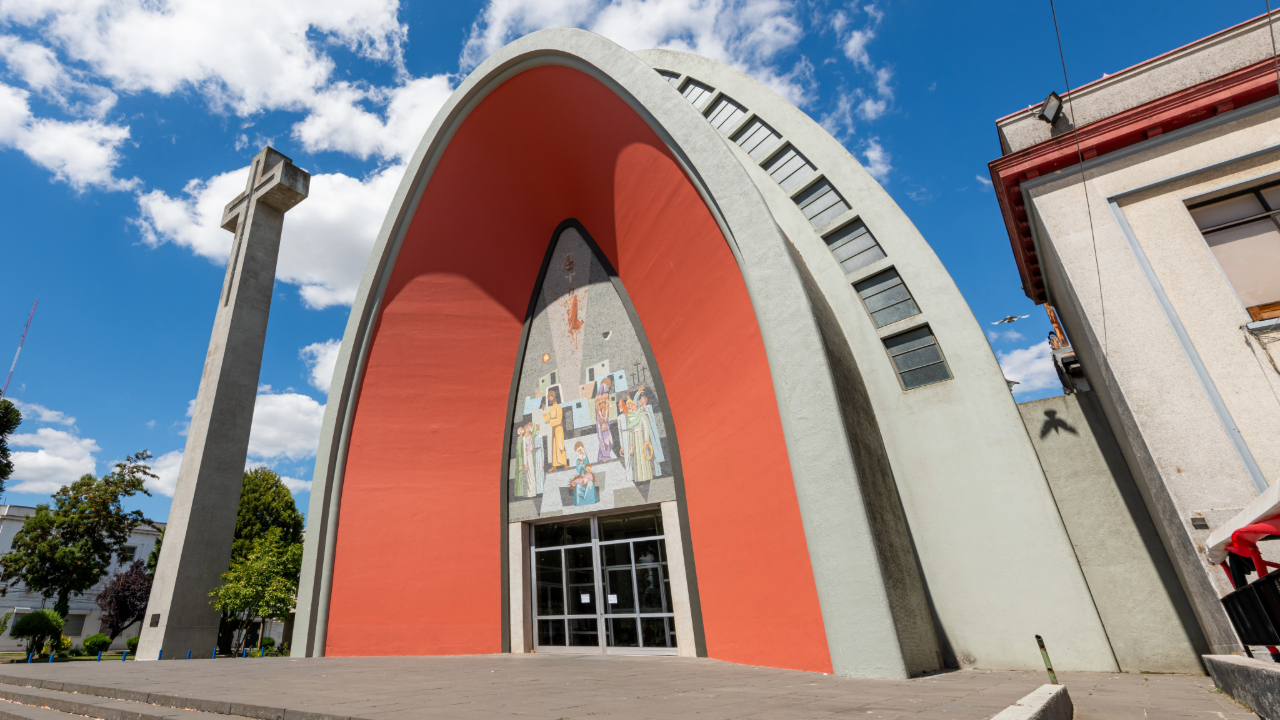
Continue to the Plaza de Armas to discover the Chillán Cathedral, a National Historic Monument and a landmark of Chilean modern architecture.
Then visit the Covered Market, a traditional space where crafts, agricultural products, and Ñuble’s cultural expressions come together. End the day by walking to the COPELEC Building, known for its modern architecture, and the Gonzalo Rojas Cultural Center, which preserves the legacy of the renowned Chilean poet.
Day 1
Chillán: modern architecture and urban heritage
Start your journey along the Ñuble Heritage Route in Chillán, a city rebuilt after the 1939 earthquake and known for its outstanding collection of modern architecture.
The trip begins at the Railway Station, a symbol of the railway development that drove economic growth in south-central Chile. From there, walk a few minutes to the Claudio Arrau Museum, dedicated to the pianist born in the city and considered one of the most important performers of the 20th century.
Continue to the Plaza de Armas to discover the Chillán Cathedral, a National Historic Monument and a landmark of Chilean modern architecture.
Then visit the Covered Market, a traditional space where crafts, agricultural products, and Ñuble’s cultural expressions come together. End the day by walking to the COPELEC Building, known for its modern architecture, and the Gonzalo Rojas Cultural Center, which preserves the legacy of the renowned Chilean poet.
Day 2
Itata Valley: rural heritage and winemaking tradition
Get back on the route by traveling to the Itata Valley, one of the oldest winemaking regions in South America. Start in Ninhue, a town surrounded by hills and dryland fields inland that preserve a deep rural identity.
From there, drive about 5 kilometers to the San Agustín de Puñual Hacienda, a National Monument and the birthplace of national hero Arturo Prat.
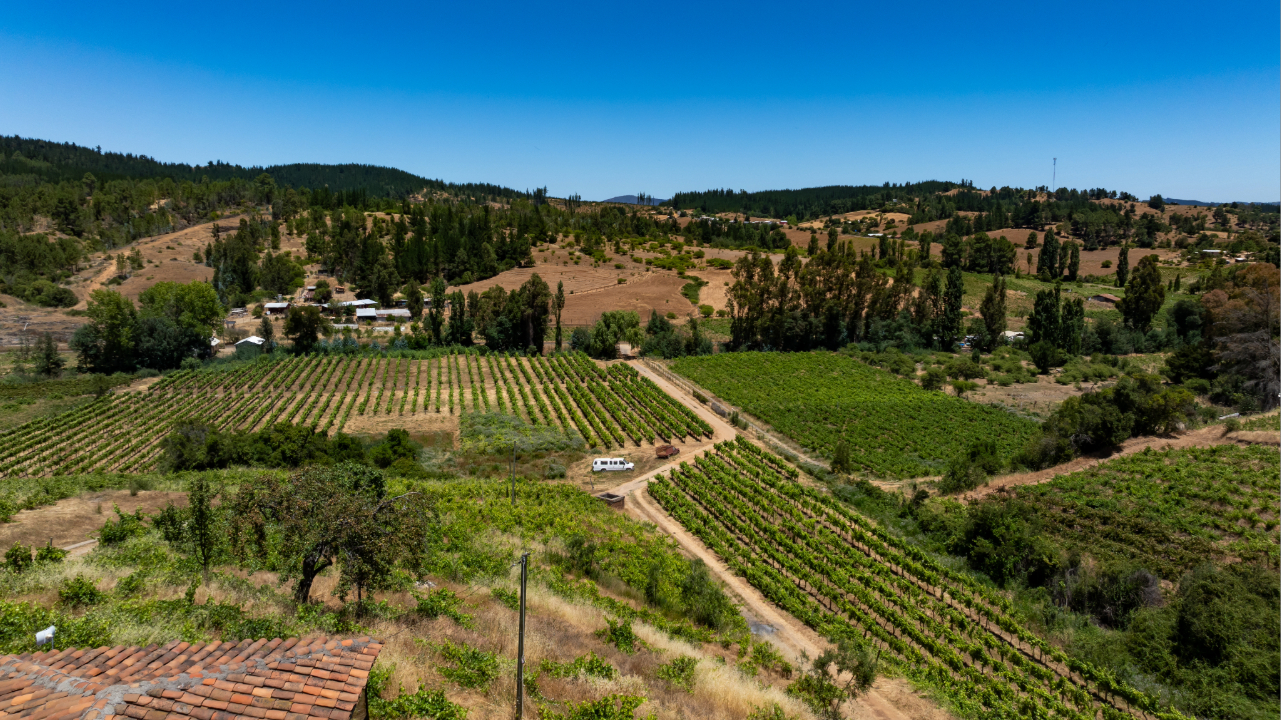
Continue on to Quirihue and then head toward Coelemu, one of the gateways to the Itata Valley. As you travel through towns such as Ñipas and Portezuelo, you’ll discover a landscape shaped by old vines grown on dryland hillsides, many of them heritage varieties such as País and Muscat of Alexandria. These farming practices, passed down through generations, are part of Ñuble’s cultural identity.
Day 2
Itata Valley: rural heritage and winemaking tradition
Get back on the route by traveling to the Itata Valley, one of the oldest winemaking regions in South America. Start in Ninhue, a town surrounded by hills and dryland fields inland that preserve a deep rural identity.
From there, drive about 5 kilometers to the San Agustín de Puñual Hacienda, a National Monument and the birthplace of national hero Arturo Prat.
Continue on to Quirihue and then head toward Coelemu, one of the gateways to the Itata Valley. As you travel through towns such as Ñipas and Portezuelo, you’ll discover a landscape shaped by old vines grown on dryland hillsides, many of them heritage varieties such as País and Muscat of Alexandria. These farming practices, passed down through generations, are part of Ñuble’s cultural identity.
Day 3
Cobquecura: nature, geology, and wildlife
Use this third day to explore Cobquecura’s coastline, where beaches and rock formations create some of Chile’s most striking coastal landscapes.
From north to south, you can start by visiting Pullay Beach and then continue to Buchupureo and the Playa La Boca wetland, an ideal setting for birdwatching and enjoying the peace and quiet of the coast.
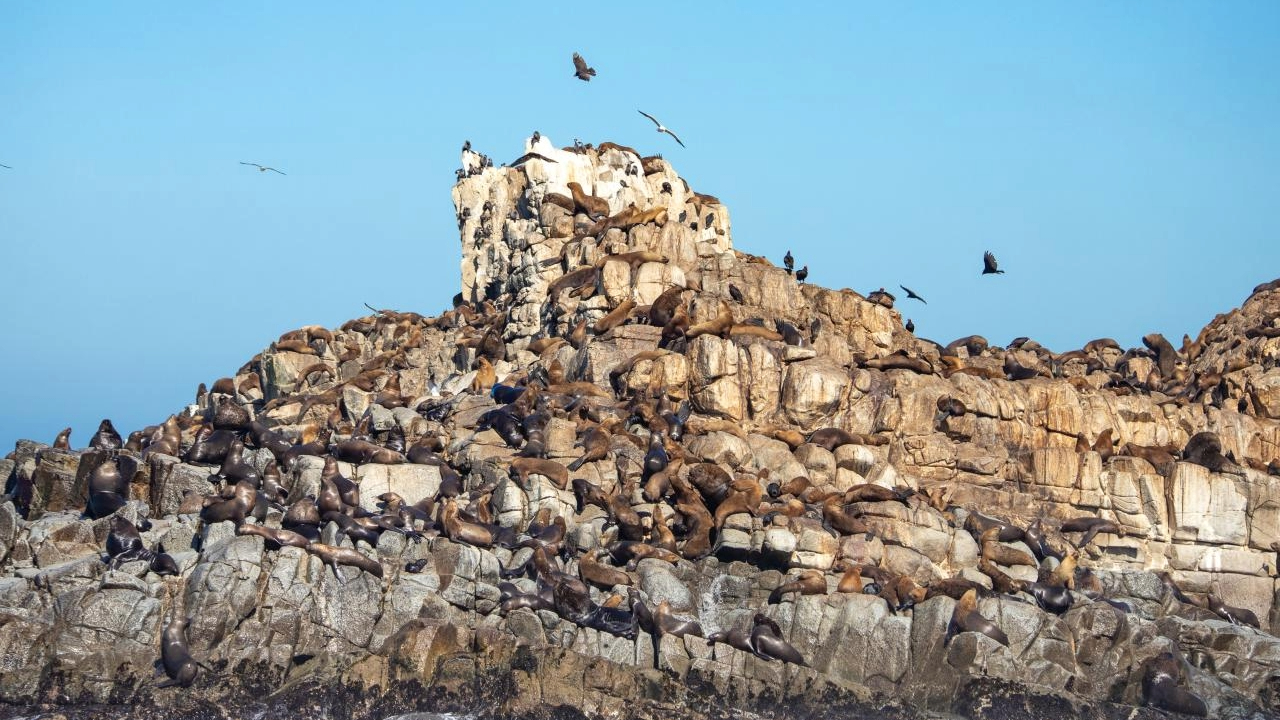
Further along you’ll discover the Stone Church, an impressive natural arch carved over thousands of years. Very close by are the Lobería Islets, where you can spot an impressive colony of sea lions from the shore.
Once in Cobquecura, you can continue on to Playa Mure, Piedra Alta, the Taucú Wetland, Caleta Rinconada, and Playa Colmuyao. Each of these spots offers a different way to take in the region’s natural richness.
We’ve suggested an order for this itinerary, but remember you can do it in whatever way works best for you, using your accommodation as your starting point. Enjoy your adventure in this magical corner of Chile!
Day 3
Cobquecura: nature, geology, and wildlife
Use this third day to explore Cobquecura’s coastline, where beaches and rock formations create some of Chile’s most striking coastal landscapes.
From north to south, you can start by visiting Pullay Beach and then continue to Buchupureo and the Playa La Boca wetland, an ideal setting for birdwatching and enjoying the peace and quiet of the coast.
Further along you’ll discover the Stone Church, an impressive natural arch carved over thousands of years. Very close by are the Lobería Islets, where you can spot an impressive colony of sea lions from the shore.
Once in Cobquecura, you can continue on to Playa Mure, Piedra Alta, the Taucú Wetland, Caleta Rinconada, and Playa Colmuyao. Each of these spots offers a different way to take in the region’s natural richness.
We’ve suggested an order for this itinerary, but remember you can do it in whatever way works best for you, using your accommodation as your starting point. Enjoy your adventure in this magical corner of Chile!
What you should know
How to get there by air
How to get there by land
From Santiago, Chillán is about 400 kilometers away via Route 5 South. You can get there by car, bus, or train, with frequent services from the capital. To explore the Itata Valley and Cobquecura’s coast, it’s recommended to travel in your own vehicle or rent one, as it offers more flexibility to visit vineyards, rural towns, and natural attractions.
Climate and clothing
Ñuble has a Mediterranean climate in the valley and a milder climate along the coast. Bring layers, a waterproof or windproof jacket, and comfortable shoes for exploring cities, vineyards, beaches, and trails at any time of year.
Must-Know Tips
Bring water, sunscreen, a hat, and a camera or phone to photograph the landscapes. Respect wildlife and stay on designated trails and viewpoints, especially when visiting wetlands, beaches, and the Lobería Islets.


