



Heritage Route: Discover the Atacama Coastline
Updated on 14 de August, 2026

The nature of the coastal desert
3 DAYS
On the northern Chilean coast, the biodiversity born from the meeting of the Atacama Desert and the Pacific Ocean brings surreal landscapes to life, where the Blooming Desert. phenomenon sometimes occurs. On this heritage circuit, you’ll explore crystal-clear beaches, wetlands teeming with life, striking geological formations, and protected landscapes such as Pan de Azúcar and Llanos de Challe. Here you’ll also discover Bahía Inglesa, known as the “Chilean Caribbean” for its white sands.
This trip is part of the Atacama Coastal Heritage Route from the Ministry of National Assets, which you can find in more detail here.
DISTANCE
311 km
DAYS
3 days
DESTINATIONS
LANDSCAPES
Inicio del itinerario
Attractions included on this day
Day 1
First encounter with the Atacama coast
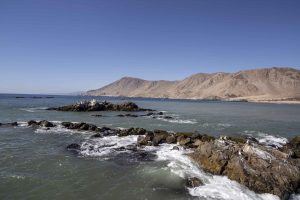
Start your adventure at Pan de Azúcar National Park, a destination that represents the Atacama coastline. Walk along its trails, take in its viewpoints, and watch how the desert transforms as it meets the Pacific Ocean. Its base town is Chañaral, where you can coordinate excursions to this destination.
Continue toward Portofino Beach and Puerto Flamenco, two spots where calm waters contrast with the desert landscape. Then, be amazed by the geological formations of the Las Lizas Archaeological Site, the Stone Zoo, and the Granito Orbicular Nature Sanctuary, a showcase of Atacama’s extraordinary geological history.
End the day in Caldera, an old port that preserves the region’s maritime memory and where you can stay before continuing your adventure.
Attractions included on this day
Day 1
First encounter with the Atacama coast
Start your adventure at Pan de Azúcar National Park, a destination that represents the Atacama coastline. Walk along its trails, take in its viewpoints, and watch how the desert transforms as it meets the Pacific Ocean. Its base town is Chañaral, where you can coordinate excursions to this destination.
Continue toward Portofino Beach and Puerto Flamenco, two spots where calm waters contrast with the desert landscape. Then, be amazed by the geological formations of the Las Lizas Archaeological Site, the Stone Zoo, and the Granito Orbicular Nature Sanctuary, a showcase of Atacama’s extraordinary geological history.
End the day in Caldera, an old port that preserves the region’s maritime memory and where you can stay before continuing your adventure.
Attractions included on this day
Day 2
Beaches and fossils
Start your second day at Bahía Loreto, a quiet beach near Caldera where you can enjoy the beauty of the coastal landscape and the calm of the ocean.
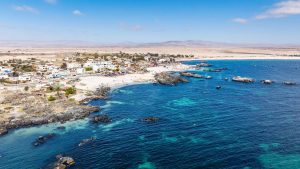
Then head toward Bahía Inglesa, known as the “Chilean Caribbean” for its white sands and intense turquoise waters. Walk along its coastline and take in this unique postcard view.
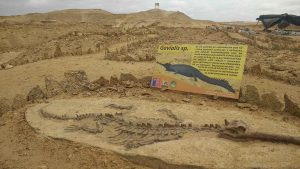
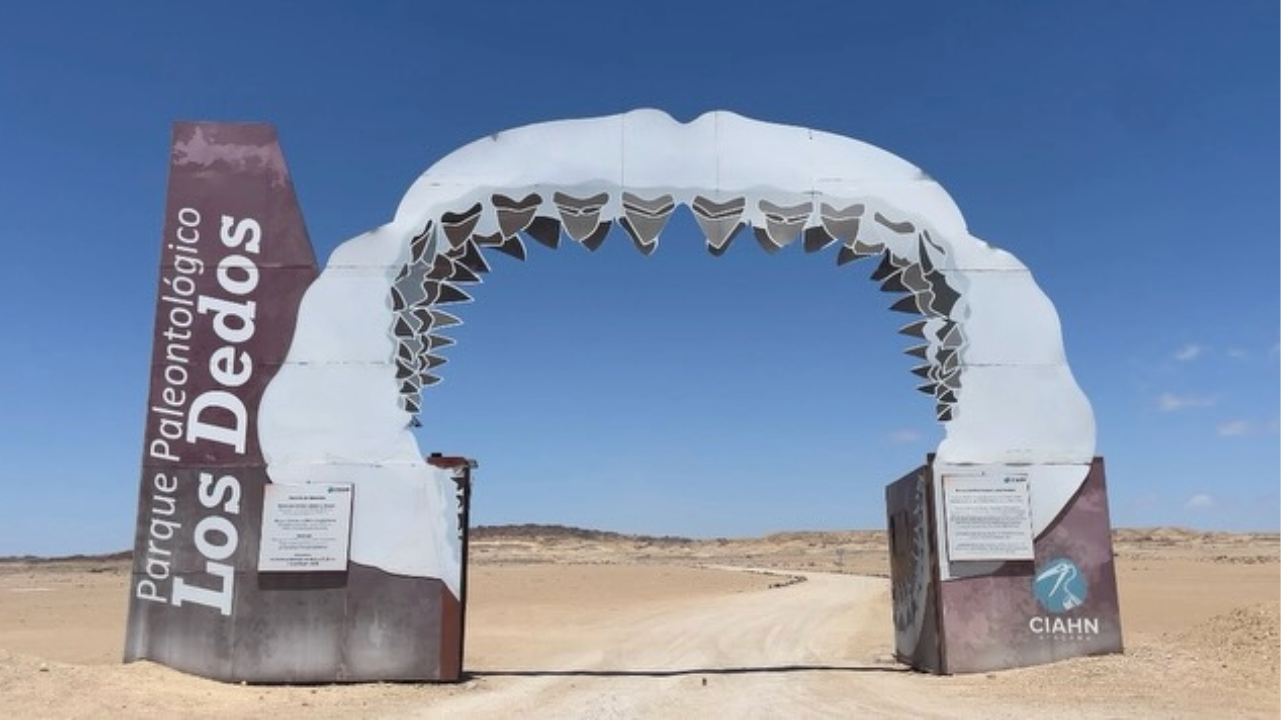
A few kilometers away, you’ll find Los Dedos Paleontological Park, a place where you can travel back in time by observing fossil remains that reveal the ancient marine life that inhabited this territory.
Continue toward Morro Norte and discover trails with privileged views of the desert, influenced by the presence of the camanchaca fog. Then, explore Chorrillos Beach and Bahía Cisne, areas where nature continues to showcase the richness of the coastline.
Close the day at the Copiapó River Wetland, an ecosystem where water, dunes, and vegetation create a surprising refuge for various bird species.
Photography: @infancix_ludica
Attractions included on this day
Day 2
Beaches and fossils
Start your second day at Bahía Loreto, a quiet beach near Caldera where you can enjoy the beauty of the coastal landscape and the calm of the ocean.
Then head toward Bahía Inglesa, known as the “Chilean Caribbean” for its white sands and intense turquoise waters. Walk along its coastline and take in this unique postcard view.
A few kilometers away, you’ll find Los Dedos Paleontological Park, a place where you can travel back in time by observing fossil remains that reveal the ancient marine life that inhabited this territory.
Continue toward Morro Norte and discover trails with privileged views of the desert, influenced by the presence of the camanchaca fog. Then, explore Chorrillos Beach and Bahía Cisne, areas where nature continues to showcase the richness of the coastline.
Close the day at the Copiapó River Wetland, an ecosystem where water, dunes, and vegetation create a surprising refuge for various bird species.
Photography: @infancix_ludica
Day 3
The route to Huasco
The final stage of the Atacama Coastal Heritage Route will take you south, through landscapes where the coast shifts between secluded beaches, wetlands, and protected areas.
Start at Puerto Viejo, an old port of Copiapó that stands out for its small sand cliffs. Continue toward Barranquilla Beach and Bahía Salada, two places where you can enjoy the tranquility of the ocean and the beauty of its transparent waters.
Head toward Caleta Pajonales and the Totoral Coastal Wetland, a Nature Sanctuary where you’ll discover species adapted to this unique meeting of desert and sea.
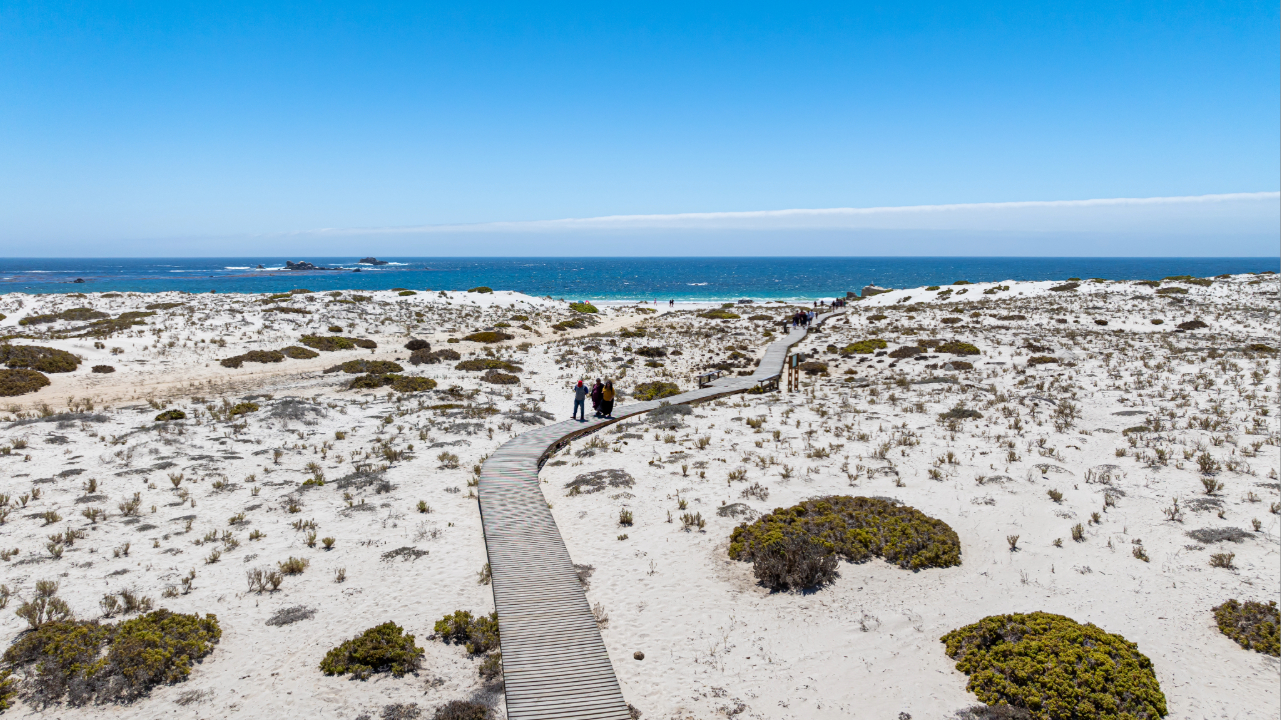
Your main stop today will be Llanos de Challe National Park. Home to a magical ecosystem, this is where the flowering desert phenomenon occurs during years when natural conditions allow it.
Finish your route in Huasco, taking in the landscape from the Huasco River Wetland Viewpoint and walking by the sea. There, you must try its exquisite cuisine, characterized by olive oil, olives, and seafood.
Day 3
The route to Huasco
The final stage of the Atacama Coastal Heritage Route will take you south, through landscapes where the coast shifts between secluded beaches, wetlands, and protected areas.
Start at Puerto Viejo, an old port of Copiapó that stands out for its small sand cliffs. Continue toward Barranquilla Beach and Bahía Salada, two places where you can enjoy the tranquility of the ocean and the beauty of its transparent waters.
Head toward Caleta Pajonales and the Totoral Coastal Wetland, a Nature Sanctuary where you’ll discover species adapted to this unique meeting of desert and sea.
Your main stop today will be Llanos de Challe National Park. Home to a magical ecosystem, this is where the flowering desert phenomenon occurs during years when natural conditions allow it.
Finish your route in Huasco, taking in the landscape from the Huasco River Wetland Viewpoint and walking by the sea. There, you must try its exquisite cuisine, characterized by olive oil, olives, and seafood.
What you should know
How to get there by air
The nearest airport is the Desierto de Atacama Airport in Copiapó (CPO), with direct flights from Santiago. From the terminal, you must travel 75 km (1 hour) by private vehicle or booked transfer. You can rent a car at the airport to reach your accommodation and move around independently.
How to get there by land
The Atacama Region is connected by Route 5 North, which provides access to its main cities and coastal towns. From Santiago, the car trip to Chañaral takes approximately 10 hours. If you travel by bus, you can reach Caldera. To explore the coastline with more freedom, having a vehicle is recommended, considering the distances between the different points on the itinerary.
Climate and clothing
The Atacama coastline has a coastal desert climate, with sunny days, pleasant temperatures, and cool nights. Wear comfortable clothes, sun protection, and bring water and a jacket for temperature changes.
Must-Know Tips
Respect the ecosystems you visit, especially wetlands and protected areas. Take your trash with you, avoid disturbing the local flora and fauna, and get ready to enjoy landscapes where nature is the main attraction.


